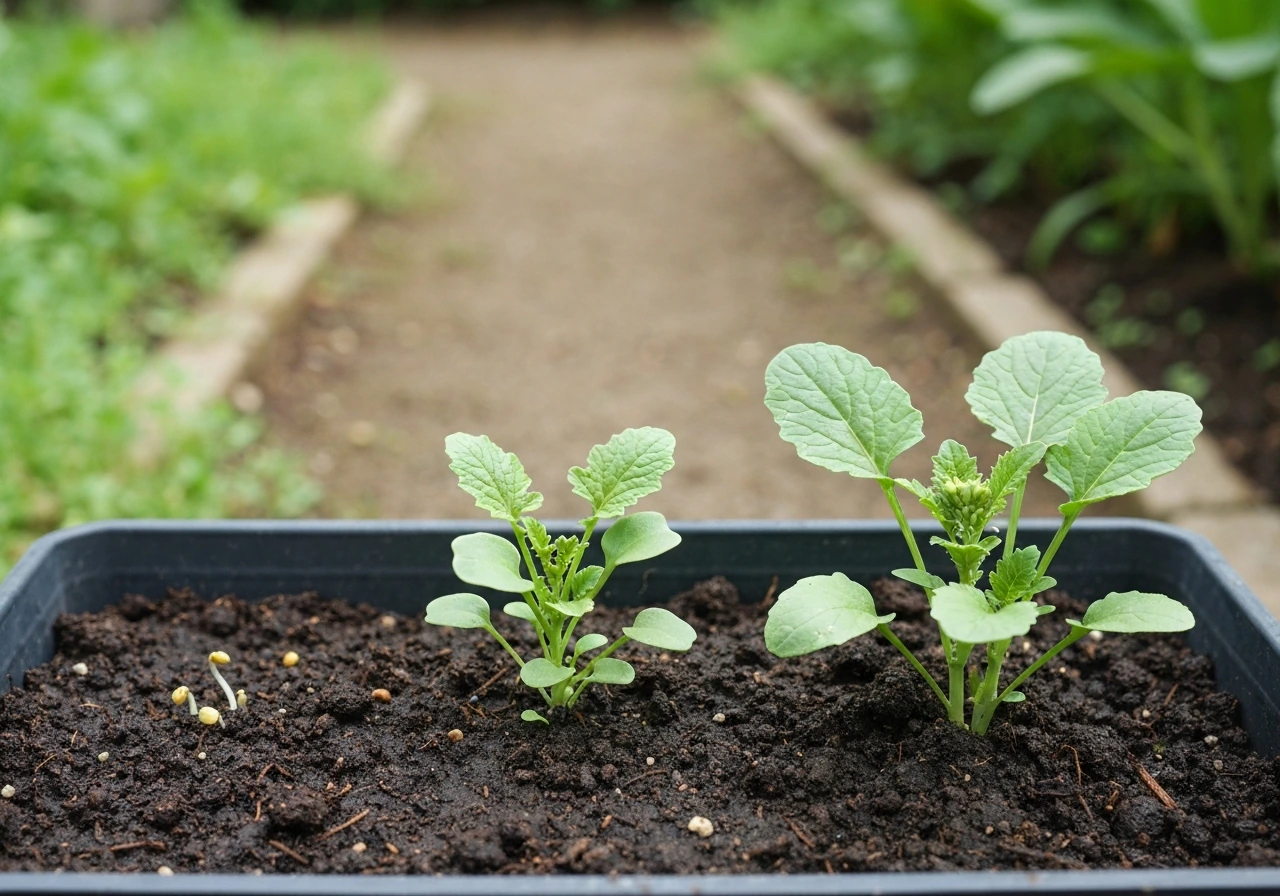
Moringa takes about 7 to 15 days to germinate from seed, and you can start harvesting leaves as early as 60 days after seeding if you let the plant grow naturally. Full leaf-harvest maturity, where the plant is a robust, productive tree, typically comes around 3 to 12 months depending on your climate, your management style, and how aggressively you prune. That's a wide range, but this guide breaks it all down stage by stage so you know exactly what to expect and when to worry.
How Long Does Moringa Take to Grow From Seed?
Marcus Henley
12 Apr 2026
Germination to sprouting: the first 7 to 15 days
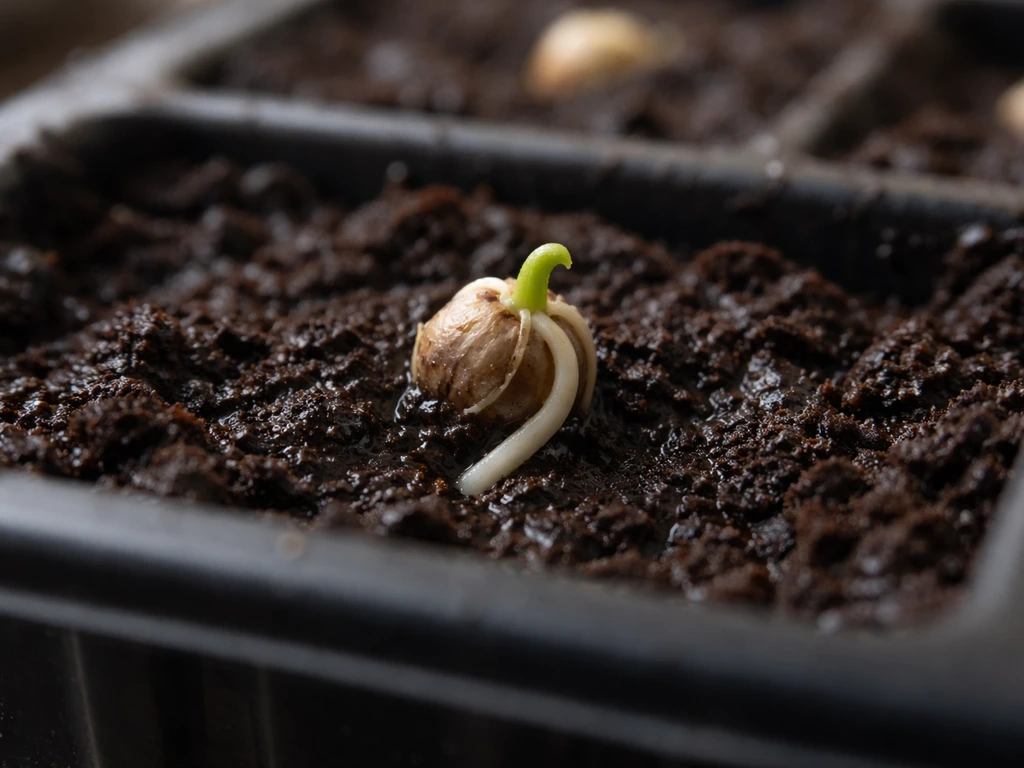
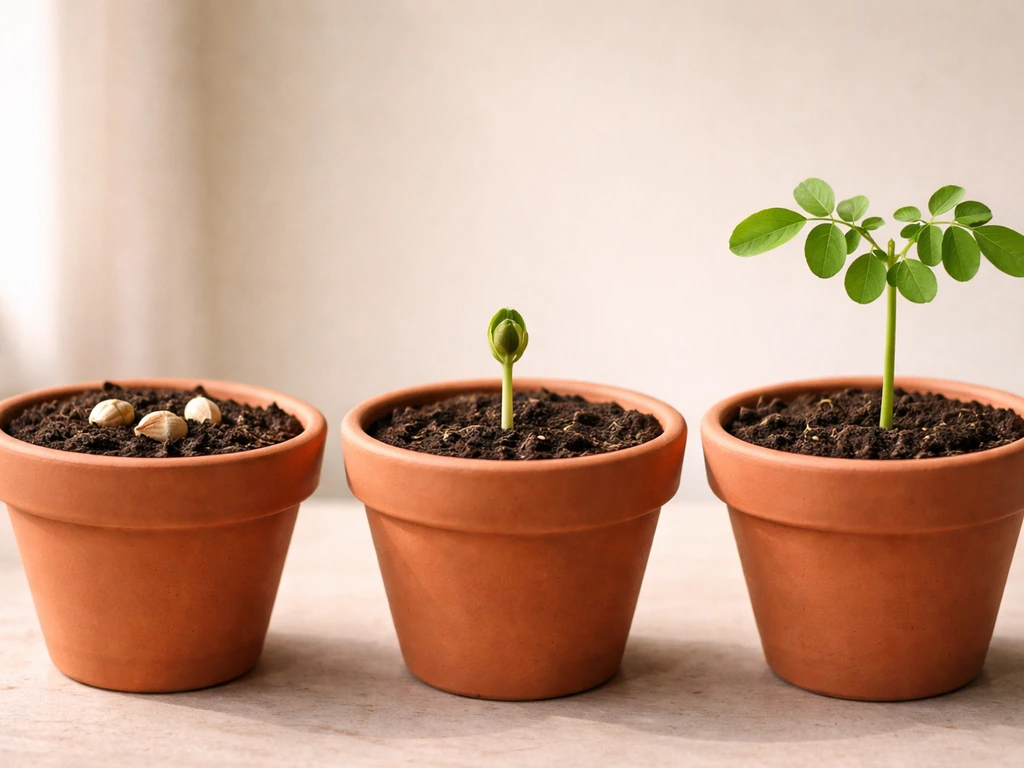
Under good conditions, moringa seeds typically begin showing the first signs of emergence around 7 days after sowing. Germination doesn't happen all at once though. Research tracking moringa sprouts found that while the first seedlings can appear at day 7, emergence continues for up to 32 days as slower seeds catch up. The practical window most growers work with is 7 to 15 days for the bulk of your seeds to break soil, and that aligns with what agroforestry manuals recommend as a normal expectation.
If you're comparing this to other fast-growing seeds, it's a reasonable pace. For context, how fast mustard seeds grow is a useful comparison point, since mustard can sprout in as few as 3 to 5 days. Moringa is a bit slower out of the gate but makes up for it with explosive growth once established.
Once germination starts, true leaves follow quickly. Under study conditions, the first true leaves appeared roughly 9 days after root emergence. So from the time you see the seed pushing up through the soil to actual leaf formation, you're looking at under two weeks total.
Seedling establishment: weeks 4 through 12
After sprouting, moringa grows fast. USDA Forest Service research tracking container seedlings found that plants were 20 to 30 cm tall just 6 weeks after sowing. By 2 to 3 months after sowing, they typically reach 30 to 50 cm, which is considered a plantable size for transplanting into the ground. A practical transplant benchmark that works well for home growers is moving seedlings once they hit 10 to 15 cm, which usually happens around 4 weeks after sowing.
During this window, your main job is consistency: steady warmth, good drainage, and not overwatering. The seedling stage is when most moringa losses happen, and the culprit is usually excess moisture, not drought. Keep the soil moist but not soggy, and you'll see rapid, upward growth.
When you can start harvesting leaves
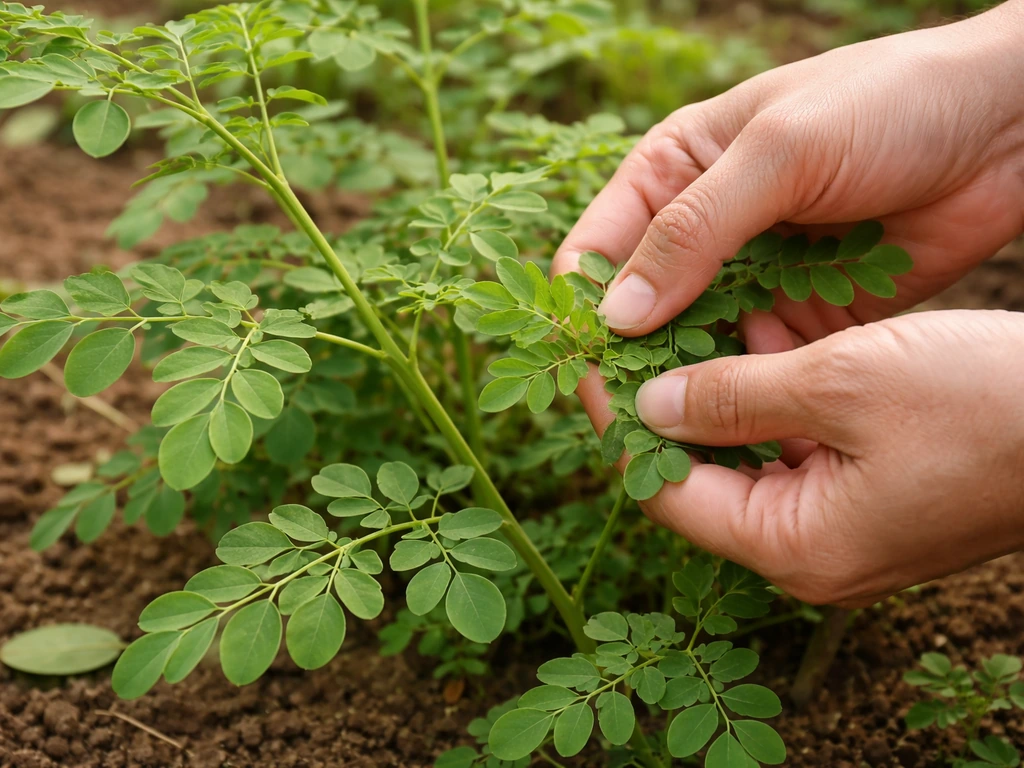
This is where timelines vary most, because it depends heavily on your harvest strategy. If you're growing for leaves and you're willing to harvest from young plants, you can start cutting at around 60 days (roughly 2 months) after seeding. At that stage, the plant isn't massive, but it has enough leafy growth for a meaningful harvest, and you can then harvest multiple times throughout the year using that approach.
A more conservative approach, which works well in home gardens aiming for sustained yield, is to wait until the plant reaches about 1 to 2 meters tall. Under good growing conditions, that typically happens around 3 to 4 months after planting. Some guides recommend waiting until the plant hits 1.5 meters, which in some climates means closer to a full year after planting. The right approach for you depends on your climate and whether you're growing in-ground in a warm region or managing a container plant through cooler months.
One harvest method that maximizes ongoing production involves pruning trees back to about 1 meter at each harvest, which stimulates dense new leaf growth and keeps the foliage within easy reach. In intensive leaf-production systems, growers using this kind of cutback approach can achieve harvesting intervals of around 33 to 40 days, with some tropical settings allowing up to 9 harvests per year. In a study on spacing and harvest frequency for moringa, successive harvest intervals were discussed as ranging in the mid-30s days and leaf yield responses over time were evaluated harvesting intervals of around 33 to 40 days.
Full plant maturity: what to expect in year one and beyond
Moringa grows remarkably fast once established, but "full maturity" depends on what you're growing it for. For leaf harvests, a plant can reach a fully productive state within 6 to 12 months from seed. For seed pod production, don't expect much from the first year. Fruit pods typically won't be produced in year one, and yields are generally low in the first few years of the plant's life. Leaf and stem harvest timing is a completely different track from reproductive maturity.
The good news is that moringa is a long-lived, productive plant if managed well. Ratoon crops (where you cut back and regrow from the same root system) can be taken for multiple years without any drop in leaf quality, which means once you've invested the time to get through year one, you're set up for a very productive system going forward. This is similar in concept to how some other long-growing seeds like mango seeds require patience in early years before the tree becomes truly productive.
| Growth Stage | Typical Timeline | Notes |
|---|---|---|
| First emergence/sprouting | 7–15 days after sowing | Most seeds up by day 15; stragglers can emerge up to day 32 |
| First true leaves | ~9 days after root emergence | Under warm, consistent conditions |
| Transplant-ready seedling | ~4 weeks after sowing (10–15 cm) | USDA benchmark: 20–30 cm by 6 weeks |
| Plantable size (container) | 2–3 months after sowing (30–50 cm) | Good for in-ground transplanting |
| First leaf harvest (young plant) | ~60 days after seeding | Conservative harvests; plant is still establishing |
| First substantial harvest | 3–4 months after sowing (1–2 m tall) | Farmers' common benchmark for first cutback |
| Full leaf productivity | 6–12 months from seed | Varies by climate, management, and planting method |
| Seed/pod production | Often year 2 or later | Low yield in first year is normal |
What speeds up or slows down moringa growth
Temperature
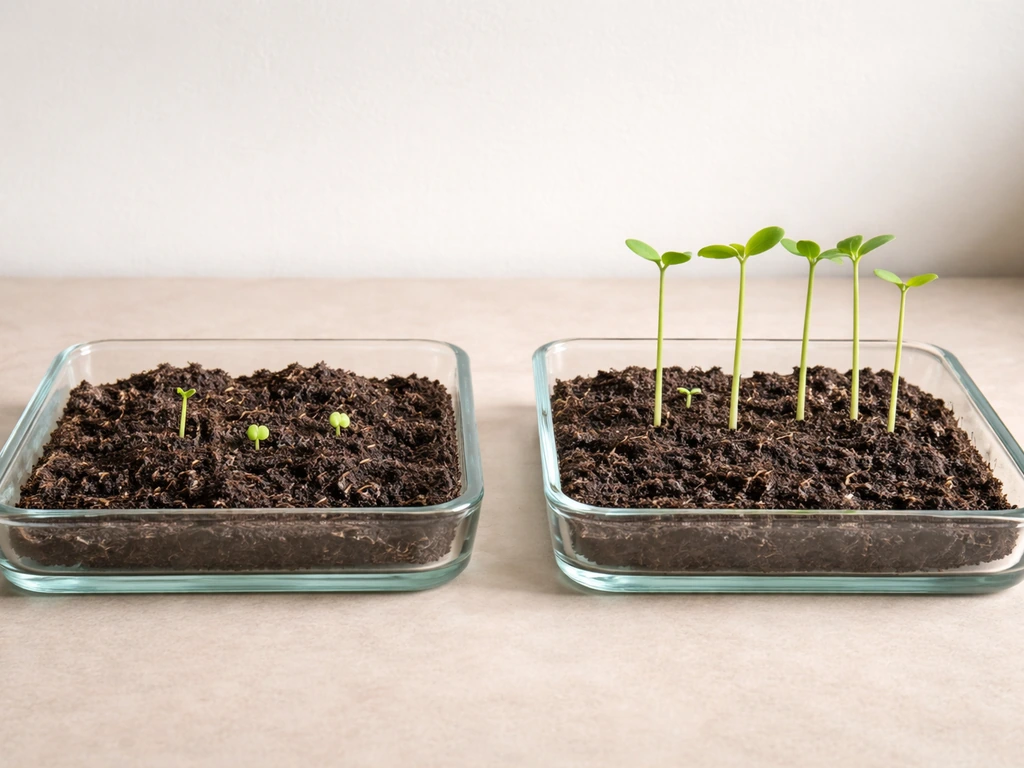
Temperature is the single biggest lever you have over moringa germination speed. The optimal range for moringa oleifera germination is 25 to 35°C (roughly 77 to 95°F). Below that range, germination slows significantly and can fail altogether in cold soil. If you're starting seeds in spring in a temperate climate, soil temperature matters more than air temperature. A seed-starting heat mat is genuinely worth it here. Keep the germination environment in that 25 to 35°C window for up to 10 days and you'll get the fastest, most consistent sprouting.
Seed soaking and pre-treatment
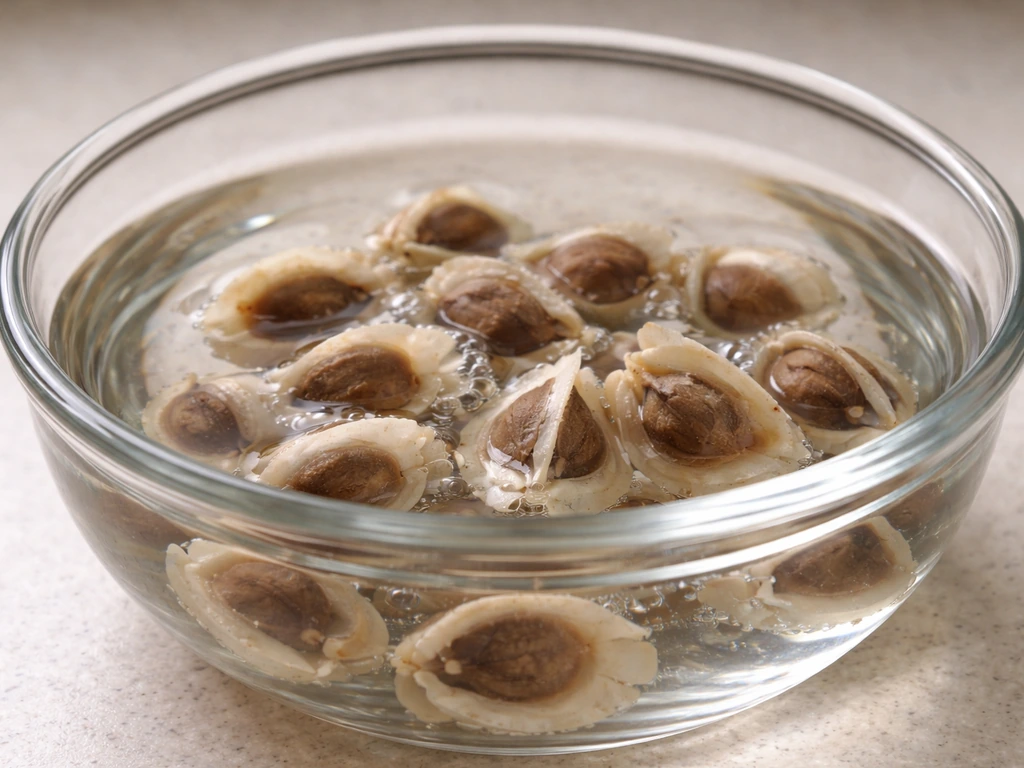
Soaking moringa seeds before planting is one of the most reliable ways to cut germination time. The hard outer seed coat (testa) can slow water uptake, which delays sprouting. Research comparing pre-seed treatments found that alternate wetting and drying produced the fastest mean germination time of 8.44 days and the highest final germination percentage of 89%. A simple overnight soak in warm water before planting is a practical version of this principle that most home growers can do without any special equipment. It softens the testa and gives the seed a head start.
Planting depth
Plant moringa seeds 1 to 2 cm deep. That recommendation shows up consistently across both ECHO's technical notes and the AVRDC home garden crop guide, and it's worth taking seriously. Too shallow and seeds dry out or get disturbed; too deep and seedlings struggle to push through. Stick to that 1 to 2 cm window, cover lightly with fine soil or a seed-starting mix, and you'll see more consistent emergence.
Light and substrate
Light exposure, relative humidity, oxygen access, and substrate choice all affect how well moringa germinates. Seeds need good air circulation around the root zone and a well-draining substrate, not dense garden soil. Dense or compacted soil reduces oxygen availability to germinating seeds and slows the process. A light, well-draining seed-starting mix works much better than pulling soil straight from the garden bed, especially if that soil is heavy with clay.
Watering
Consistent moisture matters, but overwatering is a genuine threat at the seedling stage. Damping off, a fungal condition that collapses seedling stems at the soil line, is directly linked to overwatering and warm, wet conditions around seedling trays. UMN Extension explains damping off can be caused by overwatering and warm, wet conditions and recommends using clean practices and appropriate watering conditions to help prevent it damping off is directly linked to overwatering and warm, wet conditions. Water when the top of the soil starts to dry out, not on a fixed schedule. Good drainage is non-negotiable. This is especially important if you're starting seeds in shared trays, where damping-off fungi can spread quickly from one seedling to others through irrigation water.
Pests and other physical threats
Once moringa moves from seedling to young tree, termite damage becomes a real concern in some regions. The USDA Forest Service notes moringa's susceptibility to termite attack, and a significant termite infestation can stall or reverse growth gains you've worked months to achieve. If you're growing in-ground in a warm, termite-active area, it's worth checking the root zone occasionally, especially in the first year.
Planning by season and troubleshooting slow growth
Seasonal planning by climate
Moringa is a tropical and subtropical plant, fully hardy in USDA zones 9 and warmer. If you're in a frost-free zone, you can grow it as a true perennial and plant almost any time the soil is warm. If you're in a cooler region (zones 8 and below), treat moringa as an annual or grow it in containers that you bring indoors before frost. For outdoor planting in colder zones, start seeds indoors 6 to 8 weeks before your last frost date, then transplant after all frost risk has passed. Timing your transplant right is critical because even a light frost can set the plant back significantly or kill it outright.
This kind of seasonal timeline planning is similar to what growers deal with for other slow-to-mature plants. If you've ever wondered how long peyote takes to grow from seed, you'll know the feeling of working with plants that demand patience and precise seasonal management to make any real progress.
Troubleshooting: when moringa is growing slowly
If your moringa seeds haven't sprouted after 15 days, don't panic immediately. Some seeds can continue emerging up to 32 days after sowing, especially in conditions that are slightly cooler or drier than optimal. Here's what to check first:
- Soil temperature: Is it consistently 25–35°C at the seed level? Cold soil is the most common cause of delayed or failed germination. A cheap soil thermometer pays for itself fast.
- Moisture: Is the soil staying damp but not waterlogged? Dry soil stalls germination; wet soil invites rot and damping off.
- Seed depth: Dig up one seed and check. If it's deeper than 2 cm, it's working too hard to push through.
- Seed quality: Old moringa seeds lose viability quickly. Seeds older than one year may have significantly lower germination rates. If your seeds look shriveled or smell off, that's likely the problem.
- Pre-treatment: If you planted without soaking, consider doing a second sowing with an overnight soak first. It genuinely makes a difference.
- Substrate: Heavy garden soil in trays can suffocate germinating seeds. If you're seeing zero action after 3 weeks, switch to a light seed-starting mix for your next attempt.
If your seedlings are up but growing slowly, the fix is almost always warmth and light. Moringa needs full sun and heat to push rapid growth. A leggy, pale seedling that's barely moving is usually telling you it needs more light or warmer temperatures, not more water or fertilizer.
Moringa's growth arc is genuinely impressive once conditions are right. It's one of those plants that rewards getting the setup correct at the beginning, and then largely takes care of itself. If you're interested in how other seeds with comparable tropical or slow-germinating profiles behave, it's worth comparing to plants like sesame, which also performs best in warm soil and shares some of moringa's sensitivity to cool, wet conditions early on.
What "normal" looks like across different setups
It helps to anchor your expectations to your specific setup. A grower in a tropical climate with consistently warm soil, full sun, and well-draining soil will see germination in 7 to 10 days, fast seedling establishment, and harvestable leaves within 60 to 90 days. A grower in a temperate zone starting seeds indoors in late winter might see germination in 10 to 15 days, slower outdoor establishment after transplanting, and first meaningful harvests 4 to 6 months after sowing. Both of those timelines are completely normal. The difference isn't about doing something wrong; it's about climate and season.
Moringa's variability in growth speed is one reason it's worth understanding the full timeline before you start. If you're trying to grow other seeds alongside moringa and want a point of comparison, how long it takes a mustard seed to grow offers a useful contrast since mustard is one of the fastest-maturing crops you can grow, while moringa rewards a longer-term investment. Similarly, if you're planning a diverse garden, knowing how big a mustard seed can grow helps illustrate how dramatically plants can differ in their eventual size and output relative to their seed starting point, which moringa certainly demonstrates on an impressive scale.
The bottom line: get the temperature right, soak your seeds, plant at 1 to 2 cm depth, and give moringa full sun and well-draining soil. Do those things and you're looking at sprouts in under two weeks, transplant-ready seedlings in about a month, first leaf harvests in 60 days, and a genuinely productive plant by month 3 to 6. That's a very fast return for a tree. For growers who want to think even bigger picture, understanding how something like centipede grass seed establishes over time is a reminder that plants vary enormously in how patient you need to be. Moringa sits comfortably in the "worth the wait" category, and for most growers in warm climates, you won't be waiting long at all.
FAQ
If moringa germinates slowly, is it better to replant or wait for the full emergence window?
Wait at least until day 32 before assuming failure. Germination can be staggered, especially when soil is a bit cooler or the seed lot is uneven. If nothing emerges by day 32 and conditions were warm and moist (not soggy), then re-sow in a fresh tray with improved drainage.
What soil temperature should I target for the fastest, most consistent sprouting?
Aim for 25 to 35°C (77 to 95°F) at seed depth, since soil temperature drives germination more than air temperature. If you are starting in a temperate season, measure soil temperature with a simple probe, and consider a heat mat to keep the root zone consistently warm.
Does soaking moringa seeds always speed germination, and how long should I soak?
Soaking often improves germination by softening the hard seed coat, but avoid soaking too long or keeping seeds wet in stagnant conditions. A practical approach is an overnight soak in warm water, then plant right away using a well-draining mix.
How deep should moringa seeds be planted for best results?
Planting depth should be about 1 to 2 cm. If your soil is heavy or tends to crust, lean toward the shallower end (closer to 1 cm) and cover lightly with fine, loose seed-starting mix to prevent compaction.
Why are my moringa seedlings leggy or pale, and what should I change first?
Leggy, pale growth usually points to insufficient light and warmth, not a fertilizer problem. Move seedlings to full sun as soon as they can handle it, or use a strong grow light, and keep temperatures in the warm range to encourage sturdy growth.
Can I water on a fixed schedule, or should I adjust watering based on the tray?
Adjust based on the top layer of soil. Water when the surface starts to dry slightly, rather than following a calendar, because damping off is linked to consistently warm, wet conditions. Ensure trays have drainage holes and avoid standing water in saucers.
What substrate is best for moringa germination in containers or seed trays?
Use a light, airy, well-draining seed-starting mix rather than garden soil. Dense media reduces oxygen around the seed, which can slow emergence even if moisture is correct. If you reuse old potting mix, consider refreshing it with coarse material for drainage.
When I should transplant moringa, is there a minimum size or age?
A practical benchmark is when seedlings reach about 10 to 15 cm, which often occurs around 4 weeks from sowing under good warmth and light. Transplant earlier than that only if the roots are quickly filling the container, otherwise transplanting too small can increase stress.
How can I tell if my moringa seedlings are failing due to overwatering versus underwatering?
Overwatering often shows early collapse at the soil line (damping off) and consistently wet, heavy media. Underwatering usually causes slower growth with soil that feels dry and crusted, but seedlings typically do not collapse suddenly. If you suspect damping off, reduce moisture, improve airflow, and avoid rewatering until the surface dries.
Do termites affect moringa seedlings, and what should I do in high-risk areas?
Yes, termite damage can slow or reverse growth, especially in-ground in termite-active regions and often during the first year. Check the root zone periodically, keep mulch away from direct contact with stems, and monitor for early wilting or dieback that is not explained by watering.
Will moringa grow year-round in containers, or should I pause growth in cool months?
In cooler regions, growth often slows sharply when temperatures drop. For container plants, bring them indoors before frost and keep them in a bright location. If indoor light is weak, growth may stall and seedlings can become stretched, so prioritize strong light to maintain a compact form.
When can I realistically expect my first leaf harvest if I want frequent cuttings?
For leaf production, a first meaningful harvest is often around 60 days, then you can repeat with regular pruning. For more frequent intervals (for example, roughly monthly in intensive systems), you need consistent warmth, full sun, and a pruning height strategy that keeps regrowth within easy reach.
If I’m growing moringa for seed pods, does the timeline change compared with leaves?
Yes. Seed pod production is not a reliable first-year goal, yields are generally low early on, and reproductive maturity typically lags leaf productivity. Plan leaf or stem harvests for the first year, then evaluate flowering and pod set only after the plant is well established.
What is the best way to avoid setback after transplanting?
Transplant after the risk of frost has passed and when the plant already has adequate warmth and light. Harden off gradually if you are moving from indoors to outdoors, and water in thoroughly at transplant, then resume watering based on the surface drying (not a fixed schedule).
Next Article
How Long Does It Take a Mustard Seed to Grow? Timeline
Mustard seed growth timeline: germination, seedling establishment, and harvest readiness in days plus troubleshooting ti