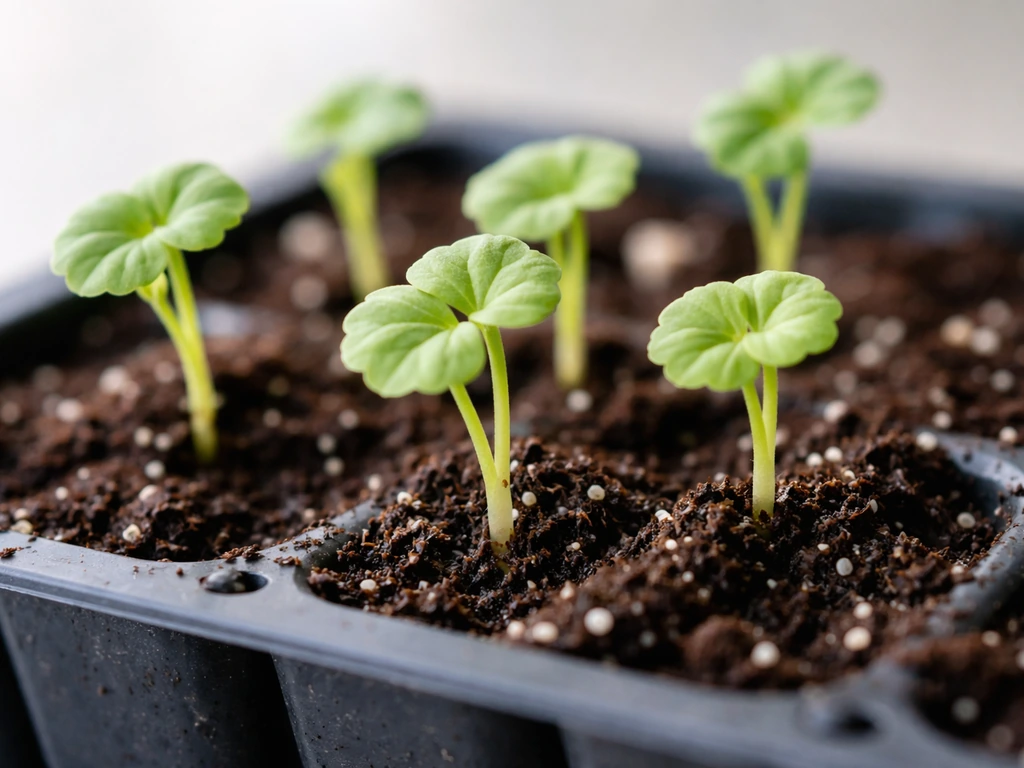
From seed to first bloom, begonias take roughly 4 to 6 months, depending on the type and your growing conditions. That sounds like a long time, but most of it is quiet and hands-off once you get the seeds germinated. Germination itself happens in 7 to 21 days at the right temperature, seedlings are ready to transplant in 6 to 10 weeks from sowing, and then it's another 6 to 12 weeks in the ground before flowers appear. The range is wide because fibrous (wax) begonias and tuberous begonias move at different speeds, and temperature and light play a huge role in where your timeline lands. UMass Amherst Extension’s plant identification notes that tuberous-rooted begonias (Begonia tuberhybrida group) have distinct identification and growth characteristics compared with other begonia types, which helps you plan timelines more accurately fibrous (wax) begonias and tuberous begonias move at different speeds.
How Long Does It Take to Grow Begonias from Seed?
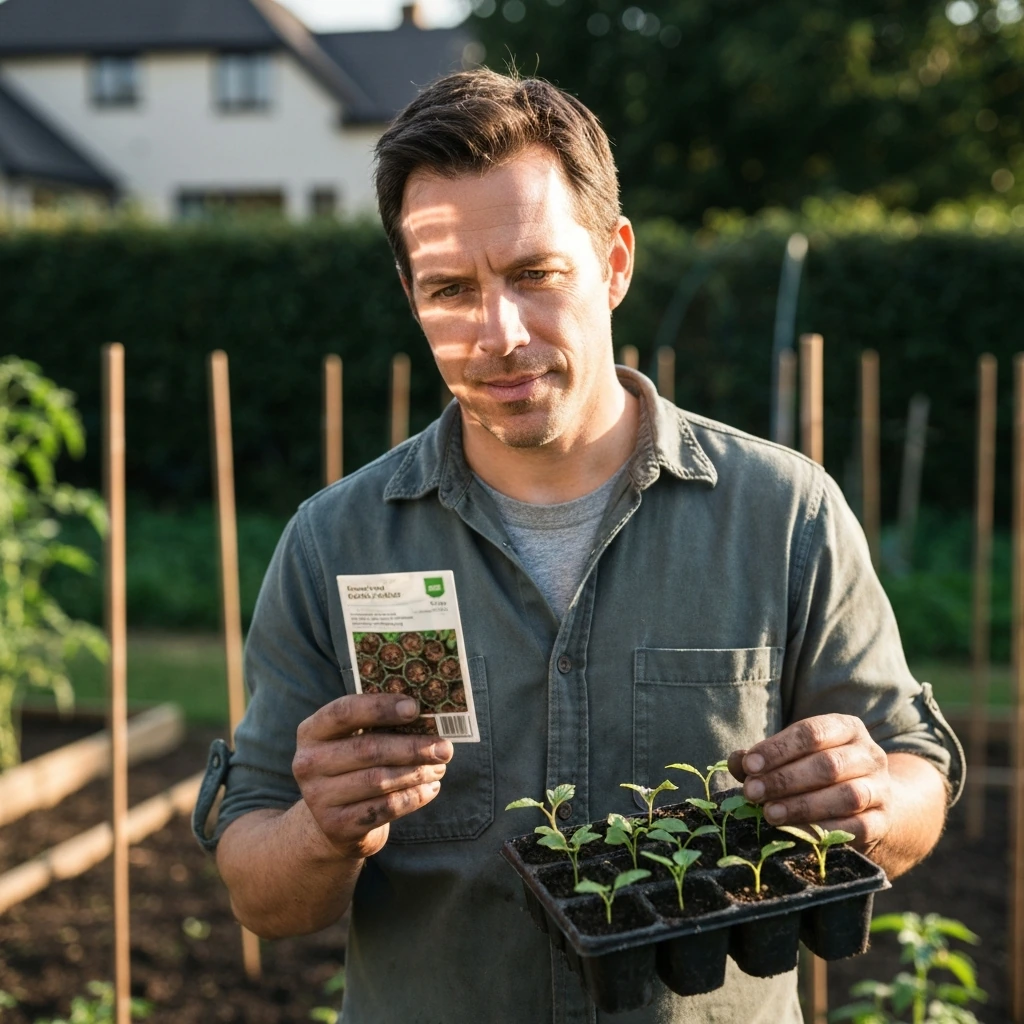
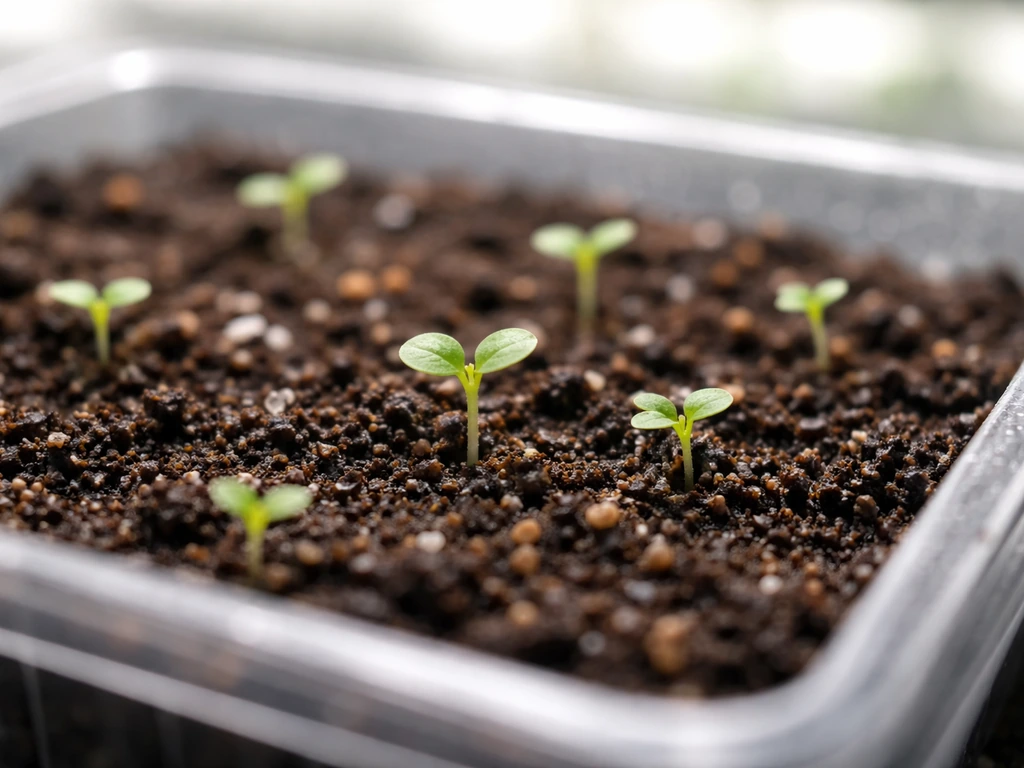
Realistic begonia timelines: seed to flower
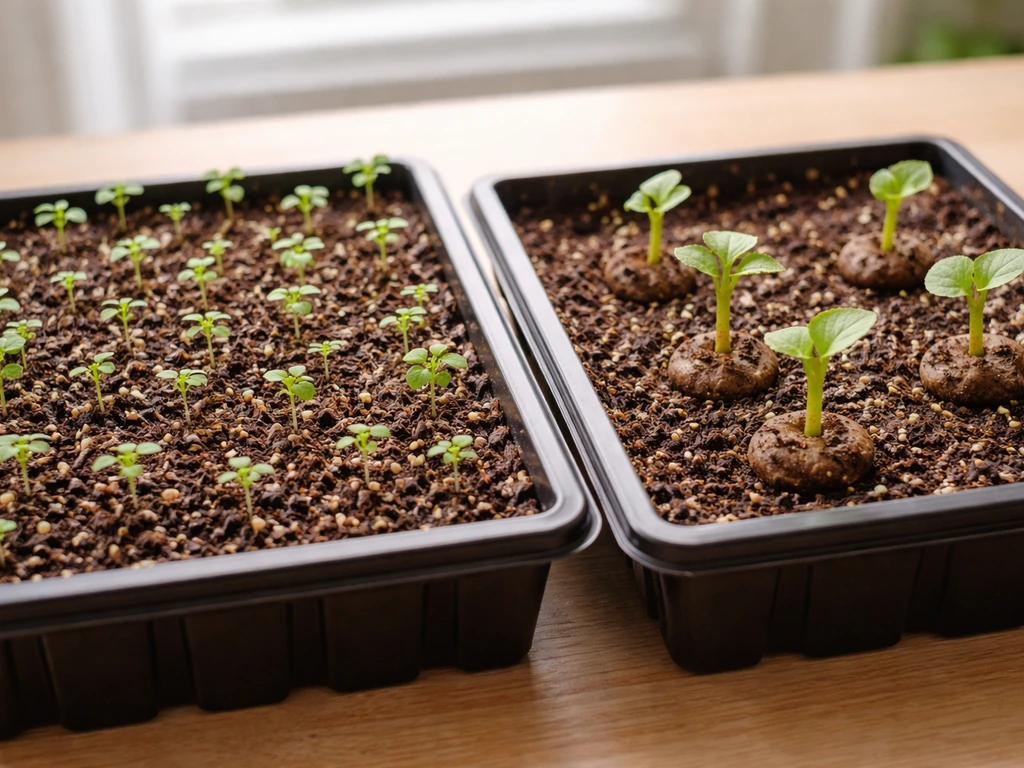
There are two main types home growers start from seed: fibrous begonias (like the classic wax begonia, Begonia semperflorens) and tuberous begonias. Both need light to germinate, both are tiny-seeded and slow starters, but their full timelines differ enough that it's worth knowing which one you're growing before you plan your season.
| Stage | Fibrous/Wax Begonias | Tuberous Begonias |
|---|---|---|
| Germination (days from sow) | 7–14 days (can stretch to 21) | 10–21 days (shorter if temp is held at 70°F+) |
| Sow to transplant-ready seedling | 41–56 days (~6–8 weeks) | 49–73 days (~7–10 weeks) |
| Transplant to first bloom (spring start) | 6–8 weeks after transplant | 10–12 weeks after transplant |
| Total: seed to flower | Roughly 14–18 weeks (3.5–4.5 months) | Roughly 17–25 weeks (4–6 months) |
| When to start indoors | 10–12 weeks before last frost | December or January for summer bloom |
Tuberous begonias are the slower of the two. If you want them blooming outdoors in summer, you genuinely need to start seeds in December or January. One Reddit thread about starting tuberous begonias from seed echoes this kind of timing pressure, with people debating whether it is already too late and sharing their indoor-start schedules start seeds in December or January. That's not an exaggeration. I've tried starting tuberous begonia seeds in March and ended up with plants that were still just leafy stubs when summer ended. Fibrous wax begonias are more forgiving and can be started 10 to 12 weeks before your last frost date and still hit their stride in time for summer beds and containers.
What actually changes how long germination takes
Temperature is the single biggest variable. For fibrous begonias, the sweet spot for germination is 72 to 76°F (22 to 24°C). Commercial growers, including Benary's technical protocols, hold this range during the first 11 days specifically because dropping below it noticeably slows things down. At a steady 70°F, tuberous begonia seeds typically germinate in about 10 days. Drop below that and you can wait three weeks or more for any sign of life. If your setup gets cold at night, germination will creep.
Light is equally non-negotiable. Begonia seeds need light to germinate, which means you must not cover them with soil or vermiculite. The Iowa State Extension germination requirements table also lists wax begonia (Begonia x semperflorens-cultorum) as needing light to germinate, with expected germination in about 14 days at 70, 75°F Begonia seeds need light to germinate. If you bury them even a little, they won't sprout. Once the seeds are scattered on the surface, they need consistent light. Iowa State Extension recommends positioning grow lights 4 to 6 inches above the seedlings and running them 12 to 14 hours a day. Commercial schedules push 14 to 16 hours during early production. If you're relying on a windowsill with weak spring light, germination will be patchy and slow.
Moisture management is the third factor, and it's a balancing act. The surface of the germination medium must stay consistently moist because the seeds are sitting right on top of it with no soil protection. If it dries out even briefly, germination stalls. But keeping it too wet invites algae and damping-off. The approach that works best is to bottom-water your tray and mist the surface lightly if it starts to dry. Avoid blasting the surface with a watering can since those dust-like seeds go everywhere.
How to set up your sowing station to hit the timeline
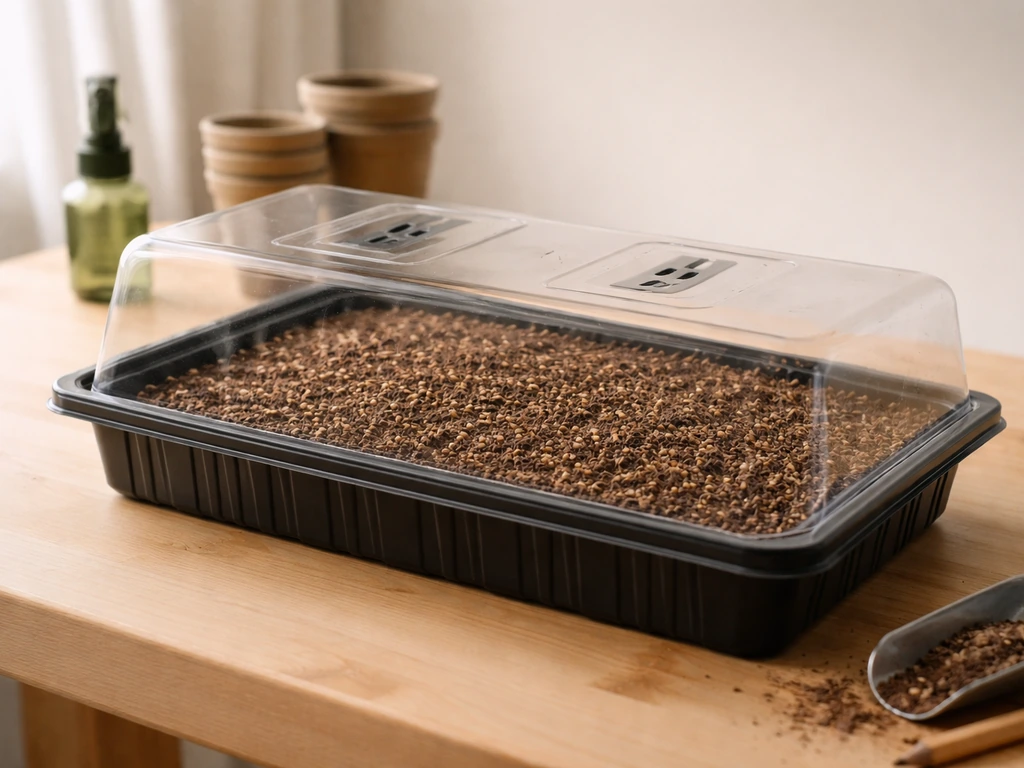
Getting the setup right from day one is how you hit the shorter end of those germination and seedling windows. Here's what to do:
- Fill a shallow seed tray or cell pack with a fine, sterile, soilless seed-starting mix. You want something that holds moisture but drains well. Peat-based mixes work well; compress lightly so the surface is even.
- Pre-moisten the mix thoroughly before you sow. It should feel like a wrung-out sponge: damp throughout but not dripping.
- Scatter the seeds (or pelleted seeds) directly on the surface. Don't cover them. Press them very lightly to ensure contact with the mix, but don't push them in.
- Place the tray under grow lights positioned 4 to 6 inches above the surface. Set the timer for 14 hours on, 10 hours off.
- Cover the tray loosely with a clear plastic dome or plastic wrap to hold humidity. This keeps the surface from drying out while still letting light through.
- Keep the germination area at 72 to 76°F consistently. A heat mat set to the low end of that range works well. Check soil temperature, not just room temperature.
- Check daily. Mist the surface if it looks dry. Remove the dome once you see the first sprouts to reduce damping-off risk.
- After germination (around day 21 to 22), you can increase light intensity to support seedling development as the plants shift from germination to active growth.
One thing worth knowing: begonia seeds are incredibly fine, almost like dust. The easiest way to sow them evenly is to mix them with a small amount of dry sand first and then scatter the mixture across the tray. Commercial growers often use pelleted seed, which makes handling much easier and is worth paying for if you can find it.
Seeds vs. tubers: which one is faster?
A lot of people searching for how long begonias take to grow are actually thinking about tuberous begonias, and they've seen bags of what get called 'begonia bulbs' at garden centers (they're actually tubers, not true bulbs, but the name gets used interchangeably). Starting from tubers instead of seed is a genuinely different proposition and gets you to flowering significantly faster.
| Starting Method | Time to First Bloom | When to Start | Notes |
|---|---|---|---|
| Seed (fibrous/wax) | 14–18 weeks from sow | 10–12 weeks before last frost | Longest path; most variety selection |
| Seed (tuberous) | 17–25 weeks from sow | December or January | Very slow; requires long indoor start |
| Tuber (tuberous begonia) | 8–12 weeks from potting | 6–8 weeks before last frost | Much faster; skip germination entirely |
| Rooted cutting/plug | 6–10 weeks from pot-up | 4–6 weeks before last frost | Fastest option; skips all early stages |
If you want tuberous begonias blooming by July and you're in a zone 5 or 6 climate, starting from a tuber in March will get you there comfortably. Starting from seed the same month will likely leave you disappointed. Seed-starting tuberous begonias is really a project for patient growers who want specific varieties, are working at a commercial scale, or enjoy the process. For most home gardeners wanting flowers by summer, tubers are the smarter choice for that type.
What your calendar should look like by scenario
These dates are based on a last frost date around May 15, which is common for USDA zones 5 to 6 (think much of the Midwest and Mid-Atlantic). Adjust forward or back by the number of weeks your last frost differs from that date.
Fibrous/wax begonias from seed, indoor start
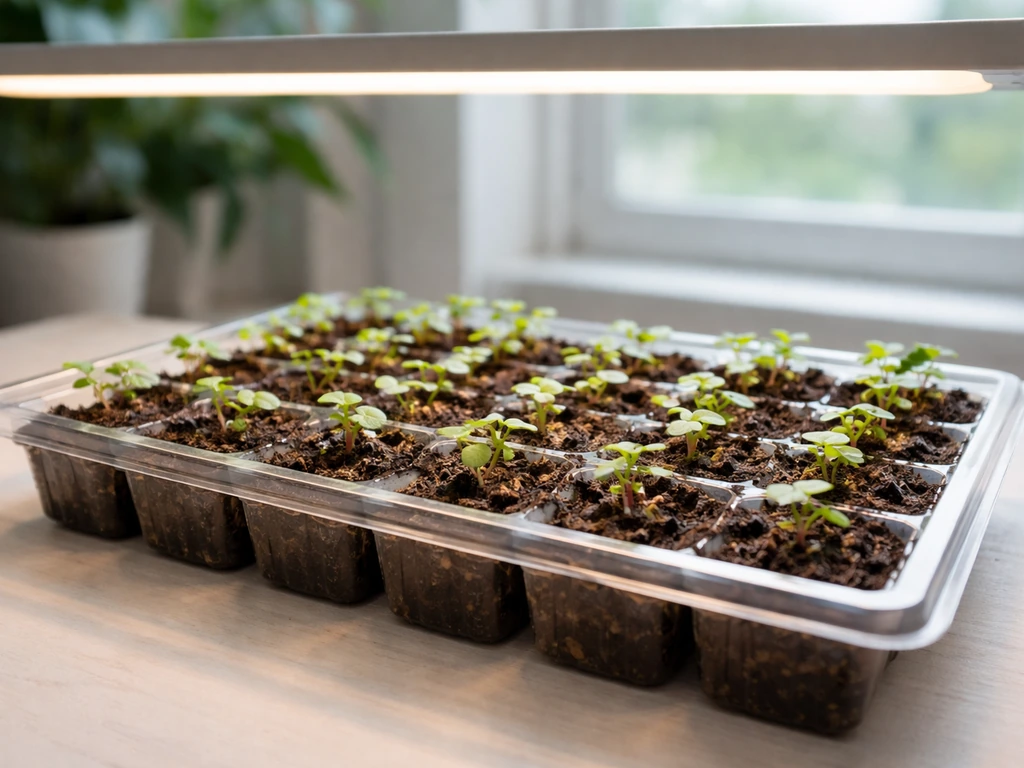
- Sow indoors: late February to early March (10–12 weeks before last frost)
- Germination expected: mid-March (7–14 days after sowing)
- Transplant-ready seedlings: mid-April to early May (6–8 weeks from sowing)
- Harden off outdoors: early to mid-May for 7–10 days before planting
- Transplant outside: after last frost, around May 15
- First blooms: late June to early July (6–8 weeks after transplant)
Tuberous begonias from seed, indoor start
- Sow indoors: December or January
- Germination expected: 10–21 days after sowing
- Transplant-ready seedlings: 7–10 weeks from sowing (February to March)
- Continue growing under lights indoors through March and April
- Harden off: early May for 7–10 days
- Transplant outside: after last frost, May 15
- First blooms: late July to August (10–12 weeks after transplant)
Tuberous begonias from tubers, indoor start
- Pot tubers indoors: late March to early April (6–8 weeks before last frost)
- Shoots emerge: 2–3 weeks after potting in warm conditions
- Harden off: early to mid-May
- Transplant outside: after last frost
- First blooms: late June to July (8–12 weeks from potting)
When seeds won't germinate or growth has stalled
Begonia seeds are unforgiving about conditions, so if two weeks pass with nothing happening, something is off. Here's how to diagnose it:
- Seeds were covered with soil: this is the most common reason for total failure. Begonia seeds need light to germinate. If they're buried even lightly under media, they won't sprout. Start over on the surface.
- Temperature is too low: if your germination area is below 70°F, especially at night, germination can take three weeks or not happen at all. Check with a soil thermometer, not just a room thermometer. A heat mat helps enormously.
- Surface dried out: if the top of your mix dried even once, it can kill seeds that had already begun to germinate. Re-wet by misting gently, but the seeds that dried mid-germination usually don't recover. Keep a humidity dome on until sprouts appear.
- Seed is too old: begonia seeds don't store well. Old seed has dramatically lower germination rates. If you're using seed from a previous season that wasn't stored in a cool, dry, airtight container, expect poor results.
- Not enough light: dim light during germination slows sprouting and leads to uneven, weak results. Grow lights at 4 to 6 inches, run 12 to 14 hours daily, makes a real difference.
- Algae or damping-off: a green slime on the surface signals algae from too much moisture and too much light, which sounds contradictory but both can happen at once. Damping-off (seedlings collapsing at the base) usually means the mix was too wet, too cool, or contaminated. Use sterile seed-starting mix, clean containers, and avoid overwatering. There's no fixing damping-off after it starts; prevent it by keeping conditions clean and not waterlogged.
How to know when seedlings are ready to move and when to expect blooms
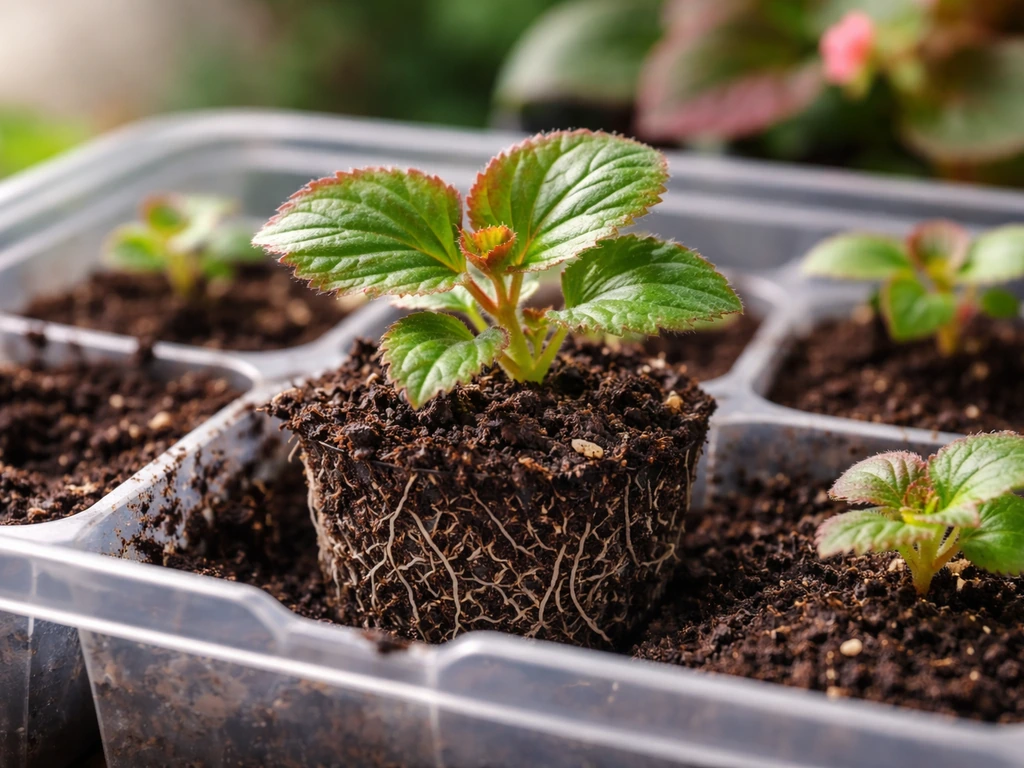
A begonia seedling is ready to transplant from its germination tray when it has at least two to four true leaves (not just the initial seed leaves), a visible root system that holds the plug together when you pop it out, and a sturdy little stem that doesn't look translucent or leggy. If seedlings are stretching toward the light and looking pale, bring the grow light closer and give them another week before moving them.
Before moving seedlings outside, harden them off for 7 to 10 days. Start by setting them outside in a sheltered, shaded spot for a couple of hours, then bring them back in. Gradually increase outdoor time and sun exposure over the week and a half. Skipping this step leads to leaf scorch and setback that costs you two weeks of growth anyway.
Once transplanted into their final spot, fibrous begonias typically start blooming in 6 to 8 weeks, which puts them in flower about 14 to 18 weeks from seed sowing total. Tuberous begonias planted out in spring take 10 to 12 weeks to bloom in a standard spring planting window, or 8 to 10 weeks when planted out in summer for hanging basket use. You'll know blooms are coming when you see the first flower buds forming at the growing tips, usually when the plant has filled out with dense foliage and looks genuinely established rather than newly planted.
If you enjoy planning out these indoor sowing schedules, the same approach applies across other popular annuals. Peony seeds can take a lot longer than begonias, often requiring months of cold stratification before they sprout how long does it take to grow peonies from seed. Petunias, impatiens, and geraniums all follow a similar sow-early-indoors pattern, though their germination speeds and total times to bloom differ from begonias. Geranium plug plants generally take several weeks from planting to establish and start showing consistent growth, but the exact timeline depends on temperature and light geranium plugs. If you want, check out how long does it take to grow geraniums from seed so you can plan your sowing date. Impatiens are another example of a sow-early-indoors annual, so the timeline from seed to bloom is usually shorter than you might expect once they germinate. Petunias also tend to follow a sow-early-indoors timeline, and the key question is how long they take from seed to first flowers Petunias, impatiens, and geraniums all follow a similar sow-early-indoors pattern. Pansies and poppies have their own unique timing quirks worth knowing if you're building out a mixed cutting or bedding garden. Pansies typically take several weeks to get going from seed and then a bit longer to reach their first blooms how long do pansies take to grow from seed.
FAQ
Begonia seeds took longer than expected, how do I troubleshoot when they fail to germinate?
If nothing has sprouted by about 3 to 4 weeks after sowing, assume the conditions are off. The most common causes are temperature too cool, seeds accidentally covered (even a thin dusting), or the surface drying out too long. Check temperature first, confirm the seeds are still on the surface, then resume steady moisture using bottom-watering so the top does not swing dry.
Do I count the weeks from sowing date or from when germination starts to estimate bloom time?
Start counting your timeline from the day you sow, but use germination as the real “day zero” for later steps. Since germination can range from roughly 7 to 21 days, a delay there pushes everything else back by the same amount, even if transplanting goes normally. In other words, if germination starts 10 days later than planned, expect first bloom to arrive about 10 days later too, plus or minus a couple of weeks depending on light and temperature after transplant.
How much do nighttime temperature swings affect how long it takes begonias to reach flowers?
Wax (fibrous) begonias usually tolerate typical home indoor temperatures better than tuberous types, but both are still sensitive to cold nights. Keep the growing area consistently warm, and if you use a window, avoid letting trays sit against cold glass. A simple workaround is to place trays on a shelf with a fan for gentle air movement and keep them away from drafty spots.
Can I transplant begonias earlier to speed up flowering, and what are the risks?
You can transplant once seedlings have true leaves and visible roots that hold the plug together, but pushing transplanting too early can add setback time. If you move plants before they develop a sturdy, non-leggy stem, they may pause for 1 to 2 weeks. If in doubt, wait an extra week, and only harden off when nights are reliably warm for your area.
What light problems most often cause delays after the seeds have germinated?
Begonia seedlings often look pale or stretched when light is insufficient, and that can cost you time even if germination was on schedule. Raise light intensity or bring grow lights closer when you see legginess, and keep a long daily photoperiod (around 12 to 16 hours). If seedlings are reaching but not thickening, they need more light before potting up.
Does soil or pot size after transplanting change the time to first bloom?
Yes, container size and potting mix can change the “last leg” of the schedule. If plants are pot-bound or sitting in a mix that stays too wet, they can stall and flower later than expected. Use a light, well-draining starting mix, pot up gradually, and avoid soaking the medium after planting, since damping-off or slowed root growth will delay blooming.
How do late frosts or cool spring weather affect how long begonias take to bloom?
For fibrous begonias, cold stress after planting outdoors can delay bud formation more than a lot of people expect. If nights are still chilly, keep them under protection or delay outdoor planting until conditions are stable. For tuberous begonias, the impact is even bigger, since the plants are slower and more dependent on getting a strong start before summer heat begins.
What happens if I skip hardening off begonias before planting outside?
Harden-off is not optional if you want the timeline to stay on track. Skipping it commonly leads to leaf scorch and a growth pause, which can push flowering back by roughly 1 to 2 weeks. A practical rule is to increase outdoor exposure gradually, start in shade, and only move to direct sun when new growth is stable.
If I’m trying to bloom earlier, should I change my sowing date or switch begonias types?
If you want flowers sooner, the biggest lever is choosing tubers instead of seed for tuberous begonias, since they bypass the slow seedling stage. Another lever is selecting a fibrous type if your goal is outdoor summer bedding, since their seed-to-bloom timeline is typically more forgiving. Seed type matters as much as timing.
Does using pelleted begonia seed change the germination timeline or requirements?
Using pelleted seed can make spacing and handling easier, but it does not guarantee faster germination. The capsule still needs the same surface-light exposure and consistent moisture, and pellets can be more likely to fail if the surface dries or if coverage happens during misting. Treat pelleted seed like dust-sized seed, just easier to manage.
How Long Does It Take to Grow Geraniums from Seed
Know how long it takes to grow geraniums from seed: germination, pot-up, transplant size, flowering, and schedule.