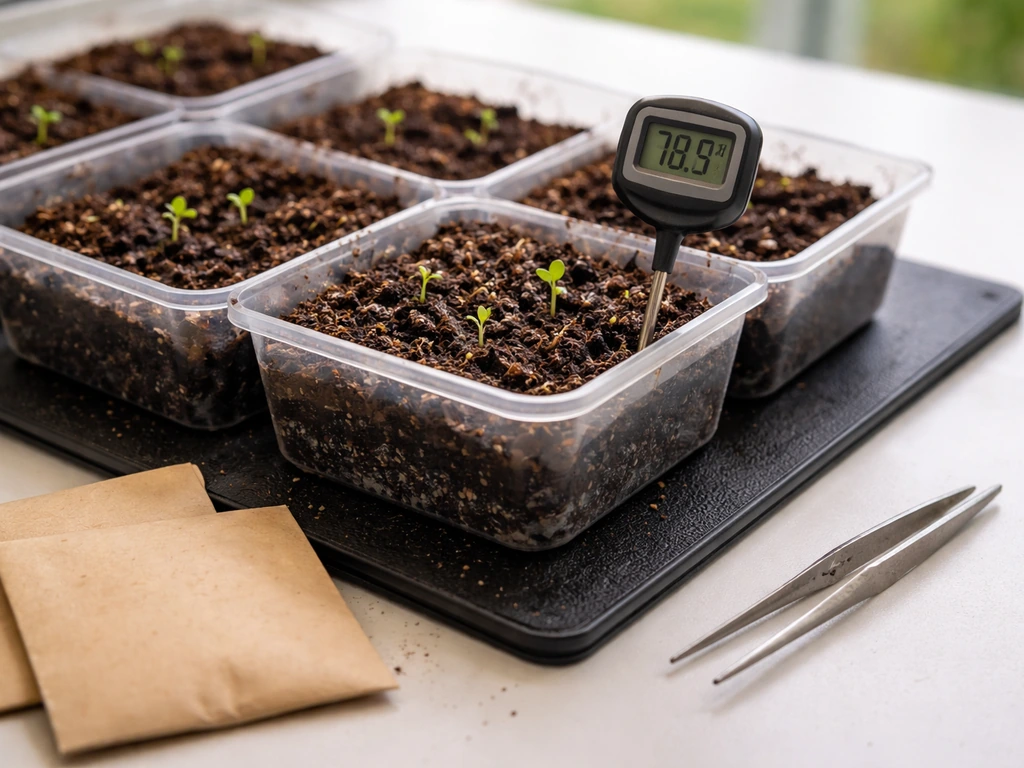
Most seed bombs start germinating within 14 to 28 days under good conditions, and you can expect first blooms somewhere between 6 and 16 weeks after sowing depending on what's in the mix. Inferium seeds can take a similar range, but the exact timing depends on the species and whether the seeds need cold stratification 6 and 16 weeks. That said, seed bombs don't follow one universal schedule. The seed types inside, the season you sow them, how much rain you get, and whether the bomb makes proper contact with the soil all push that window earlier or later. Knowing what's actually in your seed bomb, and matching it to the right conditions, is the single most useful thing you can do before you toss one.
How Long Do Seed Bombs Take to Grow? Timeline and Tips
Marcus Henley
7 May 2026
What affects seed bomb growth time
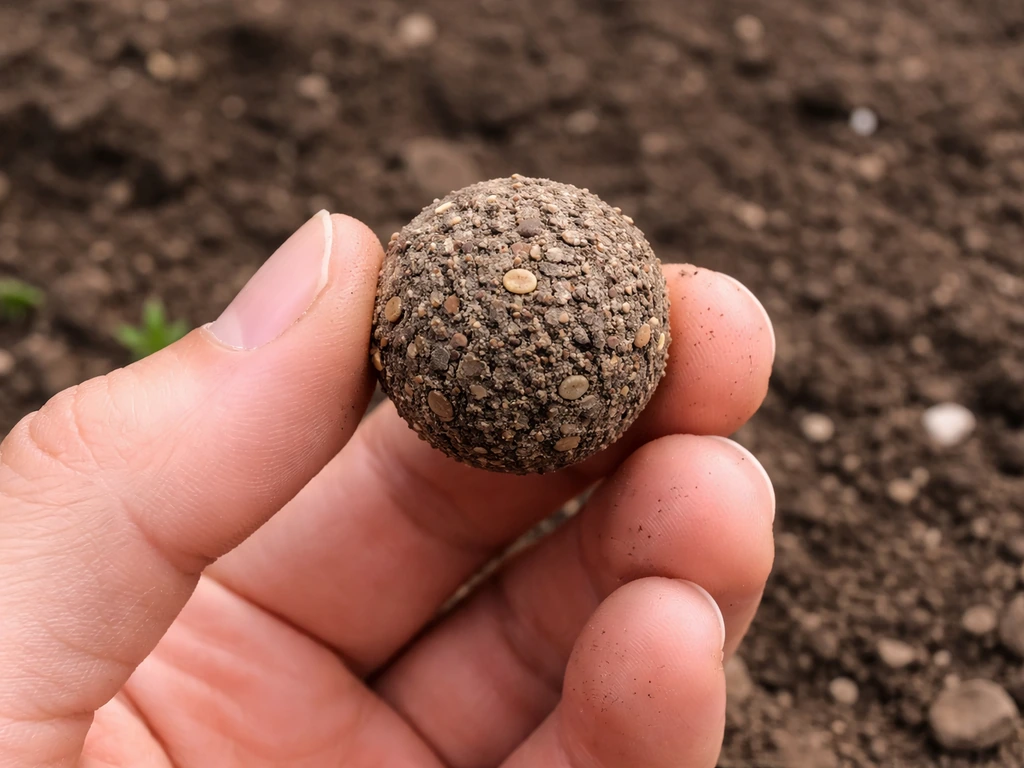
A seed bomb is just a delivery system. The clay and compost shell holds the seeds in place and protects them until moisture arrives, but once you drop it somewhere, every growth variable you'd normally deal with in a garden still applies. Here's what matters most.
- Seed type and mix: A fast-germinating annual wildflower mix behaves completely differently from a native perennial blend that needs cold stratification. Some seeds in a mixed bomb will sprout in two weeks; others from the same bomb might not show until the following spring.
- Bomb composition: A thin, lightly bound bomb breaks down fast and puts seeds into contact with soil quickly. A thick, dense bomb with a lot of clay can take longer to soften, which delays germination. Lower quality binders sometimes prevent full breakdown.
- Moisture: This is the biggest single factor. Seeds need the bomb to stay damp but not waterlogged, and they need that moisture to continue until sprouts appear. Let the bomb dry out during germination and you may lose everything.
- Temperature: Most wildflower and grass seeds want soil temperatures around 50 to 68°F (10 to 20°C) to germinate well. Warm-season grasses need at least 55°F in the soil before they'll move at all.
- Soil contact: Seeds that never reach actual soil struggle to root properly. A bomb sitting on a hard surface, thick mulch, or pavement is fighting an uphill battle from day one.
- Season and local climate: Sowing at the wrong time of year can mean a seed sits dormant for months before conditions trigger germination. That's not failure, but it can feel like it.
Typical germination timelines by seed type
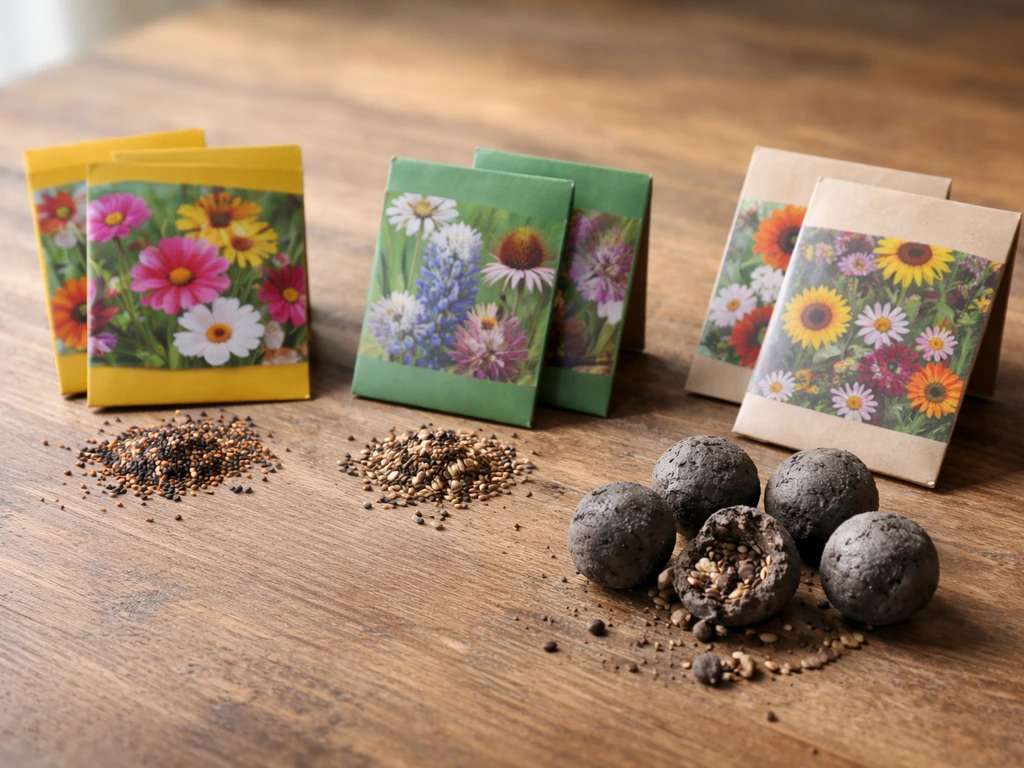
The biggest variable in your seed bomb timeline is what seeds are actually inside it. Most commercial bombs use one of a handful of common seed categories, and each has its own rhythm.
| Seed Type | Germination Window | First Blooms / Establishment | Notes |
|---|---|---|---|
| Annual wildflowers (e.g., poppies, cornflowers, cosmos) | 7–21 days | 6–12 weeks after germination | Fastest and most reliable; great for first-timers |
| Annual/perennial wildflower blends | 14–28 days | 6–16 weeks (annuals bloom first) | Perennials may not bloom until year two or three |
| Native wildflower mixes | 2–6 weeks, sometimes longer | First season for some; year two or later for others | Some species need cold stratification; expect staggered results |
| Pollinator mixes (mixed annuals and natives) | 14–28 days typical | 8–12 weeks for annual species | Native species in the mix can take a full extra season |
| Grasses and groundcover | 14–30 days if soil temp is right | Full cover in 8–16 weeks | Warm-season grasses need soil at 55°F minimum before germinating |
| Herbs (basil, thyme, chamomile) | 7–21 days | 8–12 weeks to usable size | Need consistent warmth; cold snaps can stall germination entirely |
One thing worth knowing: if your bomb contains a mix of species, you'll almost always see staggered germination. The fast-germinators pop up first, and the slower or stratification-requiring seeds follow on their own schedule. This is completely normal. Don't assume a bomb has failed just because only some seeds have sprouted.
When you'll see seedlings vs first blooms
These two milestones are often weeks apart, and it's important not to confuse them. Germination just means the seed cracked open and sent out a root and tiny shoot. That's visible as tiny green specks or thread-like seedlings, usually within 2 to 4 weeks if conditions are right. Rare or species-specific seeds can take longer than typical wildflower bombs, so their germination timing depends heavily on the exact seed type and conditions. First blooms are a different stage entirely.
For a straightforward annual wildflower bomb, you might see germination in 10 to 14 days, seedlings reaching 6 to 8 inches tall around the 4 to 6 week mark, and first flowers opening somewhere between 8 and 12 weeks from sowing. Blossombs, a well-known seed bomb brand, puts their first-bloom window at around 8 weeks after germination, with full flowering another 8 weeks beyond that. That's a practical reference: think 3 to 4 months from sowing to a full floral display. If you are wondering how long does it take for pumpkin seeds to grow, the exact timeline will depend on your temperature and whether the seeds were planted at the right depth.
For native perennial species, the timeline stretches significantly. Research from conservation seed suppliers is honest about this: fewer than 5% of plants within a native species may flower and set seed in their first growing season. Most reach maximum development in year two or later. If your seed bomb contains native perennials alongside annuals, the annuals will put on a show while the perennials spend that first year building root systems underground. That's not wasted effort, but it is a different expectation.
Season and climate: matching seed bombs to the right time
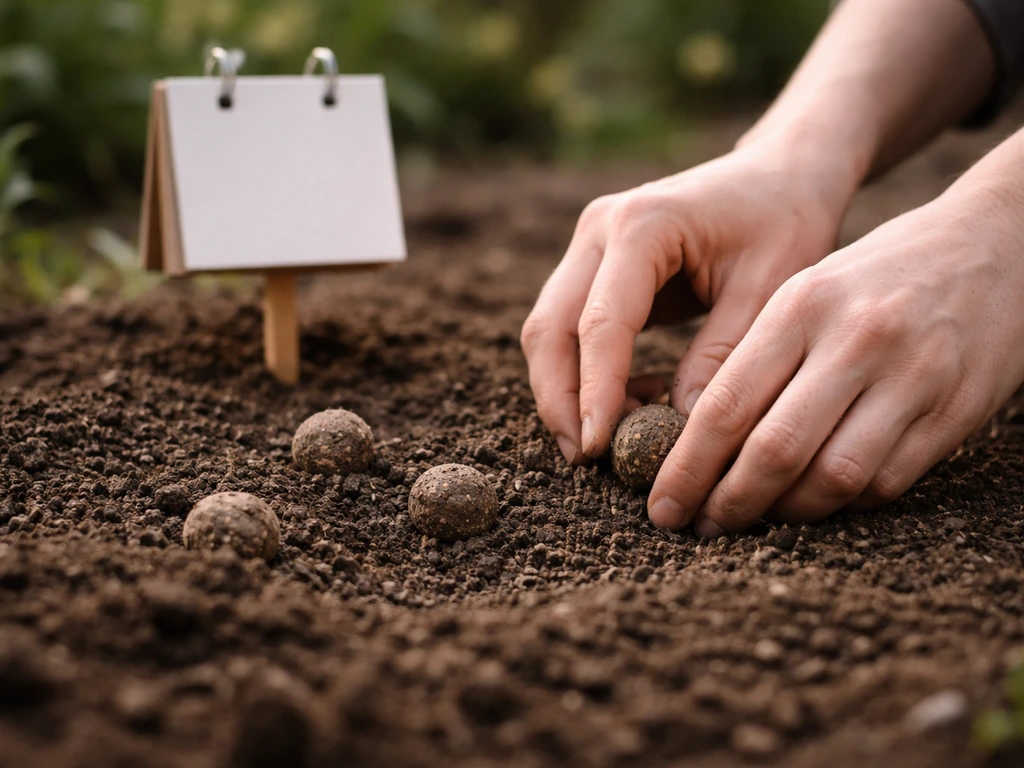
Timing is where most seed bomb disappointments actually start. Sowing too early in spring while the soil is still cold, or too late in summer when the ground bakes dry, sets the seeds up for a long wait or outright failure.
The general rule for most wildflower and herb seed bombs is to sow after your last frost date when soil temperatures are consistently above 50°F. This is when cool-season annuals can establish before summer heat, and warm-season species have enough warmth to germinate. If you're working with a mix that includes warm-season grasses, wait until soil temperatures hit at least 55°F or you'll see nothing until conditions catch up.
Some native seed bombs are deliberately designed for autumn or winter sowing. These rely on natural cold stratification over winter, meaning the seeds sit dormant through the cold months and germinate in spring when temperatures rise. This isn't a failure state; it's how many native species evolved. If you sow a native wildflower bomb in October or November and nothing appears until April, that's the process working correctly.
- Spring sowing (after last frost, soil above 50°F): Best for annual wildflowers, pollinator mixes, herbs, and warm-season grasses. Expect germination in 2 to 4 weeks.
- Summer sowing: Works for fast-germinating annuals if you can maintain moisture during hot, dry spells. Not ideal for native perennials.
- Autumn sowing: Ideal for native species needing cold stratification. Germination happens the following spring.
- Winter sowing (in milder climates): Some seeds will stratify naturally and emerge early spring. Best paired with steady rainfall or supplemental watering.
- Avoid sowing during drought or heatwaves: Seeds can desiccate before they establish, and you'll waste a good seed bomb.
How to improve results immediately (watering, placement, soil contact)
You can improve your odds significantly just by paying attention to placement and the first few weeks of watering. Here's what actually makes a difference.
Soil contact
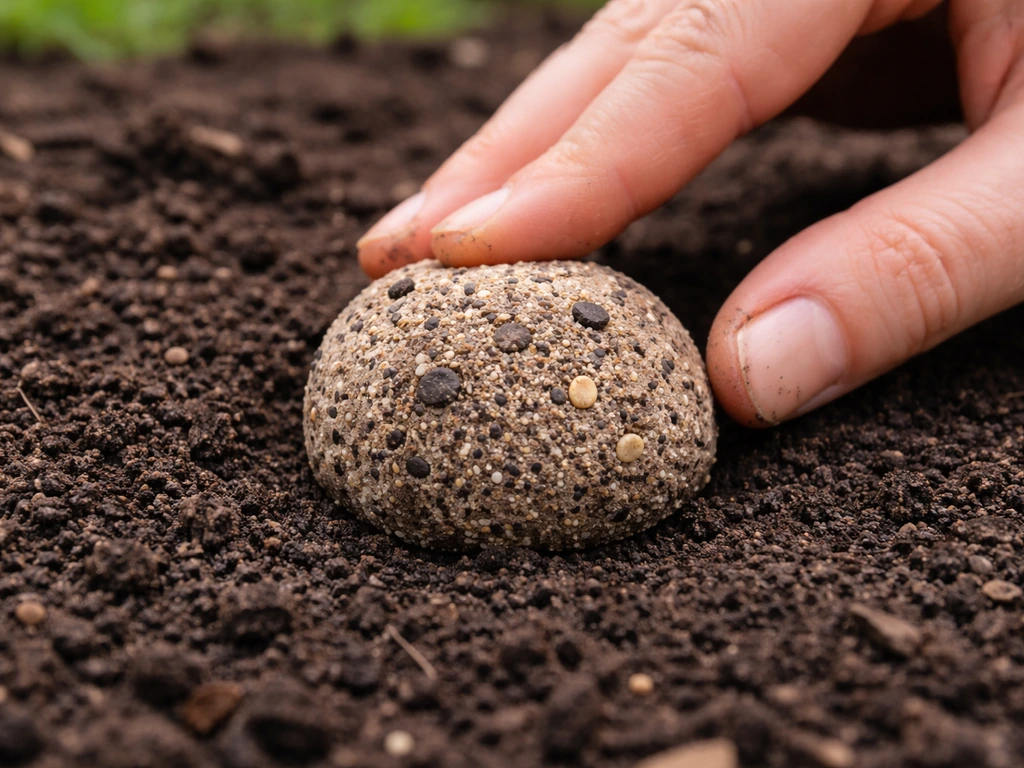
Seeds need to touch soil to germinate properly. You don't need to bury a seed bomb completely, but pressing it gently so the bottom half sits in contact with the ground makes a real difference. US Forest Service seed ball guidance specifically recommends this: press the ball down so roughly half of it is in the soil. If you're placing bombs on a hard or compacted surface, scratch up the ground first or add a thin layer of compost beneath them.
Watering
Keep the bomb and the soil around it damp but not waterlogged from the moment you place it until sprouts appear. A gentle watering every day or two in dry weather is usually right. Think of the texture you're aiming for: moist like a wrung-out sponge, not soggy or bone dry. Once seedlings are visible and growing, ease off gradually. When they reach 6 to 8 inches tall, usually around the 4 to 6 week mark, they're established enough to handle natural rainfall in most climates. After that, water only as conditions require.
Placement and light
Most wildflower seed bombs are designed for full sun to partial shade. Put them in deep shade and germination slows, and flowering often doesn't happen at all. If you're placing bombs in a garden bed, pick a spot that gets at least 4 to 6 hours of direct sun. In hotter climates, afternoon shade can actually help during summer, but morning sun is usually non-negotiable for flowering plants.
Should you break up the bomb?
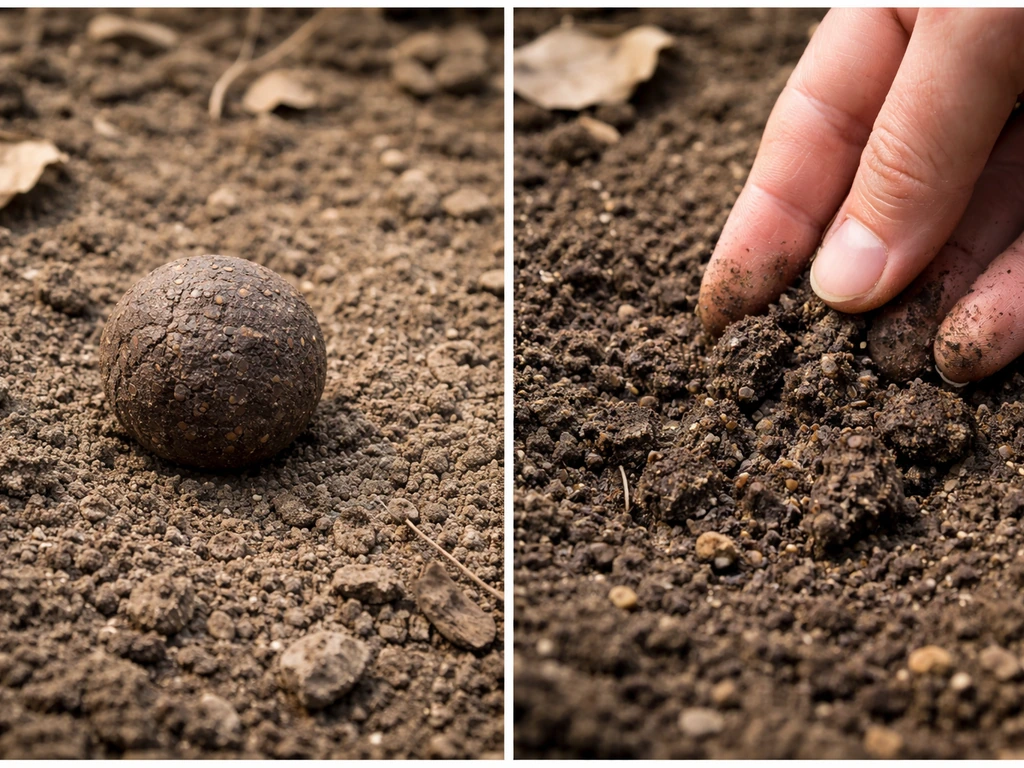
If a bomb has been sitting for several weeks with no movement in dry conditions, breaking it apart and pressing the crumbled pieces into the soil gives seeds a much better chance. Adding a very light top-dressing of compost (a thin sprinkle, not a layer) can also help retain moisture at the surface without burying seeds too deep. Don't overdo it though; most wildflower seeds need light to germinate and shouldn't be covered more than a few millimeters.
Troubleshooting slow or no growth
If you're past the 4-week mark with no sign of germination, something is interfering. Here's how to diagnose what's going wrong.
| Symptom | Likely Cause | What to Do |
|---|---|---|
| No germination after 4+ weeks | Too cold, too dry, or bomb hasn't broken down | Check soil temp, water more consistently, press bomb into soil or break it up |
| Bomb dried out and cracked | Insufficient watering during germination window | Re-wet thoroughly, add light compost top-dressing, water daily until sprouts appear |
| Sprouts appeared then died | Overwatering, slug damage, or frost after sprouting | Water less frequently, check for pests, protect seedlings if late frost is forecast |
| Bomb intact but nothing sprouting | Dense clay shell not breaking down | Gently break the bomb apart and press seed material into bare soil |
| Germination in spots, not evenly | Uneven moisture or seed distribution in the bomb | Normal for mixed bombs; fill gaps with a light hand-sowing of similar seeds |
| Nothing at all after 6 weeks in warm conditions | Old or poor-quality seeds, wrong season, or seeds eaten by birds | Test remaining seeds with a damp paper towel germination test; consider re-sowing |
| Growth stalled at seedling stage | Soil too poor or compacted | Scratch in a small amount of compost around seedlings and water in |
Birds and erosion are also underappreciated problems, especially on slopes or exposed garden beds. If you suspect birds are eating seeds before they can germinate, a simple mesh cover for the first couple of weeks, or even a light layer of straw, gives the seeds time to get started. On slopes, bombs can also roll or wash away before the clay softens. Pressing them firmly into the soil and watering in immediately after placement reduces this risk.
Planning next steps: re-sowing, thinning, and expected maturity
Once you have seedlings up and growing, the job isn't finished. Here's how to think about the next few months.
Thinning
Seed bombs often concentrate multiple seeds in a small area, and if several germinate together, they'll compete for resources and produce weaker plants overall. Once seedlings reach 3 to 4 inches tall, thin them to roughly 6 to 12 inches apart depending on the species. It feels counterintuitive to pull out healthy seedlings, but it genuinely produces stronger plants and better flowering.
Re-sowing gaps
If your bomb produced patchy results, there's no reason to wait until next season. Scatter a small amount of the same seed type into bare patches, press it lightly into the soil, and water consistently. As long as you're still within the optimal sowing window for your climate, a second sowing into gaps usually works well. This is especially useful with mixed seed bombs where some species didn't take but others did.
What to expect over the full season
For an annual wildflower seed bomb sown in spring, a realistic timeline looks like this: germination in 2 to 4 weeks, seedlings reaching 6 to 8 inches tall by weeks 4 to 6, first blooms opening between weeks 8 and 12, and a full flowering display by months 3 to 4. Many annuals will self-seed if you let them go to seed at the end of the season, which means you may get a free second year without re-sowing.
For native perennial mixes, adjust expectations: the first season is mostly about root establishment, with real flowering often arriving in year two. This is similar to how wild seeds in general behave, where the timeline stretches well beyond a single growing season. Some species within a mixed native bomb may not reach full development for two or more years, which is worth knowing before you declare a spot a failure.
When to consider starting over
If you're at 8 weeks in good conditions with no germination at all, and you've ruled out moisture, temperature, and placement issues, the seeds themselves may be the problem. Old, poorly stored, or low-quality seeds simply won't germinate no matter how ideal the conditions are. Do a quick germination test: blank" rel="noopener noreferrer">wrap 10 seeds from a spare bomb in a damp paper towel, seal it in a bag, and check after 7 to 10 days. If fewer than 5 or 6 sprout, replace the seed bombs and start fresh in a location with good soil contact and reliable moisture. The same patience is helpful for figuring out how long ancient seeds take to grow in Stardew Valley how long do ancient seeds take to grow stardew valley.
FAQ
Can I speed up how long seed bombs take to grow?
Yes, but timing still depends on the seed type and season. For most wildflower bombs, you can sow at temperatures above about 50°F consistently, then use light, frequent watering until sprouts appear. If you seed into cold soil, you may get delayed or uneven germination rather than faster growth.
If nothing sprouts after 2 to 4 weeks, does that mean my seed bombs failed?
Usually, no. Germination can be delayed by stratification-requiring seeds or by cool, dry, or shaded placement, so a lack of visible seedlings by a specific day does not automatically mean failure. A practical check is to inspect one bomb after 2 to 4 weeks by gently unwrapping a small area, looking for moisture and root emergence.
How often should I water seed bombs to get them to grow on time?
Dryness is a common cause of slow germination, and waterlogged conditions can also be harmful by reducing oxygen around the seeds. Aim for damp (like a wrung-out sponge) and avoid standing water, then water every day or two during dry spells until sprouts show.
Should I bury seed bombs, and how deep?
Pressing and soil contact matter more than burying depth. A good rule is to ensure roughly half the bomb is in contact with soil, then add a thin compost sprinkle only if the surface dries too quickly. If you bury too deep, many wildflower seeds will struggle to germinate.
My seed bombs are not sprouting, should I replant or just wait longer?
If they have not sprouted and you suspect dry or poor contact, break the bomb apart and press the crumbled pieces into the soil, then keep the area consistently damp. If you are simply short on time and the season is ending, reseeding into gaps can work, but only if you are still within the local sowing window.
What can I do if birds are eating the seeds?
Birds and erosion are not just issues for slopes. Even in flat areas, birds may peck uncovered seed pellets if the surface dries quickly. Using a lightweight mesh cover for the first couple of weeks can help while the seeds establish, then remove it once seedlings appear.
Do seed bombs need full sun to bloom?
Full sun is usually best for flowering, but partial shade can be fine for many species. The key is morning light, and at least 4 to 6 hours of sun for most mixes. Deep shade often results in slow germination and reduced or missing blooms.
Why is germination uneven across my seed bomb area?
Even with perfect conditions, mixed bombs can look “patchy” because different seeds germinate at different speeds, especially when some require cold stratification. Look for small green specks or thread-like seedlings first, then expect later waves of sprouts rather than one uniform emergence.
How can I tell if my seed bombs have bad or old seeds?
Yes, especially for older or poorly stored seeds. Do a quick viability test by sprouting 10 seeds from a spare bomb in a damp paper towel for about a week to 10 days, and if fewer than about 5 to 6 sprout, plan to replace and start fresh where soil contact and moisture will be reliable.
How long do seed bombs with native perennials really take to bloom?
For native perennial mixes, it is common that you will see limited flowering the first year, because energy goes into establishing roots. If your goal is blooms, expect a more realistic timeline of year two or later for many species, and treat year one results as establishment rather than a failure.
Next Article
How Long Does Rare Seed Take to Grow? Real Timelines
Real timelines for rare specialty seeds: germination, seedling, and maturity ranges plus troubleshooting and how to esti