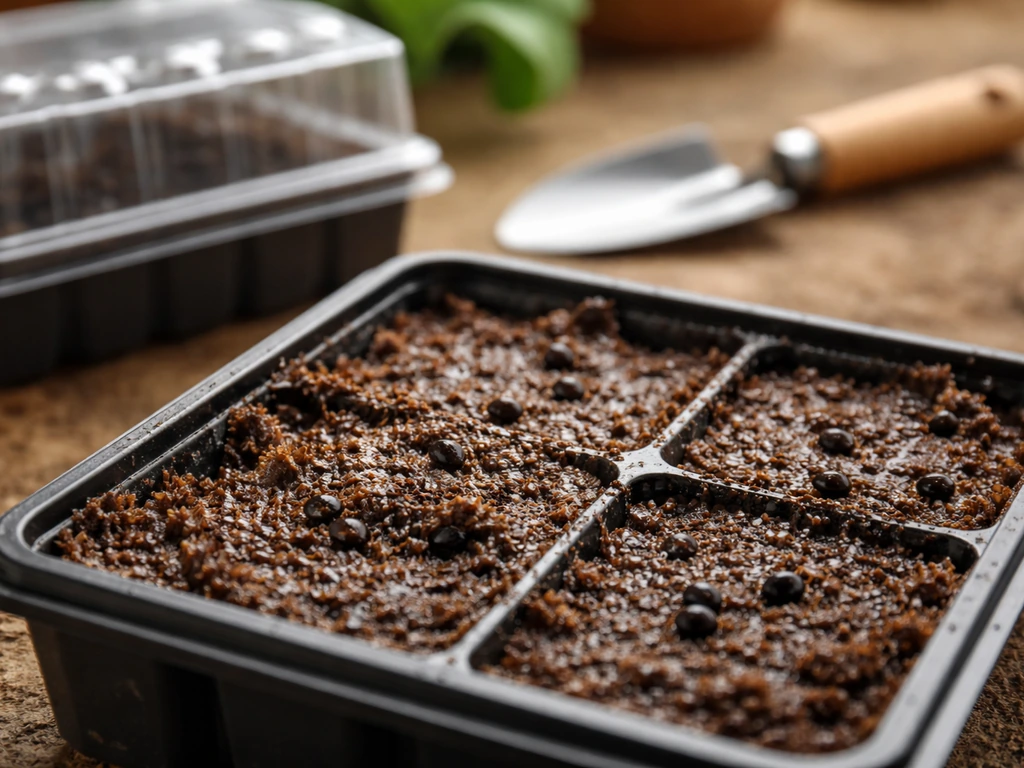
Borage germinates in about 7 to 14 days under good conditions, and from there you can expect usable foliage and first blooms roughly 60 to 70 days after sowing. That puts you from seed to a flowering, harvestable plant in about 9 to 10 weeks, which is honestly pretty satisfying for an annual herb.
How Long Does Borage Take to Grow From Seed
Marcus Henley
27 Apr 2026
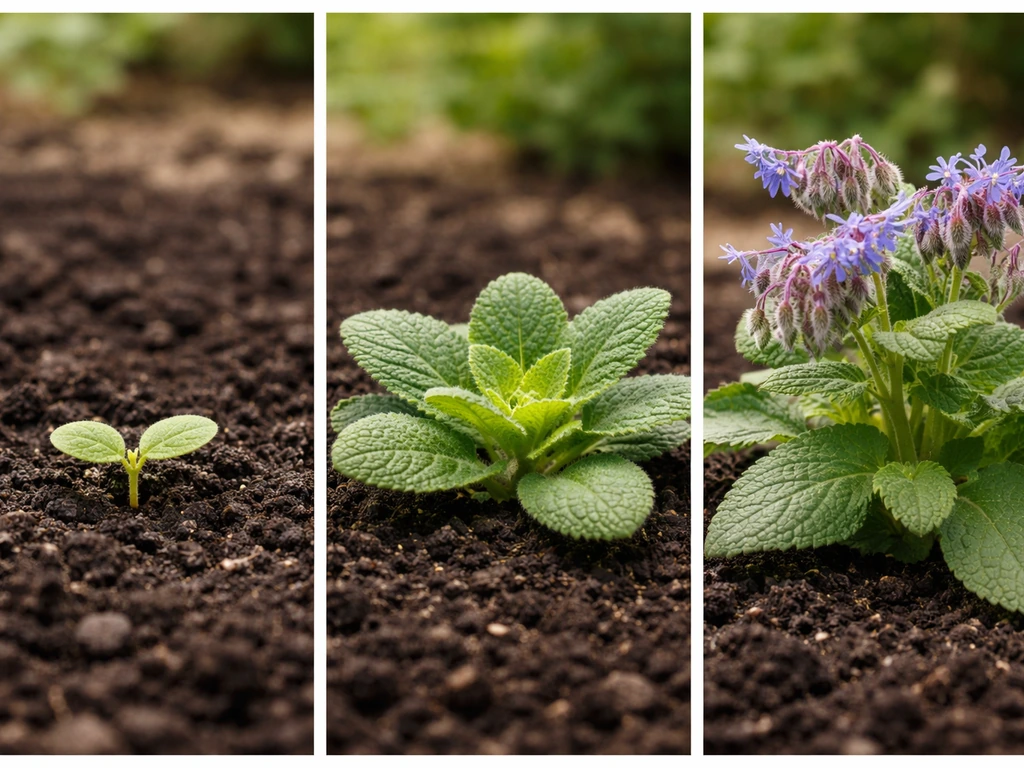
The full borage growth timeline at a glance
Borage moves through its lifecycle at a steady, reliable pace once it has what it needs. Here's how the whole journey typically breaks down from the day you sow:
| Stage | Typical Timeframe | Notes |
|---|---|---|
| Radicle emergence (first root activity) | 3–5 days | Happens underground; seeds need consistent moisture here |
| Visible germination / seedling emergence | 7–14 days | Range depends heavily on soil temperature |
| Seedling establishment (true leaves, strong growth) | 2–3 weeks after germination | Plant starts growing vigorously once roots settle in |
| Harvestable foliage | Around 40–50 days from sowing | Young leaves are usable before full plant maturity |
| First blooms / full plant maturity | 60–70 days from sowing | Bushy 2-foot plants with bright blue star-shaped flowers |
One thing worth knowing: borage planted in April in most US growing zones will typically be blooming by June, which lines up with the typical bloom window of June through August that you'll see recommended for outdoor garden conditions. If you do successive sowings every four weeks, you can stretch that flowering and harvest window across most of summer.
Days to germination: what makes the biggest difference
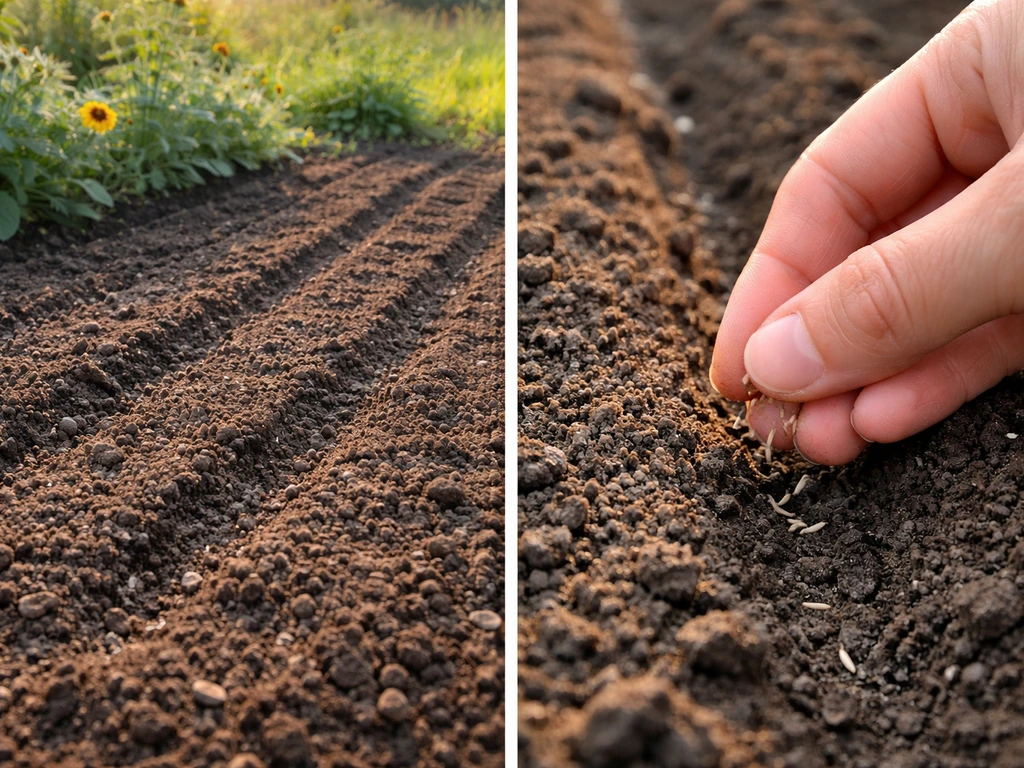
The 7 to 14 day range for borage germination is real, but it's not random. The Seed Collection's borage grow guide reports germination “around 5, 10 days” (depending on soil temperature) [germination “around 5–10 days”](https://www. theseedcollection. com.
au/growguide/borage-seeds). Kansas State University’s herb grower handbook lists [borage germination at about 7 to 14 days](https://www. maraisdescygnes. k-state.
edu/lawn-garden/popular-lawn-garden-publications/herbs/FarmingAFewAcreof%20Herbs-AnHerbGrowersHandbooks144. pdf) and recommends direct seeding. Some seeds pop up in a week, and others from the same packet take closer to two. The main driver is soil temperature.
Borage germination is notably faster and more reliable when soil sits around 70°F. Below that, germination slows noticeably. If your soil is cold (think early spring in a northern garden), you'll be on the longer end of that range or possibly waiting even longer.
Light also plays a role that surprises some gardeners. Borage benefits from at least some light exposure during germination, which means you shouldn't bury the seeds deeply. A light covering of fine vermiculite or a very thin layer of soil (no more than a quarter inch) is ideal. Covering them too heavily blocks the light signal and slows things down.
Moisture is the third piece. Borage needs moderate to consistently moist soil during germination, but not waterlogged. Seeds sitting in cold, wet soil are a recipe for rot and failure rather than fast sprouting. If you're sowing in cool spring conditions, lean toward well-draining soil and water carefully rather than keeping things soaking wet.
- Optimal soil temperature: around 70°F (germination fastest and most reliable)
- Sowing depth: very shallow, no more than a quarter inch, covered lightly with vermiculite
- Light: beneficial during germination, don't bury seeds in dense soil
- Moisture: consistently moist but well-drained, never waterlogged
- Seed viability: borage seeds stay viable for 1 to 4 years when stored cool, dry, and dark — old seeds germinate erratically
Seedling establishment: when borage really starts moving
Once borage breaks the soil surface, it goes through a brief settling-in phase before it really takes off. For the first week or two after emergence, the seedling is mostly developing its root system and producing its first true leaves. At this stage it looks a little fragile and hairy (the whole plant is covered in fine bristles), and it's easy to panic that something is wrong. It's not. Just keep soil moisture even and give it full sun or at least partial shade.
By two to three weeks after germination, things shift noticeably. Borage is described as very competitive once established, and that becomes obvious when it starts putting on rapid vegetative growth. The plant bulks up quickly, and you'll see it going from a modest few-leaf seedling to a sturdy, spreading plant within a few more weeks. Thinning to about 12 inches apart at this stage helps each plant develop into the full, bushy 2-foot specimen it's aiming to be.
When borage is ready: foliage harvest vs. first blooms
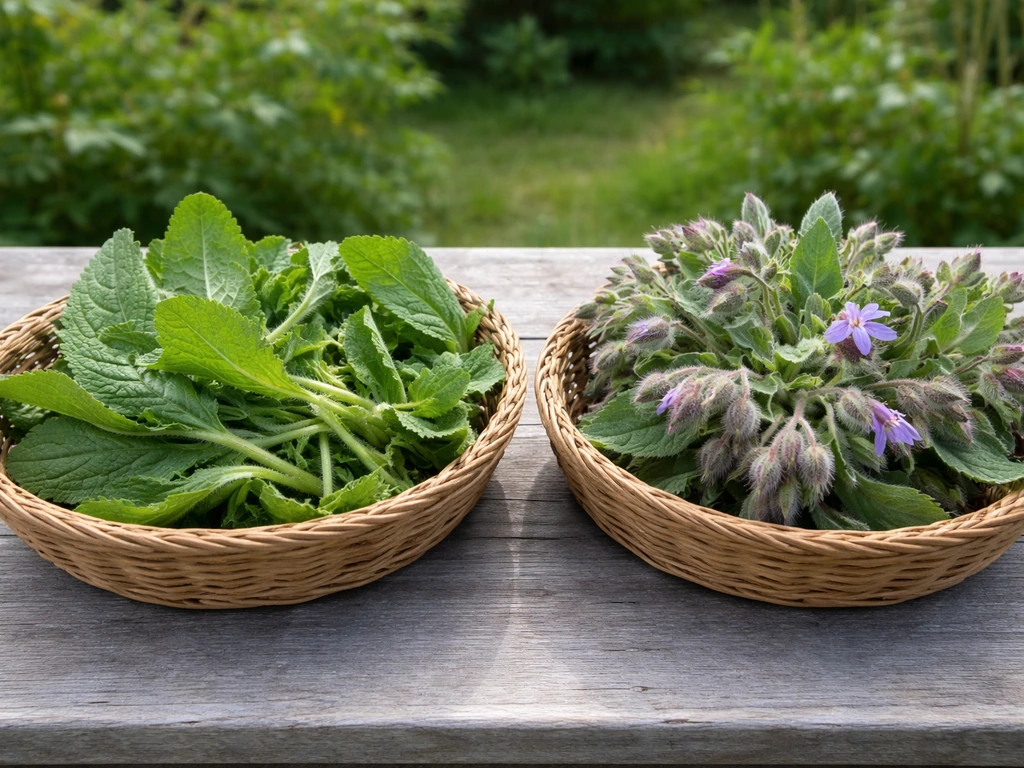
If you're growing borage for its leaves (which taste and smell like cucumber and are great in salads or drinks), you don't have to wait for full maturity. Young leaves are usable fairly early, typically around 40 to 50 days from sowing, once the plant has a good set of true leaves established. If you're wondering how long alyssum takes from seed, the timeline is similar in that temperature and moisture strongly affect when seedlings appear how long does alyssum take to grow from seed. Harvest the younger, smaller leaves from the outer part of the plant for the best flavor and texture.
For flowers, which are the other big reason most people grow borage, you're looking at 60 to 70 days from sowing. If you are tracking the full timeline, you will want to know how long Gunnera takes from seed to reach the stage where it can thrive outdoors how long does gunnera take to grow from seed. Gardenish puts it at 8 to 10 weeks, which aligns well with the 60 to 70 day figure from seed suppliers.
The flowers are those vivid blue star-shapes that pollinators absolutely swarm, and once blooming starts, it continues through summer until the first frost. If you want a longer flowering season rather than one big flush, that's exactly why the multiple-sowing strategy works so well: sow once in early spring, again four weeks later, and again four weeks after that, and you'll have a continuous rotation of plants hitting their bloom window.
Direct sow vs. starting indoors: which timing approach actually works
Borage strongly prefers to be direct sown. This isn't just a casual preference: borage develops a taproot early, and transplanting disrupts that taproot in ways the plant doesn't recover from easily. Johnny's Selected Seeds calls starting borage indoors for transplant 'possible, but not recommended' for exactly this reason. If you start it in a tray and then move it, you risk stunted growth and a plant that never quite performs the way a direct-sown one would.
The practical timing for direct sowing is early spring, once your last frost has passed and soil temperatures are climbing toward that 55 to 70°F sweet spot. In most US growing zones, that's April. Sow directly where you want the plants to grow, at a shallow depth, and let them establish in place. Because borage is cold-tolerant once past germination but sensitive to hard freezes as a seedling, waiting until after your last frost date is the right call.
If you're in a short-season climate and genuinely feel you need a head start, you can start borage indoors 2 to 3 weeks before your last frost date, but use biodegradable pots (like peat or coir) so you can transplant the whole thing without disturbing the roots. Even then, handle with care and expect some transplant stress. For most home gardeners, direct sowing is simply the better approach and not really a timing disadvantage since borage grows quickly once it's in the ground.
| Method | When to Sow | Time to Bloom | Transplant Risk |
|---|---|---|---|
| Direct sow outdoors | After last frost, soil around 55–70°F (typically April) | 60–70 days from sowing | None — preferred method |
| Indoor start (not recommended) | 2–3 weeks before last frost | 60–70 days from sowing, plus transplant recovery time | High — taproot disturbance stunts plant |
Troubleshooting slow or failed borage germination
If your borage seeds haven't shown any activity after two weeks, don't immediately write off the planting. There are a few common reasons germination stalls, and most of them are fixable.
The soil is too cold
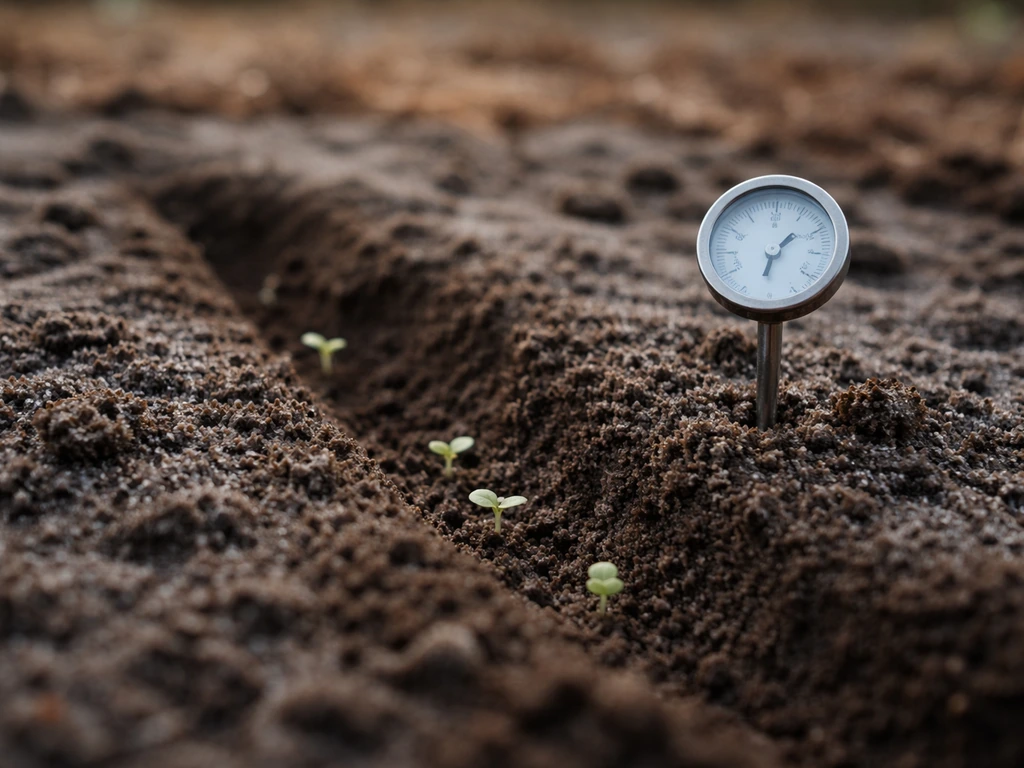
This is the most common culprit in early spring. If soil temperatures are below 55°F, borage germination becomes very slow and inconsistent. If you sowed in cold soil and nothing has happened after two weeks, give it more time before pulling the seeds. You can also cover the area with a cloche or floating row cover to warm the soil a few degrees. Once temperatures come up, the seeds often still germinate successfully.
Seeds were buried too deep
Borage needs light and shouldn't be buried more than about a quarter inch. If you sowed at a typical vegetable depth (half an inch or more), the seedlings may struggle to push through or the light signal for germination is missing. If you suspect this, gently surface-sow a few more seeds in the same area and see if those come up while you wait on the originals.
Soil is too wet or draining poorly
Borage seeds in waterlogged soil will rot rather than germinate. Poor drainage is also a setup for damping-off, which can kill seedlings right at or just after emergence, making it look like germination failed entirely. If your soil stays soggy, work in some compost or coarse sand to improve drainage, and let the surface dry slightly between waterings. Seeds need moisture but not saturation.
Old or improperly stored seeds
Borage seeds can remain viable for 1 to 4 years, but that upper range assumes they've been stored in cool, dry, dark conditions. Seeds that have been kept in a warm garage or humid shed for a couple of seasons will have noticeably reduced germination rates. If you're using old seeds and getting patchy or no germination, try a fresh packet. You can also do a quick paper towel germination test: wrap 10 seeds in a damp paper towel, keep it at room temperature, and check after 10 days. If fewer than 5 sprout, your germination rate is poor and you'll need more seeds or a fresh source.
Damping-off is killing seedlings before you notice them
Sometimes germination is actually happening, but seedlings collapse at soil level almost immediately, which is damping-off caused by fungal pathogens in wet, poorly ventilated conditions. This is more common when starting seeds indoors. Prevention is the main strategy: use fresh seedling compost rather than garden soil, ensure good air circulation, avoid overwatering, and don't overcrowd seeds. If you're seeing seedlings appear and then topple over at the base, damping-off is the likely cause, not a germination problem.
The reassuring thing about borage is that it's genuinely one of the easier herbs to grow from seed when conditions are right. If you're wondering how long hostas take from seed, the timeline is typically much slower than borage. If you're growing other flowers from seed and tracking their timelines, borage is faster to bloom than something like lavender (which can take many months to reach flowering) and comparable in speed to annuals like alyssum.
If you're also wondering how long gunnera takes to grow from seed, it generally requires a much longer timeline than borage. Lavender often takes noticeably longer, so plan for a timeline that can stretch for many months before flowering from seed. Once you've got it germinated and established, it mostly takes care of itself and rewards you with a long season of flowers and harvestable leaves.
FAQ
If borage germinates in 7 to 14 days, when should I start checking for first true leaves?
After the sprouts show up, the first true leaves usually follow within about 1 to 2 weeks. If you only see seed leaves and no true leaves after roughly 14 to 16 days from emergence, it often points to cold soil, light being blocked by too-deep sowing, or inconsistent moisture.
How long does borage take to be large enough to harvest leaves, and can I harvest more than once?
You can usually start taking young leaves around 40 to 50 days from sowing, once there are established true leaves. Plan for multiple light harvests by removing mostly the outer leaves, leaving the center growing point intact so the plant can keep producing through the flowering period.
Will borage produce flowers if it’s grown for leaves but I keep harvesting regularly?
Yes, but heavy leaf harvesting can delay flowering slightly. For the best balance, harvest in small rounds early, then ease off once the plant starts forming flower buds so energy goes into blooms.
How much time do I need to plan for flowers if I’m doing successive sowings?
With sowings spaced about every four weeks, each batch still generally reaches bloom roughly 60 to 70 days after its own sowing date. That means the first flowers come from the earliest sowing, and later plantings fill in so the total flowering run stretches across summer.
Does soaking seeds before planting speed up how long borage takes to grow from seed?
Soaking can make the earliest germination a little more predictable, but it does not fix cold soil. If temperatures are low, soaked seeds can stall anyway. If you try it, keep the soak short (a few hours), then sow immediately into moist but not waterlogged soil.
What’s the latest reasonable time to wait for germination before re-sowing?
If you have no sprouts after about two weeks, it does not always mean failure, especially in cool spring conditions. Once you reach around 3 weeks with no signs, re-sowing is usually more efficient, but make sure you correct the likely cause first (soil temperature, burial depth, drainage, or seed viability).
How deep can I sow borage seed without slowing it down too much?
Aim for a very shallow sowing, about a quarter inch or less. Deeper planting often reduces germination because the seeds need light exposure to trigger sprouting, and seedlings may struggle to reach the surface.
What should I do if seedlings emerge but then collapse at the base?
That pattern strongly suggests damping-off. Increase air flow, avoid watering so frequently that the surface stays wet, and make sure seedlings are not overcrowded. If you started indoors, consider moving them outdoors when conditions are favorable to reduce humidity buildup around the stems.
Can I grow borage from seed in containers, and does that change the timeline?
Yes, direct sowing works in containers too, and the timing is usually similar, as long as you keep soil temperatures in the germination range and the pot drains well. The main difference is moisture control, containers can dry out faster, which can slow germination if they swing too dry.
My seeds are old, how long should I wait before assuming poor viability?
With reduced viability, you may see patchier emergence rather than a total stop. If you do not see any seedlings after about 2 to 3 weeks under decent conditions, it is often worth testing or replacing the seed source, because older seed can be slow and incomplete.
Does full sun vs partial shade change how long borage takes to grow from seed to bloom?
It can, mostly indirectly. Borage can grow in partial shade, but if growth is weaker or slower, bloom timing can drift later. For the most reliable 60 to 70 day flowering expectation, prioritize full sun once seedlings are established.
When should I thin borage, and does thinning affect days to bloom?
Thin after germination when the seedlings are a couple weeks old, so you end up about 12 inches apart. Proper spacing typically supports stronger growth and bushiness, and it helps the plant reach the expected flowering window rather than lingering as a weak, crowded stand.
Next Article
How Long Does It Take Hostas to Grow From Seed?
Timelines for growing hostas from seed, from germination to transplant and maturity, with fixes for slow or failed sprou