Growing azaleas from seed takes roughly 3 years from sowing to first bloom under realistic home-growing conditions. Germination happens relatively quickly (2 to 6 weeks), but the seedling stage is long and slow: you will be nursing tiny plants for 12 to 18 months before they are even ready to pot up properly, and then another year or more before they are strong enough to flower. If you are planning your schedule today, expect to sow seeds, wait several weeks for sprouts, spend the better part of two years growing on, and finally see flowers in year three. Evergreen azalea types can push that to 3 to 4 years. It is a long game, but every stage is manageable once you know what to expect.
How Long Does It Take to Grow Azaleas From Seed?
Marcus Henley
19 May 2026
Reality check: azalea seed viability and why timing varies
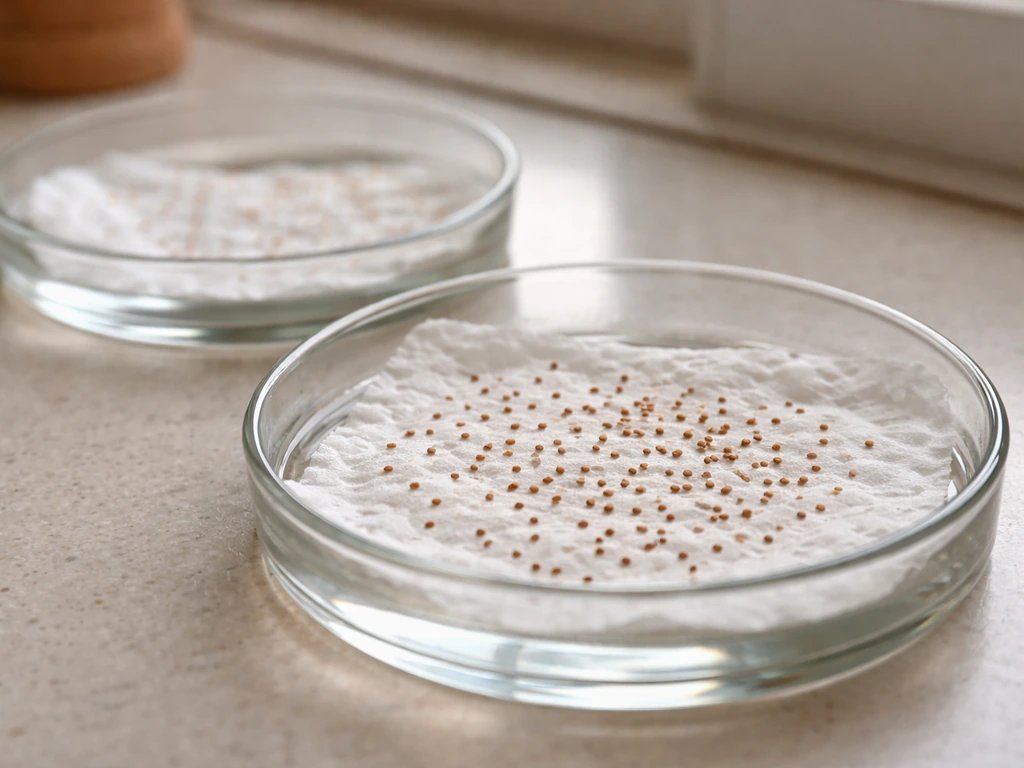
Before you even talk about timelines, you need to know whether your seeds are actually alive. Azalea seed viability drops noticeably with age and poor storage, and starting with dead or barely viable seed is the single most common reason people end up staring at an empty tray for months. The good news is that properly dried and stored azalea seed can stay viable for up to six years, so if you have seeds from a few seasons back and stored them cool and dry, they may still be fine.
A quick home germination test is your best reality check before committing a full tray. Dampen a paper towel, lay out 10 seeds, fold it over, seal it in a plastic bag, and keep it warm for three to four weeks. Count how many sprout. If fewer than 6 out of 10 germinate (below 60%), your seed lot has reduced viability, and you should sow more densely to compensate. If almost nothing germinates, your seeds are likely not viable and sowing a full tray will waste your time.
Timing also varies by variety. Deciduous azaleas and evergreen azaleas behave differently, and even within those groups, different hybrids have different dormancy requirements. Some need cold stratification to break dormancy; others germinate fine with just warmth and moisture. Not knowing which type you have is a genuine source of confusion. If you collected seeds yourself or bought fresh seed from a known variety, check whether that species is typically listed as requiring cold stratification. When in doubt, stratify anyway since it rarely hurts and often helps.
Typical timeline: from sowing to germination
Under controlled indoor conditions with appropriate warmth and moisture, azalea seeds typically germinate in 2 to 6 weeks. The Azalea Society of America cites that two-to-six-week range as the benchmark, and that tracks with my own experience: the first tiny green threads usually appear around the two-week mark when conditions are good, with stragglers coming in over the following weeks. UGA Cooperative Extension puts small seedling appearance at about 2 to 3 weeks after sowing, which aligns closely.
That said, azalea seeds that require cold stratification will not germinate on that timeline unless you have completed the chill period first. Cold stratification means holding your seeds in a lightly moist medium (like barely damp peat or vermiculite in a sealed bag) in the refrigerator at around 35 to 45°F for 4 to 8 weeks before moving them to warmth. If you skip this step for a variety that needs it, you may see nothing for months, or nothing at all. Once stratification is done and the seeds come into warm conditions, the 2-to-6-week germination window applies.
One thing worth flagging: germination in azaleas is not all-or-nothing. It is staggered. You might see 30% of seeds sprout in week two, another batch in week four, and a few outliers in week six. Do not pull the plug on a tray just because it looks slow. Keep the conditions consistent and give it the full six weeks before deciding the batch has failed.
Seedling stage timeline: potting up and growing on
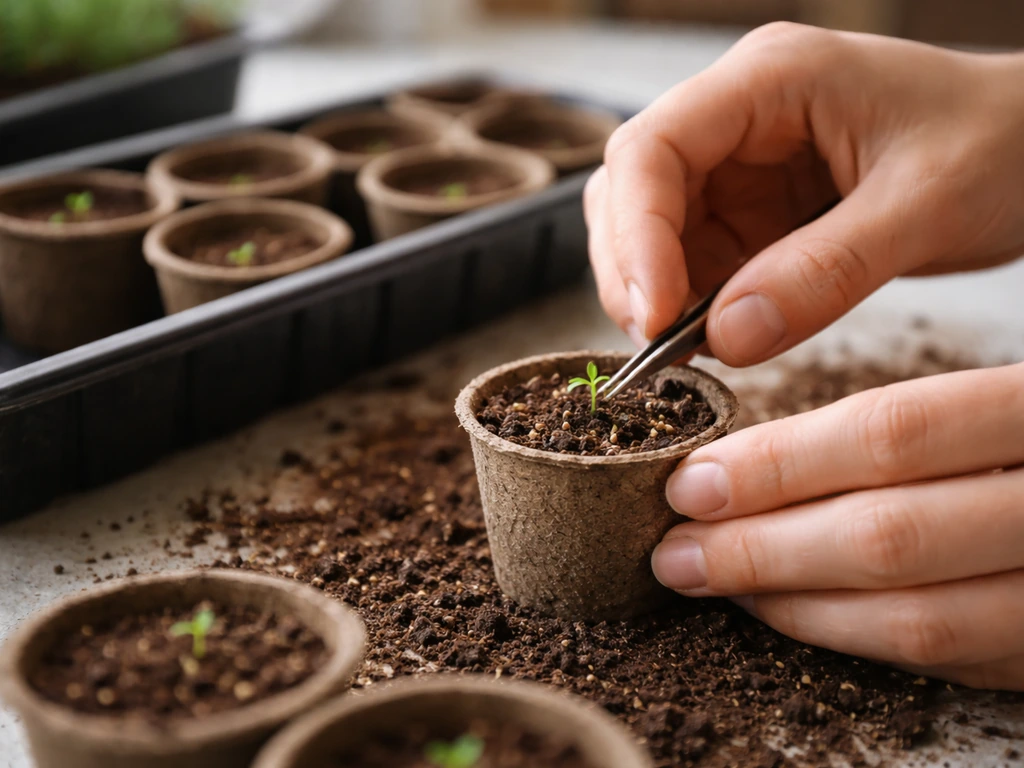
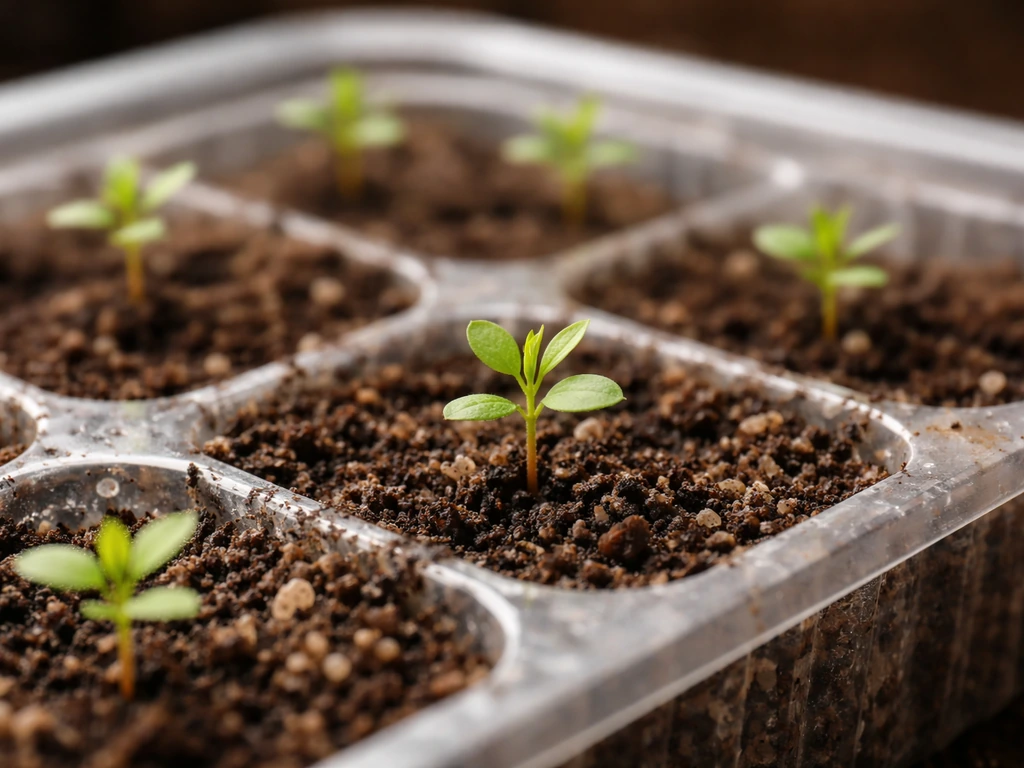
Here is where azaleas demand real patience. Once your seeds germinate, the seedlings are extremely small and fragile, and they grow slowly. UGA Extension's guidance says to transplant into small 3- to 4-inch pots when seedlings reach about 1 inch tall. That sounds simple, but reaching that 1-inch mark can take weeks to a couple of months depending on conditions.
After that first transplant, the seedlings still need a long grow-on period in trays or small pots. The Azalea Society of America's documentation from commercial nursery operations shows that azalea seedlings are typically kept in transplant trays for 12 to 18 months before being potted up into proper containers. That is not 12 to 18 months to bloom; that is 12 to 18 months just to reach the pot-up milestone. Home growers sometimes move faster with attentive care, but that range gives you an honest expectation.
During this phase, the seedlings need bright indirect light, consistent moisture (not waterlogged), and good airflow. They do not need heavy fertilization early on, but a dilute, balanced liquid feed every few weeks once they have settled in helps push steady growth. Think of this stage as slow but cumulative: the plant is building its root system and branching structure that will eventually support flowers.
From seedling to first flowering: when to expect blooms
Most sources land on 3 years from sowing as the realistic minimum to see a blooming azalea plant. Hellebores have a similarly slow development curve, but the exact timing varies by cultivar and growing conditions how long do hellebores take to grow from seed. If you are wondering how long an anthurium takes to grow from seed, the timeline is different from azaleas, so check its specific growth stages. Elderberry from seed follows a much longer, multi-year development timeline, so planning your schedule around realistic growth milestones can help how long does it take to grow elderberry from seed. UGA Cooperative Extension states this directly: about 3 years to produce a blooming plant from seed. Historical horticultural records for evergreen azaleas specifically suggest 3 to 4 years to first bloom. That means if you sow seeds today in May 2026, you are targeting spring 2029 or 2030 for your first flowers, depending on your conditions, your variety, and how much you can push growth with good light and care. How long it takes to grow allium from seed depends on the variety, but many types typically need several months to establish before you see meaningful growth Now you are targeting spring 2029 or 2030 for your first flowers.
A few things affect whether you land closer to 3 years or 4. Evergreen types trend toward the longer end. Evergreen azaleas can be propagated from seed and typically bloom in about three to four years, which helps set a baseline for first-flower timing Evergreen types trend toward the longer end.. Deciduous azaleas and certain hybrid types can sometimes bloom at the 3-year mark or even slightly before under ideal conditions. Growing under supplemental lighting, maintaining optimal temperatures year-round, and giving plants consistent nutrition all push growth faster. Growing purely outdoors in a short season or underlit indoor setup will stretch it out.
When blooms do appear, they may not look like the parent plant. Azaleas grown from seed (especially hybrid varieties) do not come true to type. Expect variation, and honestly that is part of what makes seed-grown azaleas interesting. You might get something close to the parent, something completely different, or something entirely new. Breeders grow azaleas from seed specifically to find these variations.
A rough milestone map
| Stage | Typical Timing | What to Look For |
|---|---|---|
| Germination | 2–6 weeks after sowing | Tiny green threads or cotyledons emerging |
| First true leaves | 4–8 weeks after germination | Small but distinct leaf shape appearing |
| First transplant | When ~1 inch tall (1–3 months) | Seedling has visible root growth, ready for 3–4 inch pot |
| Grow-on / tray phase | 12–18 months | Steady branching, roots filling small pots |
| Pot up to larger container | Around month 18 | Plant outgrowing initial pots, ready for 6-inch or larger |
| First bloom | Year 3 to 4 from sowing | Flower buds forming, especially in spring |
Key factors that speed up or slow down your results
Light
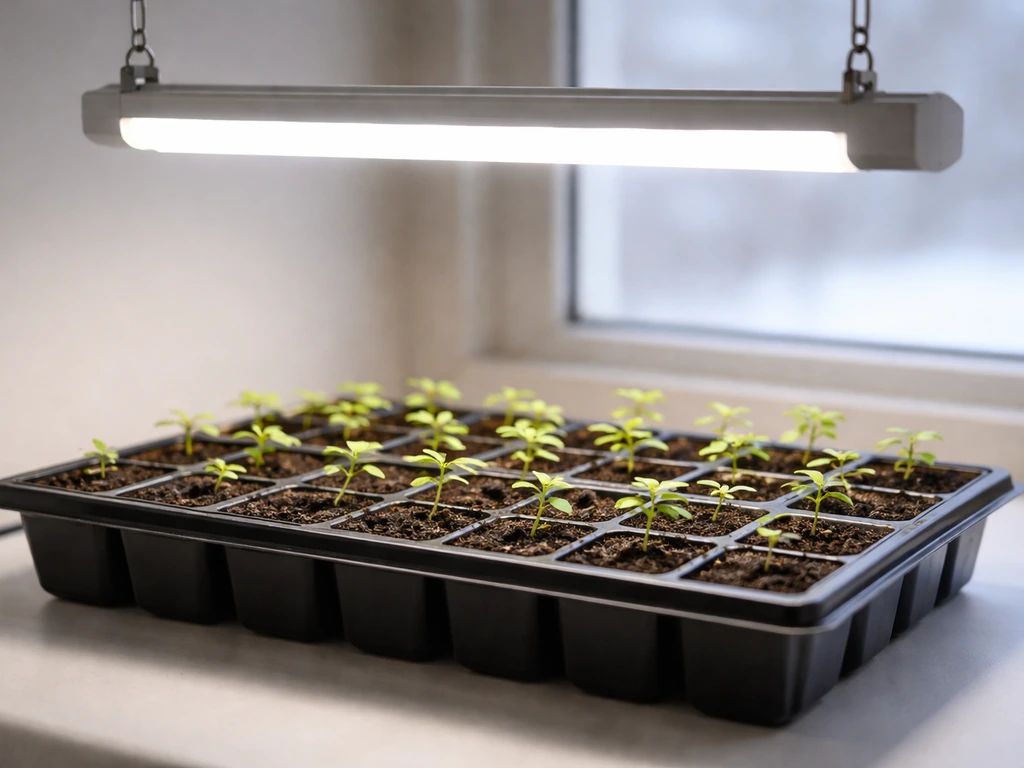
Azalea seedlings need bright, indirect light, and they need a lot of it. A windowsill in an average room usually is not enough, especially in winter months. Grow lights make a significant difference during the seedling phase. Aim for 14 to 16 hours of light per day using a full-spectrum LED or fluorescent setup positioned just a few inches above the tray. Low light produces leggy, weak seedlings that are more vulnerable to disease and slower to develop.
Temperature
Germination happens best at warm temperatures, typically 65 to 75°F. A heat mat under the germination tray helps maintain consistent warmth, especially if your growing space is cool. Once seedlings are established, they tolerate a wider range, but avoid extreme cold or heat. During cold stratification, you are aiming for refrigerator temperatures in the 35 to 46°F range for the chilling period, then bringing seeds into warmth to trigger germination.
Stratification
Not every azalea variety requires cold stratification, but many do, especially native North American species and deciduous types. If your seeds need it and you skip it, they will not germinate on schedule. A standard cold stratification approach is 4 to 8 weeks in a barely moist medium in a sealed bag in the refrigerator. Do not let the medium dry out completely, and do not let it stay soggy either. Check every week or two.
Growing medium
Azalea seeds are very small and need a fine, well-draining, slightly acidic germination medium. A mix of peat and perlite (or a commercially prepared ericaceous seed-starting mix) works well. Avoid standard potting soil for germination: it is too dense, often not sterile, and can hold too much moisture, increasing damping-off risk. The medium should be moist but not waterlogged when you sow.
Moisture consistency
This is probably the trickiest variable to manage. Azalea seeds and seedlings need consistent surface moisture to germinate and establish, but constant wetness causes fungal problems. Covering trays with a clear plastic dome or plastic wrap helps maintain humidity without waterlogging. Misting the surface (rather than drenching from above) is gentler. Once seedlings emerge, remove the cover gradually to acclimate them to normal airflow.
Troubleshooting slow germination or failure
Nothing is sprouting after 6 weeks
First, check whether your variety needed stratification that you did not do. If so, your seeds may still be viable but dormant. Move the tray to the refrigerator for 4 to 6 weeks in barely moist medium, then bring it back to warm conditions. If you did stratify properly and still see nothing, the issue is likely seed viability. Do a paper towel test with any remaining seeds to confirm before starting over.
Seedlings that collapse at the base (damping off)
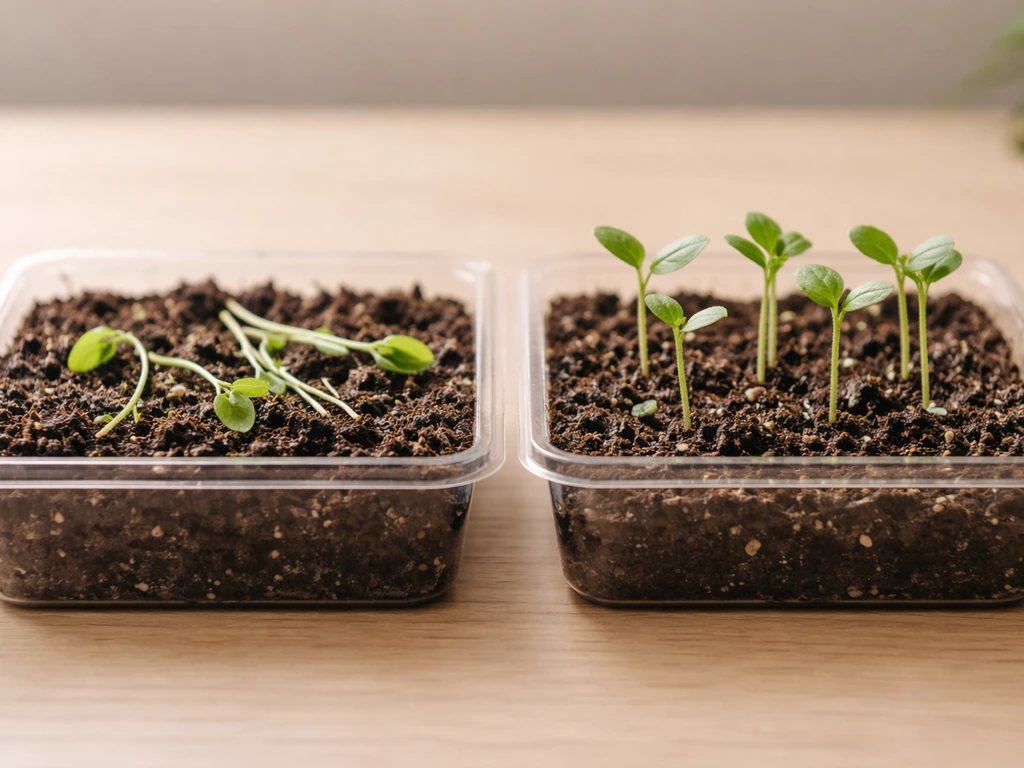
Damping off is a fungal problem that attacks seedlings at soil level, causing them to fall over and die quickly. It is most common when conditions are too wet and airflow is poor. Prevention is much easier than cure: use sterile seed-starting medium, do not overwater, remove the humidity dome once seeds have sprouted, and run a small fan nearby to keep air moving. If you see damping off in a tray, remove affected seedlings immediately and let the surface dry out slightly. A dilute hydrogen peroxide solution (1 part 3% hydrogen peroxide to 9 parts water) applied to the medium can help slow the spread.
Leggy or weak seedlings
Long, spindly stems reaching upward almost always mean the seedlings are not getting enough light. Move them closer to a grow light or to your brightest window, and make sure they are getting 14 to 16 hours of light daily. You can also try lowering your grow light to within 2 to 3 inches above the tray. Weak seedlings are also more vulnerable to disease, so fixing the light situation early matters.
Germination started but then stalled
If you got a flush of sprouts and then growth seemed to stop, the most common causes are inconsistent moisture, temperature swings, or the seedlings running out of nutrients in a very lean germination mix. Make sure temperatures are staying in the 65 to 75°F range day and night. If seedlings have been in the germination tray for more than 6 to 8 weeks and show two or three true leaves, they are probably ready for their first transplant into a small pot with a slightly richer, still acidic mix.
Practical starting plan for today
Since it is May 2026, you are in a reasonable window to start now for indoor germination, or you can plan a late summer or fall sow if you want to align with a natural cold period for stratification. Here is a concrete plan either way.
What you need
- Fresh or properly stored azalea seeds (do a viability test first if they are more than 1 to 2 years old)
- Fine, acidic seed-starting mix (peat-perlite blend or ericaceous seed compost)
- Shallow seed trays or 4-inch pots with drainage
- Clear plastic dome or plastic wrap for humidity
- Heat mat (optional but helpful for germination)
- Full-spectrum grow light if your space does not get 6 or more hours of bright indirect light
- Spray bottle for gentle surface misting
Sowing method
- If your variety requires cold stratification, place seeds in a small bag with barely damp peat or vermiculite and refrigerate at 35 to 45°F for 4 to 8 weeks before sowing.
- Fill your seed tray with moistened germination mix to within half an inch of the rim.
- Scatter seeds thinly on the surface. Do not bury them: azalea seeds need light to germinate, so press them gently onto the surface and leave them uncovered or with the thinnest possible dusting of fine vermiculite.
- Mist the surface lightly and cover with your plastic dome.
- Place on a heat mat or in a warm spot (65 to 75°F) under a grow light running 14 to 16 hours per day.
- Check daily and mist when the surface starts to dry. Do not let it get soggy.
- Watch for germination starting around week 2. Remove the dome gradually once sprouts appear.
Seasonal schedule from today
| Timeline | What You Are Doing |
|---|---|
| May–June 2026 | Stratify seeds in refrigerator (if needed), then sow; or sow directly if variety does not require stratification |
| June–August 2026 | Monitor germination (2–6 weeks), keep tray moist and lit |
| August–October 2026 | First transplant when seedlings reach ~1 inch; move to 3–4 inch pots |
| Late 2026 through 2027 | Grow-on phase: steady light, dilute fertilizer, pot up as roots fill containers |
| 2027–2028 | Continue growing on; plants reach 6-inch+ pot size, building size and branching |
| Spring 2029 (or 2030 for evergreen types) | First bloom season: watch for flower buds as day length increases |
If you are growing other slow-blooming ornamentals from seed alongside your azaleas, you will recognize this kind of extended timeline. Plants like hellebores and iris grown from seed follow similarly multi-year schedules before first flowering, so the patience required for azaleas is not unusual in the ornamental seed world. The reward is the same: plants that you know intimately because you watched them grow from the very beginning.
Start with the viability check, get your stratification right for your variety, and do not underestimate the light requirements during the long seedling phase. Those three things account for the majority of azalea-from-seed failures. Get them right and the 3-year timeline becomes very achievable.
FAQ
Can I get an azalea from seed to bloom faster than 3 years?
Yes, but only if you treat the timeline as “about 3 years to bloom,” not a promise. Deciduous types are more likely to flower near the 3-year mark, while evergreen types commonly land closer to 3 to 4 years even with excellent conditions (bright light, stable warmth, and good seedling survival).
If my seedlings look healthy, how do I know when they are close to flowering?
You typically cannot judge “ready to bloom” by seedling size alone. A more reliable check is age plus stress history, then look for healthy branching, thicker roots, and strong growth over several months. If the plant is still making slow, weak flushes, expect another year or more for buds to form.
What if I stratify even though my variety might not require it?
Don’t assume all azaleas need cold stratification. If your seed variety does not require it, forcing a long chill can delay things. If you are unsure, stratify anyway as a low-risk step, but keep the medium only barely moist (not soggy) and avoid letting it fully dry out.
My seeds are sprouting slowly, should I throw the tray out after 2 to 3 weeks?
If germination is uneven, you should still wait the full 6 weeks before discarding the tray. Azalea seeds often sprout in waves, so a low first-week count is not necessarily a failed batch. Keep conditions steady (warmth, gentle moisture, and humidity dome if needed) until you reach the end of the expected window.
Why did my cold-stratified azalea seeds not sprout when expected?
Cold stratification failures usually come from either the chill not happening (or being too warm) or inconsistent moisture during the refrigerator period. Verify the refrigerator temperature target (roughly mid-30s to mid-40s °F range) and use a medium that stays evenly barely moist, then resume warmth to trigger germination.
Does the month I start seeds change how long it takes to get flowers?
It can, but it’s a tradeoff. Sowing too early or too late indoors can disrupt your planned dormancy and light schedule, which can slow the seedling stage. If you plan to stratify around a natural cold period, coordinate sowing so the chill happens when you can maintain consistent moisture and then move to stable warmth.
What causes azalea seeds to germinate, then stop growing?
Yes. Inconsistent temperatures and moisture are common reasons for “sprout, then stall.” Aim for a steady warm range during germination and keep surface moisture consistent. Once seedlings emerge, remove the humidity cover gradually to prevent damping off, but maintain moisture so seedlings do not dry down too much between waterings.
My azalea seedlings are leggy. Will that delay flowering, and what should I change?
Light is the most frequent bottleneck after germination. If seedlings stretch or look pale, increase light time and intensity, typically by using grow lights for 14 to 16 hours per day and keeping the light close enough to prevent legginess (often a few inches). Weak light can extend the timeline by slowing root and branching development.
Do I really need grow lights, or is a sunny windowsill enough?
A pure “sitting in a window” approach often underperforms in winter. Grow lights help maintain predictable photoperiod and intensity, which supports sturdier growth during the 12 to 18 month pot-up period. If you must use a window, pick your brightest option and still consider supplemental lighting during shorter days.
When should I pot up azalea seedlings, and what mistakes slow them down?
Start transplanting when seedlings are about 1 inch tall, but don’t rush if they are still fragile or have very few roots. Use small, well-draining acidic medium and avoid letting roots sit in constantly wet conditions. Better survival at transplant time usually translates into faster, more reliable progress toward blooming.
Will azaleas grown from seed look and bloom like the parent plant?
Yes, seed-grown azaleas usually won’t match the parent plant because genetics recombine. This affects growth habit, vigor, and sometimes how quickly a given hybrid flowers, so two seedlings from the same batch can finish on different schedules.
Next Article
How Long to Grow Iris From Seed: Timelines and Tips
Realistic timelines for growing iris from seed, from sowing and stratification to germination and first blooms, plus tro