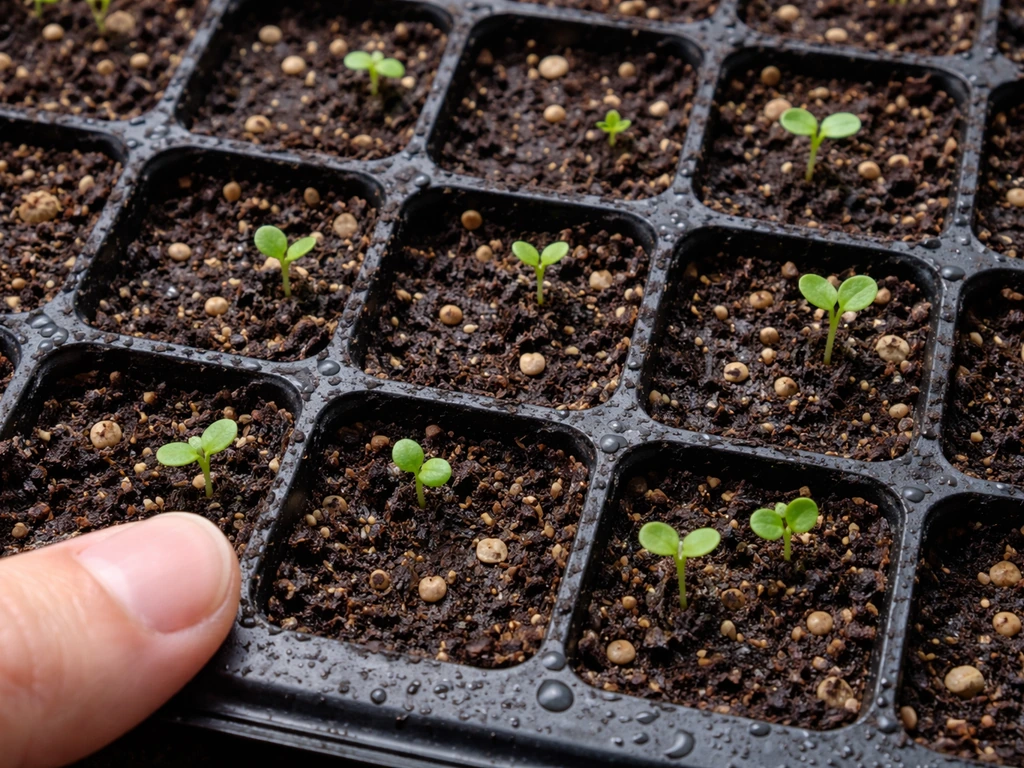
Lantana seeds take anywhere from 14 to 120 days to germinate, and most gardeners see sprouts somewhere between 3 and 8 weeks when conditions are right. Desert Tropicals notes that Lantana camara propagation from seed takes patience, with germination and early growth that can be slow and variable under typical conditions blank" rel="noopener noreferrer">Lantana camara propagation from seed can be slow and variable. From sowing to transplantable seedling is roughly 10 to 14 weeks, and from seedling to first flower you can expect another 5 to 12 weeks depending on pot size and conditions. So the honest total: plan on 4 to 6 months from seed to a blooming plant. Desert rose follows a similar idea of counting from germination to the first blooms, but the timing is often longer and more variable when grown from seed plan on 4 to 6 months from seed to a blooming plant. If you are also planning for amaryllis, you may be wondering how long to grow amaryllis from seed, since its timeline can be quite different from lantana. Roses from seed usually take several months as well, so starting early and staying consistent with warmth helps you reach bloom faster how long does it take to grow roses from seeds. That is longer than most annuals, which is exactly why so many growers reach for cuttings instead, but it is completely doable if you start early and keep things warm.
How Long to Grow Lantana From Seed: Full Timeline
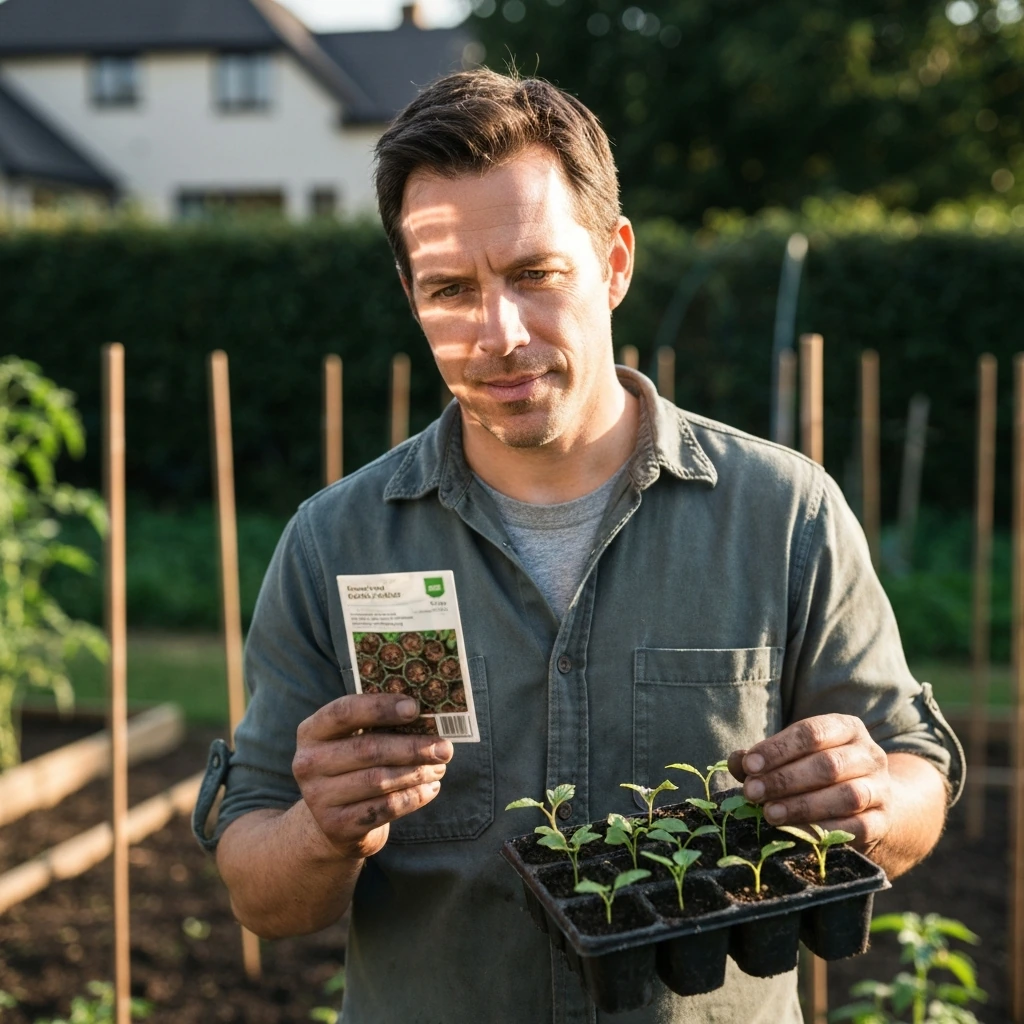
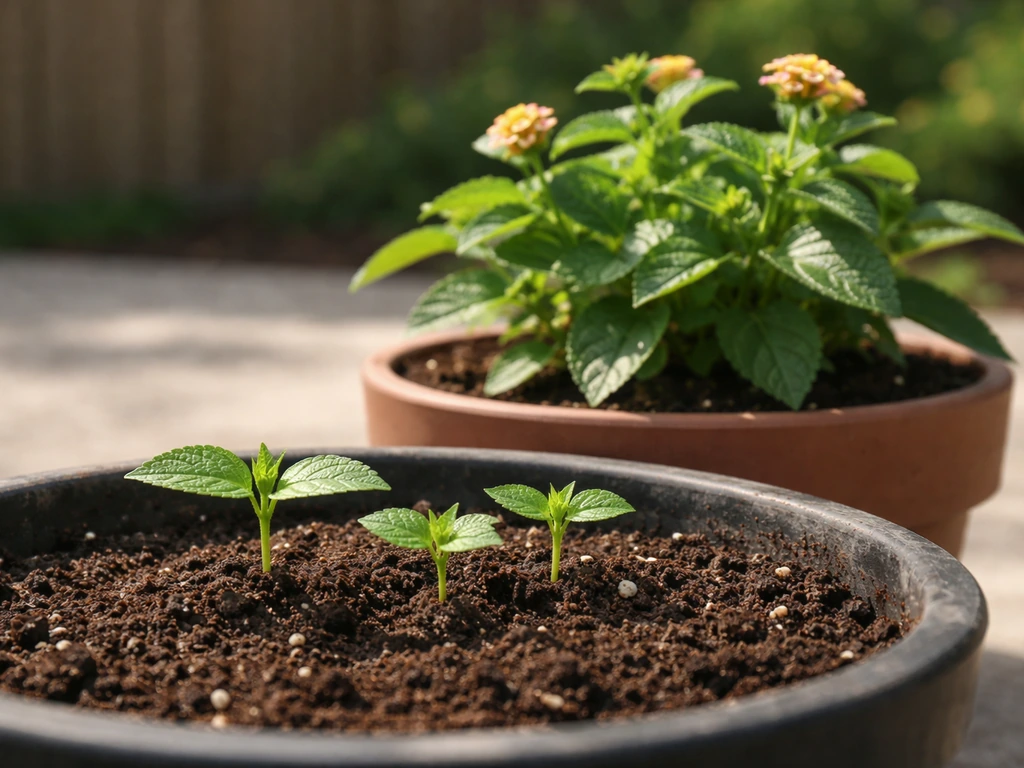
The full lantana seed timeline at a glance
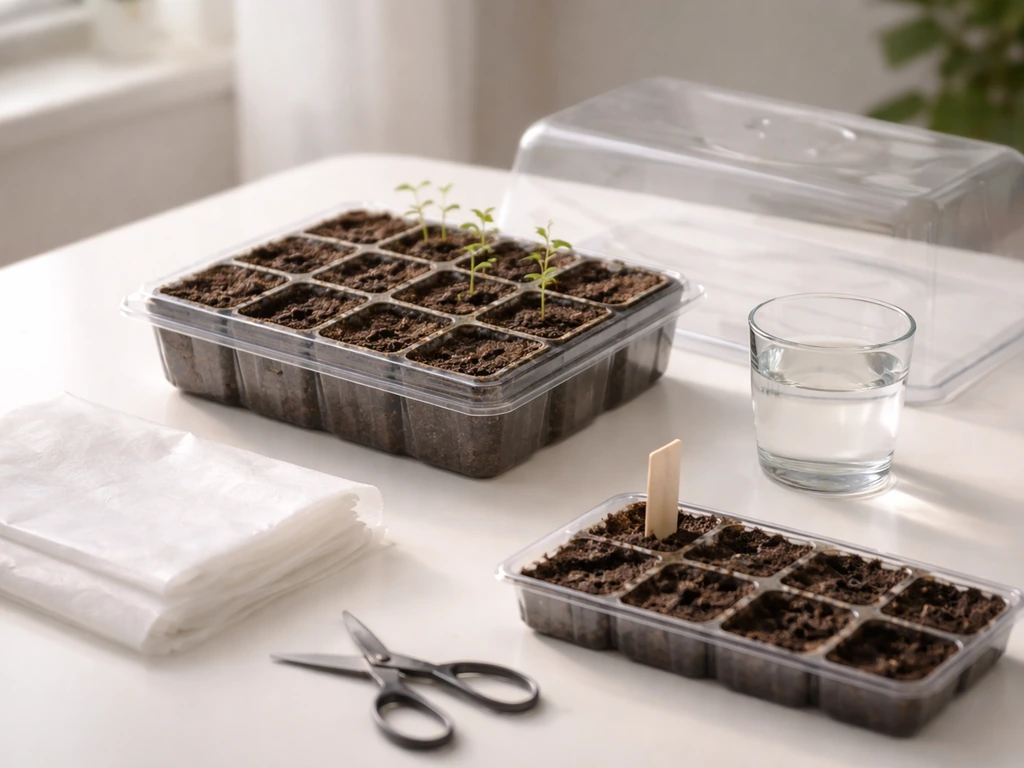
Here is how each stage typically plays out under good indoor conditions with consistent warmth and light. Think of these as realistic targets, not guarantees. Lantana is famously erratic from seed, so do not panic if a tray is still bare at week four.
| Stage | Typical Timeframe | What to Watch For |
|---|---|---|
| Sowing to first sprout | 14 to 60 days (up to 120 days possible) | A tiny pale shoot emerging from the medium |
| Sprout to first true leaves | 1 to 2 weeks after germination | Second set of leaves, distinct from seed leaves |
| Seedling to transplant-ready | 4 to 6 weeks after germination | 3 to 4 true leaves, roots filling the starter cell |
| Transplant to first bloom (small pot) | 5 to 7 weeks after transplant | Flower buds forming at stem tips |
| Transplant to first bloom (gallon container) | 11 to 12 weeks after transplant | Full canopy, heavy bud set |
| Total seed to flower (best case) | Around 4 months | Warm, bright, consistent conditions throughout |
| Total seed to flower (typical home garden) | 5 to 6 months | Normal indoor variability, hardening off included |
Compare this to something like snapdragons or salvias, which tend to germinate faster and more uniformly. Salvias often germinate and establish a bit faster than lantana, so the timeline can be shorter once you know what to look for salvias take to grow from seed. Snapdragons, by contrast, usually germinate faster and can be ready to bloom sooner, but the exact timing depends on sowing method and temperature. Lantana is slower off the blocks, but once it gets going it grows quickly and rewards you with months of color. The slowness at the start is mostly a seed-coat issue, which you can work around with a good pre-soak.
What actually affects how fast lantana seeds sprout
Temperature is the single biggest lever. Lantana seeds need steady warmth, ideally 70 to 75 degrees Fahrenheit day and night, to germinate reliably. Drop below 65 and germination slows dramatically. Drop into the 50s and you may get nothing at all. This is not a seed that tolerates a cold windowsill.
Seed freshness matters more than people expect. Old lantana seeds have notoriously low and uneven germination rates. If your seeds are more than a year old or came from dried berries you saved yourself, expect the wide end of that 14 to 120 day range. Fresh seeds from a reputable supplier give you a much tighter window.
Lantana seeds have a fairly thick coat, which is part of why germination is so variable. Skipping the pre-soak is probably the most common mistake home growers make. A 12 to 24 hour soak in warm water softens that coat and can shave weeks off the wait.
- Temperature: 70 to 75 F is the sweet spot; cold conditions can literally double your crop time
- Seed freshness: fresh seeds germinate faster and more evenly than stored or saved seed
- Seed coat: thick coats slow water uptake; pre-soaking is one of the best things you can do
- Moisture consistency: medium that dries out between checks will stall or kill germinating seeds
- Sowing depth: too deep (more than 1/8 inch) blocks the emerging shoot
- Light during germination: seeds do not need light to sprout, but the medium overheats under plastic in direct sun
- Air circulation after sprouting: stuffy, wet conditions invite damping off once seedlings emerge
How to sow lantana for the fastest possible germination

Follow these steps closely and you will hit the faster end of that germination window. Skip any one of them and you are rolling the dice on whether and when things sprout.
- Soak seeds in warm (not boiling) water for 12 to 24 hours before sowing. This softens the seed coat and jumpstarts water uptake. Some growers use hot tap water rather than room temperature water for the first hour, then let it cool. Either approach works.
- Fill seed trays or small pots with a soilless seed-starting mix, not garden soil. A 50/50 blend of peat moss and perlite or vermiculite works well. Moisten the medium thoroughly before you sow so you are not watering down into it afterward.
- Sow seeds at a depth of exactly 1/8 inch (about 3 mm). That is shallow. Press them gently into the medium and cover lightly. Deeper than 1/4 inch and emergence rate drops sharply.
- Cover the tray with a clear plastic dome or slip the whole thing into a clear plastic bag. This holds humidity around the seeds without any additional watering needed for days at a time.
- Place the covered tray on a heat mat set to 70 to 75 F. Check the medium surface every couple of days and mist lightly if it looks like it is drying. Keep the tray out of direct sunlight while it is covered, since sun plus plastic creates too much heat.
- Check daily starting at day 10. Once any seeds sprout, remove the plastic immediately and move the tray to bright light, ideally under grow lights 14 to 16 hours a day or on a south-facing windowsill. Keep the heat mat running until seedlings are well established.
- Thin to one seedling per cell once sprouts have their first true leaves. Crowded seedlings compete for light and grow weak.
The plastic bag trick is one of those things that feels fussy the first time but makes a real difference. Lantana seeds want humidity around them while they are waking up, and a covered tray holds that humidity without any extra work on your part.
Indoor vs outdoor starting: planning by season
Lantana is a tropical plant that cannot handle frost, and transplanting into cold soil (below 60 F) will set seedlings back badly or kill them outright. Gazania has its own seed-to-bloom timing, but you can usually estimate it by counting weeks from sowing under warm, sunny conditions how long does it take to grow gazania from seed. Your sowing date needs to be timed backward from your last frost date and from when your outdoor soil actually warms up.
Starting indoors (recommended in most climates)
Start seeds indoors 10 to 12 weeks before your anticipated last frost date if you are in a cooler climate where spring takes a while to warm. In milder climates, 6 to 8 weeks before transplant date is plenty. The longer lead time accounts for lantana's slow, unpredictable germination. If you start only 6 weeks out and germination takes 5 weeks, you will have barely-sprouted seedlings when you need transplant-ready plants.
For most of the continental US, that means starting seeds indoors somewhere between late January and early March for a May or June outdoor transplant date. Here in May 2026, if you are in a warm climate where soil is already above 60 F, you could direct sow now and expect late-summer flowers. In cooler zones, starting seeds indoors right now gives you transplants in July and flowers by late summer.
Direct outdoor sowing
Direct sowing outdoors works best in USDA zones 8 and warmer, where the soil stays warm for a long season. Wait until all frost danger is gone and soil temperatures are consistently above 60 F. Sow at 1/8 inch depth, keep the area moist, and be patient. Outdoor germination is less predictable because soil temps fluctuate, but it works fine if you are not in a hurry and your summer is long.
| Climate Zone | When to Sow Indoors | When to Transplant Outdoors | Expected First Bloom |
|---|---|---|---|
| Zones 4 to 5 (short summers) | Late January to early February | Late May to early June | Late July to August |
| Zones 6 to 7 (moderate summers) | February to early March | Mid-May | July |
| Zones 8 to 9 (warm climates) | March or direct sow in spring | April to May | June to July |
| Zone 10+ (subtropical/tropical) | Direct sow almost any time | Year-round with warm temps | 60 to 90 days from transplant |
One thing worth noting: CSU Extension warns against starting too early indoors, which produces leggy, weak seedlings when light is limited in midwinter. In zones 4 to 6, starting before late January often means sad, stretched seedlings by the time transplant date arrives. If you are using grow lights, you can start a bit earlier without that problem.
Why your seeds are not sprouting (and what to do about it)
Lantana germination failure or extreme slowness has a handful of common causes, and almost all of them are fixable once you identify which one you are dealing with.
The medium is too cold
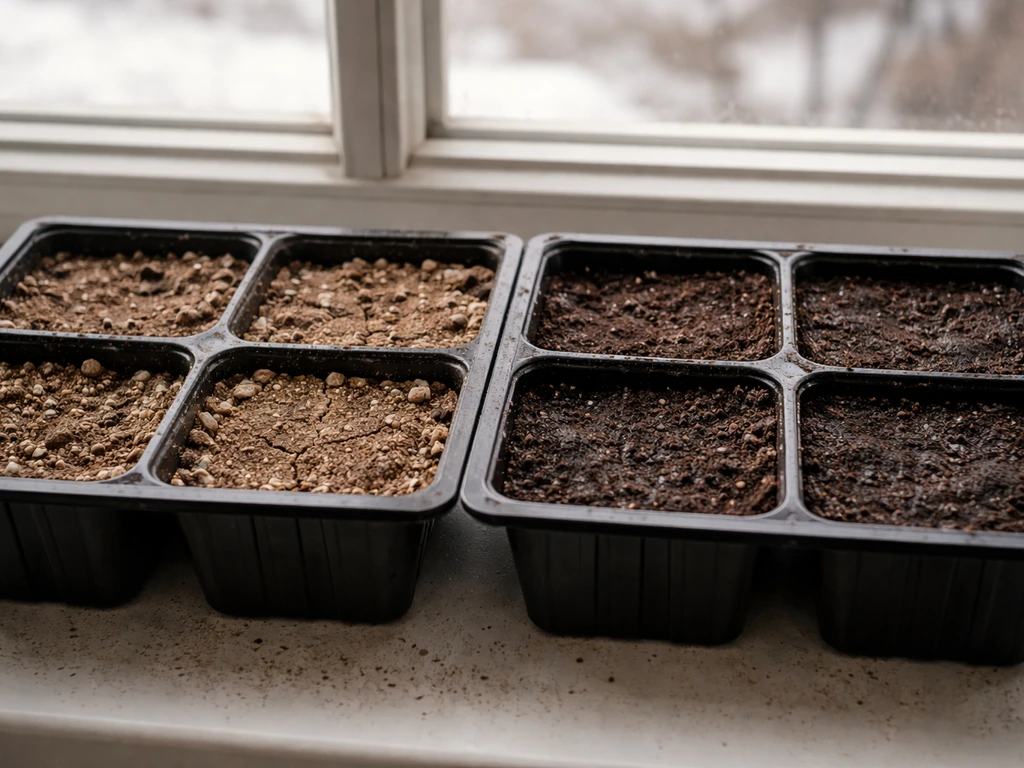
This is the most common problem. A windowsill in winter can look warm but actually runs 60 to 65 F, especially at night. Lantana seeds simply will not sprout reliably below 65 F, and 70 to 75 F is where they really move. If you do not have a heat mat, try placing your tray on top of a refrigerator, near (not on) a radiator, or inside an oven with just the light on. Check the actual medium temperature with a thermometer rather than guessing.
The medium dried out
A seed that starts to germinate and then dries out will die before it ever breaks the surface. You will not even see evidence of it. If your tray is uncovered or in a warm room without a humidity dome, it can dry out in less than 24 hours. Use the plastic bag or dome method until sprouts appear, and check every couple of days. Once seedlings are emerging, remove the plastic covering and provide supplemental light to help prevent leggy growth plastic bag or dome method until sprouts appear.
The medium is too wet
Soggy medium promotes mold and rot. The goal is consistently moist, meaning it holds moisture like a wrung-out sponge, not waterlogged. If you see white fuzzy mold on the surface, improve air circulation slightly (crack the plastic bag a little) and let the top layer dry slightly before misting again.
Seeds were planted too deep
At 1/8 inch, lantana seeds are barely covered. If you measured casually and went to 1/2 inch or deeper, the shoot may be germinating underground but unable to reach the surface. Re-sow a new batch at the correct depth.
Old or low-viability seeds
Lantana seeds saved from garden berries or stored more than a year are unpredictable. Even with perfect conditions, viability drops. If you suspect old seed, do a germination test: wrap 10 seeds in a damp paper towel, seal it in a bag, and keep it at 75 F for 3 weeks. Count how many sprout. Under 5 out of 10 means your seed lot is poor and you should source fresh seed before investing more time.
Still nothing after 8 weeks
Do not give up before 10 to 12 weeks. Lantana genuinely can take that long. Keep the heat mat on, keep the medium moist, and check every few days. Some seeds in a tray will sprout at week 3 and others from the same batch will sprout at week 10. That spread is normal and frustrating, but it does not mean the tray has failed.
Transplanting, seedling care, and getting to an established plant
When seedlings are ready to pot up
Transplant seedlings from starter cells into larger containers when they have 3 to 4 true leaves and roots that are starting to fill (not completely pack) the cell. This usually happens 4 to 6 weeks after germination under warm, bright conditions. Move up to a container just 1 to 2 inches larger in diameter than the current cell or pot. Jumping to a huge pot too soon means the extra wet soil around the roots can cause problems, especially since lantana really does not like sitting in moisture.
Hardening off before outdoor transplant
Hardening off is non-negotiable for lantana seedlings that have been growing indoors. Spend 7 to 10 days transitioning them outside: start with 1 to 2 hours of outdoor shade, then gradually increase sun exposure and outdoor time. Skipping this step can cause sunscald, wilting, or major setback even in warm weather. Only move plants outside permanently once soil temps are above 60 F and all frost risk is gone.
Watering and light for young seedlings
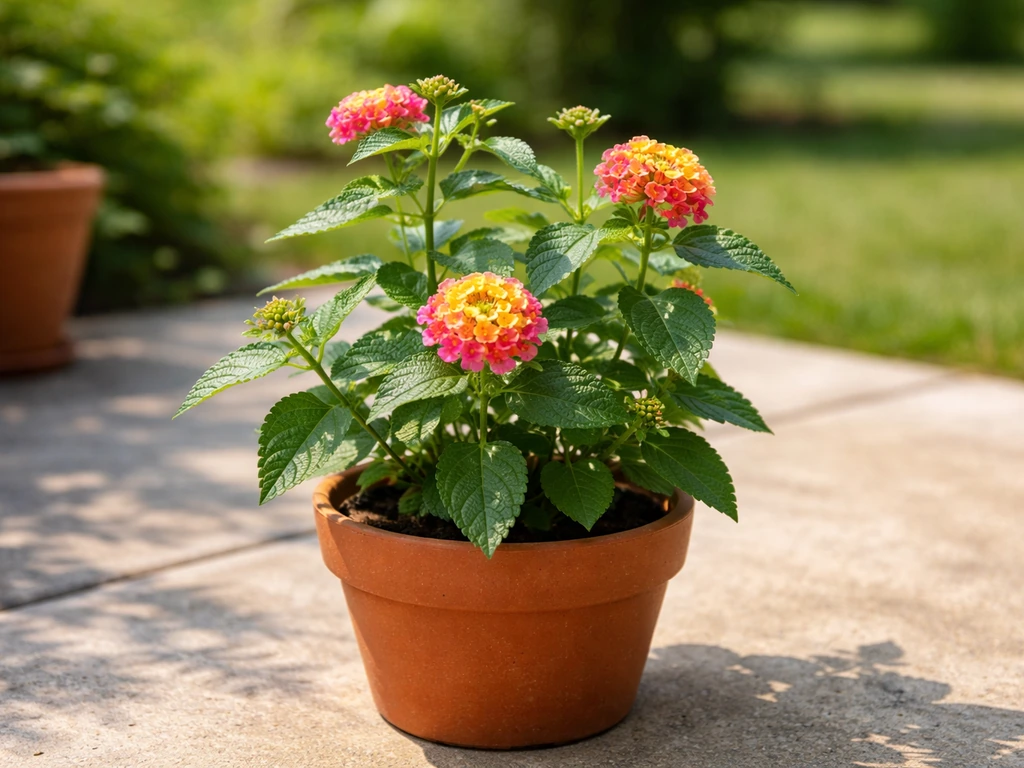
Once seedlings are outdoors or in their final containers, lantana wants full sun: at least 8 hours of direct sun daily. Less than that and growth slows noticeably and flowering is delayed. Water when the top 1 to 2 inches of soil are dry. Lantana is more forgiving of occasional drought than of overwatering, which can cause root rot and drastically reduce blooms. Think of it as a plant that likes to dry out a little between drinks.
When to expect the first flowers
Under warm, bright conditions, expect flower buds 5 to 7 weeks after transplanting into a small container, or 11 to 12 weeks for a gallon-sized planting. If things feel slower, the most common culprits are not enough sun, temperatures that are too cool, or watering too often. Lantana blooms most heavily in heat and humidity, so mid-to-late summer is typically when plants really hit their stride regardless of when you sowed.
Your planning checklist
Use this as a quick reference when mapping out your growing season.
- Count back 10 to 12 weeks from your outdoor transplant date to set your indoor sowing date
- Soak seeds in warm water for 12 to 24 hours before sowing
- Sow at exactly 1/8 inch deep in moist, soilless starting mix
- Cover with a plastic dome or bag and place on a heat mat at 70 to 75 F
- Expect first sprouts in 2 to 8 weeks; do not abandon the tray before 10 to 12 weeks
- Remove cover the moment sprouts appear and move to bright light immediately
- Pot up to a slightly larger container at the 3 to 4 true-leaf stage (about 4 to 6 weeks post-germination)
- Harden off for 7 to 10 days before final outdoor transplant
- Transplant only after soil temps exceed 60 F and frost risk is zero
- Expect first blooms 5 to 12 weeks after transplant depending on container size and conditions
- Provide 8 or more hours of direct sun and water only when the top 2 inches of soil are dry
FAQ
How long to grow lantana from seed if I skip the pre-soak?
Expect germination to land more often in the slow end of the window. Instead of shaving weeks off, you may stay closer to 8 to 12 weeks for sprouts and, overall, closer to 5 to 6 months for blooming if other conditions are only average. If you do skip soaking, be extra strict about warmth (70 to 75 F) and humidity, since coat softness is only part of the equation.
What’s the fastest realistic timeline for getting lantana to bloom from seed?
If you start with fresh seed, maintain steady warmth, use a humidity cover, and transplant as soon as you have several true leaves, a best-case path is often about 4 months from sowing to first flowers. Any delay in warmth or light, or transplanting later than ideal, usually pushes you toward 5 to 6 months.
Why is my lantana sprouting so unevenly within the same tray?
It’s normal for some seeds to break dormancy earlier than others, even under identical conditions. A common reason is that seeds respond differently to warmth and moisture at the seed-coat level. Another practical factor is uneven moisture at the surface, if some cells dry faster than others, so gently rotating the tray every few days can help catch up slower seeds.
Can I start lantana seeds in a windowsill without a heat mat?
It’s risky, because windowsills often run cooler at night (even if daytime looks warm). Since lantana needs more consistent temperatures around 70 to 75 F to germinate well, a heat mat or another controlled warmth source is usually the difference between 3 to 8 weeks and near-failure. If you try without one, use a thermometer at seed level, not room temperature.
When should I remove the plastic bag or humidity dome?
Once you see sprouts consistently for a few days, begin leaving the lid slightly vented to reduce mold risk and to harden seedlings gradually. If you remove it too early, the small seedlings can dry out before they establish. A good approach is to start with light venting, then fully remove after most trays show true leaves.
How deep should I sow lantana seeds to avoid slow or underground germination?
Sow around 1/8 inch deep. If seeds are buried closer to 1/4 inch or deeper, they can germinate but struggle to reach the surface, making it look like nothing is happening. The fix is to re-sow a new batch at the correct depth rather than trying to dig up seedlings.
What if my seeds germinate but the seedlings look weak or stretched?
This is usually a light problem, not a watering problem. If you started indoors in winter, limited daylight can produce leggy growth even when germination was successful. Using stronger light (often grow lights) and not enlarging the pot too early helps the seedlings build sturdier stems and roots.
How long after transplanting will lantana flower in containers of different sizes?
Expect a quicker timeline in smaller containers and a slower one in larger pots. A common target is about 5 to 7 weeks in a small container and roughly 11 to 12 weeks in a gallon-sized planting, since extra soil stays wet longer and roots need time to fill it.
Can I direct sow lantana, and how long does it take compared to starting indoors?
Direct sowing is mostly reliable only where summers are long and soil stays warm, typically USDA zone 8 and warmer. Timing is less predictable because outdoor soil temperatures fluctuate, so germination can land anywhere in that same broad range. Practically, you’ll often get later blooms outdoors compared with an indoor start, unless your soil is warm immediately after sowing.
What should I do if my seedlings won’t harden off after moving outside?
If they wilt, stall, or show leaf damage, don’t keep pushing the full sun schedule. Extend the hardening period (often longer than 7 to 10 days) and ramp light in smaller increments. Also confirm soil temperatures are truly above 60 F, because cool soil can cause setbacks even when air feels warm.
How can I tell whether my lantana seed lot is likely to fail before investing weeks?
Do a quick germination test with about 10 seeds kept warm (around 75 F) in a damp paper towel for roughly 3 weeks. If fewer than 5 sprout, treat the lot as low quality and plan to buy fresher seed, since even perfect growing conditions may not compensate for poor viability.
How Long Do Salvias Take to Grow From Seed?
Seed-sown salvias: germination, first leaves, transplant size, and first bloom timing by variety and sowing method.