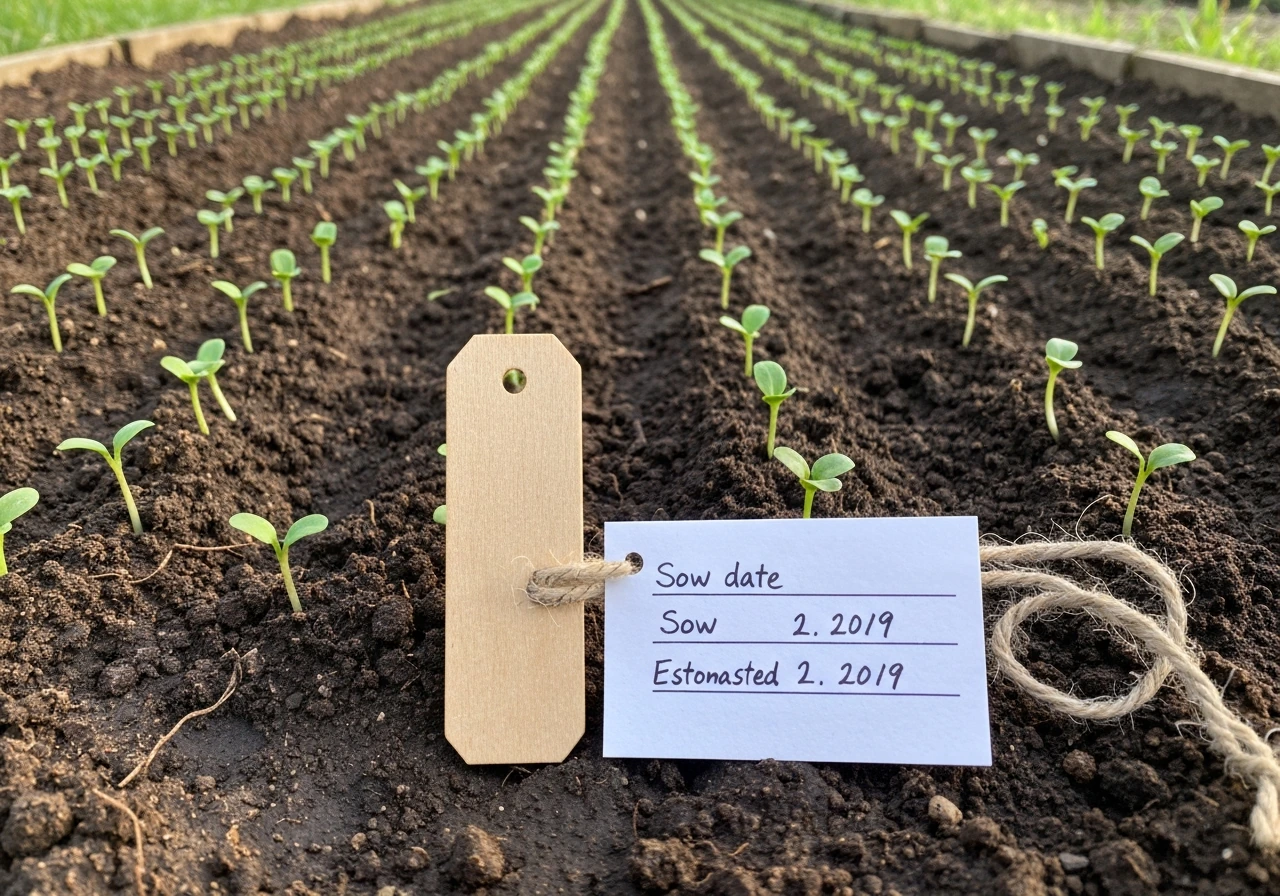
Sedum seeds typically germinate in 7 to 21 days when kept at 65 to 75°F (18 to 24°C) with consistent surface moisture and light. From there, you're looking at roughly 6 to 8 weeks to get sturdy seedlings ready to transplant, and most sedum varieties will reach flowering size in their first or second summer depending on when you sow and where you live. If you're starting now in late April or early May, you're in a great window to get seeds going indoors and have plants ready for the garden by early June.
How Long Do Sedum Seeds Take to Grow From Seed
Marcus Henley
30 Apr 2026
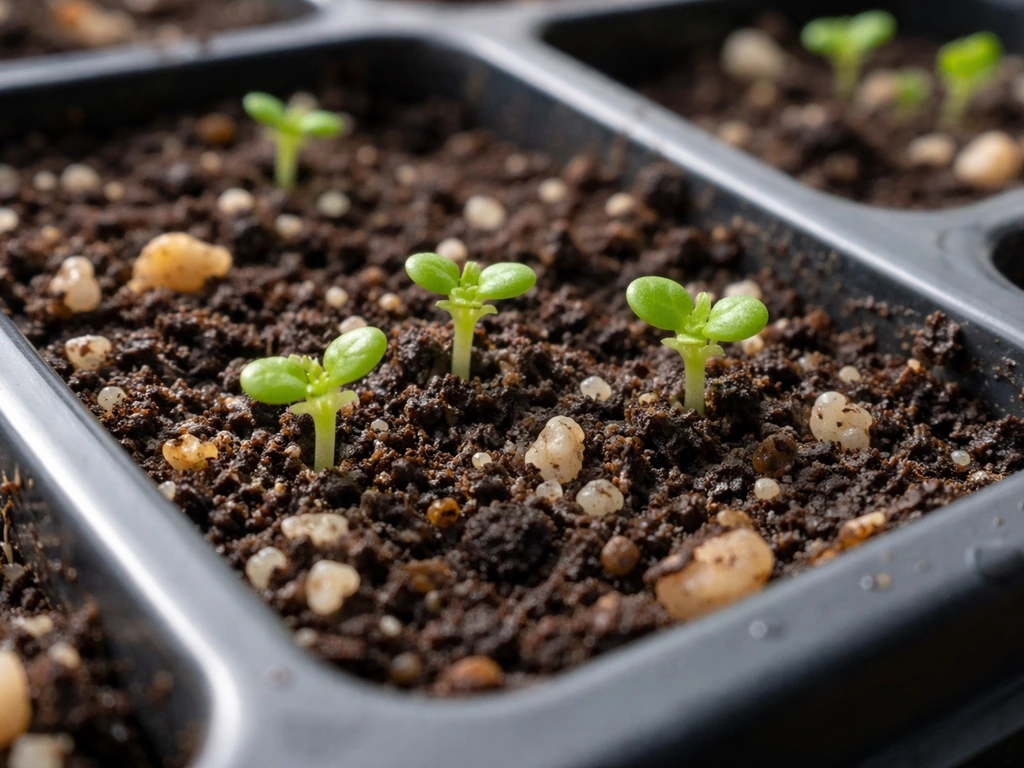
Germination to flowering: the full timeline at a glance
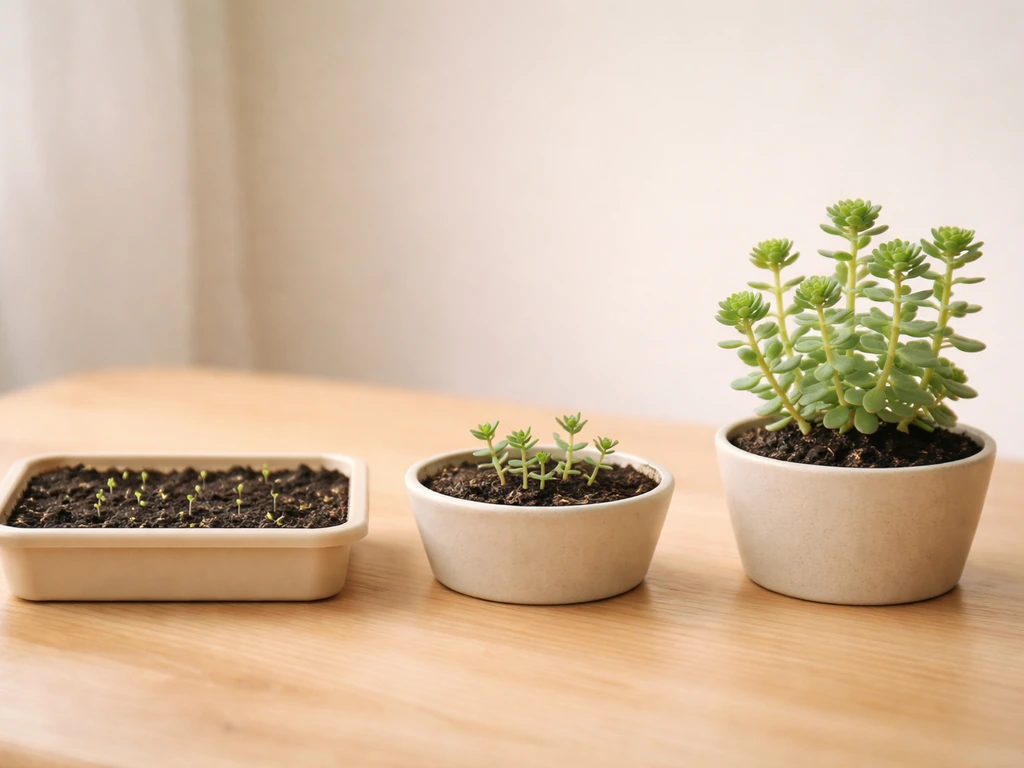
Sedum is not a fast grower from seed compared to, say, cosmos or summer annuals, but it's not painfully slow either. The key is understanding that the germination window is pretty wide, and a lot depends on temperature and light conditions. Here's how the timeline breaks down in real terms:
| Growth Stage | Typical Timeframe | Notes |
|---|---|---|
| Germination (radicle emergence) | 7 to 21 days | 7–10 days is common under ideal conditions; up to 21+ days if temps are lower |
| Seedling establishment | 3 to 5 weeks after germination | Tiny rosettes forming; surface moist conditions critical |
| Transplant-ready plug/seedling | 6 to 8 weeks from sowing | When first true leaves are well formed and roots hold media |
| First flowering (from seed) | First summer if sown early; reliably second summer | Larger species like Sedum spectabile often bloom in year 2 |
| Full mature plant size | 2 to 3 seasons | Low creeping types fill in faster than upright varieties |
If you're sowing in late April indoors right now, a realistic expectation is germination by mid to late May, seedlings ready to go outdoors in June, and a good chance of flowers on shorter or creeping sedum types this same summer. Upright border varieties like Sedum spectabile (now sometimes called Hylotelephium spectabile) may wait until next summer to bloom, but they'll put on solid leafy growth this year.
What actually affects how fast sedum seeds germinate
Temperature
Temperature is the single biggest lever you have. Sedum seeds germinate most reliably at soil temperatures between 65 and 75°F (18 to 24°C). Commercial growers like green-roof sedum producers aim for this range and consistently see germination in 7 to 10 days. If your trays sit in a cooler room at 55 to 60°F, expect germination to stretch out to 3 weeks or longer. Fluctuating day and night temperatures can actually help trigger germination for some stonecrop species, mimicking natural seasonal cues, so a room that drops a bit at night (down to around 54 to 57°F) isn't necessarily a problem as long as daytime temps stay warm.
Light
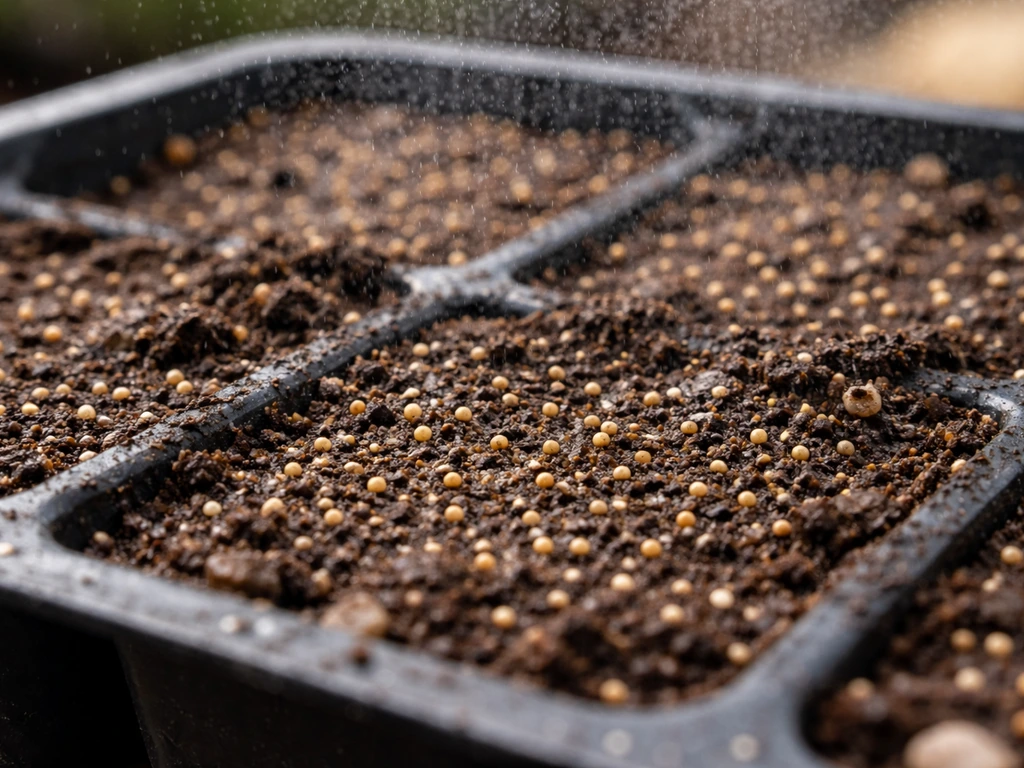
This is the detail that trips up a lot of gardeners: sedum seeds need light to germinate. Do not cover them with soil or vermiculite. Press the seeds firmly onto the surface of your growing medium so they have good contact with the soil, and leave them uncovered. Place the tray under grow lights or on a very bright windowsill. Commercial propagators specifically track this as a germination requirement, and skipping it is one of the most common reasons seeds fail to sprout even when temperature and moisture seem fine.
Moisture
The surface of the medium needs to stay consistently moist until germination, which is harder than it sounds with tiny uncovered seeds. Green-roof sedum producers irrigate several times a day during establishment for exactly this reason. At home, the easiest solution is a humidity dome or a clear plastic bag loosely over the tray. Check at least once daily and mist with a spray bottle as needed. Once seedlings emerge, back off the frequency and let the top few millimeters dry slightly between waterings to prevent damping off.
Sowing depth
Depth is simple with sedum: zero. Do not bury the seeds at all. Press them onto the surface of pre-moistened seed-starting mix or a fine gritty medium, and that's it. Because light is required for germination, covering seeds even shallowly can delay or entirely prevent sprouting.
Should you cold-stratify sedum seeds, and does it change the timeline?
For many common cultivated sedum varieties, cold stratification is not strictly required, and you can skip straight to sowing at room temperature and expect reasonable germination rates. However, some species, particularly wild-collected stonecrop seeds or less commonly grown species, do benefit from stratification. Certain stonecrop accessions use a warm/cold stratification sequence, where seeds are first kept warm and moist for a period, then moved to cold conditions before being brought back to germination temperatures.
If you're working with seeds of uncertain origin, older seeds, or species that have been slow to germinate without stratification, a cold moist stratification of 4 to 6 weeks in the refrigerator (around 35 to 40°F) can significantly improve germination rates. The trade-off is time: add those 4 to 6 weeks to your overall schedule. If you want flowers this season and you're starting in late April, skipping stratification and sowing now is the better call for most garden sedum varieties. Save stratification as a troubleshooting tool if you see very low germination on a first attempt.
Seed viability is also worth mentioning here. Fresh seed (harvested within the same season or the year prior) typically shows germination rates of 85% or better. Older seed that has been stored for 2 or more years without proper cold storage may germinate poorly regardless of technique, so if you have old seed packets, test a few on a damp paper towel before committing to a full tray.
The best way to start sedum seeds right now
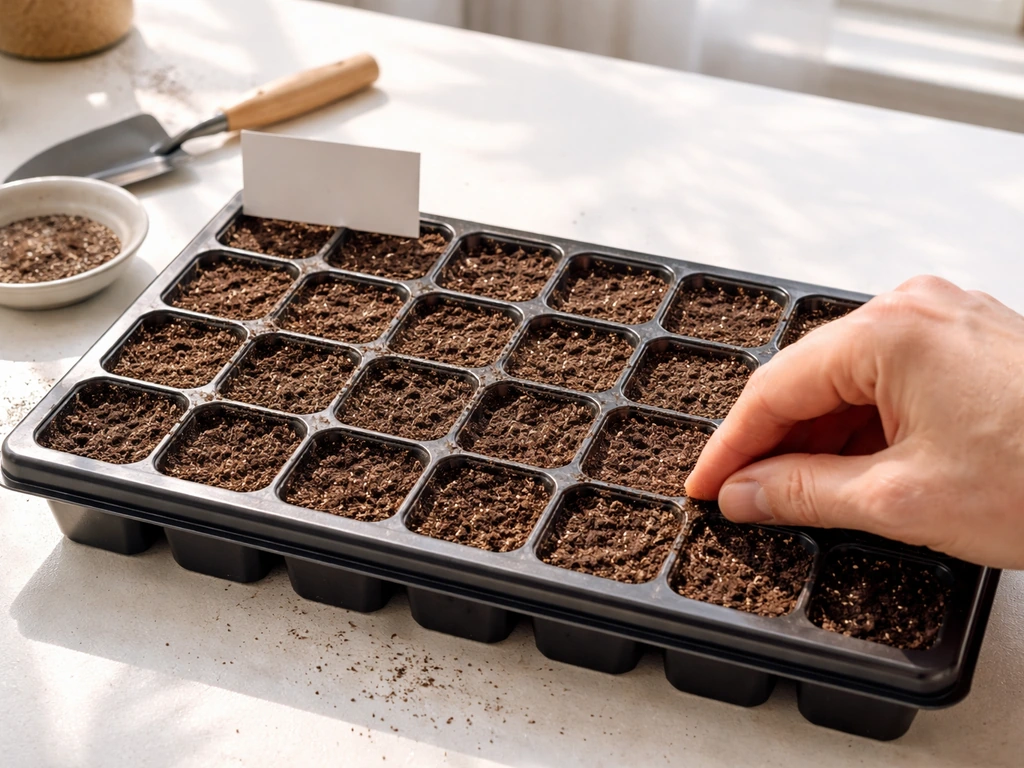
Starting indoors (recommended for most climates in late April)
Indoor starting gives you control over temperature and moisture, which matters most in the early germination window. Here's how to set it up:
- Fill small cell trays or seed-starting containers with a fine, well-draining seed mix. A 50/50 blend of standard seed-starting mix and perlite or coarse sand works well because sedum hates waterlogged conditions.
- Pre-moisten the mix before sowing so the surface is damp but not soggy.
- Press seeds onto the surface, one or two per cell, and do not cover them.
- Place a clear humidity dome or plastic wrap loosely over the tray to hold moisture.
- Set the tray under grow lights or on a south-facing windowsill where temps stay around 65 to 75°F during the day.
- Check daily and mist the surface if it looks dry. Remove the dome once you see the first sprouts to prevent fungal issues.
- Keep grow lights about 2 to 4 inches above the seedlings once they emerge to prevent leggy growth.
Direct outdoor sowing
You can sow sedum directly outdoors once nighttime temperatures are reliably above 50°F and you have a stretch of dry, settled weather ahead. In most of North America, that's late May through June. The challenge with outdoor direct sowing is keeping the surface consistently moist enough for germination, and protecting the seeds from being disturbed by rain splash, birds, or drying wind. If you go this route, choose a spot with good drainage and some afternoon shade to reduce surface drying, and plan on misting twice daily until you see sprouts. Germination outdoors in cool spring conditions will typically run closer to 14 to 21 days rather than the 7 to 10 days you'd get indoors.
Caring for sedum seedlings after germination
Sedum seedlings are tiny at first, but they're tougher than they look once they get past the first week or two. The main risks in the seedling phase are overwatering and damping off, and overcrowding in the tray.
Watering after germination
Once seeds have sprouted, shift from keeping the surface constantly moist to a slightly drier approach. If you are also wondering how long do autoflower seeds take to grow, the timing can be quite different from these sedum germination and seedling stages slightly drier approach. Water from the bottom by setting trays in a shallow dish of water for a few minutes, then let them drain. This encourages roots to grow downward and avoids wetting the crowns of tiny seedlings, which causes rot. By the time seedlings are 2 to 3 weeks old and have their first true leaves, you can let the top 5mm of the medium dry out between waterings. Sedum is a succulent: a little drought stress is fine, a lot of sitting moisture is not.
Thinning and transplanting
Thin seedlings to one per cell when they have their first set of true leaves (usually about 2 to 3 weeks after germination). If you sowed in a flat rather than cells, transplant into individual containers at that same stage. Seedlings are ready to move to the garden when they have a well-established root system that holds the plug together, typically 6 to 8 weeks after sowing. Harden them off over 7 to 10 days by setting the tray outdoors in a sheltered, partly shaded spot during the day and bringing it back in at night before planting out permanently.
When will your sedum actually flower and reach full size?
This depends heavily on the variety and your climate, and it's the part of the timeline that surprises many first-time sedum growers. Low-growing creeping sedum varieties, like those used for green roofs or groundcover, tend to mature faster and may produce flowers in their first summer if you start seeds early enough indoors. Upright clumping types, particularly Sedum spectabile and its relatives that are popular as border perennials, typically bloom reliably in their second summer from seed.
If you're starting seeds indoors right now at the end of April, here's a realistic seasonal roadmap based on your climate:
| Climate Zone | Transplant Outdoors | First Flowers (Year 1) | Full Size / Reliable Bloom |
|---|---|---|---|
| Zones 3–4 (cold northern) | Early June | Unlikely year 1 for tall types; possible for creepers | Year 2 summer |
| Zones 5–6 (moderate) | Late May to early June | Possible for low/creeping types | Year 2 summer for upright types |
| Zones 7–8 (warm temperate) | Mid to late May | Likely for creeping types; upright may attempt | Year 2, though some bloom year 1 |
| Zones 9–10 (mild winters) | May or earlier | Many varieties bloom year 1 | First or second summer |
The Syngenta commercial production protocol targets 65 to 77°F daytime and 54 to 57°F nighttime temperatures during the seedling plug stage, which lines up well with typical late-spring outdoor temperatures across most of the temperate US and Canada. Getting your plants outdoors into those natural conditions in late spring actually mimics the commercial growing environment pretty closely, which is reassuring.
If your seeds aren't germinating: what to check
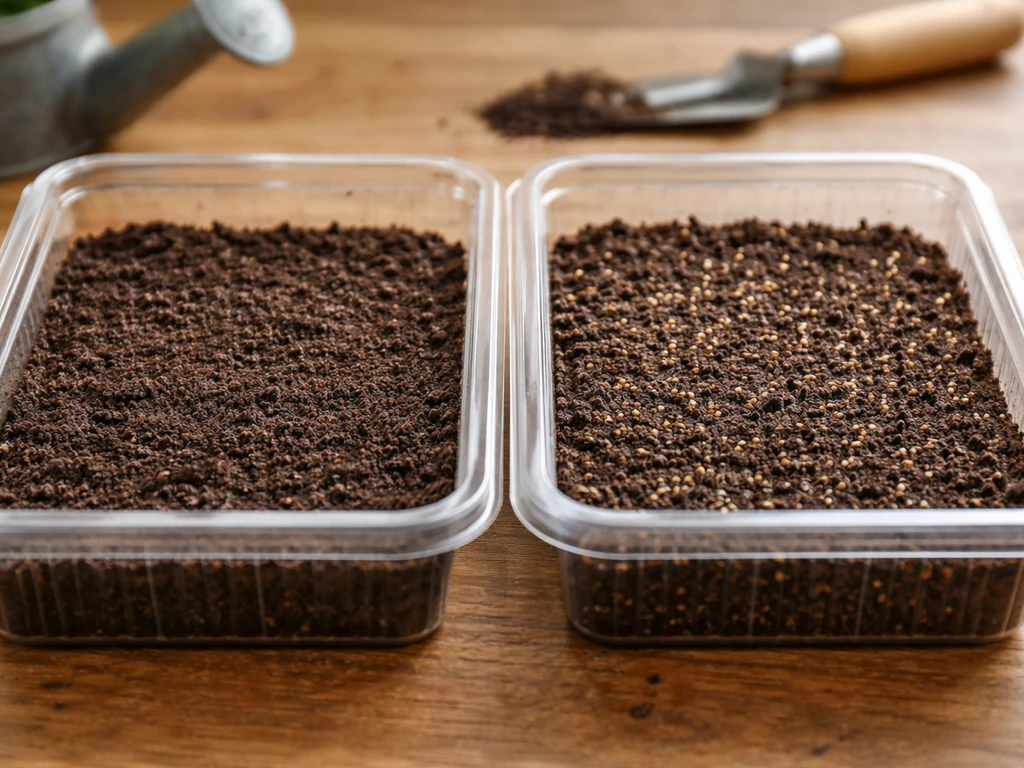
Slow or no germination is frustrating, but it's almost always fixable once you identify the cause. Work through this checklist before giving up on a batch:
- Seeds were covered with soil: this is the most common mistake. Sedum needs light to germinate. Gently brush any covering off the surface and expose the seeds to light.
- Temperature too low: if your tray is in a room below 60°F, germination will be slow or stalled. Move the tray to a warmer location or add a heat mat set to 68 to 72°F.
- Surface dried out between checks: if the surface of the medium dries completely even once during germination, seeds can die before sprouting. Use a humidity dome and mist more frequently.
- Old or poorly stored seed: seed stored at room temperature for more than a year may have sharply reduced viability. Test on a damp paper towel for 10 to 14 days before assuming the whole batch is bad.
- Waterlogged medium: soggy conditions cause seed rot. If your mix stays wet for more than a day or two after watering, add more perlite or start fresh with a more open mix.
- Wrong species requiring stratification: if you've met all other conditions and still see under 20% germination after 21 days, try cold-moist stratifying some seeds for 4 to 6 weeks and retesting.
- Lights too far away: if seedlings do emerge but look pale and leggy, or if germination is patchy, getting brighter or closer light can help complete the germination process for seeds that have partially sprouted.
One thing worth noting: sedum germination is sometimes staggered. You might see 40% of seeds sprout in the first week, then more trickling in over the following two weeks. That's normal behavior, not a failure. Give a tray a full 21 to 28 days before deciding germination is done, especially if conditions haven't been perfectly consistent throughout.
Compared to faster-sprouting seeds like cosmos, which can be up and visible in just a few days, sedum asks for a bit more patience. Compared to faster-sprouting seeds like cosmos, such as when you ask how long do cosmos take to grow from seed and plan for the timeline accordingly, sedum asks for a bit more patience. If you're also wondering about cycad timelines, cycad seeds can take much longer to sprout than sedum, so it helps to plan ahead for germination and early growth how long do cycad seeds take to grow. In general, aquarium seeds follow a different growth schedule, but you can estimate timing by the same core factors like temperature and water quality how long do aquarium seeds take to grow. But once established, sedum is one of the most low-maintenance perennials you can grow, and starting it from seed is genuinely satisfying when the timeline clicks into place. Aloe vera is also started from seed, but its growth timeline is different from other succulents.
FAQ
How long do sedum seeds take to germinate in a cold room or unheated garage?
Yes, but expect a longer wait. If temperatures are mostly below about 60°F (15°C) or the daytime highs never reach the mid-60s to low-70s°F range, germination commonly stretches toward 3 to 4 weeks, even if moisture and light are correct. Use a consistent warm daytime spot (near a heater vent or under strong grow lights) and avoid cold drafts.
When can I transplant sedum seedlings outdoors after they sprout?
You should plan on about 6 to 8 weeks after germination to transplant once the seedlings have a root system that holds the plug together. But do not transplant just by calendar date, use a readiness check: at least a couple sets of leaves, firm stems, and medium that can be lifted without the plug falling apart.
Do I need a humidity dome, and how do I avoid mold or damping off?
A humidity dome or plastic bag helps a lot, but ventilation is important. Aim for a bag that is loose enough to prevent heavy condensation and check daily, wiping drips off the inside if water pools. Too much trapped moisture with poor airflow increases damping-off risk.
What happens if I accidentally cover sedum seeds with soil or vermiculite?
Yes, and it is one of the most common failure points. Seeds need light, so even a thin dusting of soil or vermiculite can delay or prevent germination. Press seeds firmly onto pre-moistened mix so contact is good, then keep them uncovered under lights or bright glass.
My sedum seeds have not all sprouted yet, is staggered germination normal?
That can be normal. Sedum germination is often staggered, where some seeds sprout early and others follow over the next one to two weeks. Give the tray a full 21 to 28 days under stable conditions before discarding or re-sowing.
What should I troubleshoot first if sedum seeds show no germination?
If you see no sprouts by around 3 to 4 weeks, the most likely causes are insufficient light exposure at the surface, inconsistent surface moisture, seeds being covered, or temperature staying too cool. Also consider seed quality, older seed can germinate poorly even with perfect technique.
How should I water sedum seedlings after they sprout?
Bottom watering is the safer default once seedlings emerge. Set the tray in shallow water for a few minutes, then let it drain fully, keeping crowns from sitting wet. If you only mist the top, be careful not to keep the surface constantly saturated, that increases rot.
Will cold stratification help if my sedum seeds are old or from an unknown source?
Older seed often needs more help. If your seed is older than a couple years or from unknown storage conditions, test a small batch first, then consider adding the 4 to 6 week cold moist stratification to improve odds. Stratification is a time tradeoff, so only use it when germination is the problem.
Do all sedum varieties need stratification before sowing?
Most garden sedum types can be started without stratification if you sow at room temperature and provide light. However, some wild-collected or less common stonecrop species may respond better to a warm then cold sequence, if you have access to the species-specific protocol for that accession.
When should I thin sedum seedlings, and what if they are overcrowded?
Seedlings can look tiny and slow at first, but you can still thin by schedule. When they have their first true leaves, usually 2 to 3 weeks after germination, thin to one per cell. If you wait longer, overcrowding can cause weak growth and higher damping-off rates.
What does it mean if my sedum seedlings sprout but start dying or stalling?
If you get sprouts, but they stall with weak, mushy, or collapsed seedlings, it is usually overwatering or poor airflow rather than a temperature issue. Recheck that water drains well after bottom watering, let the top few millimeters dry slightly between waterings, and avoid letting seedlings sit in water.
How does sowing date affect whether sedum flowers in the first year?
Yes, and you may even get a faster flowering outcome for low-growing types when you start early indoors. Creeping or groundcover sedums often have enough time to flower in the same summer if sown early and grown under warm, bright conditions, while upright clumping types commonly bloom in the second summer.
If I sow sedum outside instead of indoors, how long will it take to grow?
Outdoor direct sowing commonly takes longer because the soil is cooler and moisture is harder to control. Germination outdoors is often closer to 14 to 21 days, and you will need a plan for protecting the surface from birds, rain splash, and drying wind while keeping it consistently moist.
Next Article
How Long Do Summer Seeds Take to Grow A Timing Guide
Know how long summer seeds take to grow with timelines, factors affecting sprout and harvest readiness, and troubleshoot