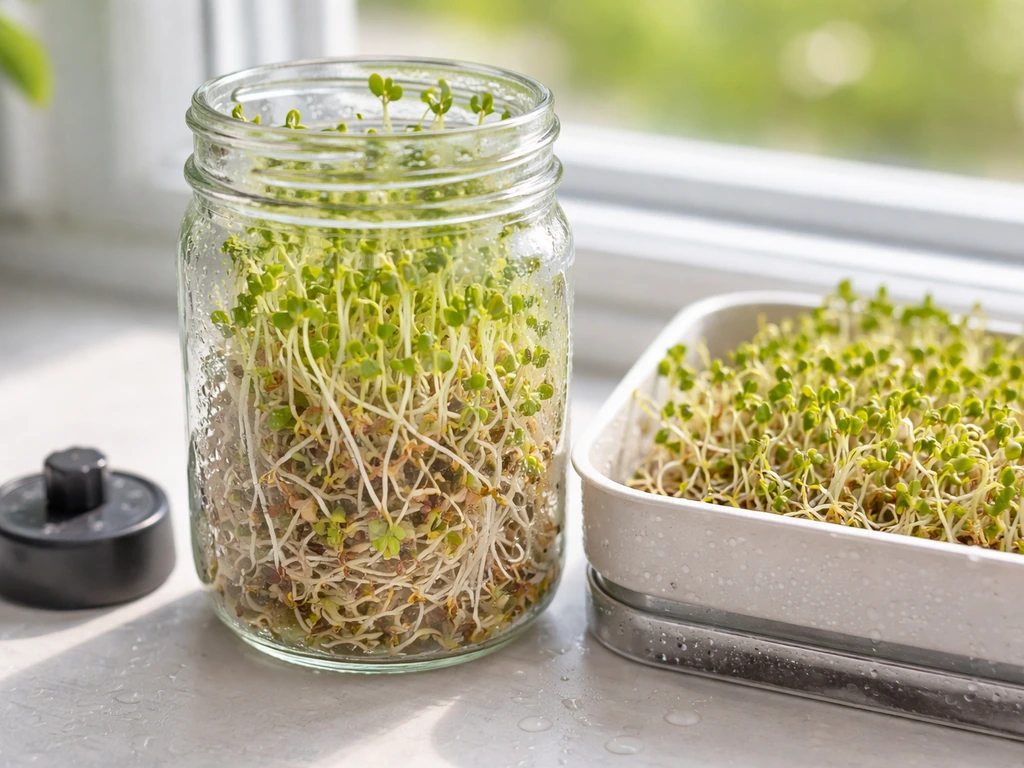
Scotts EZ Seed Patch & Repair typically germinates in 7 to 14 days, produces visible seedlings by days 14 to 21, and fills in enough to look like a real patch within 4 to 6 weeks. Full blending with the surrounding lawn takes 60 to 90 days under good conditions. Those are the honest numbers. Everything below explains what affects them and what to do when things go sideways.
Scotts EZ Seed How Long to Grow: Patch and Repair Timelines
Marcus Henley
15 Apr 2026
What EZ Seed actually is (and why it matters for timing)
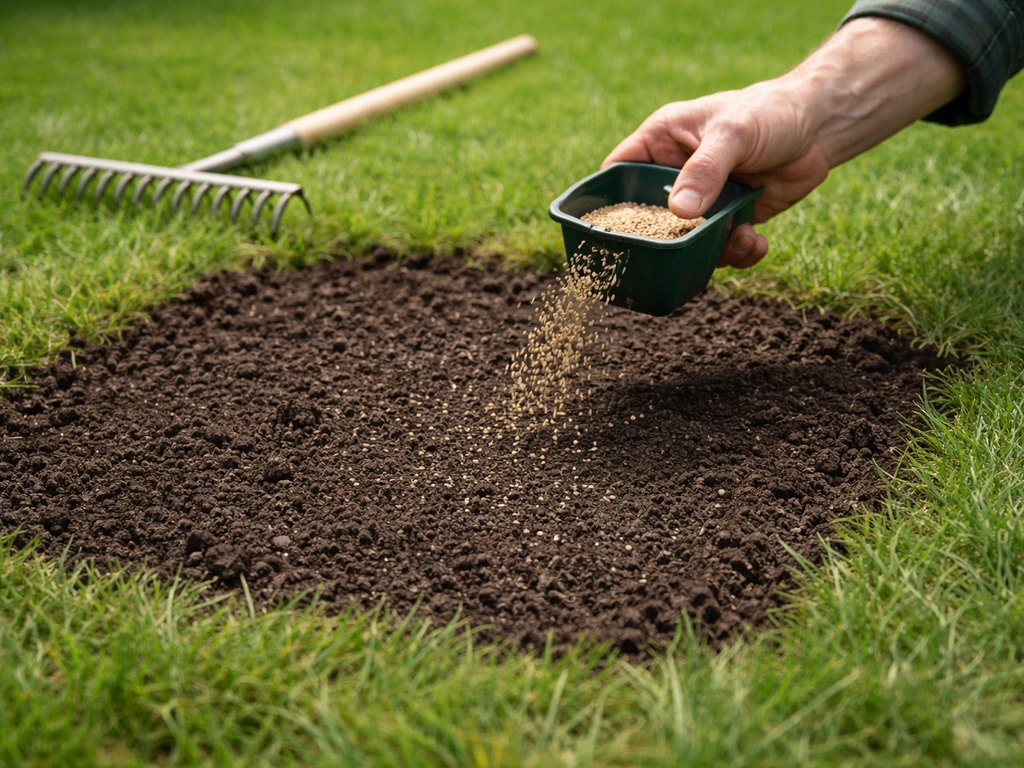
Scotts EZ Seed Patch & Repair is not just a bag of grass seed. It is an all-in-one mix that combines high-performance Tall Fescue grass seed, a continuous-release lawn food, a super-absorbent growing material that acts as mulch, a tackifier to hold seed in place on slopes, and a protectant to shield young seedlings. That combination is what gives EZ Seed its reputation for being beginner-friendly, because the mulch layer retains moisture around each seed and the tackifier prevents washout during watering or rain.
Understanding what is in the bag matters for timing because the moisture-holding material changes how quickly seeds can absorb water and begin the germination process. In dry or sandy soil conditions, that super-absorbent component does real work that bare seed on bare soil simply cannot do on its own. It also means you are not comparing EZ Seed timelines to a bag of bulk turf-type Tall Fescue from a farm store. The product is designed to shorten the window between "just seeded" and "visibly growing," but it is not magic. It still needs the right conditions.
If you want a broader sense of how seed products in general behave before you dig into EZ Seed specifics, how long it takes for seed to grow is a good starting reference point for setting realistic expectations across seed types.
Germination: days 7 to 14
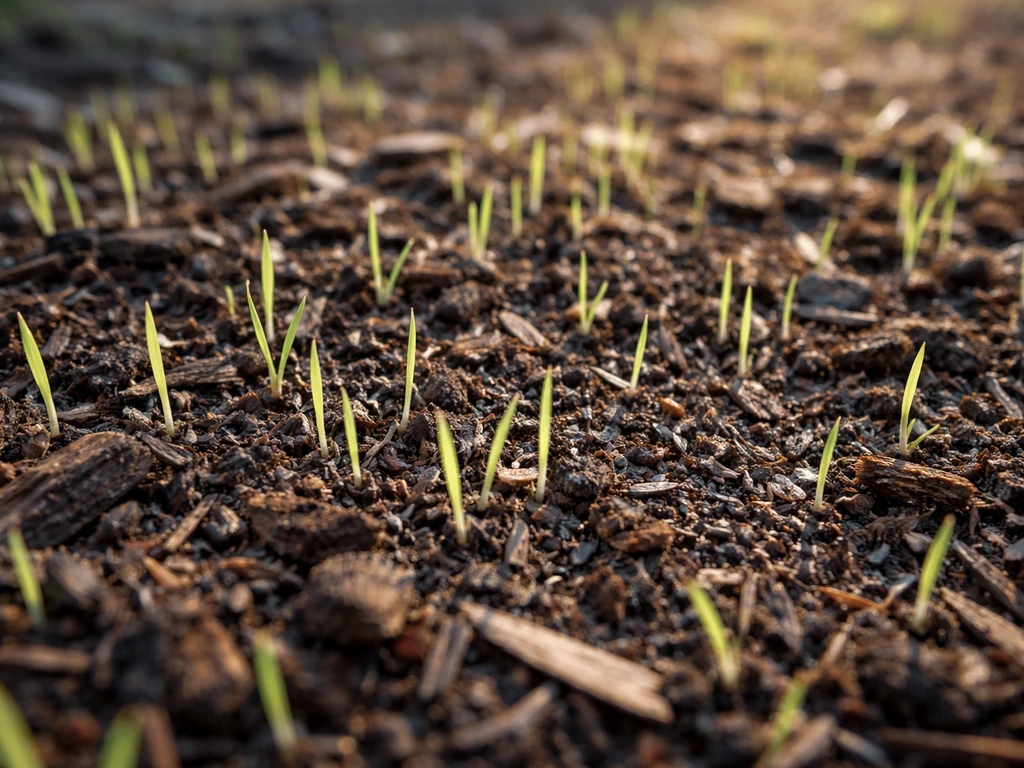
The official germination window for Scotts EZ Seed Patch & Repair Tall Fescue is 7 to 14 days. That range is verified across multiple product listings and aligns with what Tall Fescue grass seed does on its own under favorable conditions. In practice, I find 10 to 12 days is the most common real-world result when soil temperatures are between 50°F and 65°F and the area is kept consistently moist.
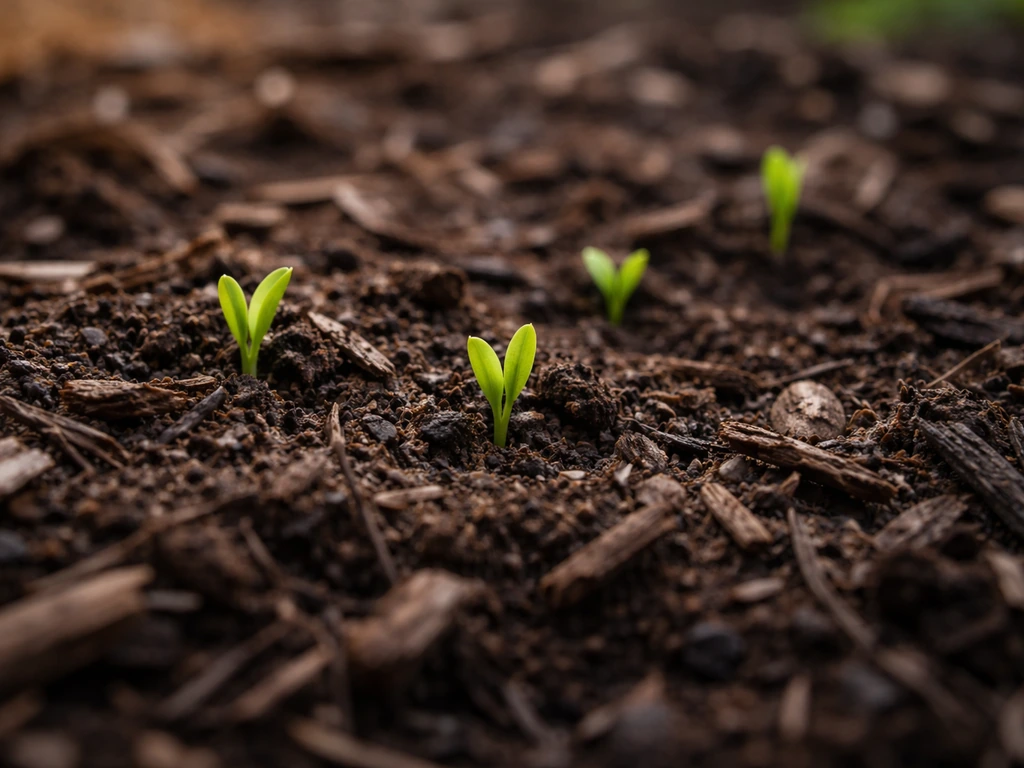
"Germination" at this stage means you will see tiny white or pale green shoots poking through the mulch layer, sometimes just barely visible. Do not be alarmed if day 7 comes and goes without visible sprouts. The seed is still working beneath the surface. The mulch material can also make it harder to spot early shoots compared to bare-soil seeding. Get low and look at an angle in good light before declaring failure.
The 14-day mark is your first real checkpoint. If you see zero growth after two full weeks of consistent watering, that is worth investigating rather than just waiting. More on that in the troubleshooting section.
Seedling establishment: days 14 to 30
Once sprouts appear, you move into the seedling establishment phase. This is roughly days 14 through 30. Seedlings will go from wispy, thread-like shoots to small but upright grass blades that have developed a modest root system. By day 21, a well-performing patch should look visibly green and somewhat fuzzy when viewed from standing height.
This phase is the most fragile part of the whole process. Seedlings have shallow roots and are very sensitive to drying out, foot traffic, and heat. Keep the area moist but not soggy during this period. Watering lightly two or three times a day is better than one deep soak that leaves the surface dry by afternoon. The mulch in EZ Seed helps buffer this, but it is not foolproof in extreme heat or low humidity.
You also want to keep pets and people off the patch during this window. A seedling that gets pressed into the soil or uprooted before it has established roots will not recover. I put a few short garden stakes and a bit of string around patches when I have dogs or kids around. It sounds fussy, but it saves a lot of re-seeding.
When your patch actually looks like something: weeks 4 to 6
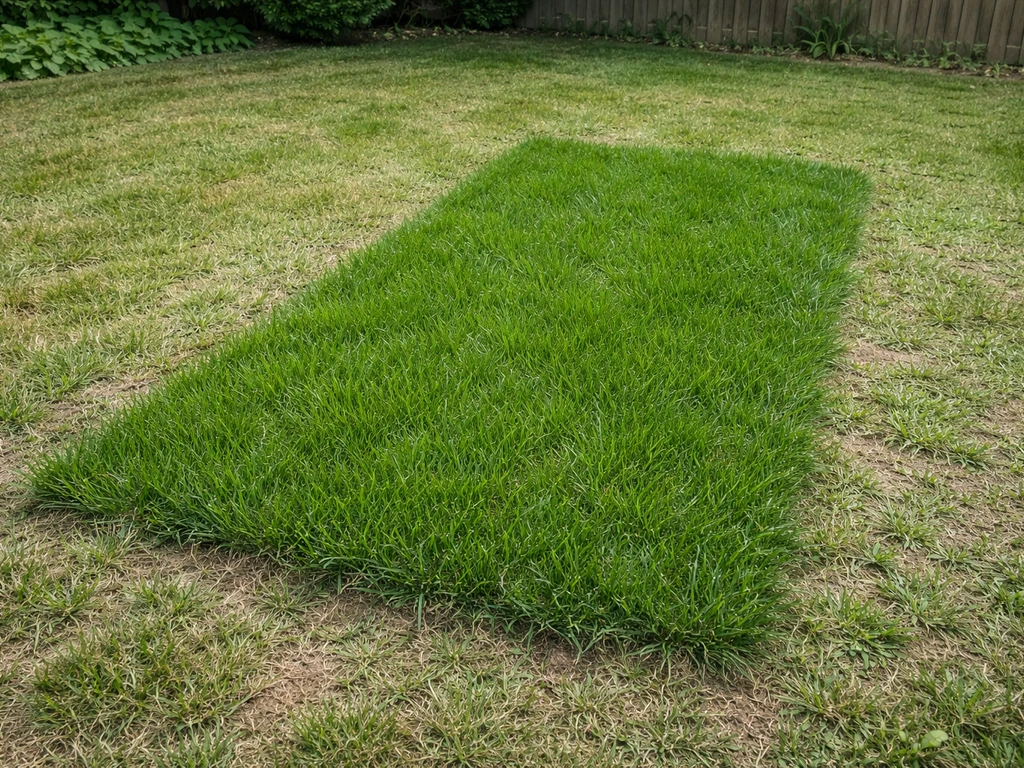
The 4-to-6-week mark is when most people feel genuinely relieved. By now the patch should have visible density, meaning the blades are thick enough that you can see coverage rather than individual shoots. You may be able to do your first mow around week 5 or 6, once the grass reaches about 3.5 inches. Set the mower to a high setting (around 3 to 3.5 inches) for the first few cuts. Cutting too short while roots are still developing can stress or kill the new growth.
At this stage the patch will likely still look a bit different from the surrounding lawn. The color may be brighter or lighter green, and the texture will be softer. That is normal. Tall Fescue takes time to harden off and develop the same texture and color as established turf. Do not let that discourage you.
For anyone curious about how how long it takes for EZ Seed to grow across different versions of the product (not just Tall Fescue), the general 4-to-6-week usability window holds, though specific grass varieties can shift that range slightly.
Full maturity: 60 to 90 days to blend in
A truly mature, blended-in patch takes 60 to 90 days from seeding. At that point the repaired area should match the density, texture, and color of the surrounding lawn closely enough that you have to look hard to find where the patch was. The root system is deep enough to handle normal mowing, foot traffic, and modest drought stress.
Full maturity does not mean the lawn is done growing. Tall Fescue continues to fill in and deepen its root system through its first full growing season. But 90 days is a fair benchmark for when most homeowners would consider the repair "done" visually and practically. If you seeded in fall, expect the patch to look its best the following spring when the cool-season grass really hits its stride.
This timeline question comes up a lot, and it is worth looking at how long Scotts EZ Seed takes to grow from multiple angles since the answer shifts depending on season, climate, and which product version you are using.
A quick timeline snapshot
| Growth Stage | Typical Timeframe | What You Should See |
|---|---|---|
| Germination | Days 7 to 14 | First tiny shoots poking through the mulch layer |
| Early seedling growth | Days 14 to 21 | Visible green fuzz from standing height |
| Seedling establishment | Days 21 to 30 | Upright blades with some root depth; patch looks fuzzy |
| Usable coverage | Weeks 4 to 6 | Visible density; first mow possible at 3.5 inches |
| Blended, mature patch | Days 60 to 90 | Matches surrounding lawn in color, texture, and density |
What actually changes the timing
Temperature is the single biggest lever. Tall Fescue germinates best when soil temperatures are between 50°F and 65°F. Air temperature and soil temperature are not the same thing, so if you are seeding in early spring when daytime air temps hit 60°F but nights drop to 35°F, your soil may still be too cold. Below 50°F soil temperature, germination slows dramatically or stalls completely. Above 75°F soil temperature, Tall Fescue germination also drops off. This is why fall (late August through October in most of the U.S.) is the ideal window for cool-season grass repair.
Moisture consistency matters more than total water volume. EZ Seed's mulch layer is designed to retain moisture, but it still needs help. Letting the patch dry out fully even once during the first 14 days can kill germinating seeds that have already split open. Twice-daily light watering is generally more effective than one deep watering session, especially in warm or windy conditions.
Soil preparation affects both germination speed and root development. EZ Seed is forgiving because of its all-in-one formula, but loose, raked soil gives seeds better soil contact. Hard, compacted ground means seeds sit on the surface rather than nestling in, which slows germination and makes the seedlings more vulnerable to drying out. Rake the area, loosen the top inch or so, and remove debris before applying the product.
Sunlight exposure shifts things too. EZ Seed has sun-and-shade formulations for a reason. The standard Tall Fescue version performs best with at least 4 to 6 hours of direct sun per day. Deep shade slows germination and produces thin, weak seedlings even when everything else is right. If your patch is under a tree canopy or on the shaded side of a structure, growth will be noticeably slower and sparser.
Troubleshooting slow growth and failed patches
Day 14 checkpoint: no sprouts visible
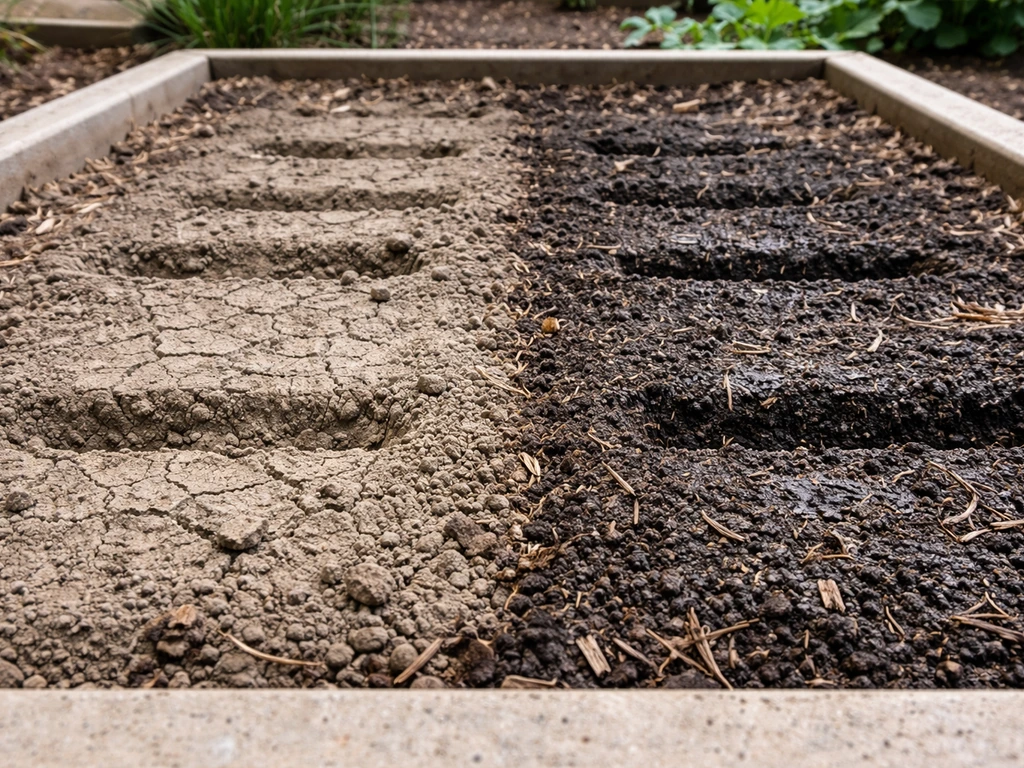
If you hit day 14 with no visible sprouts at all, run through this checklist before re-seeding. First, check soil temperature. If it has been below 50°F consistently, the seed may still be viable but dormant. Wait another week and check again if temperatures have since risen.
Second, check your watering. Has the patch stayed consistently moist? If it dried out for even a couple of days in the first week, germination may have failed for seeds that had already started the process. Third, look for seed washout or burial.
Heavy rain or aggressive watering can shift the mulch and seed to the edges or bury it too deep. If you see clumping or piling of material at the edges, that is likely what happened.
Day 21 checkpoint: sparse or uneven growth
Patchy germination at day 21 usually means uneven seed distribution during application or inconsistent moisture across the patch. Edges that dry faster than the center are a common culprit. You can spot-treat thin areas with additional EZ Seed without re-doing the whole patch. The existing seedlings will not be harmed by a light overseeding of the bare spots.
Week 4 to 6: growth stalled or seedlings dying off
If seedlings sprout but then stop growing or start to look yellow and limp, the most common causes are underwatering, mowing too soon, or heavy foot traffic killing shallow roots. Yellowing can also signal a nitrogen deficiency, but EZ Seed includes continuous-release lawn food, so that is less common. If you see yellowing, first rule out drought stress by checking soil moisture an inch below the surface. It should feel damp, not dry and powdery.
When to re-seed
Re-seed when you have hit day 21 with less than 50% of the patch showing visible growth and conditions have been reasonable throughout. Do not re-seed into a patch that is still in good germination conditions just because day 14 passed without sprouts. Tall Fescue can take the full two weeks, especially in cool soil. Patience at day 14 is usually the right call. Re-seeding is the right call at day 21 or beyond when growth is clearly absent or failed.
One thing worth noting: if you are curious how EZ Seed compares to other seed timing benchmarks, EZ Seed's growth timeline has more detail on how different conditions compress or extend those windows.
Quick wins vs. realistic expectations
One thing I hear from frustrated gardeners is that they expected EZ Seed to work "faster" because of the marketing. The product does give you a meaningful head start compared to raw seed on bare soil, especially in terms of moisture retention and seedling protection. But grass is still grass. It grows on its own schedule.
If you are hoping for visible results in 3 days, that is not realistic for any lawn grass seed, including EZ Seed. Some crops and specialty seeds can show action that fast, but lawn grass is not in that category. If you want to understand what types of seeds actually do show results that quickly, which seeds grow fast in 3 days gives you a useful comparison.
Set your expectation at 7 to 10 days for the first sign of life, 4 to 6 weeks for a patch that looks good, and 60 to 90 days for a repair that blends in completely. That is honest, and it is achievable if you manage moisture and temperature correctly.
How EZ Seed compares to starting from scratch
If you are deciding between EZ Seed and just buying a bag of Tall Fescue bulk seed, here is a practical comparison to help you choose.
| Factor | Scotts EZ Seed Patch & Repair | Bulk Tall Fescue Seed |
|---|---|---|
| Germination speed | 7 to 14 days (with moisture retention support) | 7 to 14 days (more variable without mulch) |
| Moisture requirements | More forgiving due to super-absorbent mulch | Requires very consistent watering or straw mulch |
| Slope performance | Tackifier reduces seed washout | Prone to washout without extra coverage |
| Included fertilizer | Yes, continuous-release lawn food included | No, must apply separately |
| Seed-to-soil contact | Mulch aids contact and retention | Requires raking in or top-dressing |
| Cost per square foot | Higher | Lower |
| Best use case | Small to medium repair patches | Large-area seeding or full lawn establishment |
For patch and repair work under about 500 square feet, EZ Seed is genuinely worth the extra cost. For larger areas or full lawn overseeding, the economics shift toward bulk seed with separate starter fertilizer and straw mulch.
A few things that catch people off guard
- The mulch layer turns a dark brown when wet and looks alarming to first-time users. That is normal. It is doing its job.
- EZ Seed is designed to be applied thicker than bare seed. Do not thin it out trying to stretch the bag.
- You should not cover EZ Seed with additional straw or mulch. The product already has what it needs and adding more can smother germination.
- Watering EZ Seed too heavily in one session can wash it into low spots. Use a gentle spray setting.
- The first mow timing matters more than most people realize. Mow too early and you damage the roots. Aim for 3.5 inches of height before the first cut.
Also worth knowing: EZ Seed is specific to grass lawns, but the general principles of germination, seedling care, and maturity timelines apply broadly across other seed types. If you find yourself comparing notes with, say, how long shamrock seeds take to grow or wondering about packaged seed kits like Buzzy Seeds and their growth timelines, you will notice that moisture management and temperature are the universal drivers regardless of what you are growing.
The most practical advice I can give you
Apply EZ Seed in fall if you possibly can. Cool-season grasses like Tall Fescue love the combination of warm soil from summer and cooling air temperatures in late August through October. That combination produces the fastest, most reliable germination and the strongest root development before winter. Spring seeding works but comes with more risk from summer heat arriving before the roots are deep enough to handle drought stress.
Keep a simple log. Write down the date you seeded and check the patch on days 7, 14, and 21. Take a photo each time. It sounds unnecessary, but it removes the guesswork when you are trying to figure out whether growth is on track or genuinely behind schedule. And if you end up re-seeding, you will have a clear record of what conditions were like the first time, which helps you adjust.
Most failed EZ Seed patches come down to one of three things: soil that was too cold, moisture that was too inconsistent, or re-seeding too early out of impatience. Address those three and the product does exactly what it promises.
FAQ
If I seeded in spring, what soil-temperature target should I watch so I can estimate the “how long to grow” timeline correctly?
Use soil temperature, not air temperature. Aim for consistent 50°F to 65°F at about the top inch of soil, since Tall Fescue germination slows sharply below 50°F and can also drop off above 75°F. If nights are cold, check again the next week before deciding it failed.
When should I start checking for sprouts if I do not see anything by day 7?
Start with an angled look at the patch in bright light, then lift a corner gently to confirm the mulch layer has not hidden the first shoots. Day 7 is a checkpoint, but many patches show first visible color or tiny shoots between days 8 and 12 when moisture and temps are right.
Does the “4 to 6 weeks” point mean I can walk on the patch, or should I wait longer?
It is still too early for heavy traffic by weeks 4 to 6. Even if it looks dense, seedlings have shallow roots until they mature more fully. Plan for limited foot traffic until you reach closer to the 60 to 90 day blending window, or use barriers during mowing and daily use.
How often should I water during the first two weeks, and what counts as “consistent moisture” with EZ Seed?
Water lightly more often rather than deeply once. Many homeowners do it two to three times per day early on so the top layer stays damp, not wet and muddy. If you see the mulch pulling away, crusting, or drying to powdery soil under the edge, you are likely letting it swing too far dry.
My patch looks greener in one area and sparse in another. Should I re-seed the thin spots right away?
Only spot-treat thin areas if you are at about day 21 and less than half the patch shows visible growth, with reasonable conditions overall. If most of the patch is still germinating normally, re-seeding too early can create uneven density and you might waste seed.
What is the safest first mowing height and timing so I do not damage new seedlings?
Do not mow until the grass is around 3.5 inches tall, typically around week 5 or 6 depending on conditions. Set the mower high (around 3 to 3.5 inches) and avoid scalping, since cutting too short while roots are still shallow can slow establishment or create bare streaks.
Can I overwater or use heavy irrigation, and how will that change germination and coverage?
Yes, excessive watering can be just as harmful as letting it dry out. Heavy rain or aggressive watering can move the mulch and seed, causing washout at edges or burying seed too deep for quick sprouting. If you see piling or clumps along the perimeter, reduce irrigation intensity and reroute so water soaks rather than sheets.
If EZ Seed sprouts but turns yellow or limp, what should I check first?
Start with drought stress. Yellow and limp usually points to the patch drying out, mowing too soon, or foot traffic damaging shallow roots. Check moisture one inch down, damp versus powdery, before assuming a nutrient issue, since the product includes continuous-release fertilizer.
How should I tell whether day 14 is truly “failure” versus just delayed germination?
Look at consistency across the patch and re-check soil temperature and moisture history. If the area dried even briefly during week one, you can get delayed or missing germination. If temps have warmed since day 7 to 10 and moisture has been steady, it may still be on track even with minimal visible sprouts on day 14.
Should I apply starter fertilizer or additional lawn food with EZ Seed during the repair?
Usually you do not need to pile on extra fertilizer immediately because EZ Seed includes continuous-release lawn food. If you add nitrogen later, do it after seedlings are established (closer to when you can mow), and follow label rates, since too much early can stress young grass or increase uneven growth.
If I seeded in fall, when should I expect the repair to look its best?
Fall repairs often look better the following spring because Tall Fescue resumes active growth as temperatures stabilize. Your “blends in visually” window is still typically 60 to 90 days, but the texture and color match usually improves as the first full growing season ramps up.
Next Article
Which Seed Grow Fast in 3 Days: 72-Hour Plan
Quick 72-hour sprouting seeds, setup tips, troubleshooting, and what to expect after day 3 for each variety.