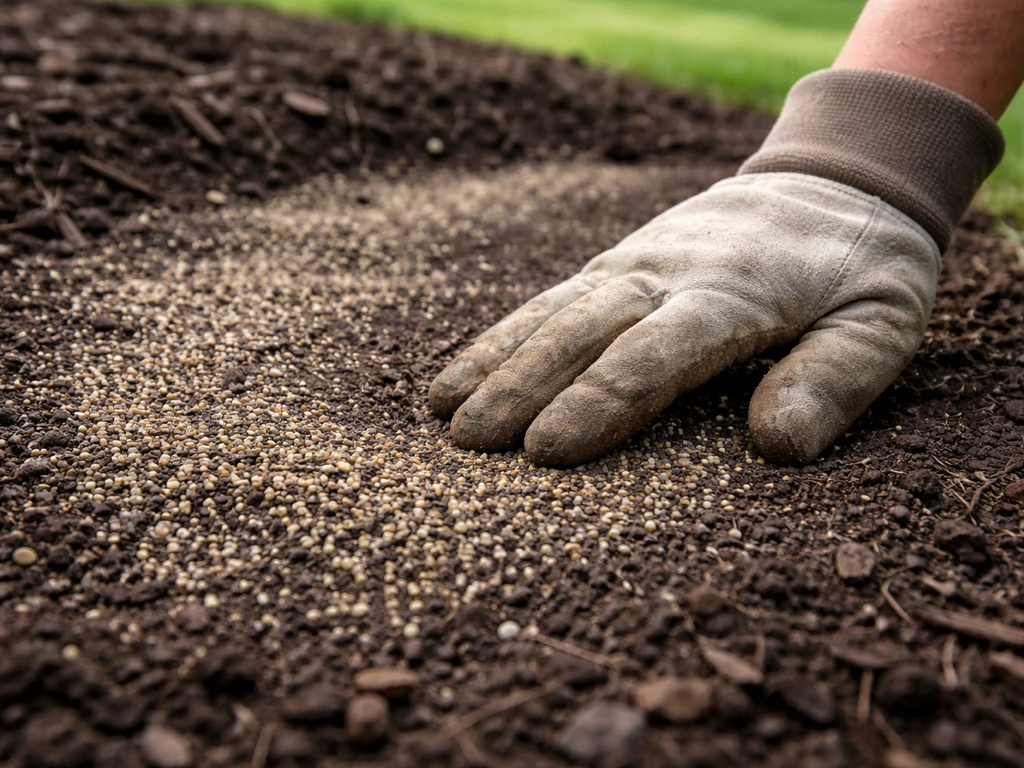
The seeds most likely to sprout in 3 days are radishes, microgreens (especially radish, sunflower, and broccoli microgreens), mung beans, and wheatgrass. Under warm, moist conditions, all of these can show visible root or shoot emergence within 48 to 72 hours. That said, there's a big difference between a sprout and a mature plant, and understanding that gap is the most useful thing you can take away from this guide. If you're trying to grow something fast, you're probably looking for a win in 3 days, and the seeds above will give you one. Everything else takes longer.
Which Seed Grow Fast in 3 Days: 72-Hour Plan
Marcus Henley
13 Apr 2026
Quick-germinating seed picks for 3-day results
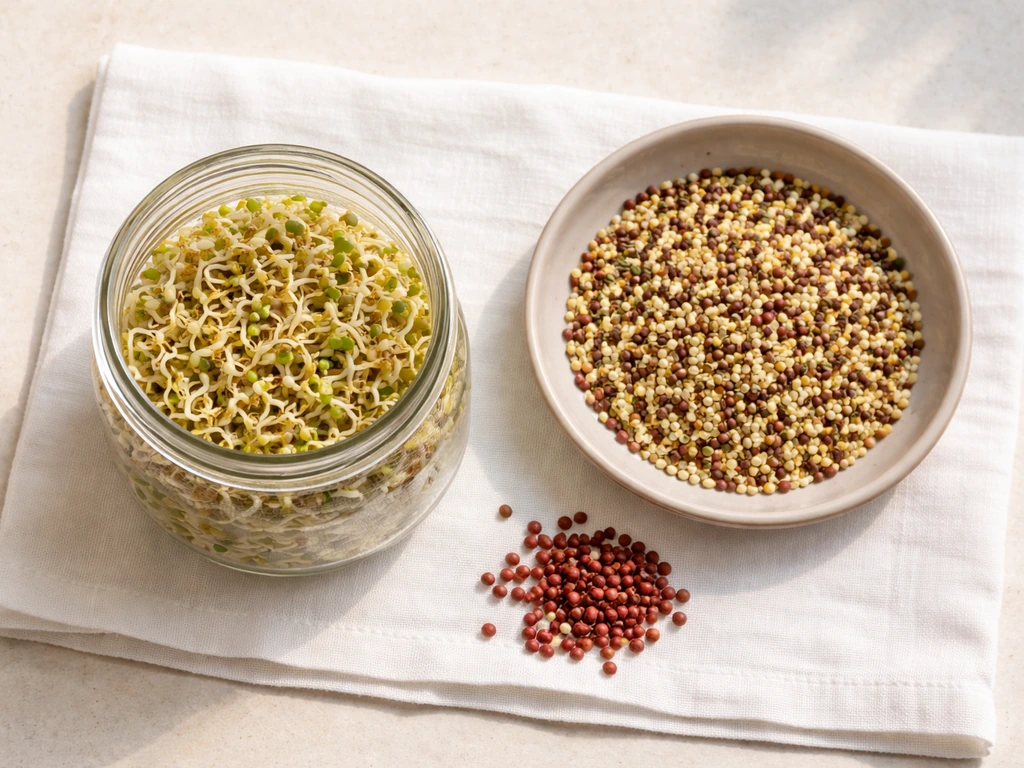
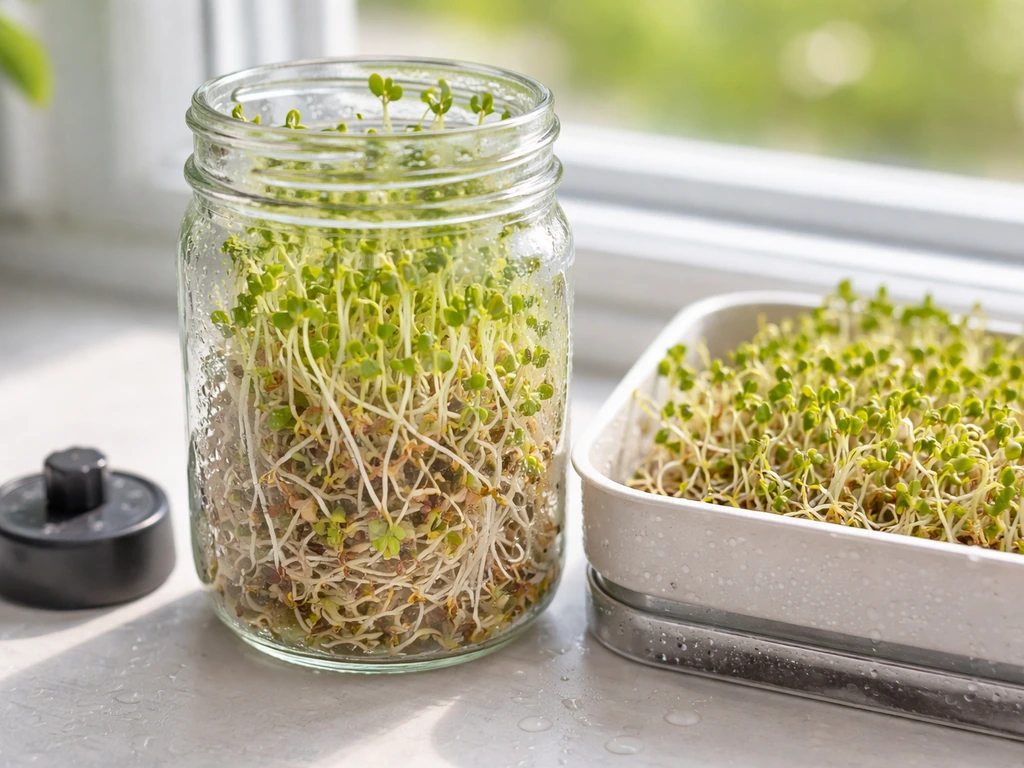
When it comes to seeds that actually sprout in roughly 72 hours, the list is shorter than most people expect. The champions are radishes, sprout seeds (mung bean, lentil, alfalfa), wheatgrass, and microgreen varieties grown from radish, sunflower, or broccoli seed. These aren't just fast in a general sense. Under the right temperature and moisture conditions, radishes can show emergence in as little as 3 days. Virginia Tech's emergence timing table puts radish days-to-emergence at 3 to 6 days with a soil temperature around 50 to 65°F. Push the soil temperature up to 65 to 85°F and you're often looking at the lower end of that range.
For sprout growing (jar or tray method, no soil), mung beans and alfalfa regularly crack open within 24 to 48 hours and produce edible sprouts by day 3. Wheatgrass germinates quickly too, often showing green shoots within 2 to 3 days when pre-soaked. These are the best options if you genuinely need visible growth in 3 days and don't want to mess around with slow starters.
For soil-based growing, radishes are the top pick. Broccoli and lettuce are close behind but tend to take a little longer. The UC Master Gardener germination temperature and timing data places broccoli germination in the 60 to 85°F soil temperature window, and at the warm end of that range, sprouting happens relatively fast. UNL Extension seed germination guidance for broccoli includes a temperature window and notes days to germinate under optimum temperature and moisture conditions broccoli germination in the 60 to 85°F soil temperature window. Lettuce is similar but even more temperature-sensitive. If your soil is cold, both of those will stall, which is why radishes are the more reliable 3-day candidate for most home setups.
| Seed Type | Typical Days to Sprout | Optimal Soil Temp | Growing Method |
|---|---|---|---|
| Radish | 3–6 days (often 3 under ideal conditions) | 65–85°F | Soil or seed tray |
| Mung bean (sprout) | 1–3 days | 65–75°F | Jar or tray, no soil |
| Alfalfa (sprout) | 2–3 days | 65–75°F | Jar or tray, no soil |
| Wheatgrass | 2–3 days (after pre-soak) | 65–75°F | Shallow tray with soil or coco coir |
| Broccoli (microgreen/seed) | 3–5 days | 65–85°F | Soil or seed tray |
| Sunflower (microgreen) | 3–4 days | 65–75°F | Shallow tray with growing medium |
| Lettuce | 4–7 days | 60–75°F | Soil or seed tray |
How to choose seeds based on your conditions
The fastest-germinating seed in the world won't sprout in 3 days if your setup doesn't match its needs. Temperature is the single biggest factor. Most seeds hit their fast-germination sweet spot between 65 and 85°F soil temperature. If your home runs cool (below 65°F at floor level), seeds will slow down noticeably. If you're sowing directly into outdoor soil in early spring, check the soil temperature before you commit to fast varieties. Cold soil is the number one reason 3-day expectations don't pan out.
Moisture matters just as much. Seeds need consistent moisture throughout germination, not a one-time soak and then dry-out. But overly wet conditions promote rot and damping-off, especially in cool environments. The right balance is evenly moist growing medium that holds together when you squeeze it but doesn't drip. If you're in a hot, dry room, you'll need to mist or cover the tray. If you're in a cool, humid basement, drainage matters more.
Light requirements vary by seed. This surprises a lot of people. Some seeds actually need darkness to germinate (like pansies, which should be covered), while others need light and should be left uncovered. blank" rel="noopener noreferrer">Petunias are a classic example: they require light for germination and should never be buried. University of Minnesota Extension specifically flags this, noting that blank" rel="noopener noreferrer">petunia seeds need light to germinate and should not be covered. Covering them even lightly can stall germination entirely. For the fast-sprouting seeds in this guide (radishes, microgreens, sprout seeds), light doesn't need to play a role until after the sprout emerges, which keeps things simple.
- Temperature: 65–85°F soil temp is ideal for most fast-sprouting seeds. Use a thermometer to check, not just room feel.
- Moisture: Consistently damp, not soggy. Think of wrung-out sponge consistency.
- Light: Not needed for germination in most of the 3-day candidates, but critical once shoots emerge.
- Air: Seeds need oxygen to germinate. Compacted soil or overly sealed containers will slow things down.
- Seed depth: Most fast seeds germinate best at very shallow depths (1/4 to 1/2 inch). Deeper planting delays or prevents emergence.
Step-by-step setup to maximize germination in 72 hours
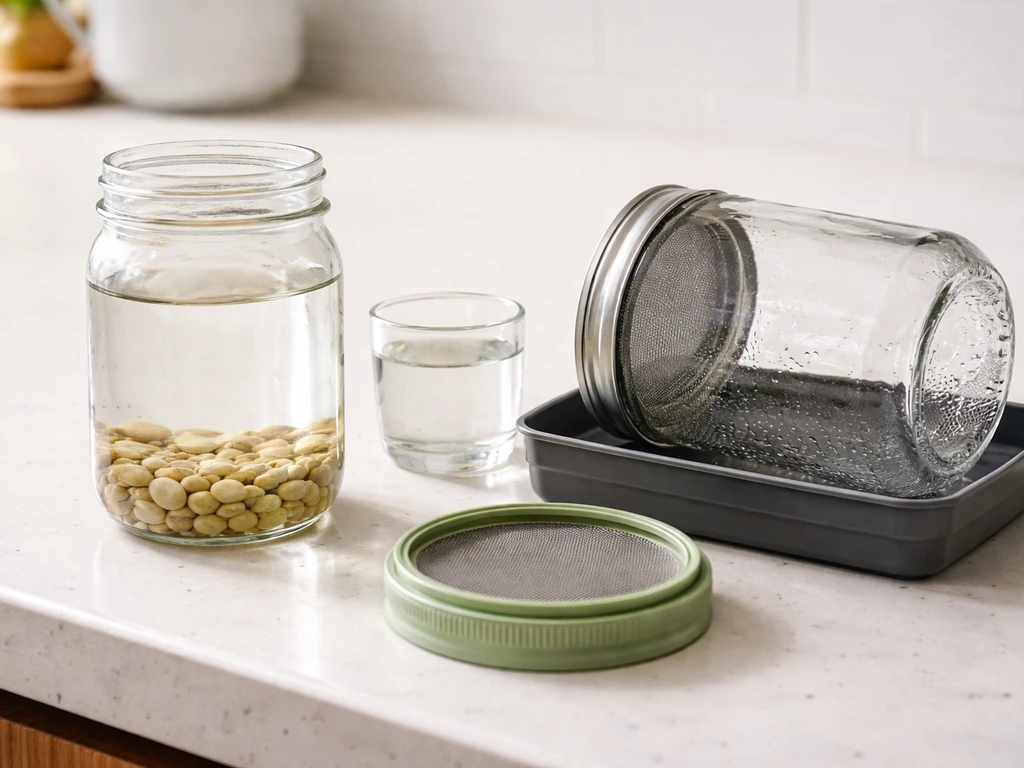
If you want the best shot at visible sprouts in 3 days, follow this sequence. I've tested most of these steps in my own trays and the difference between doing them right and being lazy about one step is often a day or two of delay.
- Pre-soak larger seeds. For radishes, sunflower microgreens, and wheatgrass, soak seeds in room-temperature water for 6 to 12 hours before planting. Smaller seeds like alfalfa and broccoli don't need soaking. Pre-soaking softens the seed coat and kicks off the germination process before the seed even hits soil.
- Choose a fine, moist growing medium. Use seed-starting mix, not regular garden soil. Seed-starting mix has better drainage and a finer texture that gives seeds good contact with the medium without compacting around them. Good seed-to-soil contact is essential for rapid uptake of moisture.
- Sow at the right depth. For radishes, aim for 1/4 to 1/2 inch deep. For microgreens, barely cover the seed or press it lightly into the surface. For sprout seeds (mung beans, alfalfa), no soil at all: just a jar or tray with water rinsing.
- Place on a heat mat if your room is cool. A seedling heat mat warms the root zone roughly 10 to 20°F above ambient air temperature. If your room is 65°F, the mat can push your soil temperature to 75 to 85°F, which is the sweet spot for fast germination. This single step can shave a full day or more off germination time.
- Cover with a clear humidity dome or plastic wrap. Covering the tray retains moisture and creates a warm, humid microclimate. A clear dome lets you check progress without lifting it. Once you see sprouts, remove the cover or prop it open to allow airflow, which reduces damping-off risk.
- Keep moisture consistent. Check the tray morning and evening. Mist lightly with a spray bottle if the surface looks dry. Do not pour water directly onto seeds or you'll displace them or create wet pockets that lead to rot.
- Once sprouts emerge, introduce light. Move the tray to a bright windowsill or under a grow light. At this stage, 12 to 16 hours of light per day will keep seedlings growing strong.
Common reasons seeds don't sprout in 3 days (and quick fixes)
If day 3 comes and nothing is happening, don't panic. Most germination failures trace back to one of a handful of fixable problems. Penn State Extension identifies four core requirements for successful germination: the right temperature, moisture, air, and light conditions matched to the crop. If any one of those is off, germination stalls.
Old seed is one of the most overlooked causes of slow or failed sprouting. Seeds lose viability over time, and a batch that sat in a hot garage or humid shed for two summers may have dropped from 90% germination rate to 20% or less. A quick viability test using the paper towel method (moisten a paper towel, place 10 seeds on it, fold it over, keep it warm for a few days) will tell you whether your seeds are still viable before you commit to a full tray. If fewer than 5 out of 10 sprout, the seed lot is too weak to expect fast, reliable results.
| Problem | Symptom | Quick Fix |
|---|---|---|
| Too cold | No activity after 4–5 days | Move to warmer location or add heat mat |
| Too hot | Seeds rot or dry out quickly | Move away from heat source; aim for 75–85°F |
| Overwatering / rot | Seeds go mushy, smell bad | Improve drainage; reduce watering frequency |
| Too dry | Seeds shrivel or don't swell | Mist more often; replace humidity dome |
| Planted too deep | No emergence despite good conditions | Resow at 1/4 inch depth or surface-sow |
| Old/low-viability seed | Sporadic or no germination | Test viability first; buy fresh seed |
| Compacted soil | Seedlings can't push through | Use loose seed-starting mix; don't tamp hard |
| Insufficient oxygen | Slow, uneven germination | Don't seal container airtight; allow some airflow |
Damping-off is worth calling out separately because it looks like failed germination but is actually a fungal disease. Seedlings either fail to emerge or topple over right at soil level. It's most common in cool, wet, compacted growing conditions. The fix is straightforward: improve drainage, use fresh seed-starting mix, and don't overwater. Planting at the right time so temperatures are favorable for rapid emergence is one of the best preventive steps you can take.
Seed and plant timelines beyond sprouting
Sprouting in 3 days is just the beginning. It's easy to assume that a fast-sprouting seed means a fast-maturing plant, but that's not usually how it works. A radish seedling that pokes through the soil on day 3 still needs roughly 25 to 30 more days before you can harvest the actual radish root. Lettuce sprouts fast but takes 45 to 60 days to a full head. The germination clock and the maturity clock run at very different speeds. how long it takes for a seed to grow from sprout to harvest depends entirely on the crop, and knowing both numbers before you start is what separates a successful garden from a frustrating one.
For microgreens and sprout seeds, the gap between sprout and harvest is tiny, which is part of why they're so satisfying for impatient growers. Mung bean sprouts are ready to eat in 3 to 5 days total. Radish microgreens are typically harvested at the cotyledon stage, around 7 to 10 days after sowing. Wheatgrass is usually cut at 7 to 10 days. These are the rare cases where fast germination and fast harvest actually line up.
| Seed Type | Days to Sprout | Days to Harvest/Use | Notes |
|---|---|---|---|
| Mung bean sprouts | 1–3 days | 3–5 days total | No soil needed; rinse twice daily |
| Radish microgreens | 3–4 days | 7–10 days total | Harvest at cotyledon stage |
| Wheatgrass | 2–3 days | 7–10 days total | Cut when 6–8 inches tall |
| Radish (full root) | 3–6 days | 25–35 days total | One of the fastest root vegetables |
| Lettuce | 4–7 days | 45–60 days total | Loose-leaf ready sooner than head types |
| Broccoli | 4–6 days | 70–100 days total | Fast to sprout, much longer to head |
If you're using a product like Scotts EZ Seed and wondering how its timeline compares to starting from individual seeds, the short answer is that germination timing for grass seed follows similar rules around temperature and moisture. how long it takes for EZ Seed to grow is a common follow-up question, and the answer hinges on the same temperature and watering consistency principles covered here. Don't expect grass to sprout in 3 days regardless of the product, but the troubleshooting logic is the same.
Vegetables, herbs, flowers, and grasses: best bets and realistic expectations
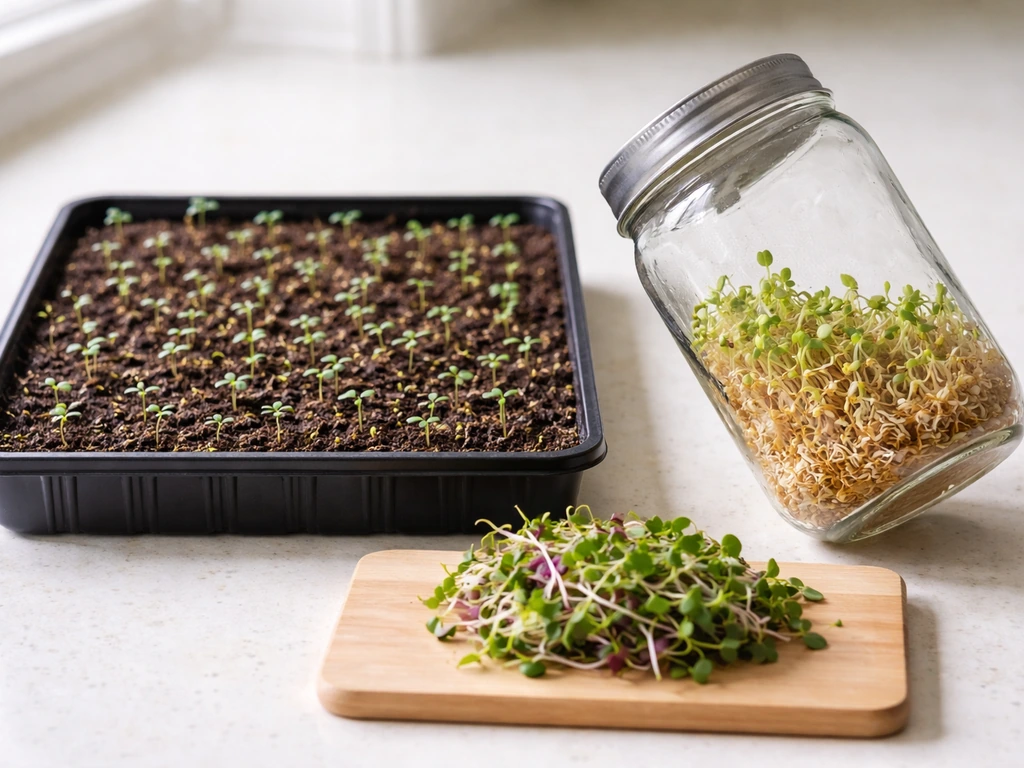
Vegetables
Radish is the fastest soil-grown vegetable for germination, period. For home growers who want a quick visible result in a pot or tray, start here. Lettuce is next, though it's more sensitive to high soil temperatures. Above 80°F, lettuce germination actually slows or stalls entirely, so if you're germinating in summer, radish is the more reliable 3-day candidate. Broccoli is a decent third option, especially for starting transplants indoors, but expect 4 to 6 days rather than 3 under most home conditions.
Herbs
Most herb seeds don't fall into the 3-day category. Basil can surprise you in 4 to 5 days under warm, humid conditions, but cilantro, parsley, and dill tend to take 7 to 14 days. The exception is sprout-style use: fenugreek seeds germinate in 2 to 3 days and produce edible sprouts quickly, similar to mung beans. If you want a fast herb experience, grow your fenugreek as a sprout rather than a soil-planted seedling.
Flowers
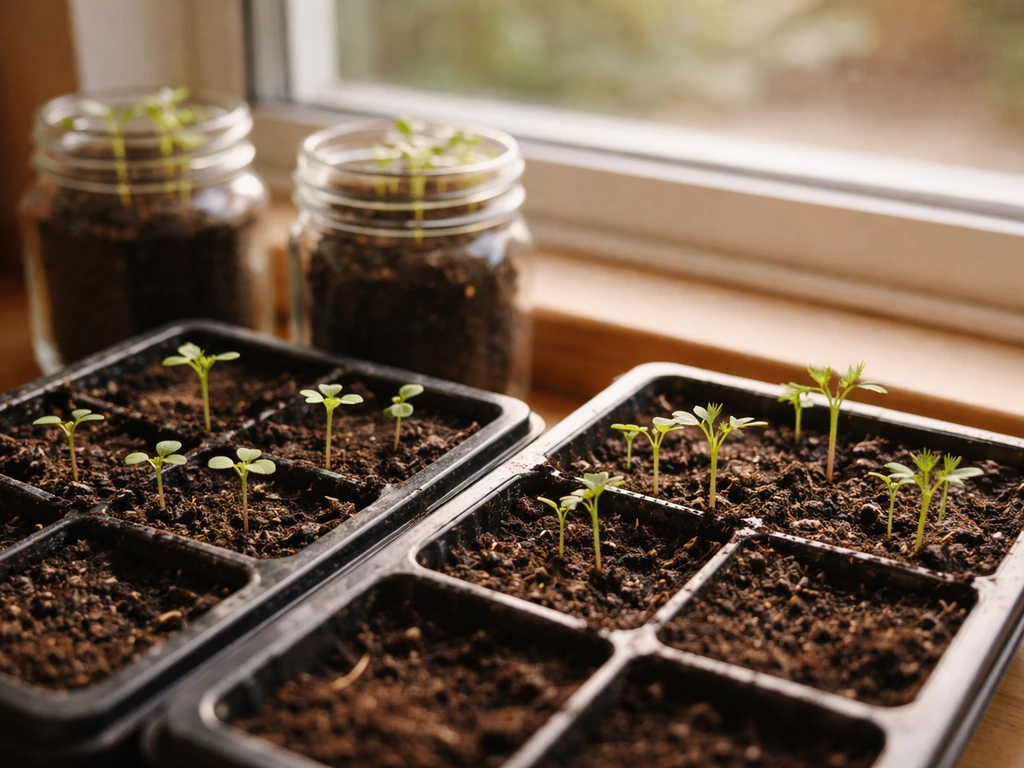
Fast-germinating flowers include marigolds (4 to 7 days), zinnias (5 to 7 days), and sunflowers (5 to 10 days). None of these will reliably hit the 3-day mark, but they're close enough that getting your setup right brings them to the lower end of their range. Pansies are a different story: they need cool temperatures and darkness to germinate, which makes them a poor choice for anyone trying to hack a fast result. Petunias need light and no covering to germinate properly and typically take 7 to 10 days even under ideal conditions. If you're starting flowers for a project with a tight timeline, marigolds and zinnias are your best bets.
Some novelty seed kits, like Buzzy Seeds products, are marketed with specific germination timelines printed on the packaging. These can be useful benchmarks but are always based on optimal conditions, so treat them as the best-case number rather than a guarantee.
Grasses
Grass seed is generally not a 3-day germinator for lawn or turf purposes. Ryegrass is the fastest of the common lawn grasses, typically germinating in 5 to 10 days under good conditions. Wheatgrass, grown in shallow trays for juicing or pet use, is the exception and does sprout in 2 to 3 days with a pre-soak. Wheatgrass growing instructions from Fruithill Farm also specify soaking the seeds for 6 to 12 hours before expecting little white shoots to emerge after about 2 to 3 days blank" rel="noopener noreferrer">soaking wheatgrass seeds for 6 to 12 hours. If you're trying to patch a lawn, managing expectations around timing is important. Questions about specific lawn seed products like how long Scotts EZ Seed takes to grow come up constantly, and the honest answer is that even under ideal conditions, visible grass sprouts take at least 5 to 7 days. The 3-day window is realistic for sprouts and microgreens but not for turf grass.
For anyone planning a planting schedule and needing a fuller picture of germination and maturity timelines across different seed types, it's worth looking at the range of variables that affect how quickly different seeds develop. EZ Seed growth timelines and grass-specific products follow their own curve, and the same temperature, moisture, and soil prep principles apply regardless of what you're planting.
A few things worth knowing before you start
The 3-day window is achievable, but it requires the right seed choice and a setup that actually hits optimal temperature and moisture. The most common mistake I see is people picking a slow-germinating seed, planting it in cold soil, and then wondering why nothing happened. Pick radishes or sprout seeds for your 3-day experiment. Get the soil temperature to 70°F or above. Keep moisture consistent. Cover the tray. Those four things will get you visible results faster than any other trick.
If you're curious about specific seasonal crops like shamrocks for a holiday project, the timeline works differently since those grow from corms rather than true seeds, but the general germination principles still apply. How long shamrock seeds take to grow is worth knowing if you're planning around a specific date, as timing matters a lot with novelty or seasonal plants.
Finally, don't skip the viability check if you're using older seed. Fresh seed from a reputable source is one of the most reliable ways to ensure fast germination. Seed stored in cool, dry conditions can stay viable for several years depending on the species, but seed left in a hot shed or exposed to humidity degrades quickly. When in doubt, do a paper towel test before committing to a full sowing. Ten seeds on a moist towel in a warm spot for 3 days will tell you everything you need to know about whether that packet is still worth planting.
For those thinking about Scotts EZ Seed and how long it takes to grow compared to starting vegetables or herbs from scratch, the core lesson is the same: match the seed's needs, provide consistent conditions, and don't expect mature plants on day 3. What you can reasonably expect in 3 days is a sprout, and that's genuinely exciting if you've set things up right.
FAQ
If I want visible growth in exactly 3 days, which should I choose, soil-grown or sprout-style?
For a true “something is clearly happening by day 3” result, prioritize sprout-style seeds and radish-based microgreens. Mung bean and alfalfa sprouts usually show edible growth by day 3, while soil-grown radish is the most consistent vegetable option for visible emergence. Microgreens are also a safe bet, but harvest timing is typically later than the first visible sprouts.
How deep should I plant radish and microgreen seeds if I’m trying to see results in 3 days?
If you’re aiming for fast germination, sowing depth should be shallow for the fast growers. For radish, microgreen varieties, and sprout-style seeds, follow a light-cover approach (or none for light-requiring types). Planting too deep delays emergence even when temperature and moisture are perfect.
What should I realistically be looking for on day 3 (sprout vs harvest)?
Use timing to separate “germination” from “harvest.” A day 3 check is about roots or shoots just breaking through, not maturity. For example, radish seedlings can emerge around day 3, but the edible root usually takes several additional weeks. If your plan is to eat, pick microgreens or sprouts rather than expecting full plants quickly.
Can I still hit 3 days if my room is warm, but my floor or window area is cold?
Yes, but only if you control the temperature where the seeds actually sit. A tray in a warm room can still fail if the growing medium near the bottom is cold, such as on a cool floor. Consider warming the setup (for example, by keeping the tray off a cold surface) so the root zone hits the same 65 to 85°F range.
How often should I water to keep moisture consistent without causing rot or damping-off?
Avoid letting the medium dry out between checks, but also avoid standing water. A good target is evenly moist, not soggy, because cool and wet conditions increase damping-off and rot. If you see seed coats staying wet for long periods or seedlings collapsing at the base, reduce watering and improve drainage.
Do I need light during germination for the seeds that can sprout in 3 days?
Most fast growers do fine with normal room light, but some seeds are light-germinating and others are light-sensitive. Your fast 3-day picks (radish, radish-based microgreens, sprout seeds) usually don’t need light until after emergence. If you accidentally cover a light-germinating seed like petunias, germination can stall even if temperature and moisture are correct.
When should I test seed viability instead of planting and hoping for the best?
Do a quick viability test when the packet is old, or if you suspect poor storage (hot garage, humid shed). The paper-towel method is the most practical decision tool, run for a few days in warmth. If fewer than 5 out of 10 sprout, switch to fresher seed because your odds of a day 3 result will drop sharply.
My seeds are slow, what is the fastest thing to troubleshoot first?
Try swapping the coldest variable first: soil or medium temperature. If you consistently miss day 3, check whether the tray is sitting in cooler air, whether you’re germinating outdoors in spring cold snaps, or whether watering is cooling the medium. Improving warmth often fixes the problem faster than changing everything else.
Why did I get sprouts on day 3 but my goal food still isn’t ready?
That’s expected if you used the wrong endpoint. Most “3-day” seeds are about visible emergence or sprouts, not maturity. If you truly need something edible in a few days, choose sprout seeds or plan to harvest microgreens, since full heads or roots require much longer.
Can I use the same 3-day approach for lawn grass or turf patching?
For lawn and turf, a 3-day window is usually unrealistic. Even the fastest common lawn grasses typically show visible sprouts later (often closer to a week or more). Wheatgrass for juicing in shallow trays can be a different case, especially with pre-soaking, and is the closest turf-adjacent option for very fast visible growth.
Next Article
How Long Does Scotts EZ Seed Take to Grow? Timeline
Get a clear Scotts EZ Seed growth timeline, from germination to noticeable lawn coverage and troubleshooting if delayed.