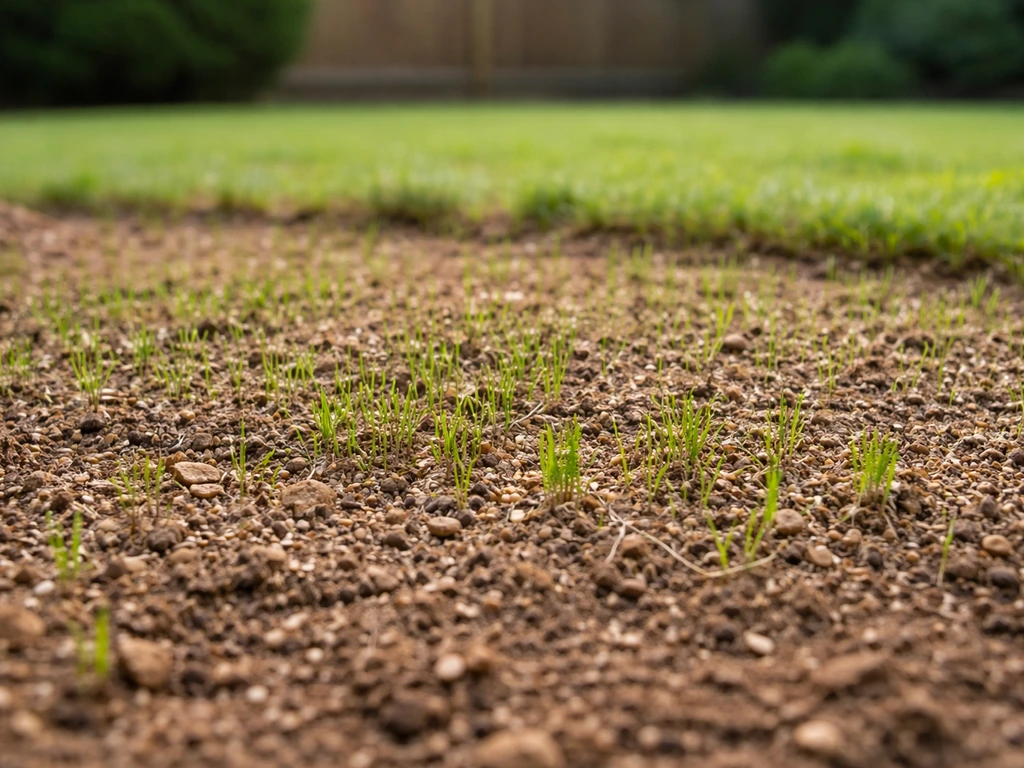
EZ Seed germination typically takes 5 to 30 days depending on the variety, and if you're using Scotts EZ Seed for lawn repair, you can expect grass to sprout in as little as 7 days under good conditions. For vegetable, herb, and flower seed varieties marketed as "easy grow" or EZ Seed types, the range is wider: fast-sprouting seeds like lettuce and basil can show green in 5 to 10 days, while slower varieties like parsley or certain ornamental grasses take 3 to 4 weeks. The rest of this guide walks through realistic timelines by seed category, the conditions that speed things up or slow them down, and a practical plan to actually hit those windows.
EZ Seed How Long to Grow Timelines and Tips
Marcus Henley
10 Apr 2026
Typical germination timelines by seed type
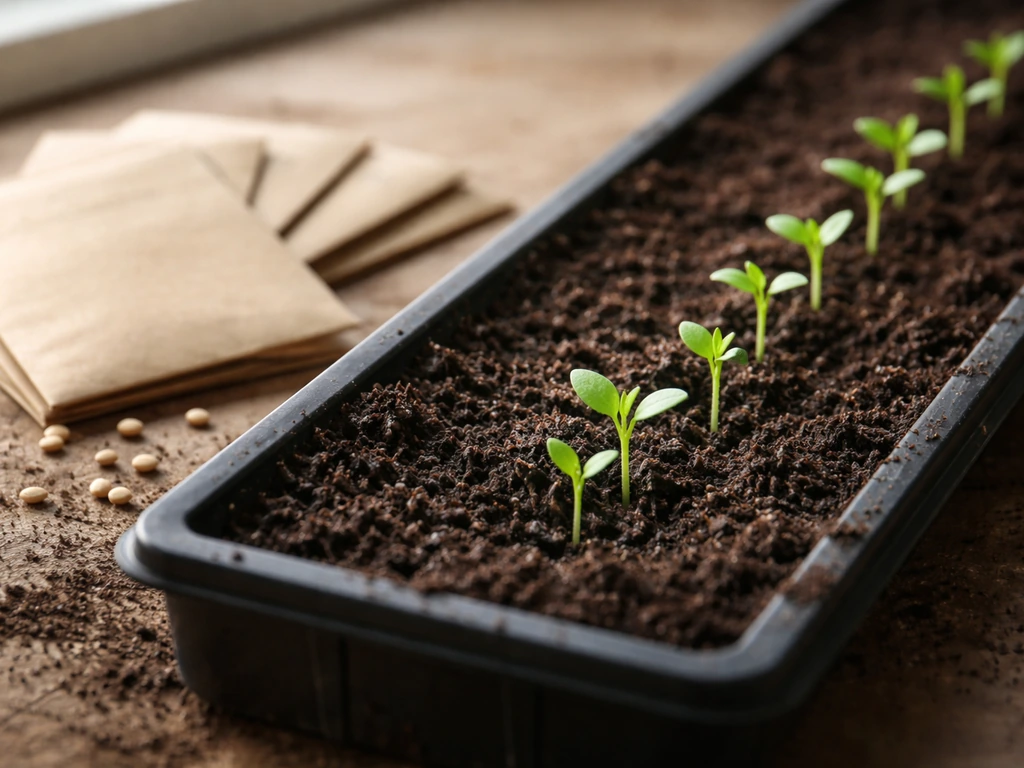
The most important thing to understand about EZ Seed products is that "easy" refers to the growing medium and seed coating built into the mix, not a magic shortcut around biology. Seeds still follow their own internal clocks. Here's what to realistically expect across the most common seed categories, based on germination under good conditions (proper moisture, correct temperature range, appropriate planting depth).
| Seed Category | Germination (Days) | Transplant-Ready (Weeks) | Full Maturity / First Harvest |
|---|---|---|---|
| Grass (Scotts EZ Seed, Sun & Shade) | 7–14 days | N/A (direct application) | 2–3 inches tall in 3–4 weeks |
| Grass (Bermudagrass EZ Seed) | 7–21 days | N/A (direct application) | Mow-ready at 2+ inches |
| Lettuce / Greens | 5–10 days | 3–4 weeks | Baby leaf: 30–45 days; Full head: 55–80 days |
| Basil / Tender Herbs | 5–10 days | 4–6 weeks | Harvest starts at 60–90 days |
| Tomato / Pepper (from seed) | 6–14 days | 6–8 weeks | First fruit: 60–90 days after transplant |
| Carrot / Root Vegetables | 10–21 days | Direct sow only | 70–80 days from germination |
| Parsley / Slow Herbs | 14–28 days | 6–8 weeks | Harvest at 70–90 days |
| Marigold / Fast Annuals | 4–7 days | 3–4 weeks | Bloom in 45–60 days |
| Ornamental Grasses (seed-grown) | 10–21 days | 8–12 weeks | Full display: second season |
If you want a deeper dive into how these numbers compare across dozens of varieties, how long it takes for a seed to grow is worth reading alongside this guide. The short version: the timelines above are realistic averages, not guarantees. Climate, soil prep, and watering consistency will move them earlier or later by several days.
What actually changes how long EZ Seed takes
Four variables control almost everything: temperature, moisture, light, and planting depth. Get these right and you'll hit the low end of those germination windows. Get one wrong and you might wait three times as long, or nothing sprouts at all.
Temperature
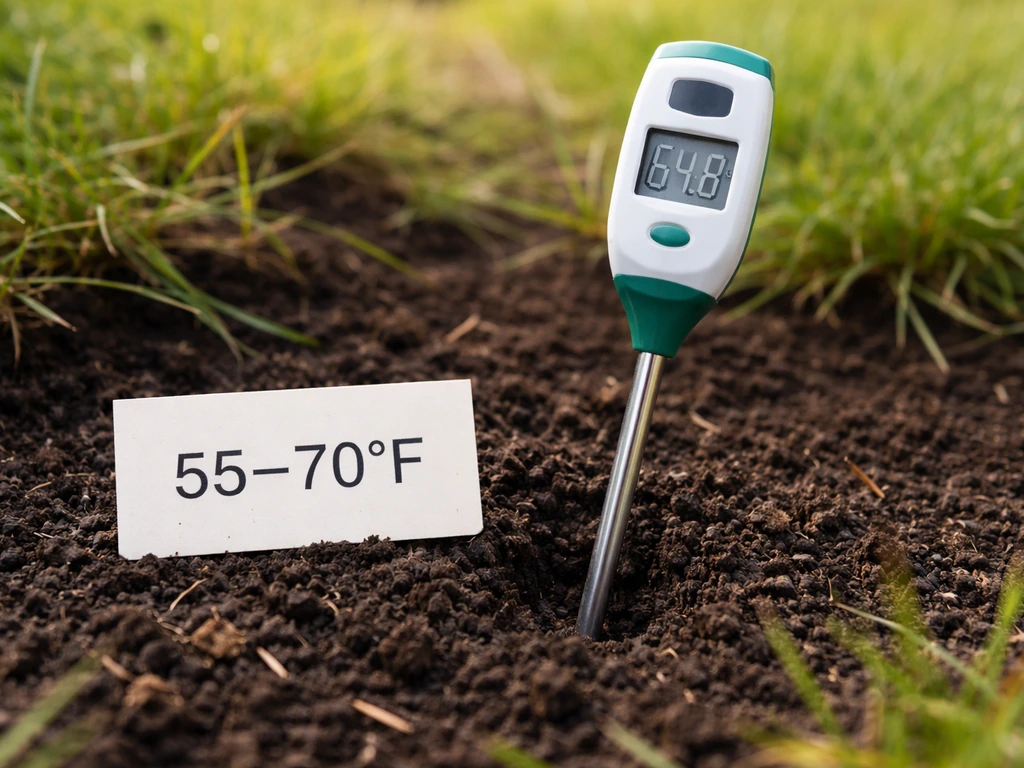
This is the biggest lever. For Scotts EZ Seed lawn products, the official guidance is to apply when daily average soil temperatures are consistently 55 to 70°F, or air temperatures are in the 60 to 80°F range. That's not arbitrary: grass seeds simply won't germinate reliably outside that band. The same principle applies to vegetable and herb seeds, though their sweet spots vary.
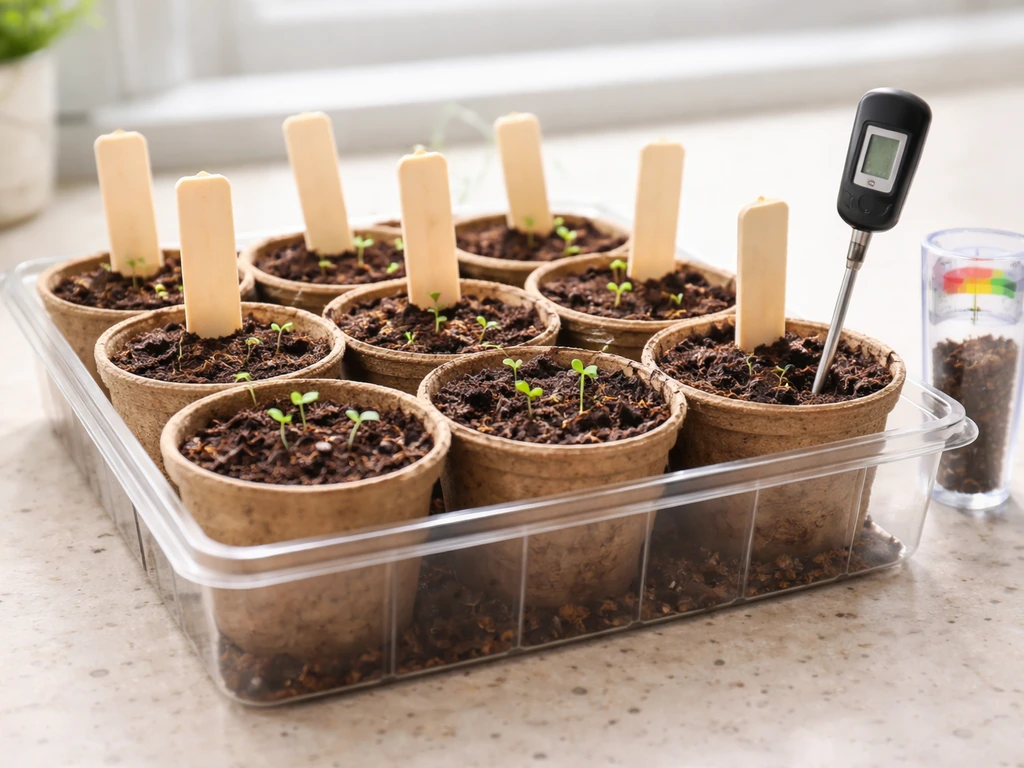
Tomatoes and peppers want soil temps of 70 to 85°F to sprout in under 10 days. Lettuce and spinach are cool-season crops that actually prefer 45 to 65°F soil. If you try to start warm-season seeds in cold soil, the seed coat softens slowly, which opens the door to rot before germination ever happens. A cheap soil thermometer (under $15) is one of the best investments you can make.
Moisture
Seeds need consistent moisture to activate the enzymes that break dormancy. This doesn't mean soaking wet soil. It means the top inch should feel like a wrung-out sponge: damp but not dripping. The EZ Seed lawn products use a mulch coating specifically designed to hold moisture against the seed, which is a real help if you can water lightly and frequently (twice daily is common in dry or windy weather). For garden seeds in containers or trays, covering with plastic wrap or a humidity dome until the first sprout appears makes a huge difference. Once you see green, remove the cover to prevent damping off.
Light
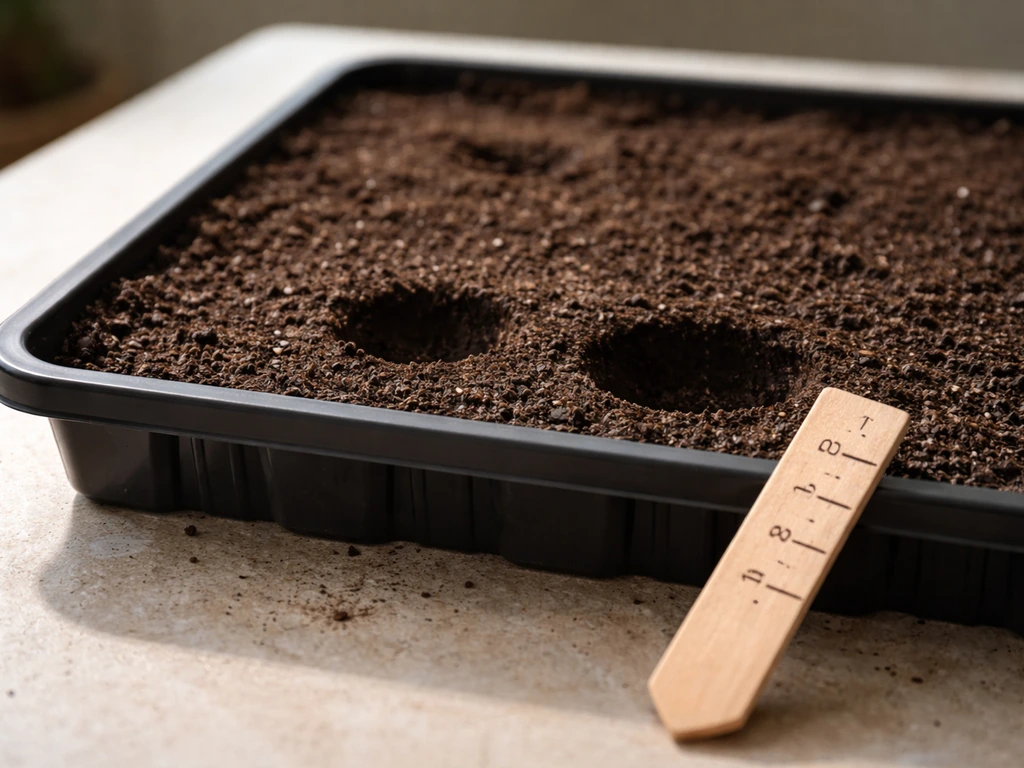
Most vegetable and herb seeds are indifferent to light during germination and sprout fine in the dark. But a few, including lettuce and some flower varieties, actually need light to trigger germination. Those seeds should not be buried. Press them onto the soil surface or cover with only a thin dusting of vermiculite. Once seedlings emerge, light becomes critical for everyone: insufficient light produces leggy, weak seedlings that struggle at transplant time. If you're starting seeds indoors, position grow lights 2 to 4 inches above the seedling tops and run them 14 to 16 hours per day.
Planting depth
The old rule of thumb is to plant seeds at a depth equal to two to three times their diameter. Tiny seeds like basil and lettuce go barely 1/8 inch deep. Beans and squash go 1 to 1.5 inches. Plant too shallow and the seed dries out; plant too deep and the seedling exhausts its energy reserves before it reaches the surface. Scotts EZ Seed products for lawns don't require you to bury anything, which removes this variable, but for vegetable and herb seeds the depth matters more than most people realize.
From sprout to transplant-ready: what the seedling stage actually takes
Germination is just the start. For any seed you're starting indoors or in a tray, the seedling needs several more weeks before it can handle outdoor conditions. The general rule: wait until the seedling has developed its first set of true leaves (not the initial seed leaves, or cotyledons), and ideally two to three sets of true leaves before transplanting. In practice, that usually means 3 to 8 weeks after germination depending on the plant.
- Lettuce, spinach, and greens: 3 to 4 weeks from germination to transplant size
- Basil and most tender herbs: 4 to 6 weeks
- Tomatoes and peppers: 6 to 8 weeks (peppers can push 10 weeks)
- Marigolds and fast annuals: 3 to 4 weeks
- Slow ornamentals and perennials: 8 to 12 weeks or more
Before moving any seedling outdoors, you also need to harden it off, which means gradually exposing it to outdoor temperatures and wind over 7 to 10 days. Start with an hour of outdoor time in a sheltered spot and increase daily. Skipping this step is one of the most common reasons transplanted seedlings wilt or stall, even if they looked perfectly healthy indoors.
For lawn-type EZ Seed products, the seedling stage works differently since you're patching in place. Scotts recommends continuing to water until seedlings reach at least 2 inches tall before you reduce watering frequency.
For Scotts bermudagrass seed, watering guidance calls for watering daily (or as needed) to keep the soil moist for at least 3 weeks or until seedlings reach about 2 inches tall [Scotts recommends continuing to water until seedlings reach at least 2 inches tall before you reduce watering frequency. ](https://scottsmiraclegro. com/en-us/brands/scotts/products/grass-seed/scotts-turf-builder-grass-seed-bermudagrass/18053. html?
bvroute=Review%2F239425623&bvstate=pg%3A3%2Fct%3Ar). Scotts EZ Seed guidance on the product page also advises continuing to water daily as needed to keep the soil surface moist until seedlings reach at least 2 inches tall [continue to water until seedlings reach at least 2 inches tall](https://scotts. com/en-us/shop/lawn-care-deals/scotts-ez-seed-patch-repair-tall-fescue-lawns/scotts-ez-seed-patch-repair-tall-fescue-lawns. html?
bvroute=Reviews%2FshowHelpfulPositive&bvstate=pg%3A14%2Fct%3Ar). At 2 inches, the root system is established enough to survive between waterings. With proper temperature and moisture, most grass varieties reach that 2-inch mark within 3 to 4 weeks of application.
Timing for your season: when to start based on your climate
The single most useful piece of timing information you need is your last expected spring frost date and your first expected fall frost date. Everything else is built around those two numbers. For warm-season crops (tomatoes, peppers, squash, basil), you want to start seeds indoors 6 to 8 weeks before your last frost date so transplants are ready to go out when the soil warms. For cool-season crops (lettuce, spinach, kale, parsley), you can direct sow outdoors 4 to 6 weeks before the last frost date because those plants tolerate near-freezing temperatures.
For Scotts EZ Seed lawn products specifically, the spring window opens when soil temps hit that 55°F floor. In the Mid-Atlantic and Midwest, that's typically late March to mid-April. In cooler northern climates, it may be mid-to-late April or early May. The fall window, which many lawn experts actually prefer because weeds are less competitive and temperatures moderate naturally, runs from late August through mid-October in most of the US.
If you're planting something more unusual, like shamrock seeds for a seasonal display, the timing logic is similar but the tolerances are different. A piece on how long shamrock seeds take to grow covers their specific window in detail. The broader point is that every seed type has a preferred seasonal entry point, and ignoring that is the fastest way to get disappointing results.
A simple seasonal planning calendar
| Season | What to Start | Timing Trigger | Notes |
|---|---|---|---|
| Early Spring (6–8 weeks before last frost) | Tomatoes, peppers, eggplant indoors | Soil temp below 50°F outdoors | Start under lights; harden off before transplanting |
| Mid-Spring (4 weeks before last frost) | Lettuce, kale, herbs outdoors or transplants in | Soil temp 40–50°F | Cover with row fabric if frost threatens |
| Late Spring (after last frost) | Beans, squash, cucumbers direct sow | Soil temp 60°F+ | No transplanting needed; direct sow is fastest |
| Late Summer (8–10 weeks before first frost) | Scotts EZ Seed lawn repair; fall greens | Soil temp dropping to 70°F | Best window for cool-season lawn seeding |
| Early Fall (4–6 weeks before first frost) | Spinach, arugula, radish direct sow | Air temps 50–65°F | Can survive light frost; productive into late fall |
When seeds are slow or nothing's sprouting
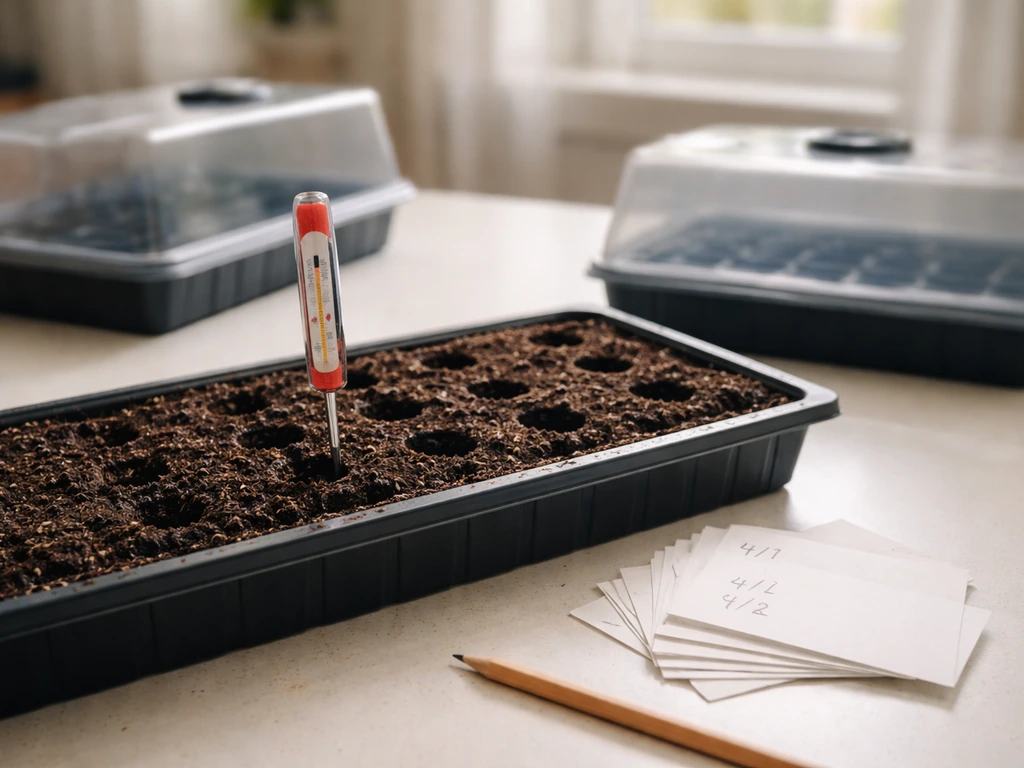
If you've passed the expected germination window and still see nothing, work through this checklist before giving up. Most of the time, one of these five things is the problem.
- Check soil temperature, not air temperature. Soil can be 10 to 15°F colder than the air above it, especially in spring. If you planted warm-season seeds when air temps were fine but soil was still cold, that's your answer. A soil thermometer will confirm it.
- Check moisture in the top inch, not just the surface. Soil can crust on top and look moist while the seed zone dries out underneath. Push your finger in about an inch. If it's dry, you need to water more frequently.
- Consider seed age. Old seed germinates poorly. Most vegetable seeds remain viable 2 to 4 years if stored cool and dry, but viability drops off fast after that. Do a germination test: place 10 seeds on a damp paper towel, fold it up, and keep it warm for the expected germination period. Count how many sprout. Below 70% germination, the batch needs replacing.
- Review planting depth. Seeds planted too deep run out of stored energy before they reach light. If you've waited twice the expected germination time with no sign of life, carefully dig up a few seeds and check: if they've sprouted underground and the seedling is pale and collapsed, depth was the problem.
- Check for crust or compaction. Fine-textured soil can form a hard cap after repeated watering, especially in containers. If seedlings are germinating but can't push through, gently scratch the surface and keep it moist. Adding a thin layer of vermiculite or seed-starting mix on top of the soil prevents crusting.
There's also the question of whether some seeds are simply faster or better for a short growing window. If you're working with limited time and want to know which seeds grow fastest in 3 days, that article covers the varieties with the shortest germination windows, which is useful for comparing against whatever you're currently trying to grow.
One more thing worth mentioning: if you're using EZ Seed lawn mix and the patched areas look thin or uneven after 3 weeks, resist the urge to over-water. Standing water and saturated soil after germination are worse than slightly dry soil. The seedlings at that stage need oxygen at the roots. Thin patches usually fill in over another week or two as seeds that germinated later catch up.
Planning your sowing schedule so you're never guessing
The most useful thing I've done as a grower is build a simple backward-planning calendar. Start from the date you want mature plants or first harvest, subtract the time from transplant to maturity, subtract the seedling stage, and that's your target sow date. For example: if you want ripe tomatoes by July 15, and your variety takes 75 days from transplant, you need transplants in the ground by May 1. Transplants need 7 weeks of indoor time, so you start seeds around March 12. That's it.
Succession planting is the other piece most home growers skip. Instead of sowing all your lettuce at once and ending up with 40 heads ready on the same day, sow a small batch every 10 to 14 days from early spring through early summer. You'll have continuous harvests for 8 to 10 weeks instead of one glut. The same logic applies to beans, radishes, cilantro, and any fast-maturing crop. It takes almost no extra effort once you've done it once.
For Scotts EZ Seed lawn repair specifically, the planning question is usually about choosing between spring and fall applications. Fall is often the better bet because cooler, more consistent temperatures reduce moisture stress on new seedlings, and weed competition drops significantly after mid-summer. If you missed the spring window or had a dry summer that damaged your lawn, a mid-August to late-September application gives you the best chance of thick, established grass before the first freeze.
If you want to get more specific about the Scotts product and timing, there's a dedicated piece on how long Scotts EZ Seed takes to grow that goes deeper into the lawn repair context, and another on how long Scotts EZ Seed takes to establish by variety if you're comparing Sun & Shade versus Bermudagrass formulas. For the broader question of how long EZ Seed takes to grow from application to usable lawn, that guide pulls together the full timeline from application day through mow-ready coverage.
If you're growing something with a longer timeline, like herbs in small containers that need a slow build, the experience is a bit different. A guide on how long Buzzy Seeds take to grow is a good reference point because that brand packages many of the same herb varieties and their timelines translate well across most small-container growing situations.
The bottom line is that EZ Seed products, whether you're using them for lawn repair or thinking about easy-to-grow seed varieties in the garden, follow the same biological rules as every other seed. Give them the right temperature range, consistent moisture, appropriate depth, and enough light after germination, and you'll land in the middle of the expected window reliably. Push outside those conditions and you'll wait longer, or you won't see anything at all. The timelines in this guide give you a realistic target; the conditions checklist gives you the levers to hit it.
FAQ
If my EZ Seed hasn’t sprouted by the low end of the timeline, should I re-sow or wait?
Wait first. If you planted at the right depth and kept moisture steady, give it at least to the upper end of the germination window for that specific variety. Re-sowing too early can mix older, slower germination with new seed, making patchy or uneven stands. Only re-sow if the bed has dried out repeatedly, soil temps were far outside the target range, or the area was accidentally covered too deeply.
How do I know whether it’s a moisture problem versus a temperature problem?
Moisture issues usually show as uneven germination or crusting (surface looks dry, seeds stay dormant). Temperature issues tend to cause little to no germination across the whole area even though the soil is evenly damp. A practical check is to feel the top inch and verify with a soil thermometer, then compare to the variety’s preferred range. If you’re within range but still not seeing sprout, adjust watering cadence rather than depth.
For lawn EZ Seed, is it better to water lightly every day or soak once in a while?
For new patches, frequent light watering generally works better than deep, infrequent soaking because seed and mulch need moisture activation without creating saturated conditions. The article recommends continuing until seedlings reach about 2 inches tall, that implies you should keep the top layer consistently damp but avoid pooling. A simple method is to water in short cycles so the top inch stays damp for the day, then reassess after a few hours.
Can I speed up EZ Seed growth by soaking the seeds overnight?
Usually not with lawn EZ Seed mixes. The coating and mulch are designed for normal watering, and soaking can wash off coating or create a mismatch between softened seed and cold or cool soil, which increases failure risk. For garden varieties, some seeds benefit from pre-soaking, but it depends on the specific crop. If you do try soaking for a non-lawn seed, keep the soak time short (often overnight), then sow immediately into the correct temperature range.
What should I do if seedlings appear but growth stalls soon after?
First rule out overwatering and poor drainage. When seedlings stall after they emerge, the most common culprits are saturated soil, crusted surface that limits oxygen, or insufficient light (for indoor starts). If you see damp, collapsing seedlings, assume damping off and reduce moisture and increase airflow. If they are leggy, increase light time or move grow lights closer (without overheating).
Should EZ Seed be covered with soil after sowing?
For lawn EZ Seed repair products, you generally do not bury seed, you rely on the mix and mulch layer. For many vegetable and herb seeds, depth matters, but a key exception is light-germinating seeds like lettuce, which should be pressed at the surface or covered only lightly. If you’re unsure, treat the seed packet label as the authority because burying a light-dependent seed is a common reason for “no sprout” even when moisture and temperature are correct.
How long should I wait before thinning or spacing seedlings that sprout too close together?
For direct-sown garden seeds, wait until seedlings have enough structure to handle thinning (often when true leaves are established), then remove weaker seedlings without disturbing neighbors too much. Thinning too early can reduce total plant survival, but waiting too long increases competition and can permanently stunt growth. For lawn patches, thinning is usually not needed, focus instead on consistent moisture and letting later germination fill gaps.
Do I need to harden off if I only plan to move seedlings to a porch or under a covered patio?
Yes, partially. Hardening off is about acclimating to outdoor wind, light intensity, and day-night temperature swings, not just cold air. Even under a cover, light can be much stronger than indoors and wind can still dry leaves. Start sheltered and short, then increase time and exposure gradually over about a week, especially for tender warm-season crops.
What’s a safe way to decide whether late or partial germination is “normal” or a failure?
Look for gradual improvement. In many EZ Seed situations, you can see a first flush, a pause, then additional sprouts as conditions stabilize. If seedlings are beginning to appear, keep watering adjustments minor and avoid saturating. True failure is usually consistent zero germination across the whole area past the upper end of the variety’s window, or a pattern where the area was never within the correct soil temperature band.
Can I mow a lawn patch immediately once I see grass, or should I wait?
Wait until the seedlings are established, not just visible. The article targets about 2 inches tall before reducing watering, that’s a strong practical cue that mowing too early can stress roots and leaves. After establishment, mow to an appropriate height for your turf type and avoid cutting more than about one-third of the blade length at once.
Next Article
How Long Does It Take for EZ Seed Grass to Grow?
EZ Seed grass growth timeline from germination to thick coverage and mature lawn, plus fixes for slow or thin stands.