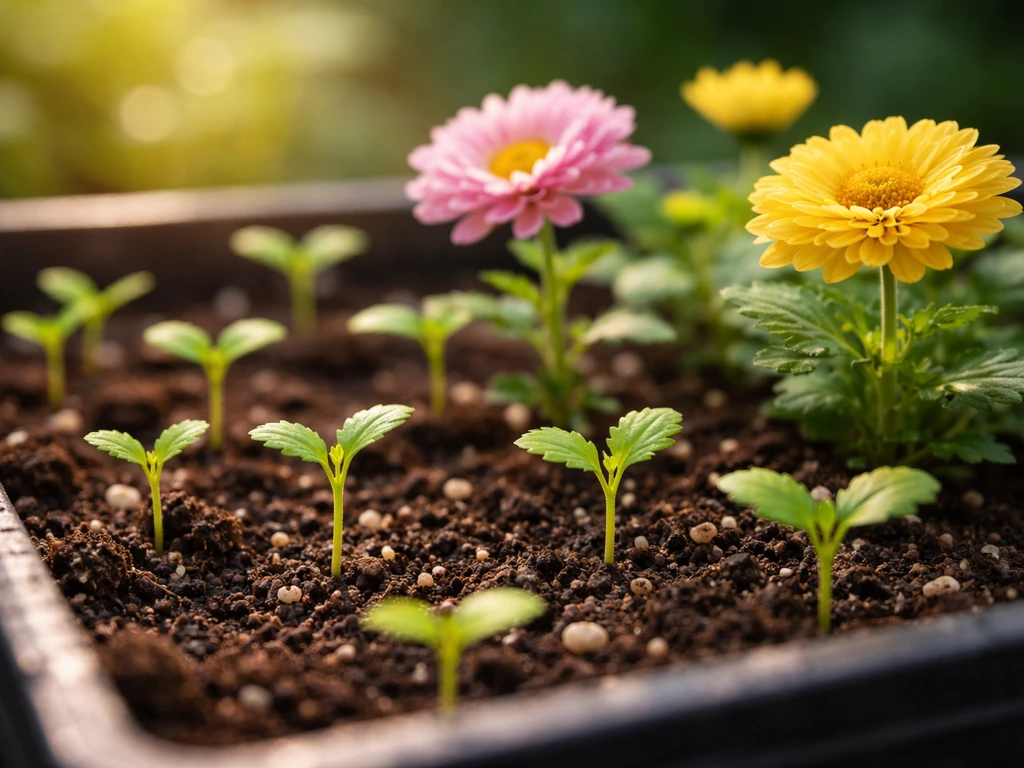
Most seeds take anywhere from 3 days to 3 weeks to germinate, and anywhere from 4 weeks to 6 months to reach a usable size or harvestable stage. That's a wide range, but the exact timing depends almost entirely on what you're growing and the conditions you're growing it in. If you've been staring at a bare patch of soil wondering whether anything is actually happening down there, this guide will tell you exactly what to expect and when to start worrying.
How Long Does It Take for Seed to Grow
Marcus Henley
6 Apr 2026
What 'starting to grow' actually means
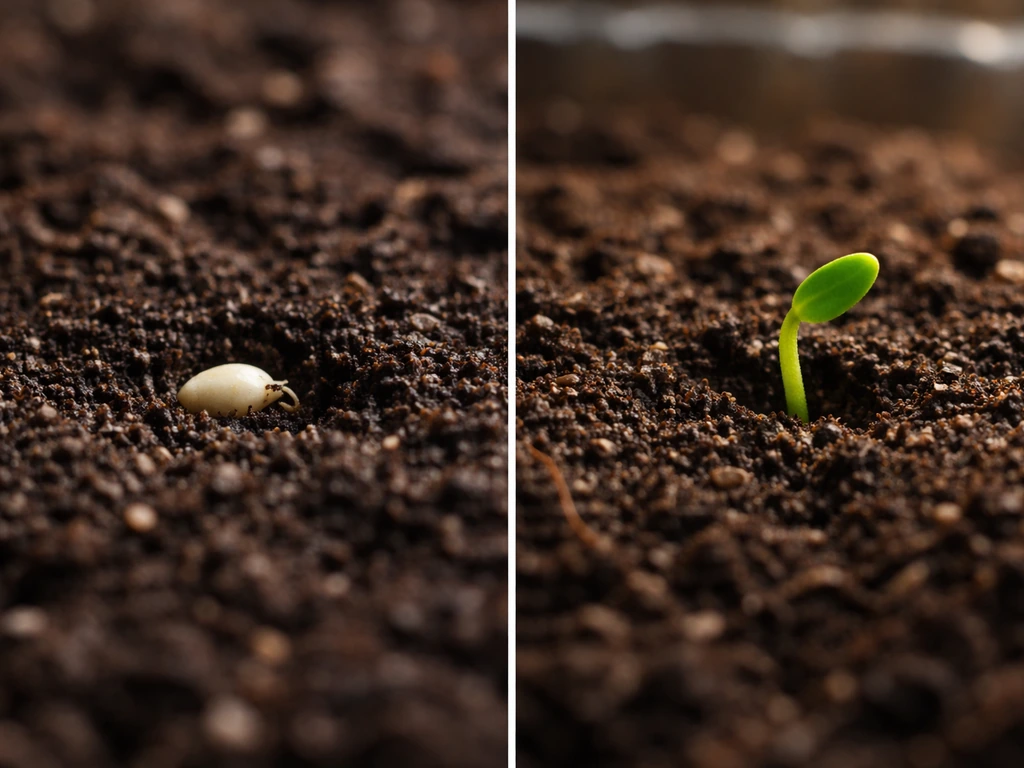
When people ask how long seeds take to grow, they're usually asking about one of three different things, and it helps to be clear about which stage you're watching for. The first stage is germination, which technically happens underground when the seed cracks open and sends out a tiny root called the radicle. You won't see this from above. The second stage is emergence, when the seedling actually pushes through the soil surface and becomes visible.
The third stage is maturity or harvest readiness, when the plant is fully usable. Most seed packets list 'days to germination' (which refers to visible sprout emergence) and 'days to maturity' (which refers to harvest readiness). Those two numbers can be weeks or even months apart.
According to UMaine Extension, for direct-sown crops like corn, peas, and radishes, the 'days to maturity' countdown starts from germination, which they note is 'close enough' since the seedling follows the underground root emergence quickly. For transplants, the clock often starts from the date you put seedlings in the ground, not from when you first sowed the seed indoors. For crops like onions, tomatoes, peppers, eggplant, kale, and parsley, the USU Extension transplant plan pairs weeks indoors (sow to transplant) with approximate days to harvest (from transplant) USU Extension provides “weeks indoors (sow to transplant)” planning ranges paired with “days to harvest (from transplant)”. That distinction matters a lot when you're planning backwards from a target harvest date.
Typical germination timelines by seed type
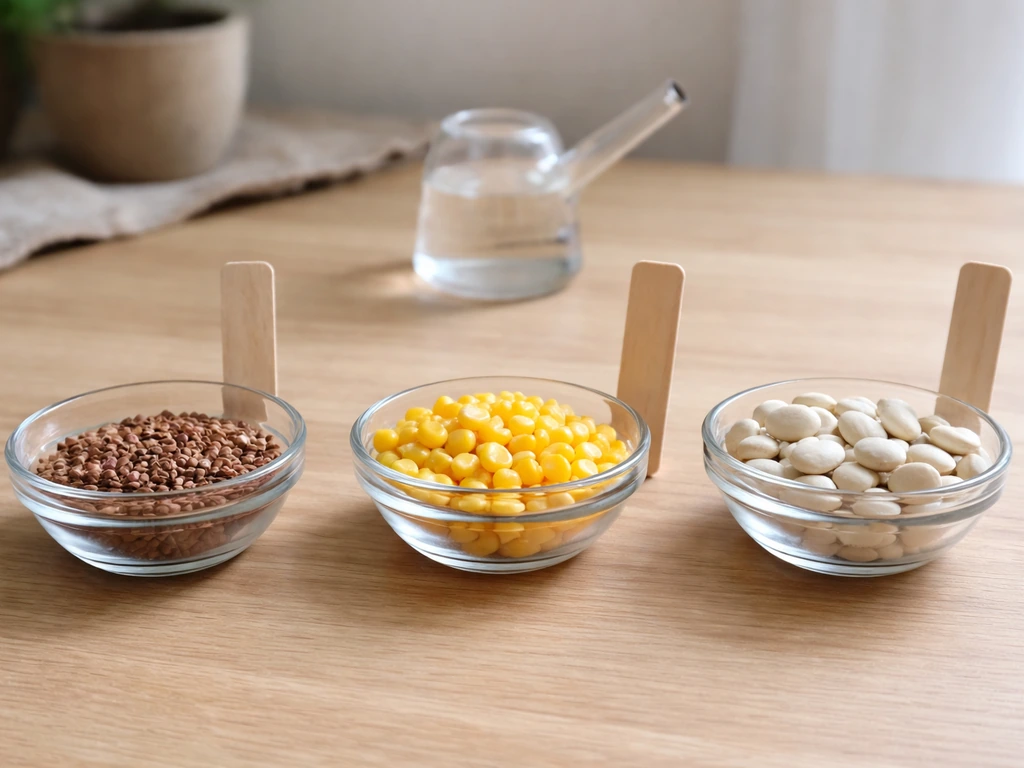
Here's a practical snapshot of germination windows for common seed types under good conditions. These are the 'days to visible sprout' ranges you should expect after sowing.
| Seed Type | Ideal Temp (°F) | Germination Window |
|---|---|---|
| Radish | 55–75°F | 3–4 days |
| Sweet Corn | 65–85°F | 4–7 days |
| Tomato | 70–75°F | 6–12 days |
| Pepper | 70–75°F | 7–10 days |
| Lettuce | 60–70°F | 7–14 days |
| Peas | 50–65°F | 9–14 days |
| Basil | 65–70°F | 10–14 days |
| Celery | 70–75°F | 14–21 days |
| Carrots | 50–80°F | 7–21 days |
| Parsley | 70–75°F | 20–25 days |
Radishes are the speed champions of the vegetable garden, which is why they're great for kids or impatient growers. Parsley, on the other hand, is notoriously slow and seems to sit there doing nothing for weeks. If you're curious whether which seeds grow fast in 3 days is even possible, radishes and some microgreens can actually hit that mark under warm, moist conditions.
What changes how fast seeds germinate
Temperature is the single biggest lever you have. Every seed has a preferred germination temperature range, and when soil temps fall outside that range, germination slows dramatically or fails entirely. Tomatoes and peppers both want 70–75°F soil. Peas prefer cooler soil, around 50–65°F, which is why you can plant them in early spring when the soil is still cold. Lettuce also germinates well in cooler soil (60–70°F), which is why it bolts in summer heat after spending no time at all establishing itself in spring.
Moisture is the second critical factor. Seeds need consistent moisture to soften the seed coat and trigger the germination process, but soggy soil is just as harmful as dry soil. Overwatering creates the perfect environment for damping-off pathogens, which thrive in cool, wet conditions according to UMN Extension. The goal is soil that's evenly moist, like a wrung-out sponge, not saturated.
Planting depth matters more than most growers realize. Planting too deep forces the seedling to fight its way through more soil before it can photosynthesize, which slows emergence and increases the time the seedling spends exposed to soilborne pathogens. Iowa State Extension emphasizes that controlling soil depth directly affects emergence timing and stand establishment. A general rule: plant seeds at a depth of about two to three times their diameter.
Light requirements vary by species. Some seeds (like lettuce) actually need light to germinate and should be pressed onto the soil surface rather than buried. Others (like tomatoes, peppers, and basil) don't need light for germination itself and can be covered with a thin layer of growing medium. Burpee advises checking the seed packet specifically for light requirements, because getting this wrong is one of the most common causes of poor germination rates.
Seed age and viability round out the key factors. Old seeds have lower germination rates. A packet of tomato seeds from two years ago might only germinate at 50–60% instead of the 80–90% you'd get from fresh seed. If you're reusing stored seeds, do a quick germination test: place 10 seeds on a damp paper towel, fold it up, wait the expected germination window, and count how many sprouted. That percentage tells you whether to plant more densely or just buy fresh seed.
From seedling to harvest: the bigger timeline
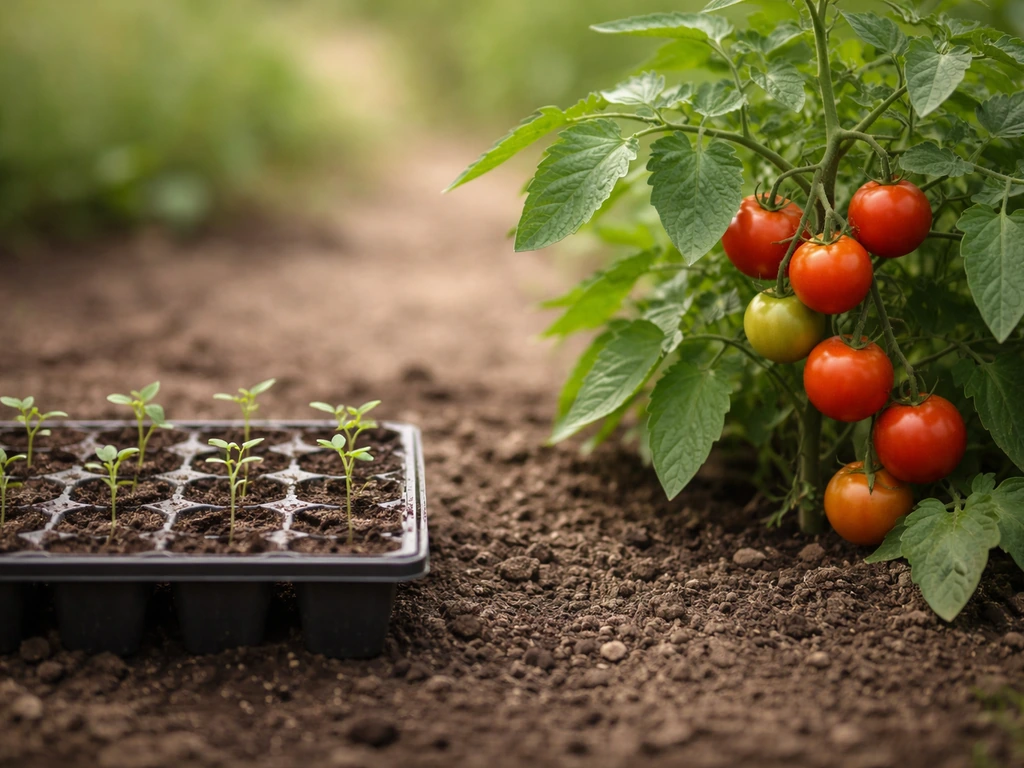
Germination is just the beginning. The gap between 'first sprout' and 'ready to eat or use' is where most of the time actually lives. Burpee describes 'days to maturity' as the time a vegetable needs to be ready for harvest, and that number counts from germination for direct-sown crops or from transplanting for crops started indoors. For planning purposes, always add your germination window to your days-to-maturity number to get a true total seed-to-harvest timeline.
OSU Extension's indoor seed-starting guidance gives you another useful metric: 'weeks sowing to planting,' which tells you how long a transplant needs to grow indoors before it's ready for the garden. These ranges are worth knowing if you're starting seeds inside under lights.
| Crop | Weeks Indoors (Sow to Transplant) | Approximate Days to Harvest (from transplant) |
|---|---|---|
| Onion | 8–10 weeks | 90–120 days |
| Tomato | 5–7 weeks | 60–85 days |
| Pepper | 6–8 weeks | 70–90 days |
| Eggplant | 6–8 weeks | 65–80 days |
| Kale | 4–6 weeks | 55–75 days |
| Parsley | 6–8 weeks | 70–90 days |
Add those indoor weeks to the field days to maturity and you start to see why tomatoes take the better part of 4–5 months from sowing to first ripe fruit. That's completely normal. Onions are even longer when you factor in both their extended indoor period and their long field season.
Germination and growth timelines for every major seed category
Vegetables
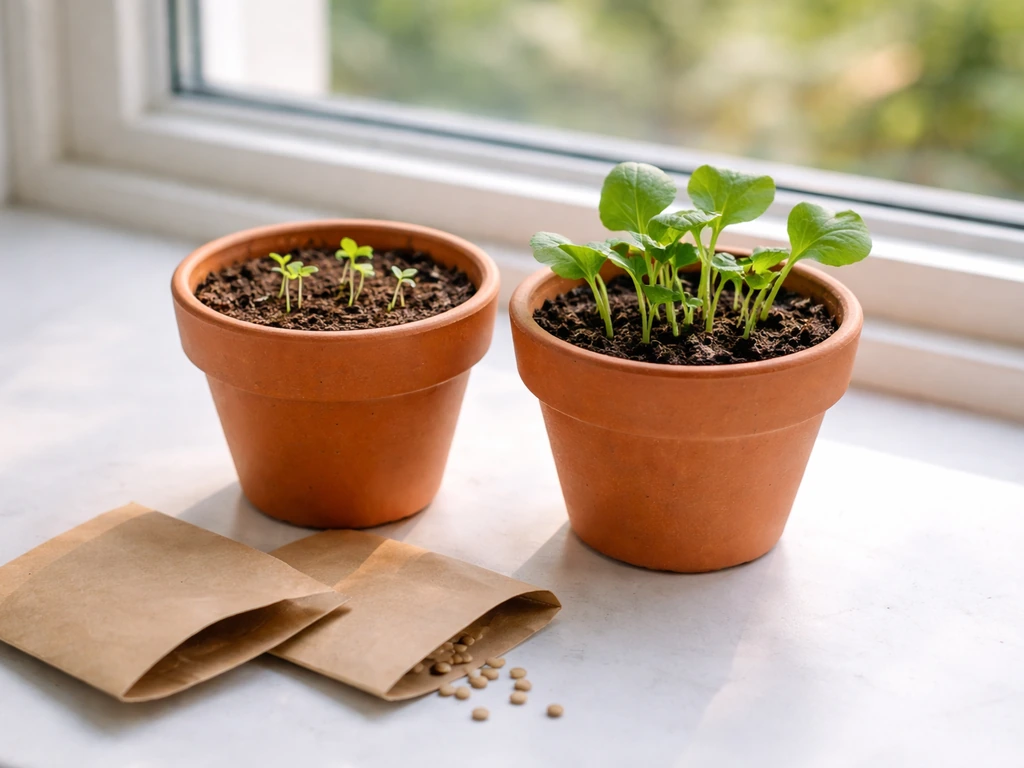
Fast-germinating vegetables like radishes (3–4 days) and sweet corn (4–7 days) are great confidence builders. Mid-range germinators like tomatoes, peppers, and lettuce fall in the 7–14 day range. Slow germinators like carrots, celery, and parsley can take 2–3 weeks to show anything. From germination to harvest, quick crops like radishes are ready in 25–30 days total, while slow crops like bell peppers can take 90 days from transplant, or 5+ months from seed.
Herbs
Basil germinates in 10–14 days at 65–70°F and is ready to start harvesting lightly in about 6–8 weeks from sprouting. Parsley is the slowpoke of the herb world at 20–25 days to germinate, then another 10–12 weeks to full usable size. Cilantro typically germinates in 7–10 days and is harvestable in 3–4 weeks from sprout. Chives take 10–14 days to germinate but need 8–10 weeks before they're worth cutting. If you're growing specialty varieties, how long it takes shamrock seeds to grow is a good example of how ornamental plants follow very different timelines than culinary herbs.
Flowers
Annual flowers like zinnias and marigolds germinate in 5–10 days and bloom in 8–10 weeks from sprout. Sunflowers germinate in 7–10 days and flower in 10–12 weeks. Perennial flowers from seed take much longer, often requiring cold stratification before germination begins, and may not bloom until their second year. If you're growing something like lavender or echinacea from seed, expect a full season before you see flowers.
Grasses
Lawn grasses vary enormously. Ryegrass is the fastest, typically germinating in 5–10 days under good conditions. Kentucky bluegrass can take 14–30 days. Tall fescue falls in the 7–14 day range.
For patch-repair products, how long it takes EZ Seed to grow is one of the most searched questions in lawn care, and the short answer is you'll see initial sprouting in 5–7 days but a full, established patch in 4–6 weeks.
If you've used that specific product, you can also look into how long Scotts EZ Seed takes to grow for brand-specific guidance on their formulation timelines, or check out the detailed breakdown of EZ Seed and how long it takes to grow for step-by-step expectations. There's also a more specific look at Scotts EZ Seed and how long it takes to grow that covers what to expect week by week.
Ornamentals and specialty seeds
Ornamental seeds span an enormous range. Some, like nasturtiums, germinate in 7–10 days and bloom in 6–8 weeks. Others, like tree seeds or cold-dormant perennials, require months of stratification before germination begins at all. Kit-style growing products, like the ones covered in our guide on how long it takes Buzzy Seeds to grow, are designed to simplify this process and give beginners a more predictable timeline with pre-selected varieties.
Speeding things up and troubleshooting slow starts
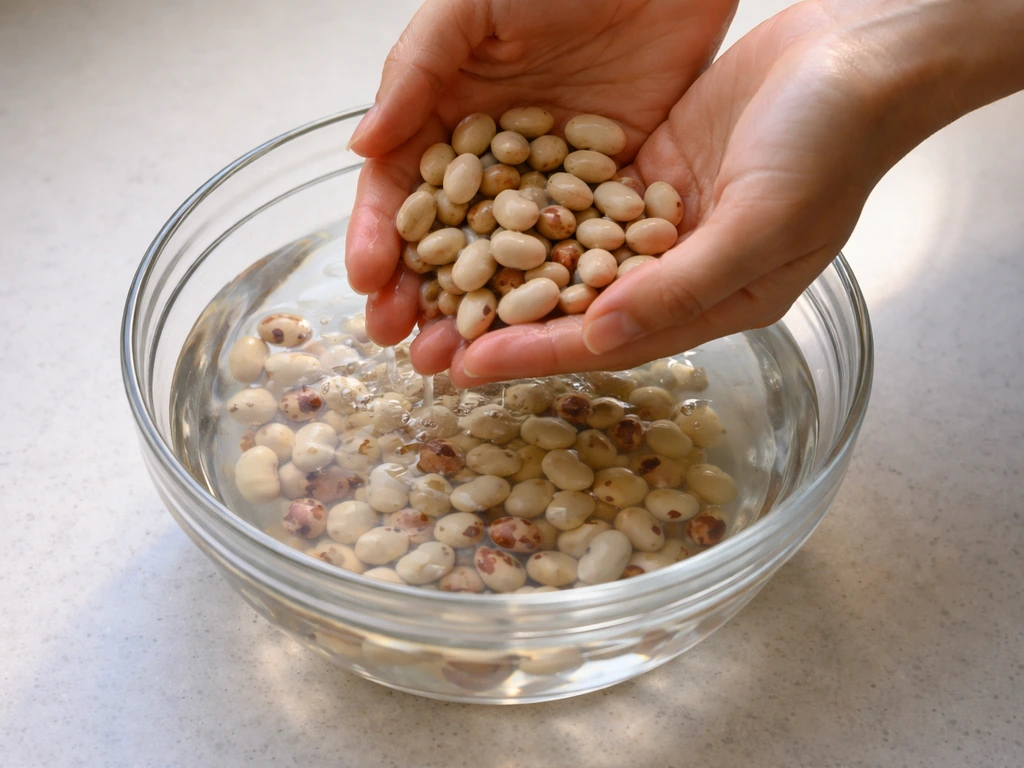
Pre-soaking
Soaking large, hard-coated seeds (beans, peas, beets, squash) in room-temperature water for 8–12 hours before planting softens the seed coat and can shave 2–4 days off germination time. Don't soak for longer than 24 hours, as seeds can begin to rot. This is one of the easiest and most reliable germination boosters available.
Scarification
Some seeds have extremely hard coats designed to withstand years of outdoor conditions before germinating. Morning glory, moonflower, and some native wildflower seeds benefit from scarification, which means physically scratching or nicking the seed coat with sandpaper or a nail file before sowing. This mimics the weathering process and allows moisture to penetrate faster, jumpstarting germination by days or weeks.
Cold stratification
Many perennial flower seeds, tree seeds, and native plants require a period of cold and moisture to break dormancy, mimicking what would happen naturally over winter. Purdue Extension notes that many seeds needing moist-chilling are often adequately stratified for about 3, 4 months at roughly 35, 40°F, depending on the species cold and moisture to break dormancy.
According to UI Extension, stratification involves storing seeds in a refrigerator at 33–40°F in a sealed bag with moistened paper towel, peat, or vermiculite. The required duration varies by species but typically runs 1–3 months. UI Extension specifically warns that not starting stratification early enough can add 1–3 months to your overall growing timeline, so plan ahead. Check moisture periodically and watch for mold during storage.
Troubleshooting: why your seeds aren't sprouting
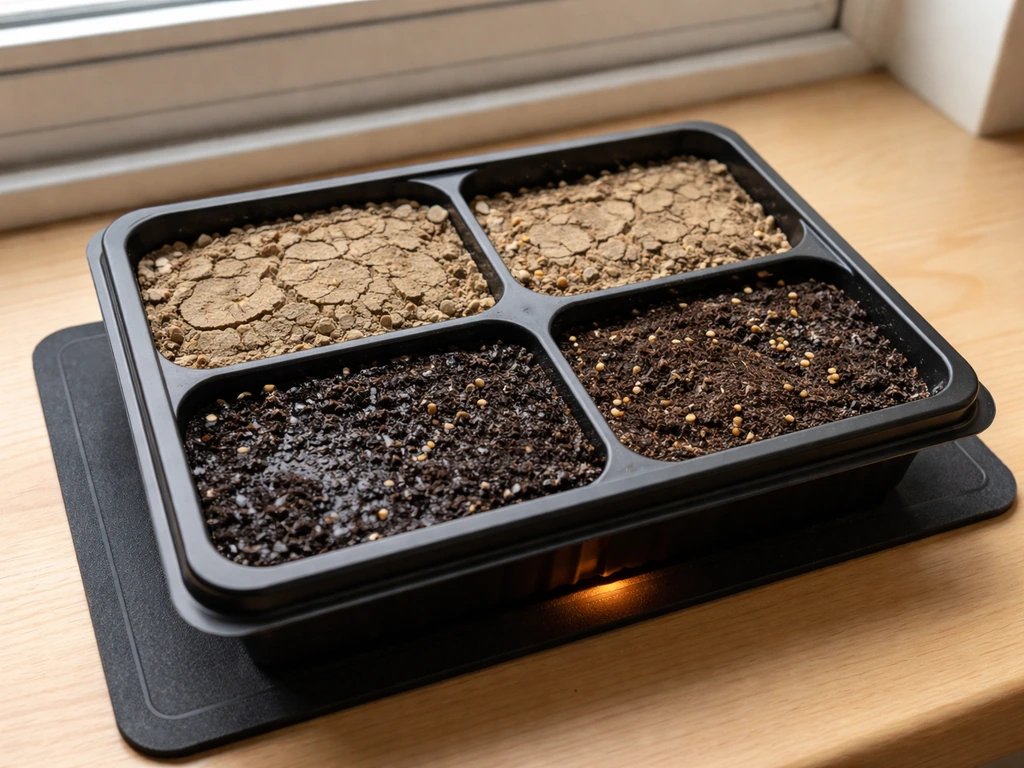
- Soil too cold: Most seeds stall below 50°F. For warm-season crops like tomatoes and peppers, use a heat mat to keep soil at 70–75°F.
- Soil too wet: Overwatering is the top killer of ungerminated seeds and seedlings. It fuels damping-off fungi, which thrive in cool, wet conditions.
- Planted too deep: Double-check the recommended depth on your seed packet. Tiny seeds like lettuce should barely be covered.
- Old or low-viability seeds: If your germination rate is poor, the seed may simply be too old. Test viability on a damp paper towel before committing to a full bed.
- Incorrect light conditions: Some seeds need light (like lettuce) and should be surface-sown. Others that need darkness should be covered.
- Damping-off: If seedlings sprout then suddenly collapse at soil level, this is damping-off. UMN Extension recommends using fresh, sterile potting mix (never garden soil in trays), watering with warm water around 68–77°F, and providing 12–16 hours of light from grow lights to promote vigorous growth that resists fungal attack.
If you've passed the expected germination window by 50–100% and still see nothing, it's usually worth replanting. Don't wait forever. A fresh start with corrected conditions almost always beats nursing a failed tray.
Planning your planting schedule around real timelines
The most practical way to use germination and maturity data is to count backwards from your target date. Start with when you want the plant to be ready (first harvest for vegetables, first bloom for flowers, established lawn by a certain date), then subtract the days-to-maturity figure, then subtract the germination window, and that gives you your sow date. If you're starting transplants indoors, also subtract the weeks-sowing-to-planting figure.
- Pick your target date: When do you want to harvest or have a usable plant?
- Find your days to maturity: Check the seed packet or a germination reference table.
- Subtract days to maturity from your target date to get your transplant-out date.
- If starting indoors, subtract your weeks-indoors figure to get your indoor sow date.
- Add a buffer of 1–2 weeks for any germination delays or weather variability.
- Cross-check against your last frost date if growing warm-season crops outdoors.
For example, if you want ripe tomatoes by July 20 and your variety says 70 days to maturity from transplant, you need transplants in the ground by May 11. If tomatoes need 6 weeks indoors before transplanting, you'd sow seeds around March 30. Add a buffer and you'd want to start no later than March 23 to feel comfortable. That kind of backwards planning turns vague hopes into an actual calendar.
Conditions in your garden will shift these numbers. A cold, wet spring can add 1–2 weeks to germination and early growth. A particularly warm, sunny summer can shave time off maturity. Treat the numbers on seed packets as a center point, not a guarantee, and you'll be far less frustrated when real life doesn't match the label exactly. The gardeners who plan with ranges rather than single dates consistently have more success.
FAQ
Can a seed be germinating even if I don’t see sprouts yet?
Yes, it can happen. Some seeds may crack or send out a radicle underground but not show aboveground emergence right away due to cool soils, light sensitivity, or being planted too deep. If you hit the expected germination window and seedlings never surface, check soil temperature and depth, then do a simple test by gently digging down near a few seeds to see if roots are forming.
How long should I wait before replanting when nothing appears?
In most gardens, waiting past the normal germination window by about 50 to 100 percent is a good tipping point. At that stage, replant with corrected conditions rather than continuing to wait, especially if soil stays cold, wet, or crusted. For transplants, also consider that slow emergence may be root shock rather than seed failure, so give emergence time after planting.
Do seed packet “days to germination” and “days to maturity” mean the same thing?
Seed packets often use “days to germination” and “days to maturity” differently depending on whether the crop is direct-sown or transplanted. For direct-sown vegetables, “days to maturity” usually starts at germination, while for crops started indoors and transplanted, it typically starts at transplanting. If you plan from seed to harvest, always confirm which start date the packet is using for your crop type.
If timing matters, how do I count days correctly from my specific sow date?
Use a consistent method. For direct-sown seed, the “true” start is the actual sowing date plus the germination window, not the calendar date you bought the seed or the date you thinned. For indoor starts, count weeks indoors from the time you sow (under lights), then add the outdoor days-to-maturity from transplant date, because that is what most planting timelines are based on.
Why do seeds sometimes germinate but seedlings never emerge?
Yes, and it is one of the fastest ways to create delays. If your soil crusts over after sowing, emergence gets trapped and seedlings can fail even when the seeds are viable. Lightly firm the surface after sowing, keep moisture even, and avoid letting the top inch dry out and harden between waterings.
What happens if I plant light-requiring seeds too deep or too shallow?
It depends on the crop. Lettuce and some other light-requiring seeds should be pressed to the surface, not buried. If you cover them too deeply, you may get zero emergence even under perfect temperatures. Conversely, seeds that do not require light can fail if you leave them exposed and the surface dries, so check the packet for whether light is required for germination.
How can I tell if my slow germination is from too much water versus too little?
Overwatering causes a different problem than “slow germination.” When soil stays saturated and cool, damping-off pathogens can kill seedlings as they try to emerge. A practical target is evenly moist soil like a wrung-out sponge, and letting the top surface slightly lighten between waterings can reduce risk without drying the seed zone too much.
Should I assume older seeds will still germinate normally?
You can, but only if your storage conditions were good. Most seeds tolerate typical indoor storage, but viability drops over time and some species are more sensitive than others. If a packet is older than a couple of years, do the quick paper-towel sprout test on a small sample so you know whether to sow normally, sow thicker, or replace.
How do temperature swings affect how long it takes seed to grow?
Yes, and it’s especially important for cool-season plants and perennials with dormancy. If temperatures are far below the seed’s preferred range, germination can stall for weeks. If they are above the upper end, some seeds may fail entirely. Use the recommended soil temperature range as your “go/no-go” check, not just the calendar.
Does soaking seeds always speed germination, and for which seeds should I be careful?
For hard-coated seeds, soaking can speed things up, but timing matters. Soak room-temperature water for about 8 to 12 hours for large seeds, then sow promptly. Avoid soaking longer than 24 hours because seeds can start to rot, which can turn a speed-up tactic into a failure.
What’s the biggest mistake people make with cold stratification?
For plants that need cold, cold stratification must meet both temperature and moisture needs, and it must be started early enough. If you start too late, you can easily add 1 to 3 months to your overall timeline. Store in a sealed bag with slightly moist medium, check periodically for mold, and keep to the species’ required duration.
Why does harvest sometimes take much longer than the packet estimate?
Yes, because “first sprout” is not the same as “ready to harvest.” Once germination happens, maturity depends on growth rate, day length, and weather, which can shift by weeks. When planning, add the germination window to days-to-maturity, and include extra buffer if your season is known for cold, wet starts or hot spells.
What’s the simplest way to plan backward from a target harvest or bloom date?
If you are growing for a specific date, backwards planning works best when you include a buffer and confirm whether your crop is direct-sown or transplant-based. Start from your target harvest or bloom, subtract days to maturity, subtract germination days, and subtract weeks indoors if needed. Then add a safety cushion of about a week or more for temperature and weather variability.
Next Article
How Long Does It Take to Grow Chrysanthemums from Seeds
Timeline for growing mums from seeds: sowing to germination, transplant readiness, flowering and maturity, plus key vari