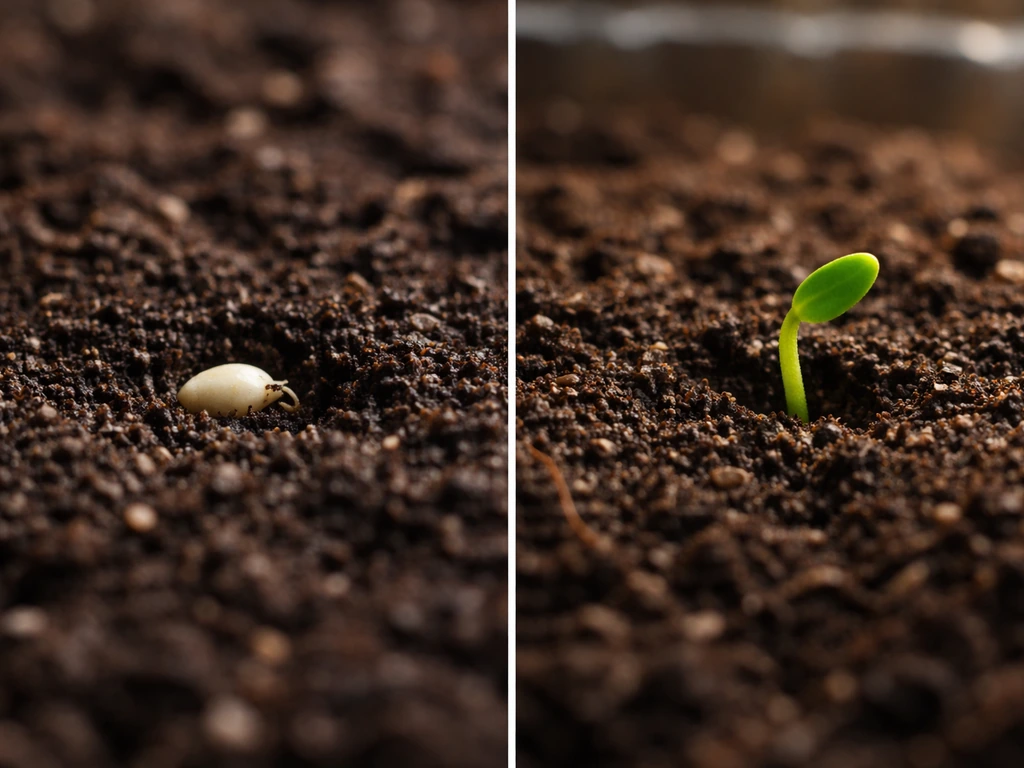
EZ Seed grass typically germinates in 5 to 14 days, depending on which variety you're using and how well you've kept it moist. The Sun and Shade formula sprouts in blank" rel="noopener noreferrer">as little as 5 to 10 days, while the Tall Fescue version takes 7 to 14 days. But "germination" just means tiny blades are poking up. A fully established patch that can handle foot traffic takes closer to 4 to 8 weeks from your first application. Here's what to expect at every stage and how to make sure you hit the faster end of that range.
How Long Does It Take for EZ Seed Grass to Grow?
Marcus Henley
8 Apr 2026
The EZ Seed grass growth timeline, day by day
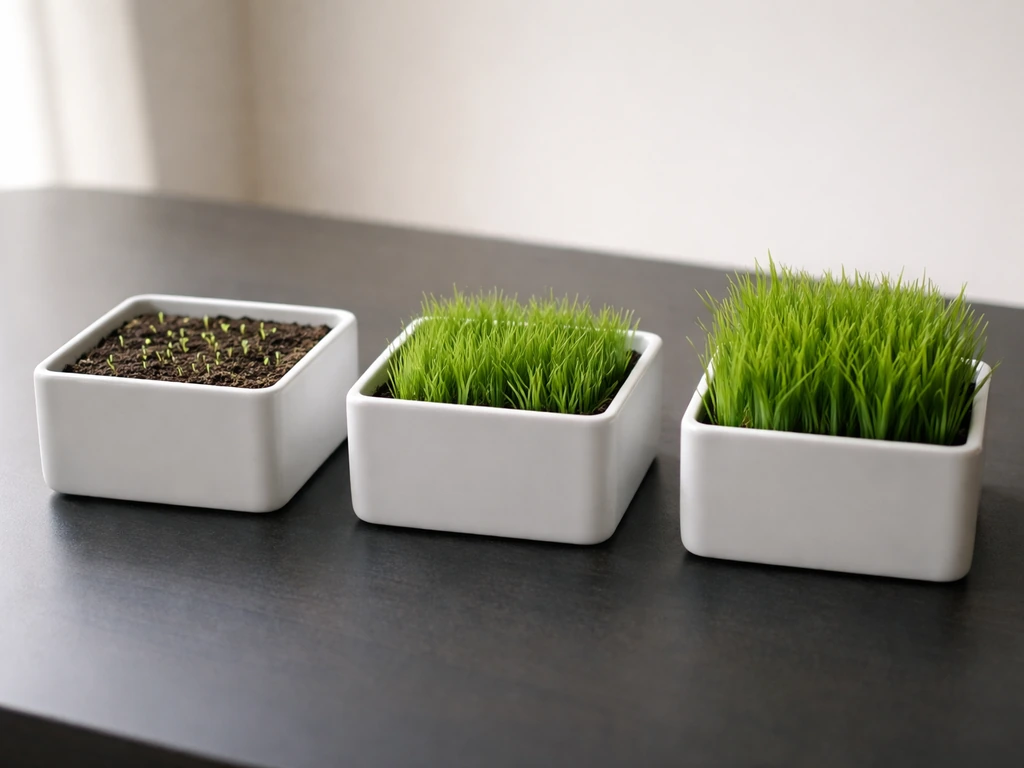
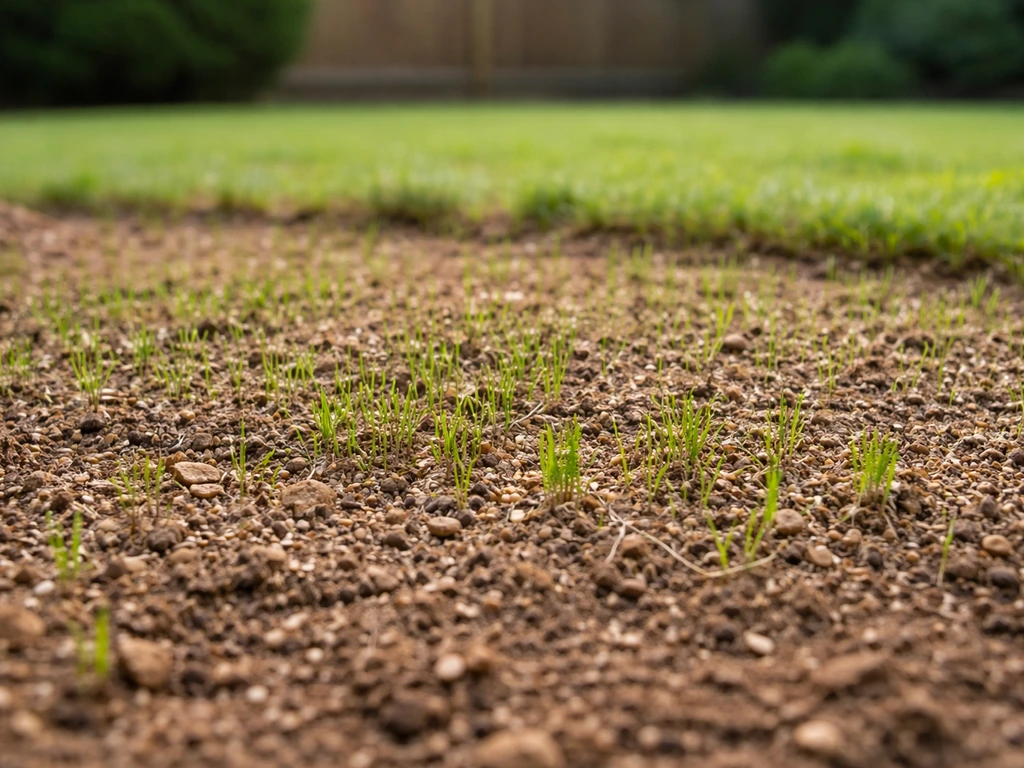
This is the part most people want upfront, so let's go through it in plain terms. One reviewer using the Sun and Shade formula applied it on a Friday evening and reported tiny blades already appearing by Tuesday, which is about 3 days. That's the fast end. Most people see their first sprouts somewhere between days 5 and 10 with the Sun and Shade blend. The Tall Fescue version runs a little slower, usually showing visible germination between days 7 and 14. And it's worth knowing that some seed in a given patch can take up to a full month to germinate, especially in a larger repair area with inconsistent moisture.
| EZ Seed Variety | First Sprouts (Days) | Mowing-Ready Height | Fully Established |
|---|---|---|---|
| Sun and Shade | 5–10 days (as fast as 3 in ideal conditions) | ~3 inches (typically 3–5 weeks) | 4–8 weeks |
| Tall Fescue Lawns | 7–14 days | ~3 inches (typically 4–6 weeks) | 6–8 weeks |
| Zoysia | Slower; best in consistent 70°F–90°F temps | ~3 inches | 8+ weeks |
If you're curious about how this compares to seeding grass from scratch or using other seed products, checking out a general overview of how long it takes for seed to grow can give you useful context for setting realistic expectations across different grass types.
What actually controls how fast EZ Seed grows
Temperature
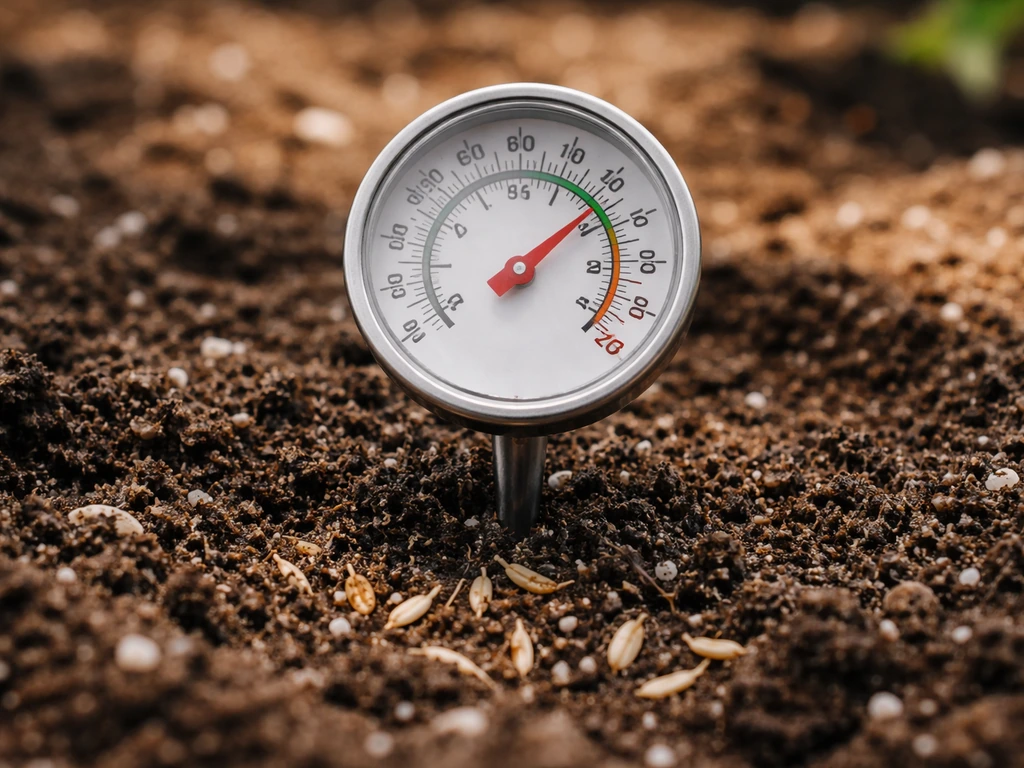
Temperature is the single biggest variable. Both the Sun and Shade and Tall Fescue formulas germinate best when daytime temperatures are consistently between 60°F and 80°F. Drop below that range (think cool nights in early spring or late fall) and germination stalls hard. Scotts specifically notes that seeds will not germinate if night temperatures drop too sharply, even if the days are warm. The Zoysia formula has a different sweet spot: it likes average daytime temps between 70°F and 90°F. So if you're applying EZ Seed in a marginal season, you're already starting behind.
Moisture
This is the one you have the most control over, and it's where most people fall short. The deep first watering is critical: saturate the area until no more water is being absorbed, but don't let water pool. After that, keep the top inch of soil consistently moist for the first 2 to 3 weeks. The mulch in EZ Seed actually helps here because it expands 4x upon watering to hold moisture around the seed. But that mulch also gives you a useful visual cue: when it begins to turn light brown, it's time to water again. You're aiming to water 1 to 2 times per day during germination to keep things from drying out.
Sunlight and soil contact
EZ Seed is formulated to handle shadier spots, but it still needs some light to establish properly. More importantly, seed-to-soil contact is non-negotiable. Scotts instructs you to apply EZ Seed so that the area is mostly covered but bare ground is still visible underneath. If you pile it on too thick, seeds sit on top of the mulch layer instead of touching soil, and they stall or die. This is a surprisingly common reason for patchy results.
First sprouts vs. actually established: these are very different things
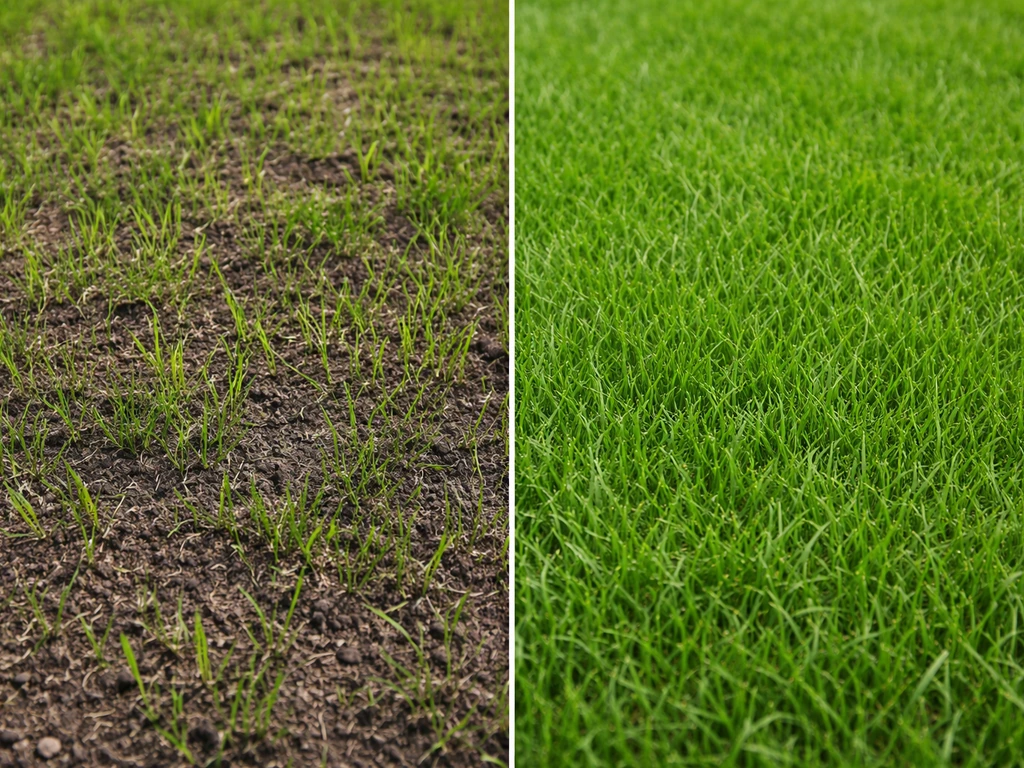
Seeing green fuzz at day 5 or day 10 feels great, but that's not the finish line. Scotts is clear about two specific milestones you need to hit before changing your routine. First, keep watering daily until seedlings reach at least 2 inches tall. At that point you can ease off the frequency. Second, keep kids, pets, and lawn mowers completely off the area until the grass reaches 3 inches tall. At 3 inches you're finally in safe territory to walk on it lightly and think about a first mow. Mowing before that height damages shallow roots and can set you back weeks.
If you want a deeper dive specifically on the Scotts brand timeline, there's a focused piece on how long Scotts EZ Seed takes to grow that goes further into their product-specific guidance. And for a broader look at the same topic from a slightly different angle, the article on EZ Seed and how long it takes to grow covers some additional real-world timelines.
When to plant: timing EZ Seed by season
For the Sun and Shade formula, Scotts recommends spring and early summer as the best windows, when daytime temps are reliably in that 60°F to 80°F sweet spot. The Tall Fescue formula does well in both fall and spring. If you're planting in fall, Scotts' general lawn guidance points to the two weeks before or after Labor Day as the ideal window for cool-season grasses. That gives new seedlings enough time to develop strong roots before temperatures drop below germination range. Spring seeding works well too, but you're racing against summer heat arriving before the lawn fully establishes.
Summer seeding with the Sun and Shade blend is possible if your temperatures stay in range, but it gets riskier because moisture evaporates faster and the risk of heat stress on young seedlings is real. Winter seeding generally doesn't work for EZ Seed because germination simply stops when nighttime temperatures get too cold.
| Season | Sun and Shade | Tall Fescue | Zoysia |
|---|---|---|---|
| Spring | Best | Good | Good (if warming to 70°F+) |
| Early Summer | Good | Risky if heat arrives | Best |
| Fall (around Labor Day) | Fair (watch temps) | Best | Not recommended |
| Winter | Not recommended | Not recommended | Not recommended |
Slow or patchy growth? Here's what to fix right now

If it's been 10 or more days and you're not seeing much, work through this list before assuming the product failed.
- Check soil moisture right now. Dig a finger into the soil right at the seeded area. If it's dry even an inch down, you're not watering enough. The top inch needs to stay consistently moist for the first 2 to 3 weeks, not just damp on the surface.
- Look at your application thickness. If you can't see any bare ground through the EZ Seed layer, you may have applied too heavily. Seeds need soil contact to germinate. Gently thin the layer with a rake if needed.
- Check nighttime temperatures. If temps are dropping below 50°F at night, germination will be very slow or stalled entirely. There's not much you can do except wait for warmer conditions.
- Protect from foot traffic. Even light foot traffic on pre-germinated or just-sprouted seed can crush seeds and break the fragile root connection. Use temporary fencing or markers to keep people and pets off the area.
- Assess sun exposure. EZ Seed handles shade well, but "full shade" conditions (no direct sun at all) will significantly slow things down. If the area is completely shaded, results will be slower and thinner.
- Avoid waterlogging. Too much water is almost as bad as too little. If water is pooling on or around your seeded area, pull back on watering frequency and improve drainage before reseeding if necessary.
Patchy germination is extremely common and usually a moisture or soil contact issue, not a bad batch of seed. It's worth knowing that some seeds in any EZ Seed application can take the full month to show up, so don't panic and rip everything out if one corner is slower than another.
If you've ever wondered what seeds are capable of sprouting in just a few days under ideal conditions, reading about which seeds grow fast in 3 days gives a useful comparison point that puts EZ Seed's timeline in perspective. And while EZ Seed is a grass product, the general principles of why seeds stall or sprint also apply to other specialty seeds like those covered in articles on how long Buzzy Seeds take to grow or even how long shamrock seeds take to grow: temperature, moisture, and soil contact drive almost everything.
Watering schedule, first mow, and keeping it healthy long-term
Watering schedule
Here's a simple framework to follow from day one through establishment. The initial watering on application day should be deep and thorough: saturate the area completely until water stops absorbing, with no pooling. From there, watch the mulch color. When it starts turning light brown, water again. In warm or dry conditions, that usually means 1 to 2 waterings per day. Once seedlings hit 2 inches, you can start tapering to once per day or even every other day depending on your climate and rainfall.
- Day 1 (application): deep saturating water, no pooling
- Days 2 through germination: 1 to 2 waterings per day, watch mulch color as your guide
- Sprouts visible through 2-inch height: daily watering, keep top inch consistently moist
- 2 inches to 3 inches tall: ease off to every 1 to 2 days as needed
- 3 inches and beyond: shift to a normal lawn watering routine
When to mow for the first time
Don't mow until the new grass reaches 3 inches tall, and Scotts also recommends waiting until seedlings hit 3 to 4 inches before the first cut. Set your mower height high for that first pass: never remove more than one-third of the blade height at once. Cutting too short too early stresses roots that are still anchoring in. If some areas of the patch are shorter than others, wait until the whole area reaches that threshold before mowing. A related article on Scotts EZ Seed and how long it takes to grow covers what to expect during these later establishment weeks in more detail.
Long-term care after establishment
Once your EZ Seed patch is established (usually 6 to 8 weeks in), treat it like the rest of your lawn. Regular mowing at the right height for your grass type, consistent watering during dry spells, and fertilizing after full establishment will help the repaired area blend in and stay thick. Avoid heavy foot traffic for the first full season if possible, especially on Zoysia, which takes longer to knit into a durable surface. If you end up with thin or bare spots after your first attempt, fall or the following spring is the right time to top-dress and overseed those areas again.
FAQ
Does EZ Seed look established as soon as it germinates?
Not always. Even if you see sprouting, the patch may not be well established for foot traffic until closer to 4 to 8 weeks (and less on ideal conditions). If you want a readiness check, wait until seedlings are at least 2 inches tall before easing watering, and keep people off until the grass reaches about 3 inches.
What should I do if it has been 10 days and my EZ Seed still hasn’t grown much?
Usually 10 days is an early concern point, but it is not the moment to give up. Seed can take up to a month to appear, especially with uneven moisture across a larger repair area. If you are past 10 days, re-check topsoil moisture and seed-to-soil contact, then keep the area consistently moist while you monitor for new sprouting.
Can I seed EZ Seed in spring or fall, and will cold nights ruin it?
Yes, but only when temperatures stay in the product’s germination sweet spot and moisture is managed. Sun and Shade is most reliable when nights are not dropping sharply and days stay roughly in the 60°F to 80°F range, while Zoysia needs warmer averages (about 70°F to 90°F daytime). If nights are consistently cold, germination can stall even if daytime feels warm.
How often should I water EZ Seed after the initial watering?
EZ Seed germination is not just about the first watering. The critical window is keeping the top inch consistently moist for roughly the first 2 to 3 weeks, using the mulch color as a cue (light brown means it is time to water again). After that, you can taper, typically once per day or every other day depending on rainfall and heat.
How long does it take for EZ Seed to be walkable versus just sprouting?
It depends on what you mean by “grow.” The first green blades can appear in as little as about 5 days (Sun and Shade), but a durable patch usually takes much longer, around 4 to 8 weeks for stronger establishment. For the fastest routine adjustment, rely on height milestones rather than calendar days.
Why would EZ Seed germinate in some spots but not others?
It can. If seed is applied too thickly so it sits on top of mulch instead of touching soil, germination can stall and you may see patchy results. A practical rule from the guidance is to cover the area well but still leave some bare ground visible underneath so seeds can reach soil contact.
What is the earliest I can mow EZ Seed, and how should I set the mower?
More than mowing height, the timing matters. Do not mow until the grass reaches about 3 inches, and set the mower high for the first cut (remove no more than about one-third of the blade height). Cutting earlier can damage shallow roots and push establishment back by weeks.
Should I reapply or tear out EZ Seed if one corner is slower than the rest?
Yes. Some areas will lag due to uneven moisture or different sun exposure, and EZ Seed can show up unevenly even in one application. Rather than ripping everything out, wait for the slower areas to catch up (sometimes up to a month total), while maintaining moisture and checking seed coverage depth.
When should I fertilize after seeding EZ Seed?
Fertilizing too early is a common mistake. Follow the product’s approach of focusing on moisture and establishment first, then fertilize after full establishment (once the patch has matured, typically around the 6 to 8 week range). Early feeding can encourage weak growth when roots are still anchoring.
If my patch ends up thin, when is the best time to overseed or top-dress?
You can usually top-dress and overseed after the first attempt if you end up with thin or bare spots, and the best timing is in the fall or the following spring. Trying to aggressively fix failures immediately mid-establishment can disrupt rooting, especially if the area has not reached the recommended height milestones yet.
Next Article
How Long Does It Take for Seed to Grow
Germination vs emergence to harvest timelines for vegetables, herbs, flowers, grasses and more, plus troubleshooting and