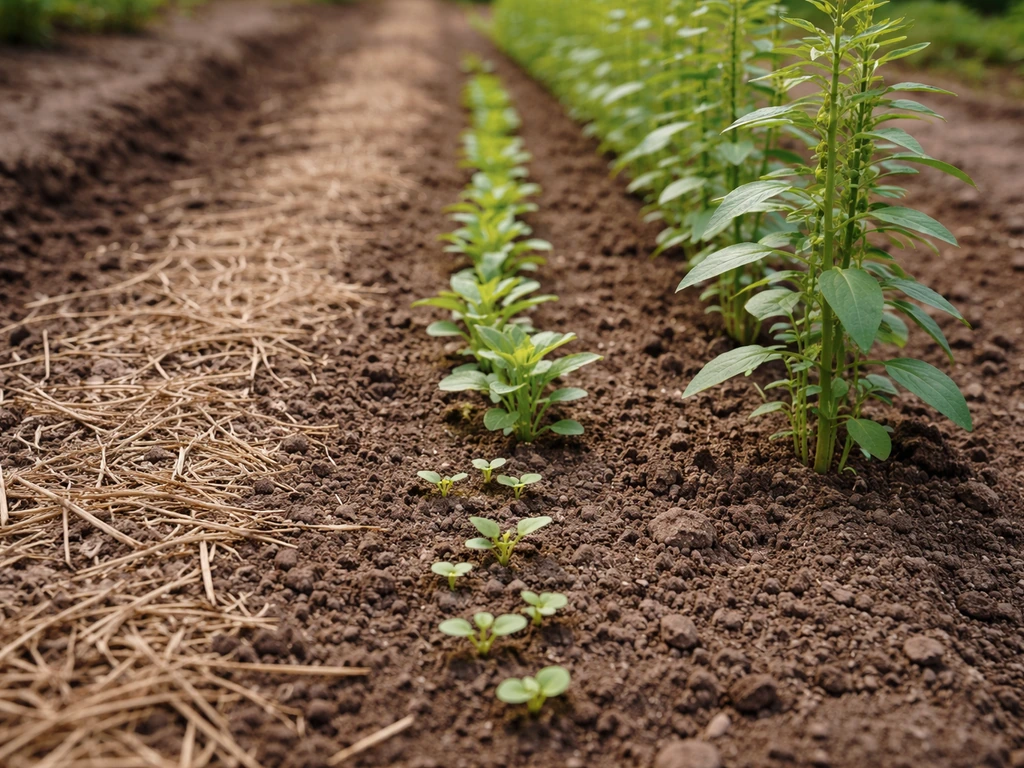
Centipede grass seed typically takes 21 to 28 days to germinate under good conditions, meaning you should see tiny green sprouts breaking the surface within three to four weeks of planting. After that first green fuzz appears, you're looking at several more weeks before you have visible coverage, and realistically two to three growing seasons before the lawn is fully thick and established. It's genuinely one of the slower warm-season grasses to start from seed, so if you're in week two and still seeing bare dirt, that's completely normal.
How Long Does Centipede Seed Take to Grow? Timeline

Marcus Henley
23 May 2026
What 'centipede seed' usually means
When people search for 'centipede seed,' they almost always mean centipede grass seed, scientifically known as Eremochloa ophiuroides. It's a warm-season turfgrass that's popular across the southeastern United States because it needs very little fertilizer, tolerates some drought once established, and stays relatively low-growing. It's often described as a lazy-lawn grass in the best possible way: low maintenance once it's settled in, but demanding of patience during establishment. It's worth knowing upfront that centipede grass is genuinely slow-growing by nature, not just during germination but throughout its life. That's a feature, not a flaw, since it means less mowing, but it does mean you need to calibrate your expectations from the start.
The full timeline: from seed to seedling to established lawn
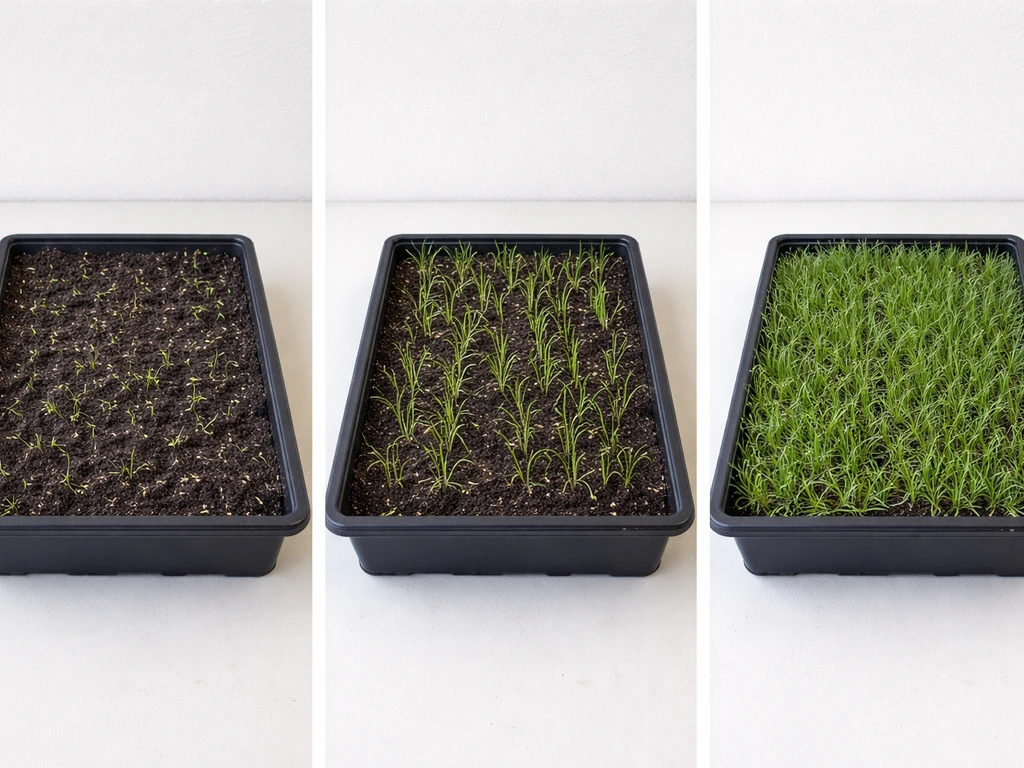
Here's how the stages actually break down in practice. Mango seed growth is also heavily driven by warmth, moisture, and how deep the seed is planted, so timelines can vary a lot how long does a mango seed take to grow. Each milestone is useful to know because they help you tell the difference between 'this is going fine' and 'something is wrong.'
| Stage | Typical Timeframe | What You'll See |
|---|---|---|
| Germination begins | 21–28 days after planting | Tiny pale green sprouts emerging from soil surface |
| Visible seedling coverage | 4–8 weeks after germination | Thin but spreading green haze; patchy but present |
| First mowing ready | 6–10 weeks after germination | Seedlings reaching 1–1.5 inches tall |
| Light foot traffic okay | 3–4 months after seeding | Lawn filling in but still fragile; keep traffic minimal |
| Full lawn establishment | 2–3 growing seasons | Dense, thick turf that handles normal use |
The 21-day figure applies when soil temperatures are consistently above 70°F. At lower temps, that window stretches toward 28 days or even longer. And that two-to-three-year full establishment timeline isn't a typo. NC State Extension explicitly notes that centipede seeded lawns can take that long to reach true maturity, which is one reason many homeowners start with sod or plugs instead of seed when they're in a hurry.
Best time to plant and conditions you need
Centipede grass seed needs warm soil to germinate, and that's non-negotiable. The target soil temperature is above 70°F, which in most of the Southeast means late spring through early summer, roughly late April through June depending on your location. Planting too early in spring, when soil is still cold, leads to seed sitting dormant in the ground and becoming vulnerable to rot, washing, and displacement before it ever sprouts.
- Soil temperature: minimum 70°F, ideally 75–80°F for faster germination
- Best planting window: late April through mid-June in most of the Southeast
- Sun exposure: full sun is best; centipede grass doesn't establish well in heavy shade
- Soil pH: target 5.0–6.0 (centipede grass actually prefers slightly acidic soil)
- Seedbed texture: fine, firm, and free of clumps larger than a marble
One thing that surprises people is that centipede grass seed actually germinates better with alternating temperature patterns, like warm days and cooler nights, rather than one uniform temperature around the clock. So a consistent 75°F day and 60°F night combination is often better than a steady 80°F all day and night. If you're planting in midsummer and soil temps are above 85°F, germination can be inconsistent and your watering requirements go up significantly.
Watering, seed-to-soil contact, and keeping things going
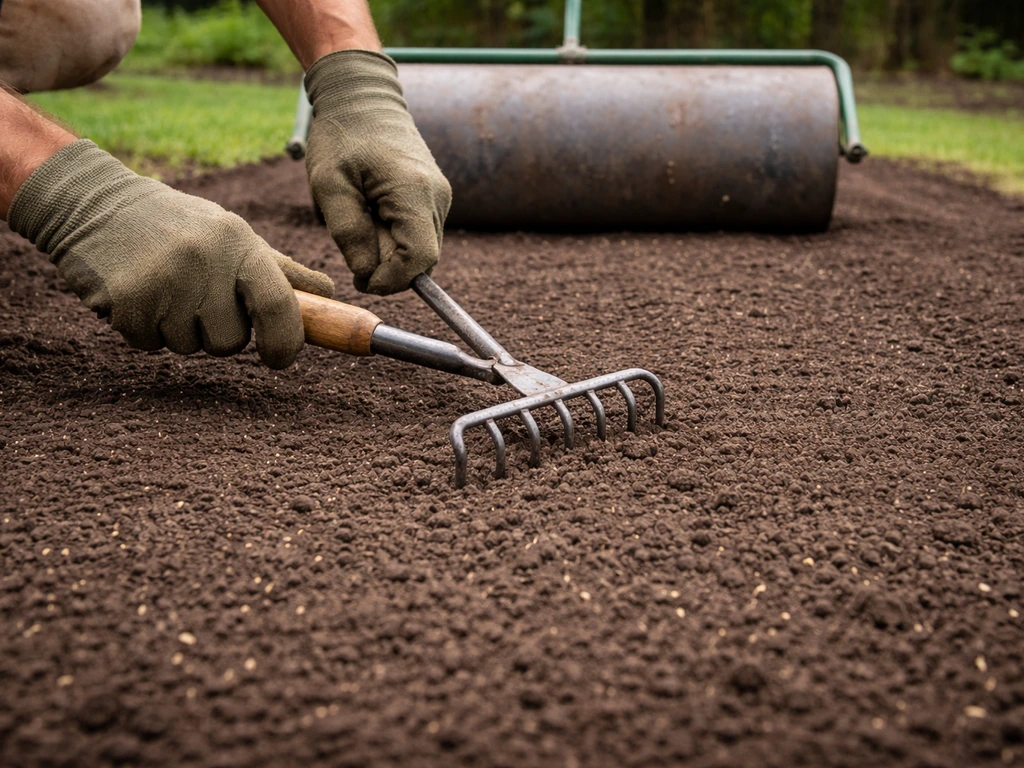
The single biggest reason centipede seed fails isn't temperature or timing. It's poor seed-to-soil contact combined with inconsistent moisture. Centipede grass seed is tiny, and if it's sitting on top of loose soil or thatch rather than nestled against firm soil particles, it simply won't germinate well even under perfect conditions.
Before seeding, rake or drag the seedbed smooth, then roll it lightly to firm the surface. After broadcasting the seed, drag or rake it in very lightly to press it into contact with the soil, and then roll once more. UGA Extension recommends light rolling after dragging specifically for small-seeded grasses like centipede. The goal is seed touching soil, not seed floating on fluffy ground.
How to water during the germination window
Once the seed is in the ground, your job for the next 28 days is keeping the top quarter to half inch of soil consistently moist, but not waterlogged. NC State Extension recommends light watering several times a day for the full 28-day germination window. That sounds like a lot, and it is, but centipede seed is surface-sown and dries out fast. Missing a watering cycle on a hot, sunny day can set your germination back noticeably.
- Water lightly 2–3 times per day for the first 28 days
- Keep only the top 1/4 to 1/2 inch of soil moist, not the deeper layers
- Avoid heavy watering that washes or displaces seed
- Once seedlings are visible, you can taper to once or twice daily
- After seedlings are 1+ inch tall, transition to about 1 inch of water per week
If you have an automatic irrigation system, set it to short, frequent cycles during this phase rather than one long deep soak. Once the lawn is past the germination phase and seedlings are growing, you switch the approach entirely and start watering deeper and less often to encourage the roots to go down.
Why your centipede seed might be slow or not growing
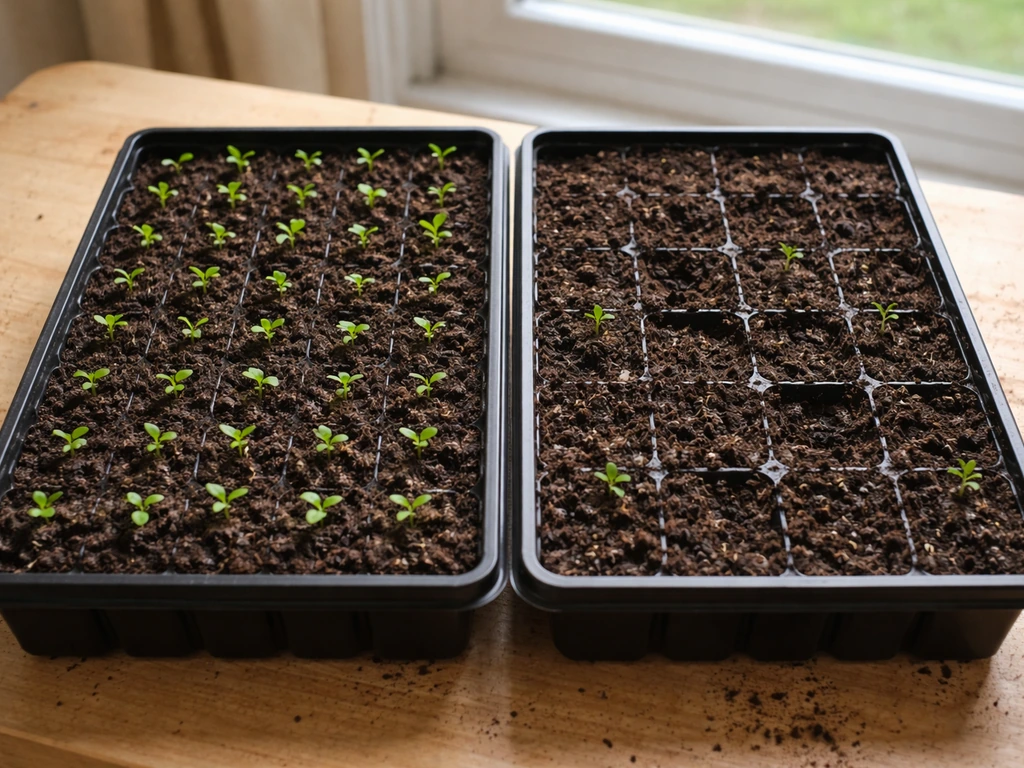
If it's been more than 28 days and you're still not seeing any green, or if germination is extremely patchy, something specific is usually going wrong. How fast do mustard seeds grow? In general, mustard seeds sprout quickly once temperatures are warm, but the exact timing depends on moisture and soil conditions. If you are comparing with other seeds, you may also want to read how long does moringa take to grow from seed for a different (often faster) timeline. Here are the most common culprits and what to do about each.
| Problem | Signs | Fix |
|---|---|---|
| Soil too cold | No germination after 4+ weeks; planted before late spring | Check soil temp with a thermometer; wait or replant when soil hits 70°F+ |
| Poor seed-to-soil contact | Very patchy germination with random clusters | Lightly roll or press remaining bare areas; avoid overraking |
| Inconsistent moisture | Seed germinating in some spots but drying out in others | Increase watering frequency; check for dry spots after irrigation |
| Overwatering or waterlogged soil | Seed rotting; sulfur or sour smell in soil | Let soil drain; reduce frequency; improve drainage before replanting |
| Seed depth too deep | No germination despite good moisture and temps | Centipede seed needs light; don't bury more than 1/8 inch deep |
| Old or low-viability seed | Extremely sparse germination even with ideal conditions | Do a germination test or purchase fresh seed from a reputable source |
| Thatch or debris layer | Seed landed on thatch, not soil | Dethatch before seeding; core aerate if needed |
| Wrong planting season | Planted in fall or cold spring; seed sitting dormant | Replant in late spring when soil is reliably warm |
Soil temperature is the variable most people overlook. It's easy to feel the air temperature and think it's warm enough, but soil takes longer to warm up than air does. A $15 soil thermometer is one of the most useful investments for this kind of project. Stick it two inches into the ground in the morning and again in the afternoon for a few days. If you're not consistently hitting 70°F, hold off on planting.
When to give up and re-seed, and how to check if it's working
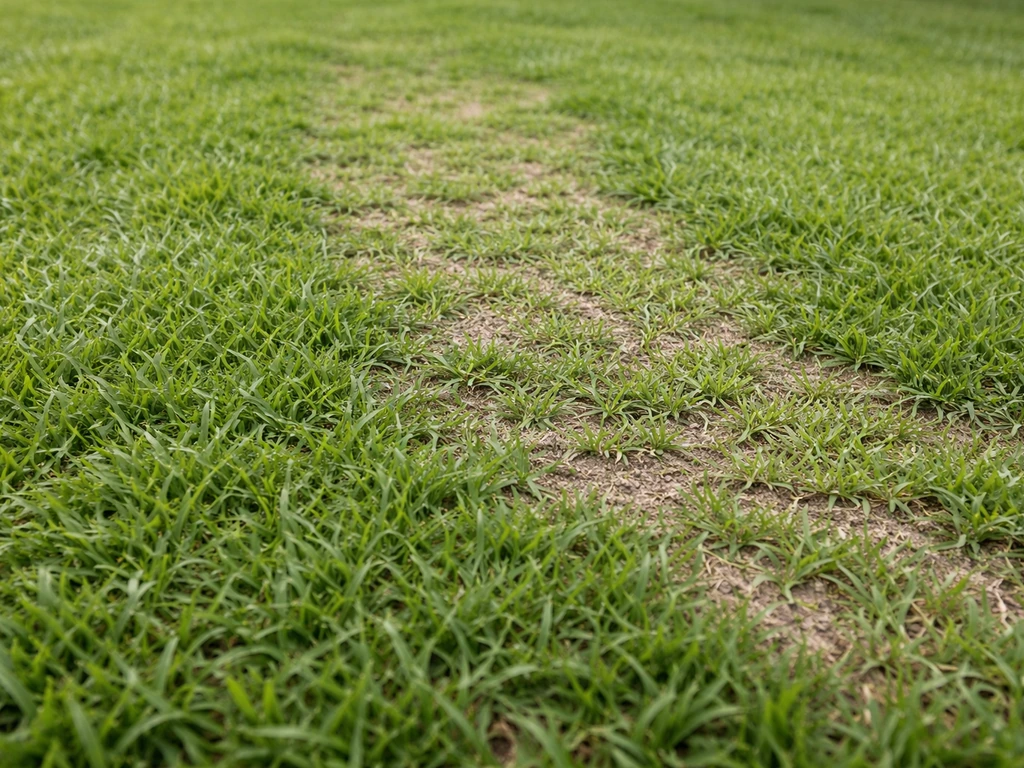
Give your centipede seed a full 28 to 35 days before drawing any conclusions. Germination can be uneven, and some areas of your seedbed may sprout a week after others. After 35 days with no germination at all, or after 28 days with very thin, patchy results covering less than 30 to 40 percent of the area, it's reasonable to reassess.
Before re-seeding, do a quick viability check on any remaining seed. Place 10 seeds on a damp paper towel, fold it over, and put it in a warm spot (around 75–80°F) for 10 days. If fewer than 5 of the 10 sprout, your seed germination rate is below 50 percent, which is marginal. If fewer than 3 sprout, the seed is likely old or was improperly stored, and re-seeding with fresh stock is the right call.
- Wait a full 28–35 days before deciding germination has failed
- Spotty coverage under 30–40% after 35 days suggests a problem worth diagnosing
- Test remaining seed viability with a paper towel germination test before buying more
- If re-seeding, address the underlying issue first: soil temp, drainage, contact, or season
- Do not re-seed in fall or late summer; wait until the following late spring if you've missed the window
If you're re-seeding into an area where some plants did establish, be careful not to disturb the existing seedlings too aggressively when you prep the bare patches. A light topdressing and gentle press with a hand roller over the bare spots, followed by the same careful watering routine, is usually enough.
Planning your mowing and foot traffic schedule
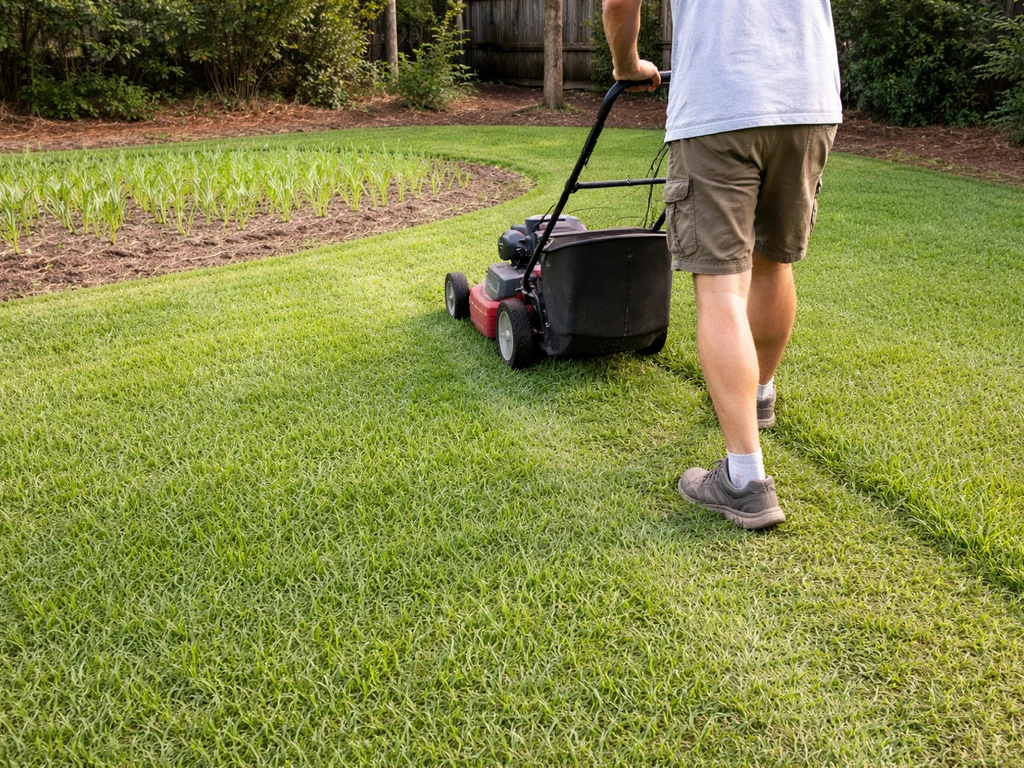
Once germination is done and your seedlings are growing, the next milestone is that first mow. Mow centipede grass when it reaches about 1.5 inches tall, cutting it back to around 1 inch. Never let it go above 2 inches before mowing. The first mow is usually possible somewhere between 6 and 10 weeks after germination, depending on how fast the seedlings are filling in.
The bigger question most people have is when they can actually use the lawn. Centipede grass is not very wear-resistant even when mature, and as a seedling lawn it's genuinely fragile. Light foot traffic, like walking through to check on things, is fine after about three to four months. But regular use, kids playing, pets running around, or lawn furniture should be held off until the lawn has had at least one full growing season to thicken up. Pushing it too soon, especially by compacting or stressing the young turf, is a common reason centipede lawns end up with bare patches that need patching.
- Weeks 1–4: Germination phase. No foot traffic at all. Focus entirely on watering.
- Weeks 5–8: Seedling phase. Avoid all traffic. Watch for height approaching 1.5 inches.
- Weeks 6–10: First mow when seedlings reach 1.5 inches. Keep mower blade sharp and light.
- Months 3–4: Very light, occasional foot traffic only. Still fragile.
- First full growing season: Lawn can handle moderate, careful use. Avoid heavy compaction.
- Year 2–3: Lawn approaching full establishment. Normal use and traffic reasonable.
One practical tip: once your seedlings are growing and you've done the first mow, shift your watering from frequent-and-shallow to deeper, less frequent irrigation. The established-lawn target is about 1 inch of water per week. This encourages deeper rooting, which is what makes the lawn more drought-tolerant and wear-resilient over time. The short, frequent watering that kept your seed alive is actually the opposite of what helps a young lawn develop strong roots.
Patience is genuinely the skill set that centipede grass demands most. Unlike faster-germinating grasses (mustard seeds, for comparison, can sprout in just a few days), centipede grass operates on its own slow schedule. But if you plant at the right time, keep the seedbed moist for a full month, and protect the young lawn from traffic, you'll get there.
blank" rel="noopener noreferrer">Clemson HGIC recommends protecting centipede grass from traffic and compaction so the young lawn can establish properly protect the young lawn from traffic. Peyote, on the other hand, grows much more slowly from seed, so the timeline is very different from typical turfgrass how long does peyote take to grow from seed.
Two or three growing seasons from now, you'll have a low-maintenance, low-fertilizer lawn that just quietly does its thing, and that's a pretty good payoff for a patient start. If you are curious about a different plant, like sesame, it also has its own growth timeline from seed to harvest how long does it take for sesame to grow. For a fuller timeline on germination and when the lawn becomes established, see the blank" rel="noopener noreferrer">section on centipede seed growth timelines.
If you’re wondering about another fruit tree altogether, the timing for a mango seed is different from turfgrass and depends heavily on warmth, freshness, and how well the seed is started how long does a mango seed take to grow. Mustard seed, like many other seeds, also takes a few days to germinate and then several weeks to reach a harvestable or established size, depending on temperature and moisture. Mustard seeds typically take a few days to germinate and several weeks to reach a harvestable size, depending on temperature and moisture.
FAQ
How long does centipede seed take to grow if I planted it late in the season?
If you plant after soil temperatures start dropping below about 70°F, germination can stretch past the usual 28-day window, and some seed may simply sit dormant until the next warm period. The practical approach is to monitor soil temps, keep the surface moist while it is warm enough for growth, then expect slower, less even emergence if warmth arrives late.
Should I count the timeline from planting day or from when it starts warming up?
Count from the day you seed, but use soil temperature to judge what stage you are in. Germination is tied to soil being consistently above target temperatures, so if you seed while air is warm but soil is still cool, the “clock” effectively starts later.
Why do I only have small patches sprouting after 3 to 4 weeks?
Patchy germination usually points to uneven seed-to-soil contact or uneven moisture. Centipede seed is tiny, so areas that were covered too lightly, left with loose topsoil, or dried out between watering cycles can sprout later or not at all. After 28 to 35 days, compare your patchy areas to where watering or dragging was most inconsistent.
Can I speed up germination by watering more often or adding more seed?
Watering more often than the “keep the top quarter to half inch moist” target can backfire by creating waterlogged conditions and encouraging rot or fungal issues. Adding extra seed only helps where moisture and contact are also corrected, so it’s better to re-seed after confirming poor viability or poor coverage rather than simply increasing rates during the first month.
How do I know whether the seed is still viable before I re-seed?
Use the paper towel viability check described in the article, but do it on seed you actually have on hand (not mixed bulk from multiple bags). If the count is low (for example, fewer than 3 sprouts out of 10), plan on fresh seed because old seed will waste time even if conditions improve.
What’s the safest time to walk on the lawn after seeding?
Light foot traffic is typically okay after about 3 to 4 months, but the key factor is how firmly rooted the seedlings are, not just calendar time. If the ground feels spongy or seedlings pull up when you drag a foot lightly, wait longer and avoid dragging furniture or tools across bare spots.
When is it okay to mow, and what if the seedlings are taller than 2 inches?
Mow when they reach roughly 1.5 inches tall and cut back to about 1 inch. If they pass 2 inches before you can mow, expect the first mowing to be more stressful and growth may slow, so catch up as soon as possible and avoid lowering too aggressively in one step.
Does centipede seed germinate better in sun or shade?
Centipede is happiest in warm, sun-exposed conditions, because shaded areas warm more slowly and stay cooler at the soil surface. In partial shade, you may see later or patchier emergence even if air temperatures look adequate, so consider holding off seeding until the sun exposure heats the topsoil consistently.
Next Article
How Long Does It Take for Sesame to Grow From Seed
Sesame growth timeline from sprouting to harvest, with day ranges, weekly checks, and tips to speed up germination.