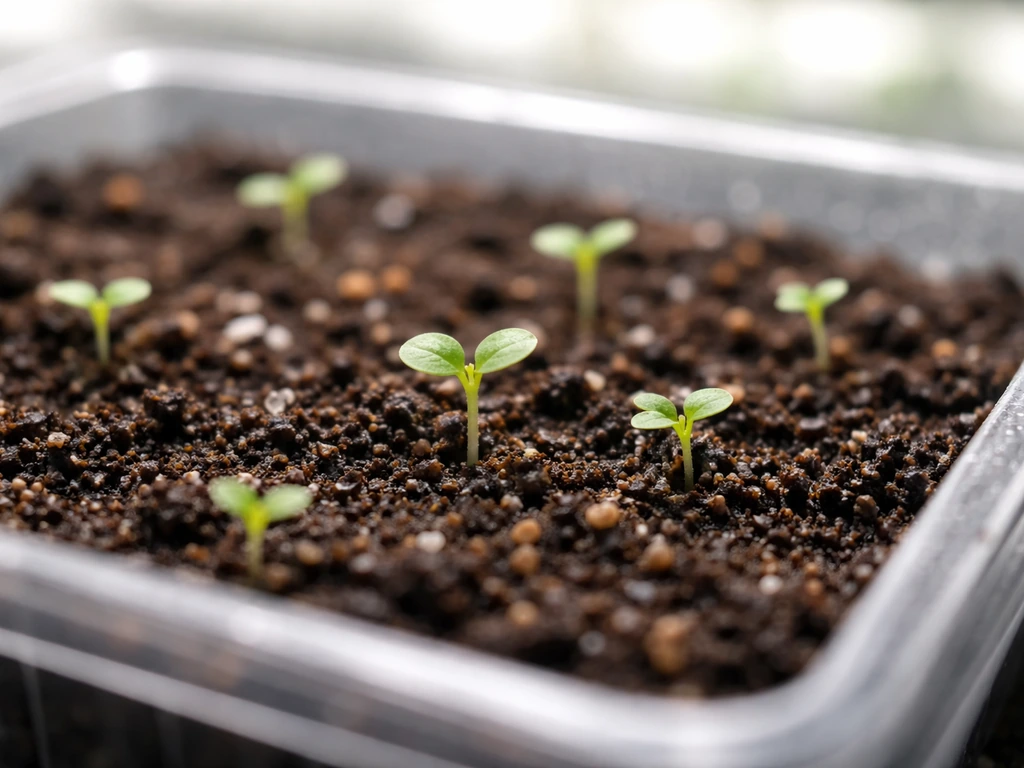
Pansies take about 4–21 days to germinate from seed, depending on your temperature and conditions. From sowing to a transplant-ready seedling takes roughly 5–9 weeks, and from seed to first flower usually lands between 10 and 26 weeks total, with autumn-sown seeds flowering much faster than spring-sown ones. Poppy seeds generally take about a few weeks to germinate, and the overall timeline depends on temperature and light. If you're keeping seeds at the ideal 62–68°F (17–20°C), expect sprouts in under a week. Push outside that range in either direction and you're looking at 2–3 weeks or longer.
How Long Do Pansies Take to Grow From Seed
Marcus Henley
23 Apr 2026
Pansy seed germination: what to expect and when
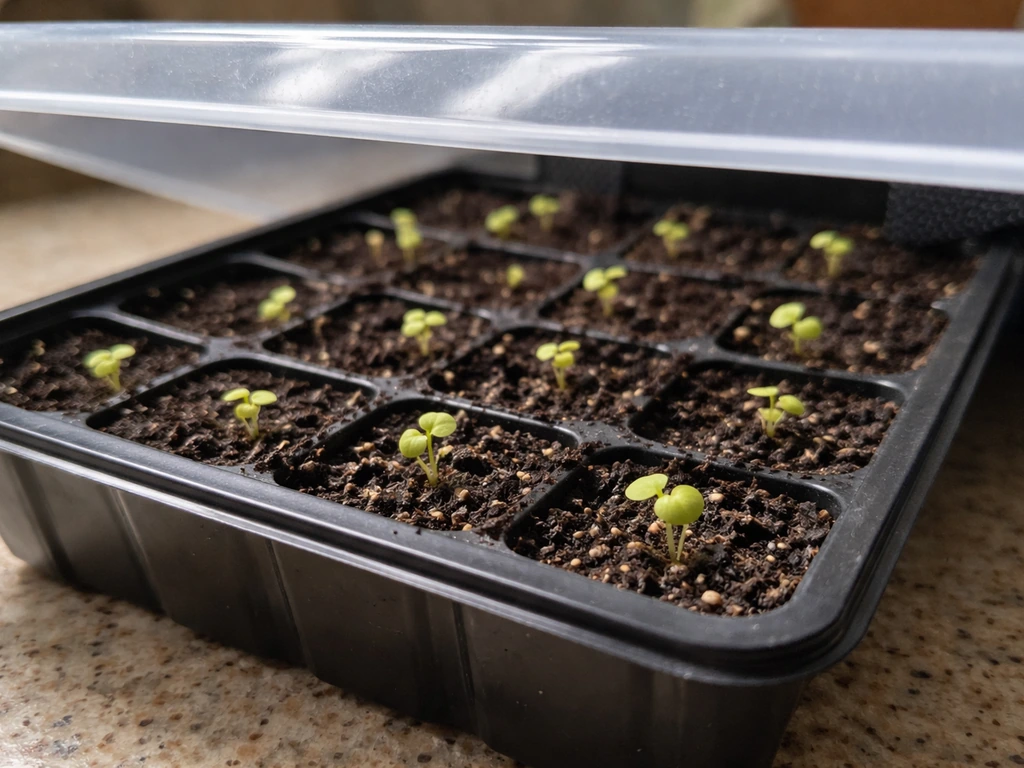
Under optimal conditions, pansy (Viola × wittrockiana) seeds germinate in just 4–7 days. That's the fast end, and it happens when you nail the temperature sweet spot of 62–68°F (17–20°C). In more typical home-growing setups, where temperatures fluctuate and seed trays sit on a windowsill rather than a controlled propagation bench, you're more likely looking at 10–21 days. Both ranges are completely normal, so don't panic if nothing has appeared by day 8.
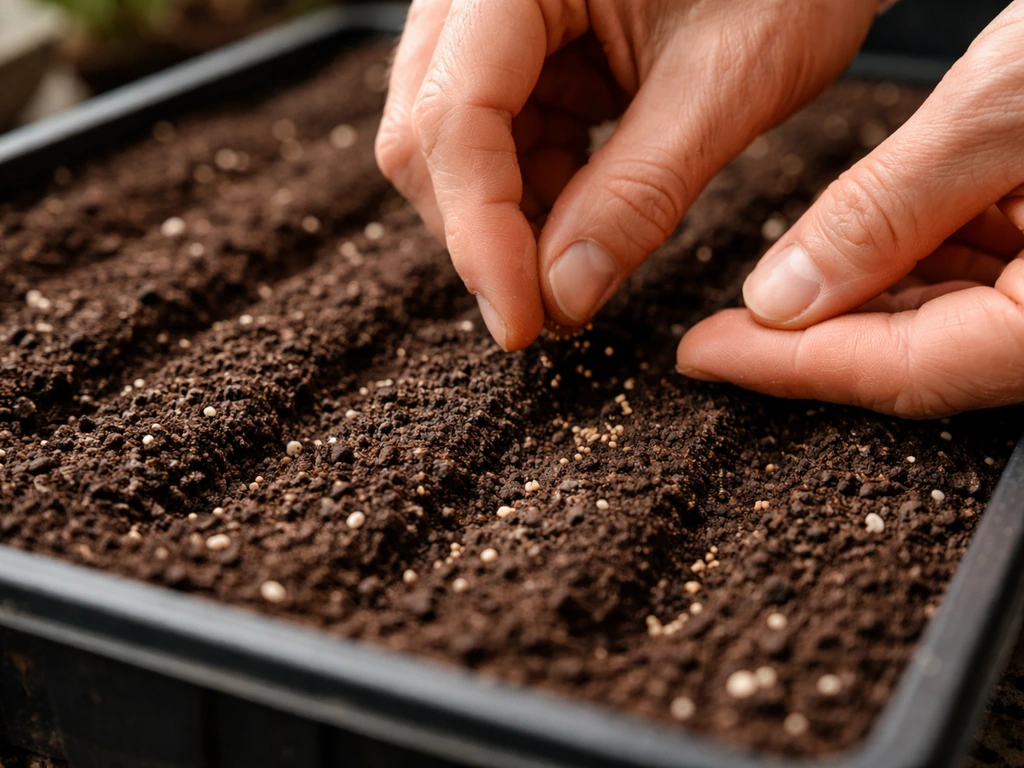
One thing that trips people up: pansies do not need light to germinate. You can cover the tray with a lid or a sheet of newspaper during this stage and it won't slow things down. What they do need is consistent moisture and the right temperature. Cover seeds lightly with a thin layer of vermiculite or fine compost rather than burying them deep, and water from the bottom or use a fine mist to avoid washing the seeds around or pushing them too far under the surface.
Seedling stage and when to transplant
Once your seeds have sprouted, the next milestone is the appearance of true leaves. The first two leaves you see are cotyledons (seed leaves), and they don't count. Wait until the seedling has developed its first recognizable pair of true leaves before you consider potting up or moving plants around. That stage typically arrives 2–4 weeks after germination. If you’re growing geraniums from seed, the germination and early seedling timeline will be different, so it helps to plan for their own seed-to-flower schedule. If you’re curious about other plants with different schedules, check how long does it take to grow begonias from seed as a related seed-to-flower comparison. If you’re starting with geranium plugs instead of seed, you can expect a different timeline for how long it takes them to grow into ready plants how long do geranium plugs take to grow.
For a full transplant-to-garden schedule, the standard advice is to sow 7–9 weeks before you plan to plant out. Commercial growers often pot up seedlings into individual cells or small pots at around 3–5 weeks after sowing. If you're aiming for spring garden planting, that means starting seeds indoors in late winter and hardening off in early spring. When spacing pansies in the garden, aim for 7–12 inches apart so they have room to fill in properly.
For outdoor timing, pansies are cool-season plants and can handle light frost. USU Extension recommends setting out transplants about 6 weeks before a killing frost, which makes them one of the earlier flowers you can get into the ground in spring or late summer.
From seed to flowering: the full timeline
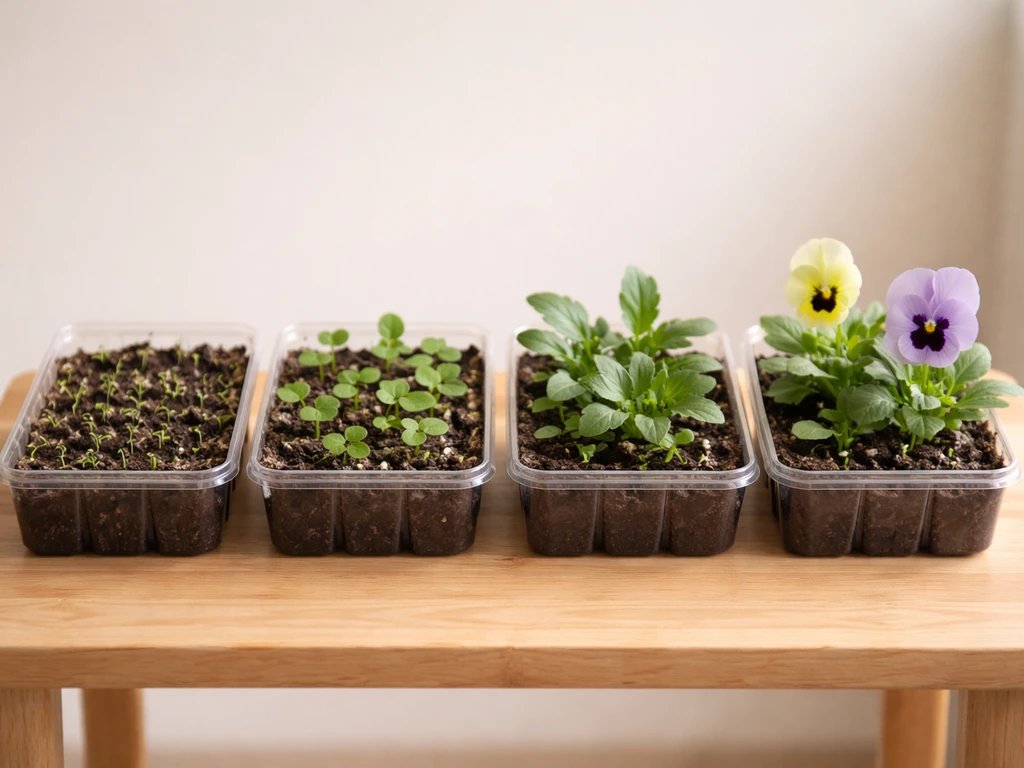
Expect your first pansy flowers somewhere between 60 and 90 days from sowing under good home conditions. Some seed mixes are listed at around 60–70 days to flower, while real-world results in less-than-ideal conditions often stretch to 12–13 weeks (84–91 days). Peonies have a different timeline than pansies, so it helps to plan around their slower seed-to-flower process. Commercial growers working in controlled greenhouses can push autumn crops to flower in as little as 10–11 weeks from sowing, while spring crops, which involve shorter days and cooler slower growth, typically take 11–13 weeks even in professional settings.
The season makes a dramatic difference at the larger scale too. Benary, one of the major pansy breeders, reports spring production crops taking 25–26 weeks compared to 12–14 weeks for autumn crops. That's not a typo. Late summer and autumn-sown seeds benefit from warm soil, strong late-season light, and fast early growth before plants settle in for winter and then burst into bloom in early spring. If your goal is maximum bloom time and you're planning ahead, sowing in July or August is genuinely worth it.
| Growth Stage | Typical Timing |
|---|---|
| Germination (ideal 62–68°F) | 4–7 days |
| Germination (typical home conditions) | 10–21 days |
| True leaves appear / ready to pot up | 3–5 weeks from sowing |
| Transplant-ready seedling (indoors to garden) | 7–9 weeks from sowing |
| First flowers (autumn-sown) | 10–13 weeks from sowing |
| First flowers (spring-sown, home conditions) | 12–16 weeks from sowing |
| First flowers (spring commercial production) | 25–26 weeks from sowing |
What speeds up or slows down pansy growth
Temperature
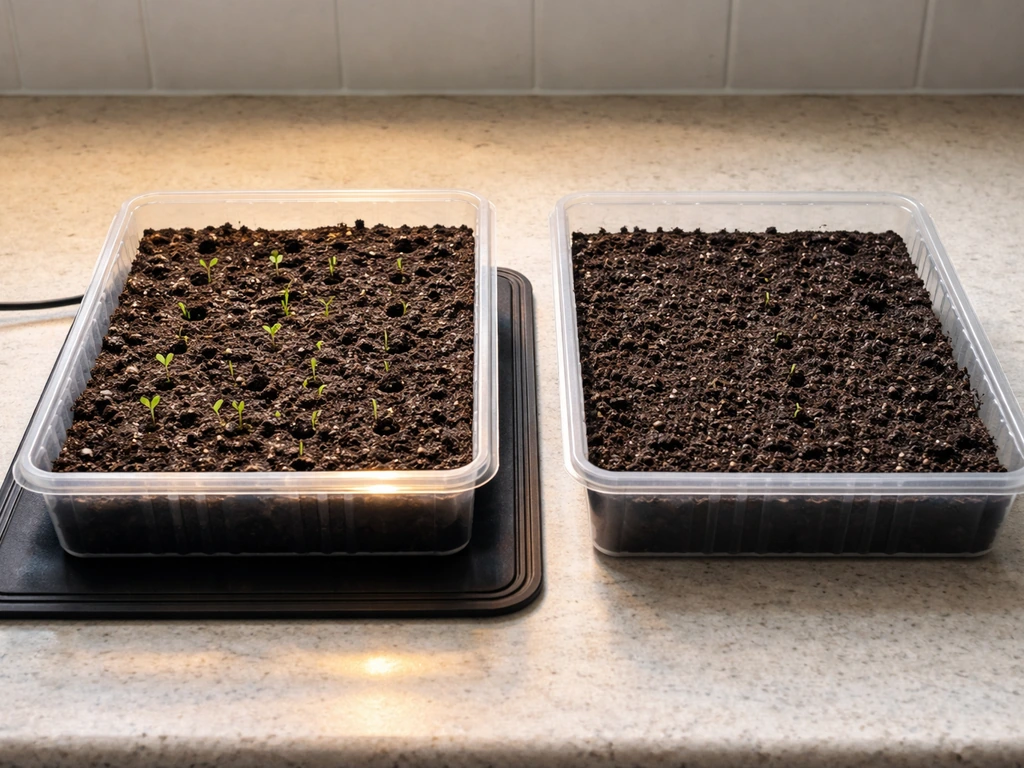
Temperature is the single biggest lever you have. Germination at 62–68°F (17–20°C) takes about 4–7 days. Drop below that range and germination slows significantly and becomes uneven. Go too warm (above 75°F) and germination rates fall off because pansy seeds actually prefer cool conditions. For growing on after germination, aim for daytime temps around 64–70°F (18–21°C) with cooler nights around 61°F (16°C). That cooler night temperature helps produce stocky, strong seedlings rather than leggy ones.
Light
During germination, light is not required, so darkness or a covered tray is fine. Once seedlings emerge, they need good light immediately to avoid stretching. A bright windowsill can work, but a grow light positioned a few inches above the seedlings for 14–16 hours a day gives you stronger, bushier plants that will flower sooner.
Moisture
Consistent moisture matters, but so does not overdoing it. Soggy compost during germination invites damping-off disease, which can kill seedlings at the soil line seemingly overnight. Bottom watering (setting trays in shallow water until the surface just moistens) or gentle misting is better than pouring water on top. Around day 6 after sowing, you can start reducing moisture levels slightly from saturated to just moist as germination gets underway.
Seed quality and freshness
Old or poorly stored pansy seeds germinate erratically and at lower rates. Seeds more than 2–3 years old stored in warm or humid conditions will underperform compared to fresh seeds. If you're reusing seeds from a previous season, expect longer and patchier germination and sow more thickly to compensate.
What to do if your pansies aren't germinating
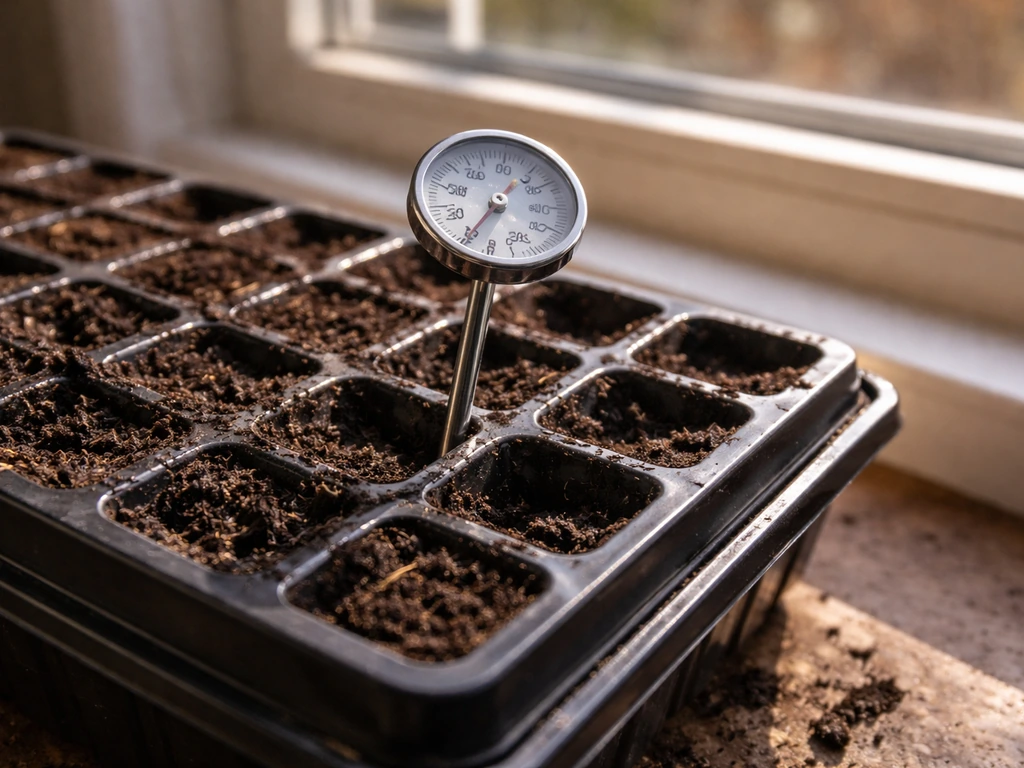
If it's been more than 21 days and you're seeing nothing, it's time to troubleshoot rather than just wait.
- Check your temperature first. Stick a thermometer in the tray area. If it's consistently below 60°F or above 75°F, germination will stall. Move the tray somewhere warmer or use a heat mat set to 65°F.
- Check for damping off. If seedlings are appearing and then collapsing at the base, damping-off fungus is the culprit. It spreads in wet, cool conditions. Improve airflow, reduce watering, and do not reuse trays that had damping-off without sterilizing them first.
- Check your sowing depth. Seeds buried too deeply take much longer to emerge and are more vulnerable to rotting. Pansy seeds should be barely covered, not buried.
- Check your moisture level. Lift the tray and feel the weight. If it feels very light, the compost dried out and seeds won't germinate in dry conditions. If it feels waterlogged and heavy, ease off the water and improve drainage.
- Check seed age and storage. If the seeds were stored in a warm shed or are several years old, germination rates can drop dramatically. A fresh packet from a reputable supplier is the simplest fix for persistent failure.
In most cases, the fix is either temperature or moisture. Get both right and pansy seeds are genuinely easy to germinate. They're not temperamental like some other flowers, but they do need that cool sweet spot that catches some people off guard if they're used to growing warmer-season plants.
How to plan your sowing schedule today
Since today is April 23, here's how to think about your timing based on what you want to achieve.
If you want flowers this spring or early summer
You're working against the clock a little. Sowing now in late April could get you transplant-ready seedlings in 7–9 weeks (late June to mid-July) and flowers around 10–13 weeks from sowing (late July to early August). Penn State Extension’s “Sowing Annual Seeds” table lists pansy seeding-to-germination timing at about 6, 8 weeks when planning for time to seed before last frost germinate in about 6 to 8 weeks before last frost. Keep seeds cool (around 65°F), use fresh seed, and get them under lights quickly after germination to avoid stretching. In many climates, late spring sowing also means seedlings will be growing into hot summer conditions, which pansies don't love. You may get fewer and smaller flowers than you would from a better-timed sowing.
If you want a big spring display next year
This is the sweet spot for pansies. Sow seeds in July or August. Plants will be established going into autumn, survive the winter in most temperate climates, and explode into bloom in early spring. USU Extension specifically recommends July or August sowing for the earliest possible spring bloom. NC State Extension’s Plant Toolbox emphasizes fall planting for winter and early spring blooms, which supports the idea that autumn-sown pansies can flower faster. This is the strategy professional growers use too, and the reason autumn-sown crops flower in 10–14 weeks while spring-sown crops can take 25–26 weeks.
If you want autumn colour this year
Sow in June or July (in cooler conditions like a cold frame if your summer is warm) and transplant out in late August or September, roughly 6 weeks before your first killing frost. Pansies sown for autumn crops in cool conditions can reach flowering in as little as 10–11 weeks, so a July sowing realistically gets you flowering plants by late September or October.
If you're comparing pansy timelines to other flowering annuals you might be starting from seed, pansies sit in a similar range to petunias and impatiens but with the advantage of being genuinely frost-tolerant, which gives you more flexibility on planting-out dates than you'd get with warmer-season flowers. For a similar seed-starting timeline, impatiens usually take a comparable amount of time to get from seed to early growth, depending on conditions. Petunias also follow a fairly predictable seed-to-flowering timeline, but the exact timing depends on temperature and growing conditions. Planning around your last and first frost dates is the most reliable way to get the timing right.
FAQ
Why do some pansy seeds sprout in a week while others take much longer?
Plan for a wider window if you are starting indoors on a windowsill. Daytime warmth can push trays above the preferred cool range, which can delay emergence and cause uneven germination, even if nights cool down. Using a thermometer at seed level helps you decide whether you are likely to be closer to 4–7 days or 10–21 days.
If my pansies do not germinate by day 21, what should I troubleshoot first?
If germination stalls, first check temperature and the surface moisture balance (not just whether the mix feels wet). Cold drafts and consistently wet compost both slow germination and increase damping-off risk. Aim for steady cool conditions near the recommended range and switch to bottom watering once the seeds are safely sprouted.
Do pansies need light while they are germinating?
For pansies, you can sow and keep the tray covered during germination, and that is less about speed and more about preventing the top from drying out. The critical change happens after emergence, when you should remove covering and provide strong light immediately to prevent stretching.
How deep should I cover pansy seeds?
Use a thin cover method rather than burying. A light vermiculite or fine compost layer is enough to hold moisture contact, burying too deep can force seedlings to expend energy before they can reach the surface, extending the time to the first true leaves.
Should I pot up my pansies as soon as they sprout, or wait?
Once you see true leaves, transplanting is less about “how long” and more about plant size and root stability. Waiting for first true leaves (about 2–4 weeks after germination) is a good rule, and potting too early can stress seedlings and slow them down rather than speed flowering.
Why did my pansies germinate quickly but still flower later than expected?
The fastest path to flowers is usually not just quicker germination, it is protecting early growth from heat. If you germinate in spring and then seedlings hit hot summer conditions, flowering often slows or becomes sparse even if germination was on time.
What is the best time to sow pansies if I want flowers as early as possible next spring?
Yes, if you want earlier spring bloom. Sowing in July or August generally shifts flowering earlier because plants establish before winter, then resume growth and burst into bloom when days lengthen in spring. The article’s timing ranges reflect this difference between autumn and spring sowing.
How do I harden off pansies before planting out, without delaying flowering?
Be careful with hardening off timing, especially in mild climates. If you transplant too early into warm weather, plants can become leggy and stressed, then lose vigor when nights cool later. A gradual outdoor acclimation schedule helps keep growth compact while still meeting the “about 6 weeks before a killing frost” planting target.
Do older pansy seeds change the germination timeline?
If you have older seeds, germination becomes patchier, so the “day count” can be misleading. In that case, it is better to sow more densely and then thin later rather than expecting every seed to emerge by the typical 4–7 day or 10–21 day windows.
What should I do after the seedlings sprout to speed up the time to first flowers?
If you are aiming for maximum bloom time, prioritize the post-germination steps that influence flowering speed: provide immediate light after emergence, maintain cool day temperatures with cooler nights, and avoid soggy conditions. These factors can shorten the overall path to first flowers even when germination timing stays within normal ranges.
Next Article
How Long Does It Take to Grow Begonias from Seed?
Timeline from sowing to germination, transplant, and flowering for begonias grown from seed, plus seed vs tubers.