If you're searching for how long Inferium seeds take to grow, the first thing worth knowing is that 'Inferium seeds' almost certainly refers to an in-game item from the Minecraft mod Mystical Agriculture, not a real-world seed variety. In that mod, Inferium Seeds grow on Essence Farmland and produce Inferium Essence when harvested. They don't have a traditional germination clock the way a vegetable or flower seed does, but they do have a growth cycle measured in Minecraft time and affected by real in-game conditions. If you landed here hoping for a real-world seed guide, keep reading, because the section below will help you figure out exactly what you have, and if it turns out you do have a physical seed packet, I'll walk you through realistic timelines for those too.
How Long Does It Take for Inferium Seeds to Grow?
What 'Inferium Seeds' Actually Refers To (And How to Confirm Your Variety)
The name 'Inferium Seeds' is not a recognized cultivar, brand, or botanical name in the real-world seed industry as of 2026. Every search result, wiki page, and mod database for this term points to Mystical Agriculture, a popular Minecraft mod created by BlakeBr0. In that mod, blank" rel="noopener noreferrer">Inferium Seeds are a tiered resource crop seed, specifically available as a Tier 1 through Tier 3 item (with Tier 3 being the most common version referenced on the Feed The Beast wiki). When planted on Essence Farmland rather than standard dirt, they have a 10% chance to drop a second seed on each harvest, making them a core early-to-mid-game resource.
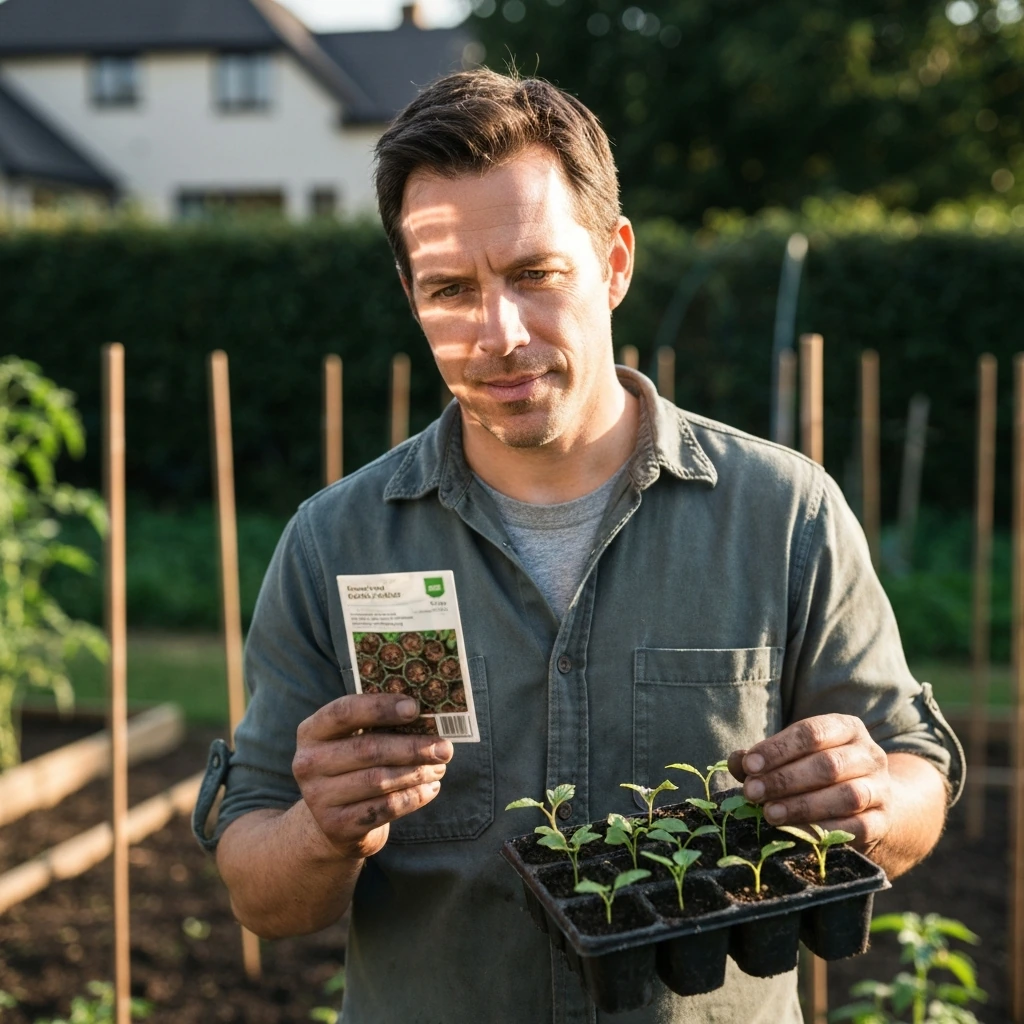
To confirm what you actually have, check these three things. First, look at the source: did you find this seed name in a Minecraft modpack (like Feed The Beast, ATM, or a custom pack), or do you have a real physical seed packet? Second, check the packaging or product listing for a botanical name or USDA plant family. Real seeds will always list something like 'Cucurbita pepo' for squash or 'Ocimum basilicum' for basil. Inferium Seeds will have no such name. Third, search your exact seed name plus the word 'modpack' or 'Mystical Agriculture.' If that's where results lead, you're dealing with a Minecraft crop, not a garden plant.
If you genuinely have a physical seed packet labeled 'Inferium' by some smaller brand or specialty supplier, treat it like an unidentified herb or vegetable and look for any secondary descriptors on the label (leaf shape, growing region, culinary use) to identify the underlying species. That will give you the growth timeline you need.
Germination Timeline: What to Expect in the Minecraft Mod
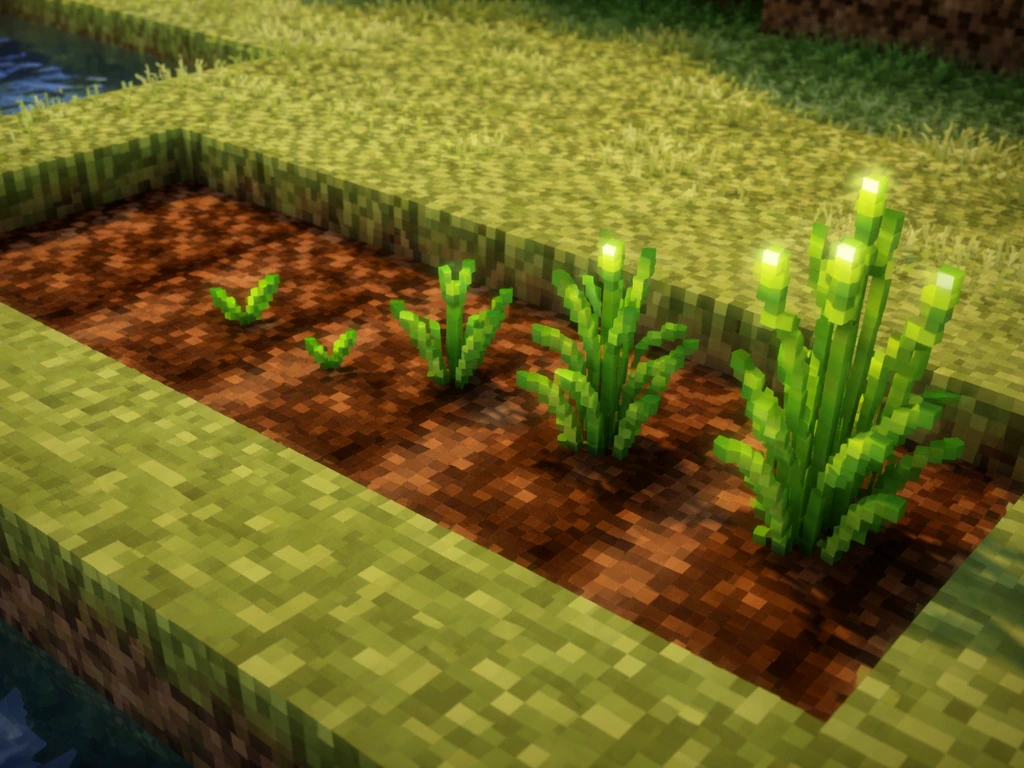
In Mystical Agriculture, Inferium Seeds don't germinate the way real seeds do. They grow through visual crop stages, similar to vanilla Minecraft wheat, progressing through several growth stages before they're ready to harvest. The speed depends heavily on which version of the mod you're running. On the current build (MysticalAgriculture 1.
21. 1-8. 0. 22 as of 2026), growth follows standard Minecraft crop tick logic.
Under optimal light conditions (light level 9 or higher), with bone meal acceleration or growth accelerators, a single Inferium Seed crop can reach harvestable stage in a few in-game hours. Without acceleration and with random tick speed at default (3), it typically takes between 10 and 30 real-world minutes per growth stage, meaning a full crop cycle can take anywhere from roughly 30 minutes to over two hours of active gameplay.
The tier of your seed also matters. Tier 1 Inferium Seeds grow the fastest within the Inferium category, while Tier 3 variants may have slightly adjusted growth parameters depending on your modpack's configuration. Always check your specific modpack's config files or the in-game Patchouli guide book if one is included, as server operators can and do tweak growth rates.
Growth Stages and What You'll Actually See
Inferium Seeds in Mystical Agriculture visually cycle through growth stages just like vanilla wheat or other crop blocks. You'll see the crop sprite change as it progresses. The key stage to watch for is the final one, which is when the crop is fully mature and ready to right-click harvest (or break and replant, depending on your setup). At the mature stage, harvesting gives you Inferium Essence and a chance to get the seed back, with that 10% bonus seed drop if you're using Essence Farmland instead of regular farmland.
If you're using a harvester from another mod (like Integrated Dynamics, Cyclic, or Botany Pots), the growth-to-harvest loop can be automated entirely, which is usually how players farm Inferium Essence at scale. At that point, the per-crop growth time matters less than throughput, so players typically build large grid farms with growth accelerators to stack output.
What Affects How Fast Inferium Seeds Grow
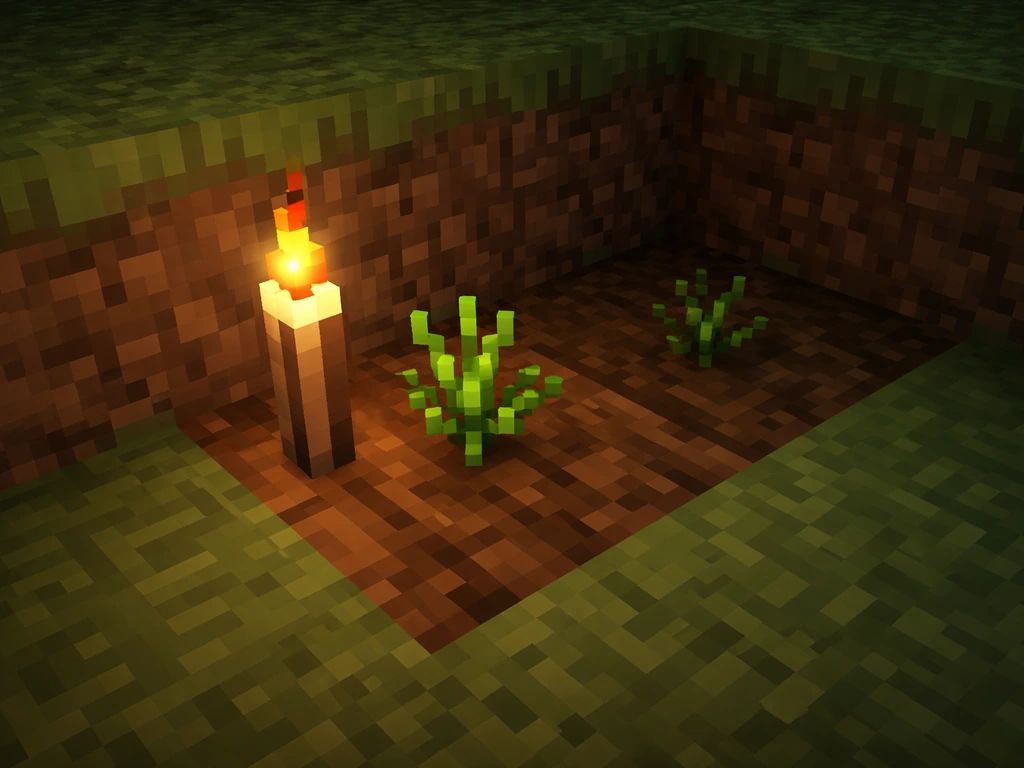
Several in-game factors directly control how quickly your Inferium Seeds move through growth stages. Here's what actually makes a difference:
- Light level: Crops won't grow at all below light level 9. Natural sunlight or sufficient artificial light is essential. Place your farm outdoors or under sky access if possible.
- Farmland type: Essence Farmland (from Mystical Agriculture) is required to unlock the 10% bonus seed drop. Standard Minecraft farmland works for growth but skips the bonus.
- Growth accelerators: Mystical Agriculture includes in-mod growth accelerators that stack to significantly speed up crop tick rates. Multiple accelerators on one block dramatically cut growth time.
- Bone meal: Standard bone meal works on Inferium Seeds and instantly advances growth by one or more stages. Useful for early-game speed before you have accelerators.
- Random tick speed: Server or singleplayer worlds with a higher /gamerule randomTickSpeed value grow crops faster. Default is 3; higher values speed things up but affect all other tick-based events too.
- Modpack configuration: Many modpacks adjust growth speed multipliers in config files. Check your modpack's Mystical Agriculture config if growth feels unusually slow.
How to Speed Up Your Inferium Crop (Practical Steps)
The fastest way to get Inferium Essence rolling is to set up your farm with a few non-negotiables from the start. Get your crops into full sunlight or under a light source at level 12 or higher. Use Essence Farmland instead of regular farmland as soon as you can craft it. Place at least one growth accelerator under or adjacent to each crop block, and stack more as your resources allow. If you're in early game and don't have accelerators yet, keep a stack of bone meal on hand and use it manually to push crops through stages quickly. Once you have enough Inferium Essence to craft higher-tier seeds or upgrade your infrastructure, the passive farm output scales up fast.
For large automated farms, the most efficient layout is a flat grid with each crop block having its own dedicated growth accelerator directly beneath it. Combine this with a modded harvester set to auto-harvest at full maturity and a collection system underneath, and you essentially have a passive Inferium Essence generator running in the background while you do other things in-game.
If You Have Real-World Seeds: Germination and Growth Timelines
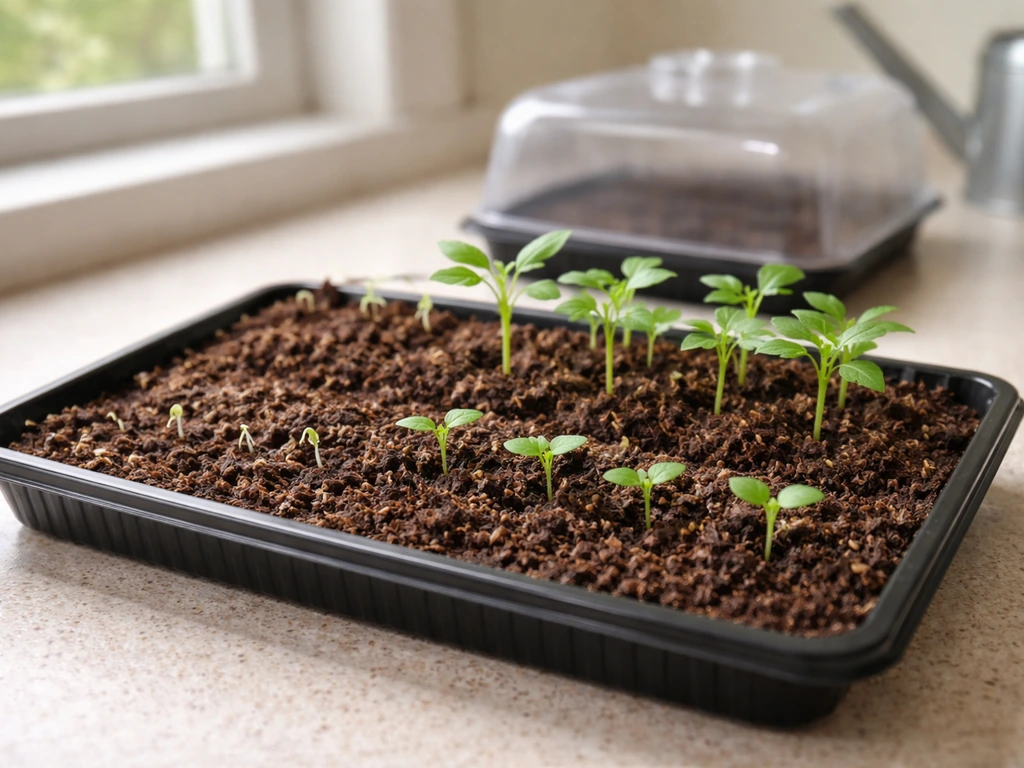
On the off chance you're holding a real seed packet with 'Inferium' on the label from a niche supplier, here's how to approach the timeline without a confirmed species. Most common vegetable seeds germinate in 5 to 14 days under warm soil conditions (65 to 75°F / 18 to 24°C) with consistent moisture. In real-world gardening, the timeline depends on the specific plant species, but many vegetables sprout within 5 to 14 days under warm, moist conditions.
Herbs tend to take 7 to 21 days. Flowers vary widely, from 5 days for fast-germinating annuals to several weeks for species that need cold stratification. Without knowing the specific plant, target the middle of those ranges as your baseline expectation. Without knowing the specific plant, target the middle of those ranges as your baseline expectation how long does rare seed take to grow.
Seedling emergence usually happens within a few days of the seed cracking open underground. You'll see the cotyledons (seed leaves) push through the soil surface first, followed by true leaves over the next 1 to 3 weeks. Transplant readiness for most vegetables is 4 to 8 weeks after germination when the seedling has 2 to 4 true leaves and a developed root system.
Full harvest size depends entirely on the species, ranging from 30 days for fast greens like radish to 90 or more days for slower crops like squash or peppers. For context, pumpkin seeds, which have their own detailed growth arc, typically take 90 to 120 days from seed to harvest, which gives you a sense of how wide the range can be for common vegetables.
For pumpkin seeds specifically, you can often expect about 90 to 120 days from sowing to harvest under typical conditions.
Planting Schedule: Indoors vs. Outdoors for Real Seeds
If you're treating your Inferium-labeled seeds as an unknown real-world variety, the safest approach is to start them indoors 6 to 8 weeks before your last expected frost date. This gives you a buffer no matter what the underlying plant turns out to be. Use a standard seed-starting mix (not garden soil, which compacts too much in small containers), keep the medium consistently moist but not waterlogged, and maintain a soil temperature of at least 65°F. A heat mat helps enormously for warmth-loving species.
Once seedlings have established true leaves and outdoor temperatures are stable above 50°F at night, you can begin hardening off by setting them outside in a sheltered spot for increasing amounts of time over 7 to 10 days. Direct outdoor sowing works well for cold-tolerant species, but unknown seeds are always safer started under controlled conditions first.
| Seed Type (Real-World Comparable) | Germination (Days) | Seedling Stage (Weeks) | Transplant/Harvest Ready |
|---|---|---|---|
| Fast annuals (basil, radish, lettuce) | 5-10 days | 1-2 weeks | 4-6 weeks from seed |
| Standard vegetables (tomato, pepper) | 7-14 days | 2-4 weeks | 6-10 weeks indoors; 60-90 days to harvest |
| Slow/cold-stratified species (some perennials) | 21-60+ days | 4-8 weeks | Full season or 2 years |
When Your Seeds Aren't Sprouting: Troubleshooting Guide
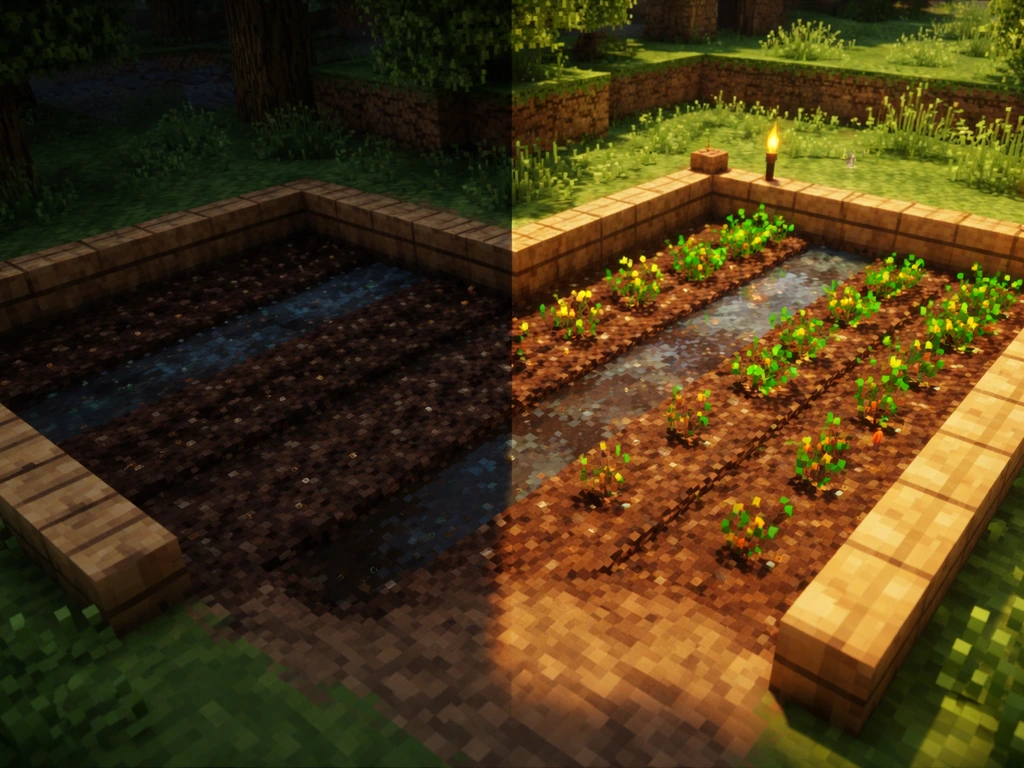
In the Minecraft Mod
- Crops not growing at all: Check your light level first. Use F3 debug mode and look at the 'rl' (sky light) or block light values. Anything below 9 stops growth entirely.
- Seeds disappearing after planting: This sometimes happens if you plant on regular dirt instead of farmland. Make sure you're right-clicking tilled or Essence Farmland.
- No seed drops on harvest: If you're not getting seeds back, you may be on regular farmland rather than Essence Farmland. Swap the base block to unlock the 10% bonus drop.
- Growth seems impossibly slow: Check your modpack's config for growth speed modifiers. Some packs intentionally slow Mystical Agriculture to balance progression.
- Accelerators not working: Make sure you're placing growth accelerators in the correct position relative to the crop block. Placement rules vary slightly by mod version.
For Real Seeds That Won't Sprout
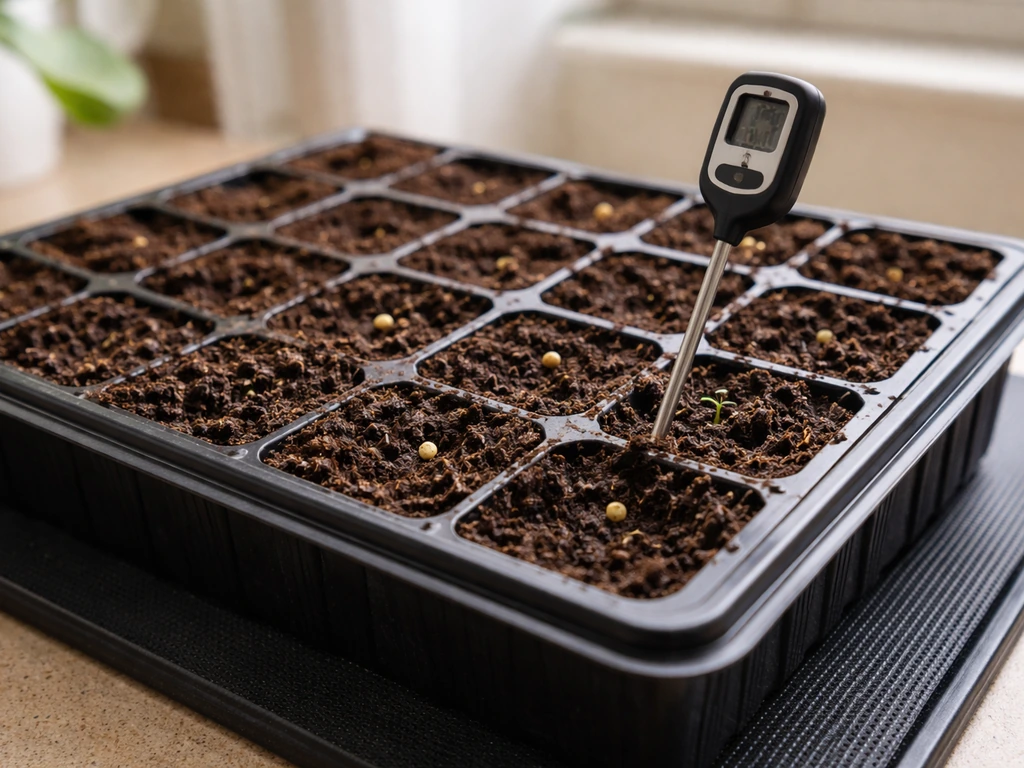
- No sprouts after 14 days: Check soil temperature. Cold soil (below 60°F) dramatically slows or halts germination for most common varieties. Use a heat mat or move to a warmer location.
- Soil drying out between checks: Seeds need consistent moisture. The top inch of soil should feel like a wrung-out sponge. Let it dry out even once early on and germination can stall.
- Soil staying too wet: Soggy medium causes seeds to rot before they sprout. Make sure your container has drainage holes and you're not overwatering.
- Old or stored seeds: Seed viability drops over time. If your seeds are more than 2 to 3 years old, germination rates decline significantly. Do a paper towel germination test: wet a towel, place 10 seeds, fold it up, and check in 5 to 7 days. If fewer than 6 sprout, viability is low.
- Planted too deep: Most small seeds need to be sown at a depth of roughly 2 to 3 times their diameter. Tiny seeds often just need surface contact with the soil and light cover.
- Time to re-sow: If nothing has appeared after 3 weeks in warm, moist conditions, re-sow with fresh seeds. This is normal and not a failure; it's just information.
Your Next Steps After Reading This
The clearest path forward depends on which version of 'Inferium Seeds' you're dealing with. If you're in Minecraft with Mystical Agriculture installed, focus your energy on light levels, Essence Farmland, and growth accelerators. Those three factors control almost everything about how fast your crops produce. If you have a real seed packet and the label doesn't help you identify the plant species, treat it like a generic warm-season vegetable, start it indoors in moist seed-starting mix at 65 to 75°F, and expect to see sprouts in 7 to 14 days under good conditions. If nothing happens in three weeks, re-sow and troubleshoot your moisture and temperature setup.
Variability is normal no matter what you're growing. Even seeds from the same packet can germinate days apart depending on where they sit in the soil, how deep they landed, and what the temperature was at exactly that spot. Give yourself a realistic window, check conditions rather than the seeds themselves when things are slow, and re-sow without guilt if needed. That's good growing practice for any seed, known or unknown. Keep in mind that the same idea applies to games too, for example you can compare this to how long do ancient seeds take to grow stardew valley before you invest effort in a long cycle.
FAQ
How can I tell if my Inferium Seeds are actually growing (not just sitting there)?
In Mystical Agriculture, you generally measure time by the crop’s growth stages rather than waiting for a “germination” moment like real seeds. If your crop never progresses, check that it’s placed on Essence Farmland, has sufficient light (level 9 or higher), and that random ticks are enabled on the server (some server settings effectively pause growth).
Why does bone meal sometimes seem not to speed up Inferium growth?
Bone meal usually advances growth faster, but it may appear to “do nothing” if the crop is already near maturity or if the block is missing a requirement like Essence Farmland or adequate light. Try using bone meal when the crop is in an early visual stage, and confirm your light level before assuming the acceleration failed.
Does server lag or tick rate change how long Inferium crops take to harvest?
If you’re on a server, the world’s tick speed and any mod or server config that alters growth can change how long the same crop takes. The most practical way to calibrate is to time one full crop from first planted to harvest while keeping everything constant, then use that observed window for future farms.
What is the most efficient placement of growth accelerators for Inferium?
Using a growth accelerator is the key lever, but the layout matters. For the fastest and most reliable output, place the accelerator directly under each crop block (or exactly where your mod’s rules allow) and avoid spacing it so far that it doesn’t affect that block.
Should I harvest as soon as it looks bigger, or wait for the mature stage?
In many Mystical Agriculture setups, harvesting at full maturity is required to reset the crop cycle efficiently and to maximize yields. If you harvest early, you may shorten the next cycle but you usually lose the mature-stage output (including the better seed/essence results).
My Inferium crop is stuck, what are the first troubleshooting checks?
If nothing happens in Minecraft, test the simplest variables first: confirm Essence Farmland under the crop, check light level, and verify that the chunk is actually loaded and that the crop isn’t in an unloaded area. Crops in unloaded chunks won’t advance, even if your farm looks correct.
How do I prevent automated harvesters from reducing my Inferium yield?
For automation, the safe rule is to ensure the harvester triggers at the mature stage only, because harvesting too early can reduce output and force more manual rebalancing. Also confirm your collection setup is set to capture both the essence and any returned seeds so you don’t stall the farm’s replenishment.
If my packet doesn’t name a botanical species, how should I decide whether to re-sow?
For real-world “Inferium”-labeled packets, the biggest mistake is treating it as a known cultivar when the botanical species is not identified. If the label lacks a scientific name, use the unknown-seed approach already mentioned, and keep notes on emergence timing so you can decide whether to re-sow after about three weeks.
What should I check before assuming the seeds are bad?
If you see no sprouts after germination should have started (up to around 14-21 days for many herbs, and sometimes longer for flowers), the next step is usually to inspect temperature and moisture first, not the seed. Make sure the medium stays consistently moist, not soggy, and that soil temperature is at least about 65°F (heat mat helps).
How can I plan planting dates if I do not know what “Inferium” is in real life?
Unknown seeds can vary a lot in whether they germinate quickly or slowly. The best decision aid is to plan for a window, start indoors 6 to 8 weeks before the last frost, and only harden off once night temperatures stay above about 50°F, so a delayed sprout still has a chance to establish.
How Long Do Seed Bombs Take to Grow? Timeline and Tips
Seed bomb growth timeline by seed type, from germination to blooms, plus troubleshooting tips for slow or failed patches