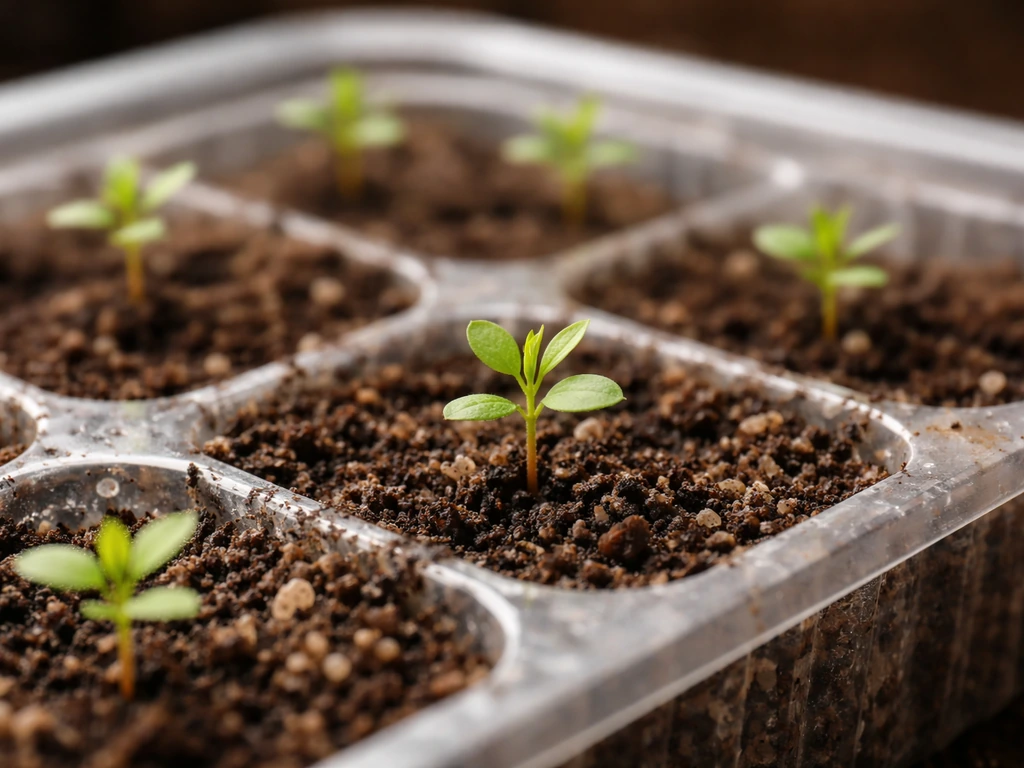
Hellebores take anywhere from 2 to 3 years to flower from seed, and that's if everything goes right. Germination alone can take 6 months or more because the seeds need a specific warm-then-cold treatment to break dormancy. Once they sprout, seedlings grow slowly and need another 1 to 2 years before they're mature enough to bloom. If you're expecting flowers by next spring, this probably isn't the route for you.
How Long Do Hellebores Take to Grow From Seed
Marcus Henley
22 May 2026
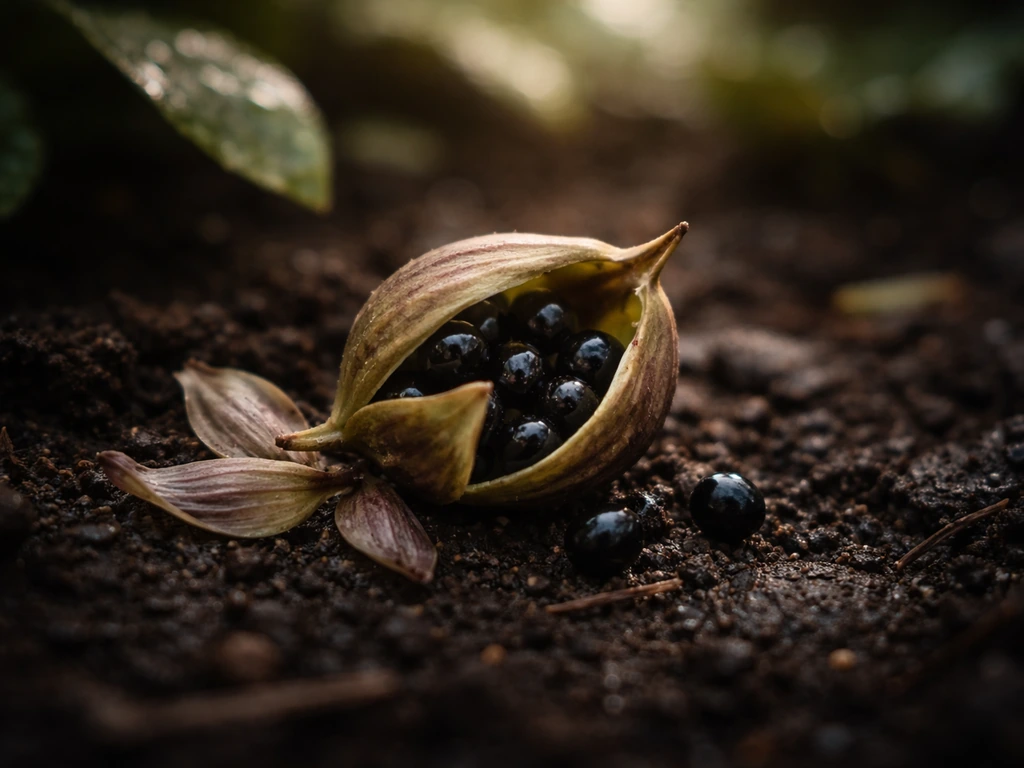
But if you're patient and set things up correctly from the start, growing hellebores from seed is genuinely rewarding, and understanding the full timeline makes the wait much easier to manage. Azaleas from seed follow a similarly slow, season-based timeline, so it helps to plan ahead for long waits before flowering grow azaleas from seed.
From seed to germination: what to realistically expect
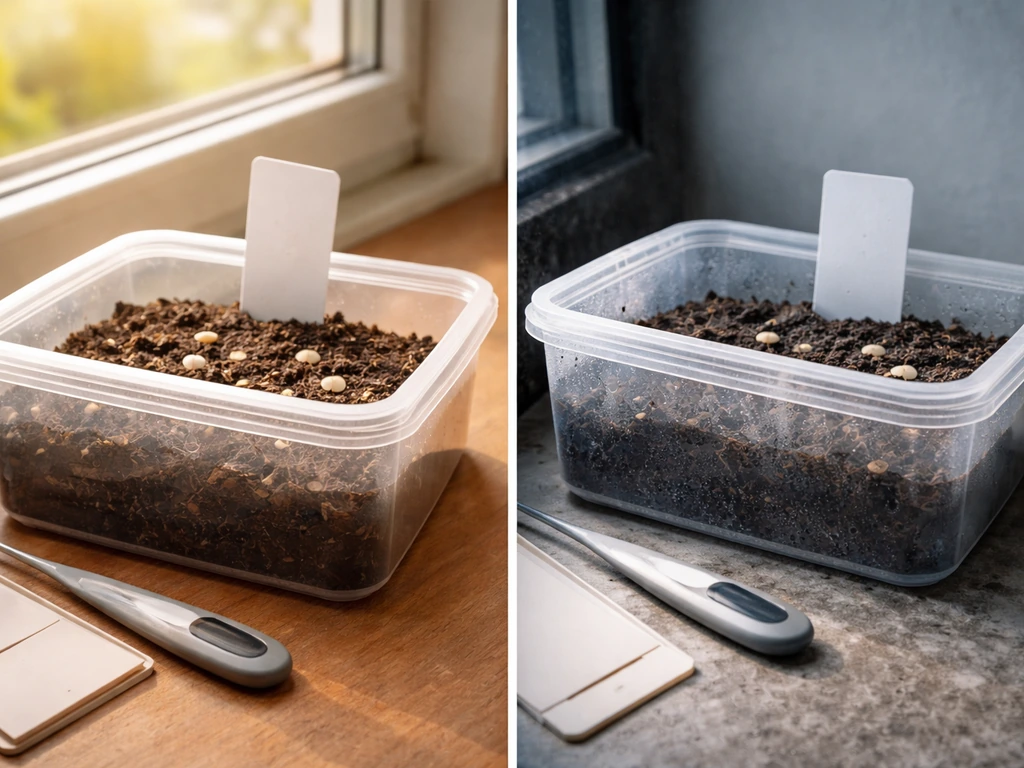
Hellebore seeds have what's called double dormancy, meaning they won't germinate after a single burst of warmth or cold. They need a warm period first, then a cold period, before the seed coat and embryo are ready to send up a sprout. This is the part that catches most growers off guard, because the timeline is genuinely long compared to something like a tomato or even a lupine.
The warm stratification phase runs roughly 6 to 12 weeks at temperatures between 60 and 85°F (about 15 to 29°C), with the seed kept in moist medium the entire time. After that, you move into the cold phase: around 6 weeks or more at approximately 40°F (5°C) or below. The Royal Botanical Gardens seed library puts the warm phase at 2 to 3 months at around 26°C (80°F), followed by 2 to 3 months of cold around 4°C. That adds up to 4 to 6 months just to complete the stratification cycle before you see any cotyledons.
In practice, germination often shows up in winter, toward the end of the year after a late spring or early summer sowing. Thompson & Morgan notes that germination "will normally take place at some time in the winter" when seedlings show their first seed leaves. So if you sow fresh seed in May or June, you might not see green until December or January.
After germination: the seedling stage
Once you've got cotyledons, you're in the seedling stage. At this point the plants are fragile, need frost protection or a cold frame, and grow slowly through winter and spring. Most growers keep their pots in an unheated greenhouse or cold frame after germination and let the seedlings develop through their first growing season. You'll typically be looking at small but increasingly sturdy plants with their first true leaves by mid-spring after germination.
The seedling stage is not a quick phase. Hellebores don't rush. By the end of the first full growing season (roughly late summer to autumn of the year after germination), you'll usually have plants big enough to consider potting on or planting out. Ashwood Nurseries, one of the most respected hellebore specialists, recommends planting seedlings out in the garden typically 2 years after sowing, once they're large enough to fend for themselves.
When do hellebores actually flower? The honest answer
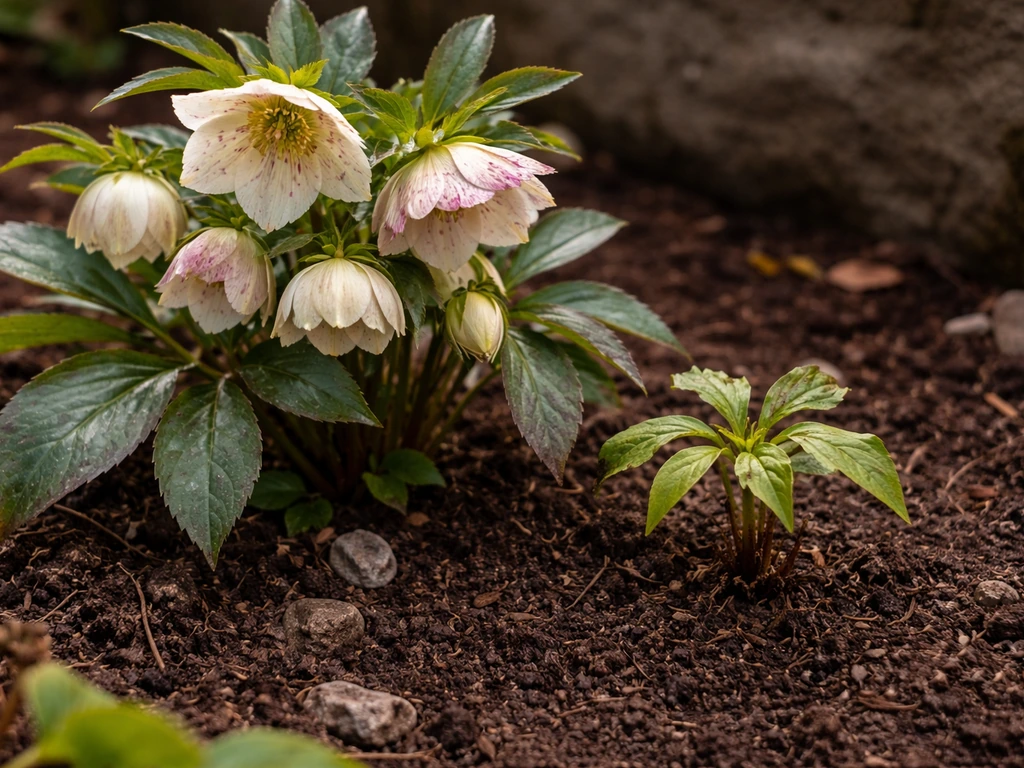
Most hellebore seedlings need 2 to 3 years of growth before they flower, and that clock starts from sowing, not from the day they germinated. How long to grow iris from seed is a different timeline, but it also depends heavily on conditions and the time it takes for plants to reach flowering size 2 to 3 years of growth before they flower.
The Missouri Botanical Garden puts hybrid hellebores (Helleborus x hybridus) at about two years to bloom from seed. Clemson University's extension service says most seedlings take two to three years before flowering. And species like Helleborus niger are even slower: the North American Rock Garden Society puts H. niger at 3 to 4 years to reach flowering size from seed.
| Hellebore Type | Time to First Flower from Seed | Notes |
|---|---|---|
| Helleborus x hybridus (Lenten rose hybrids) | 2 years | Missouri Botanical Garden benchmark; most common garden type |
| Most hellebore seedlings (general) | 2 to 3 years | Clemson University / Post Office Farm Nursery benchmark |
| Helleborus niger (Christmas rose) | 3 to 4 years | North American Rock Garden Society; slower-growing species |
| Newly established plants from any source | Up to 2 to 3 years to flower well | RHS and University of Washington note; even bought plants take time |
Even after the first flowers appear, plants often don't perform at full capacity right away. The University of Washington notes that hellebore experts consider 2 to 3 years the point when plants bloom at full capacity. The University of Washington Horticulture Library similarly describes this 2 to 3 year settling time for helbore plants to bloom at full capacity 2 to 3 years the point when plants bloom at full capacity. So the first-year bloom might be underwhelming compared to what the plant will do at year three or four. That's not a failure; it's just how hellebores work.
What speeds things up or slows them down
Germination and early growth are both sensitive to the same core variables: temperature, moisture, seed freshness, and getting the stratification phases right. Here's what actually moves the needle:
- Seed freshness: This is the biggest single factor. Hellebore seeds stored dry for more than a few weeks germinate poorly. The Auburn University research on Lenten rose germination is unambiguous: sow immediately upon ripening. Fresh seed (late spring to early summer, when the pods are ripe but before the seed dries out) gives you the best possible germination rate.
- Warm stratification temperature: Hold seeds in moist medium at 60 to 85°F for 6 to 12 weeks. Too cool and the warm phase doesn't work; too hot and you may damage the embryo.
- Cold stratification temperature and duration: After the warm phase, the cold period needs to be consistent, around 40 to 45°F (4 to 7°C), for at least 6 weeks. The RHS gives a specific benchmark of about 5°C for six weeks as part of this cold stage.
- Moisture throughout: The medium must stay moist, not waterlogged, during both warm and cold phases. Letting it dry out interrupts the process and may require the seed to start over with another full cycle.
- Light for seedlings: Once germinated, seedlings need bright but indirect light. Too much direct sun scorches young leaves; too little and growth stalls.
- Drainage after transplanting: Poor drainage stresses young plants and slows establishment significantly. Hellebores want moisture-retentive but well-draining soil.
The most frustrating situation is when old or improperly stratified seed enters what some growers call a second dormancy. Greenhouse Product News flags this specifically: if seeds were stored dry or stratified incorrectly, they may require an additional 6 to 18 months before germinating, because they essentially need to go through the full warm-then-cold cycle again. That's why starting with fresh seed and nailing the conditions the first time is so important.
How to sow hellebores for the best odds
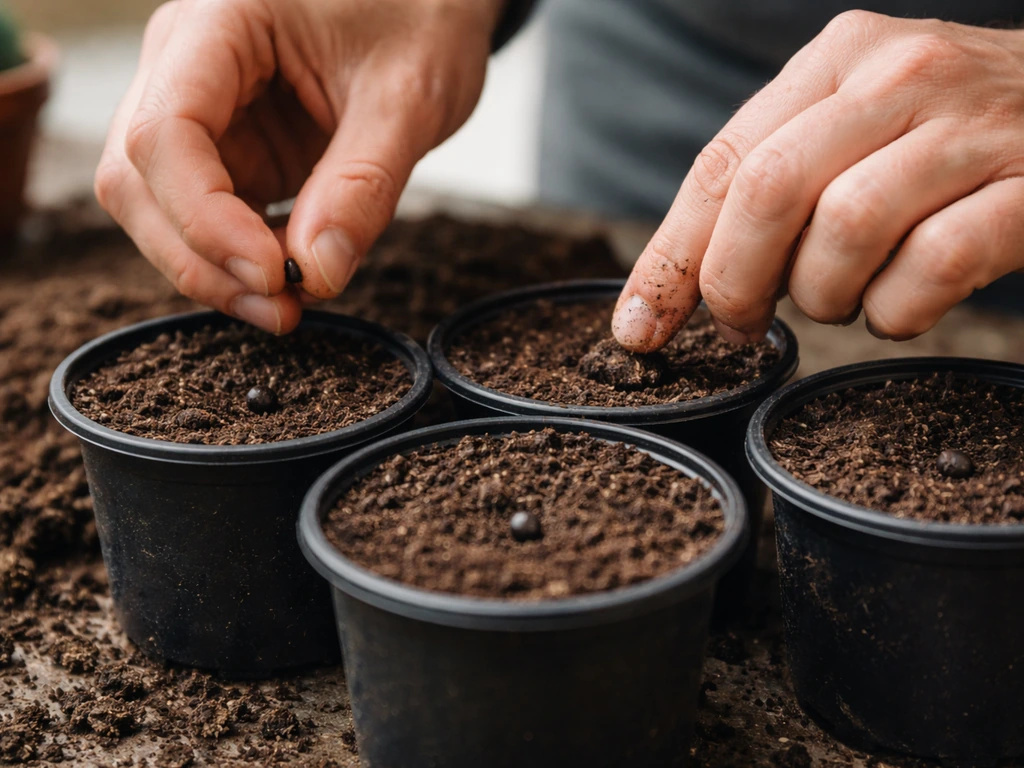
The method matters as much as the timing. Here's a practical protocol based on what actually works:
- Collect or source fresh seed in late spring to early summer, as soon as the seed pods are ripe and before they dry out. Thompson & Morgan recommends sowing as soon as possible after the seeds ripen to preserve viability.
- Sow into a well-draining, moisture-retentive seed compost. Cover seeds lightly (about 5mm or a quarter inch deep) since they don't need to be buried deeply, but shouldn't be left on the surface.
- Keep the pots in a warm spot (60 to 85°F) and maintain even moisture in the medium for 6 to 12 weeks. This is the warm stratification phase. A shaded cold frame in summer, or a spot indoors near a window, works well.
- After the warm phase, move the pots somewhere cold: an unheated garage, a cold frame, or outdoors in a sheltered spot for autumn and winter. Target temperatures around 40 to 45°F (4 to 7°C) for at least 6 weeks.
- Check moisture regularly throughout both phases. The medium should feel damp but not sodden. Drying out at any point can break the stratification cycle.
- Watch for cotyledons in winter, typically December through February if you sowed in late spring or early summer. Once seedlings appear, move pots to an unheated greenhouse or cold frame with frost protection.
- Grow seedlings on through spring and summer, potting up as needed. Most seedlings are ready to plant out in the garden around 2 years after the original sowing date.
If you're starting with stored seed bought from a packet rather than fresh-collected seed, adjust your expectations downward. Germination rates will likely be lower and the timeline may stretch longer, especially if the seed has been sitting for a season. Some gardeners see reasonable results with stored seed, but it's worth knowing the odds aren't in your favor the way they are with fresh seed.
Why your hellebore seeds aren't doing anything (and what to do about it)
If weeks or months have passed and you're seeing nothing, don't panic yet. Hellebores are slow, and frustration at this stage is extremely common. But there are specific causes worth ruling out:
- Old or dry seed: Possibly the most common reason for zero germination. Hellebore seed viability drops quickly once dry. If your seed came from a packet that's been sitting for a while, this is your most likely culprit.
- Skipped or shortened warm phase: If you moved straight to cold stratification without the warm phase first, many hellebores won't respond. They need warmth before cold, not just cold alone.
- Medium dried out during stratification: Even brief drying during the warm or cold phase can reset the dormancy clock. The seed doesn't pick up where it left off; it may need to restart the cycle.
- Temperature too cold during warm phase: Keeping pots in a cold spot during the warm stratification phase (below 60°F) means the seeds aren't getting the signal they need. A cool shed in spring is not warm enough.
- Temperature too warm during cold phase: If pots sit somewhere that stays above 50°F through the winter, the cold stratification isn't triggering properly.
- Sown too deep or too shallow: Hellebore seeds sown too deep may struggle to push through; seeds left on the surface may dry out or lack the soil contact needed for moisture absorption.
- Transplant shock: Even after successful germination, moving seedlings too aggressively (especially when the root system is underdeveloped) can cause a significant setback.
- Disease: Leaf spot and other fungal issues can hit stressed seedlings. Good drainage and adequate airflow reduce the risk considerably.
If you're stuck waiting and suspect the warm phase wasn't warm enough or the cold phase wasn't cold enough, the honest answer is to let the pots continue outdoors through another natural seasonal cycle. Many growers have successfully germinated hellebores by simply leaving pots outside for a full year, letting nature provide the temperature changes. It's slower, but it works.
Planning your sowing timeline around the seasons
When you sow and where you are in the year matters a lot, because hellebores follow the seasons closely. The ideal window is late spring to early summer (May to June in the northern hemisphere), which puts fresh ripe seed into the ground just as warm temperatures begin. This lets the warm stratification phase happen naturally outdoors through summer, and the cold phase unfolds through autumn and winter. You get germination in winter, seedlings growing through the following spring, and potentially flowering-sized plants 2 to 3 years later.
If you're starting indoors or in a climate with less predictable temperatures, you can simulate this cycle artificially: a warm spot indoors (or a heat mat set to around 70°F) for the warm phase, then a move to a refrigerator or unheated outbuilding for the cold phase. This gives you more control but requires more active management of moisture and timing. The RBG seed library protocol using 26°C (80°F) for warm then 4°C for cold works well for an indoor setup.
For gardeners in warmer climates (zones 8 and above), outdoor cold stratification may not happen naturally since winters aren't cold enough. In that case, you'll need to refrigerate pots or bags of moist seed during the cold phase to hit those sub-45°F temperatures reliably.
Here's a rough planning calendar for a standard northern hemisphere sowing starting in late May or early June:
| Approximate Month | Stage | What You're Doing |
|---|---|---|
| May to June | Sow fresh seed | Collect ripe seed and sow immediately into moist compost |
| June to August | Warm stratification | Pots in warm shaded spot (60 to 85°F), keep moist |
| September to November | Cold stratification | Move pots to cold frame or outdoors (40 to 45°F), keep moist |
| December to February | Germination | Cotyledons appear; move to frost-protected cold frame |
| Spring (Year 2) | Seedling growth | Pot on as needed, grow on in sheltered spot |
| Year 2 to 3 | Plant out and establish | Plant in garden once large enough; expect first flowers in year 2 to 3 |
If you're sowing today in late May 2026, you're right in the ideal window for fresh seed. Get seeds into moist compost this week, keep pots warm through the summer, and plan for a winter germination event. With any luck, you'll have seedlings growing on by early spring 2027, and flowers possibly by late winter 2028 or 2029.
It feels like a long way off, but hellebore seedlings are genuinely easy to look after once they get going, and the payoff of watching a plant you grew from seed come into bloom in February is pretty hard to beat. If you want a faster, comparable idea for another plant, see how long anthurium takes to grow from seed how long does anthurium take to grow from seed.
If you enjoy slow-building garden projects like this, other long-haul growers from seed worth comparing include iris, which also takes 2 to 3 years from seed to first flower, and elderberry, which runs a similarly patient timeline. Alliums and lupines move much faster, which can make them useful additions to the garden while your hellebores are getting established.
If you want a faster, seed-to-flower plan, learning how long it takes to grow lupine from seed can help you time your expectations Alliums and lupines move much faster. If you are also growing alliums, you may be wondering how long it takes to grow allium from seed, which depends on variety and growing conditions Alliums and lupines move much faster. If you’re comparing timelines with anthuriums, you’ll want to plan for their own long seed-to-plant schedule as well.
FAQ
If I sow hellebore seeds, should I expect germination the same season every time?
Not always. Even with fresh seed, germination can be concentrated in winter (often months after sowing). If the warm-then-cold cycle timing is off by weeks, you may also get a delayed, partial germination rather than a neat, single burst.
Does “how long to grow from seed” mean time to first sprouts, or time to flowering?
It usually means time to flowering size, typically 2 to 3 years for many hellebores, sometimes longer for certain species. Germination is only the first hurdle and can take about 6 months or more because it depends on completing the warm-then-cold dormancy break.
How can I tell if my hellebore seeds are failing to germinate versus just taking the normal long wait?
If they never germinate, the most useful check is whether stratification was completed correctly (warm phase warm enough, moist the whole time, then cold phase cold enough). If that was done and months have passed, it can still be normal to wait through another seasonal cycle, especially with stored seed.
What temperature is too high or too low for the warm stratification phase?
The warm phase is typically kept in the roughly 60 to 85°F (15 to 29°C) range. If it runs consistently too cool, seeds may not complete dormancy break. If it runs much too warm, you can risk rot from consistently wet conditions, so the medium should be moist, not soggy.
Should I keep the seeds in light or darkness during stratification?
During the stratification steps, most growers treat it as a temperature and moisture requirement rather than a light requirement, and they keep the medium covered or in conditions that prevent drying out. Once you see cotyledons, place seedlings in light appropriate for a cold-frame or greenhouse so they grow strong rather than stretched.
How moist should the medium be during the warm and cold phases?
Aim for consistently moist medium, like evenly damp compost or seed-starting mix. If it dries out, you can effectively reset dormancy, leading to a much longer timeline. If it stays waterlogged, seeds are also more likely to fail due to fungal issues.
If my seed sat in the fridge after buying a packet, do I still need to do stratification?
Often yes, because pre-treatment varies by supplier and by how the packet seed was stored. If you are unsure whether the warm phase was completed, it is safest to follow the warm-then-cold approach anyway, or you may inadvertently leave the seed in incomplete dormancy.
What if I’m in a warm climate where winter is mild, will seeds still grow?
Yes, but you likely need artificial cold. If your outdoor winter does not reach reliably cold temperatures, refrigerate pots or moist seed during the cold phase so the sub-45°F (around 7°C or lower) requirement is met more consistently.
Is it better to sow fresh seeds outdoors in late spring, or stratify indoors first?
Fresh seed outdoors in late spring to early summer (often May to June in the north) lets nature provide the warm phase and then the cold phase through autumn and winter. Indoor stratification can work well for control, but it requires careful timing and moisture management to avoid resets or inconsistent temperature exposure.
Do hellebore seedlings need protection from frost right after they germinate?
Usually yes. Seedlings are fragile, and many growers use a cold frame or protective unheated structure to prevent harsh swings. Light frosts can be tolerated, but severe exposure can slow growth or kill delicate young plants.
When should I pot on or plant seedlings out, and does that change the time to bloom?
The timeline to bloom is mainly driven by plant maturity, not pot size. However, planting out too early can stress seedlings and slow progress. A common rule of thumb is to consider planting after about 2 years, once they’re large enough to handle conditions better.
My first flowers were weak or sparse, is that normal?
Often. Even after plants reach first bloom, they may not perform at full capacity until about the second to third year after flowering begins. Treat early blooms as a sign the plant is transitioning, not an indication of its eventual vigor.
Can I speed up hellebore growth by using fertilizer or heat?
Be cautious. Extra feeding and warmth may increase vegetative growth, but it does not reliably shorten the dormancy requirement and can harm seedlings if moisture and temperature become unsuitable. Focus on getting the stratification right first, then grow steadily in a cold-tolerant way.
What’s the biggest reason hellebore seed ends up requiring an extra long wait?
Improper storage or incorrect stratification can push seeds into an additional dormancy cycle. This can add roughly 6 to 18 months, so starting with fresh seed and following the warm-then-cold conditions carefully is one of the biggest quality levers you have.
Next Article
How Long Does It Take to Grow Azaleas From Seed?
Realistic timeline for azaleas from seed, from germination to first blooms, plus why it varies and how to troubleshoot f