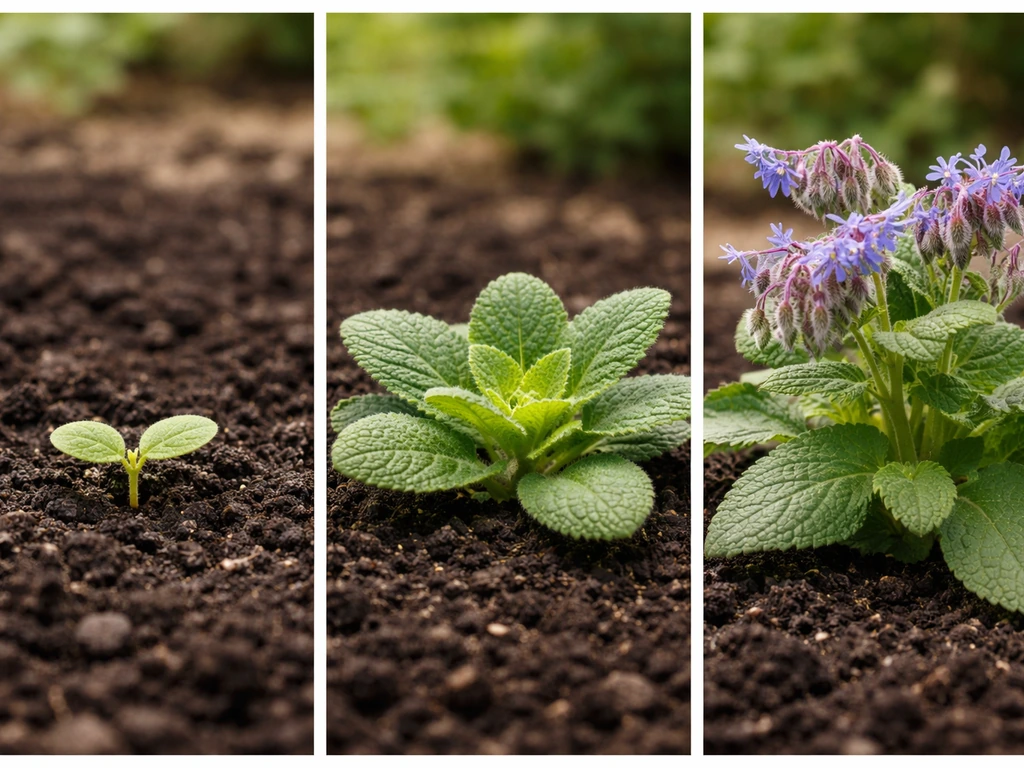
Gunnera seeds typically germinate in around 15 to 60 days when kept warm and moist, but in real-world conditions it can take several months. From that first seedling to a plant that looks like a proper crown you'd actually want to show off, expect at least two growing seasons, and closer to blank" rel="noopener noreferrer">two to three years before it reaches anything near its famous giant size. That's the honest answer, and the rest of this guide is about making those years count.
How Long Does Gunnera Take to Grow From Seed?
Marcus Henley
22 May 2026
The realistic Gunnera-from-seed timeline
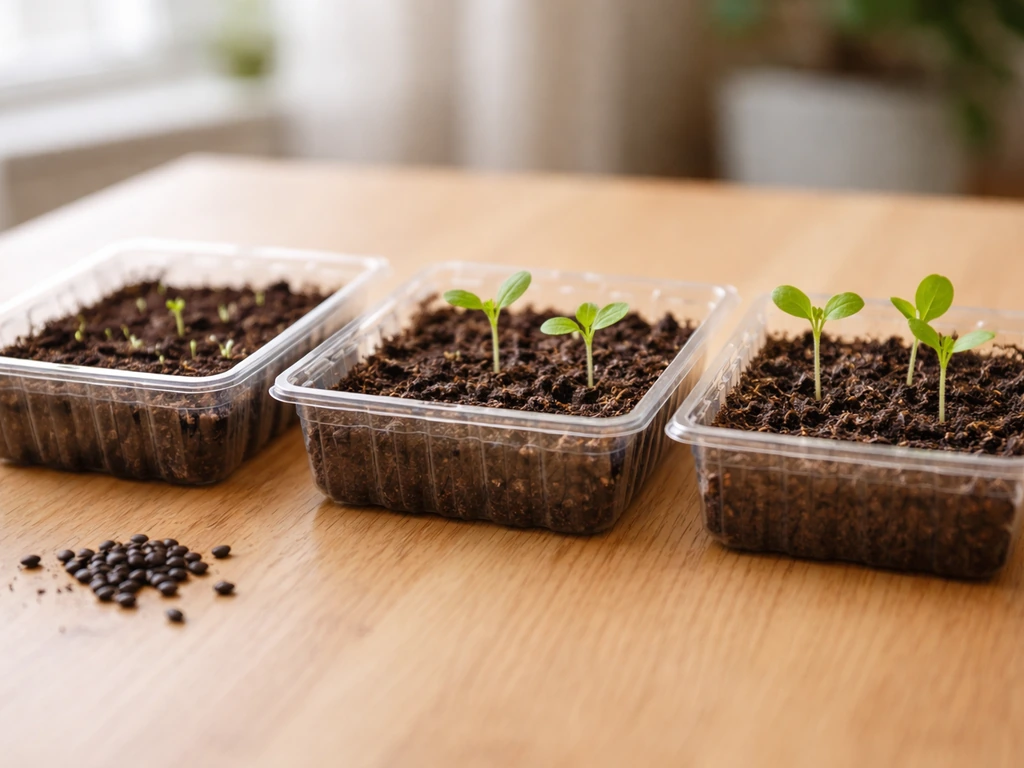
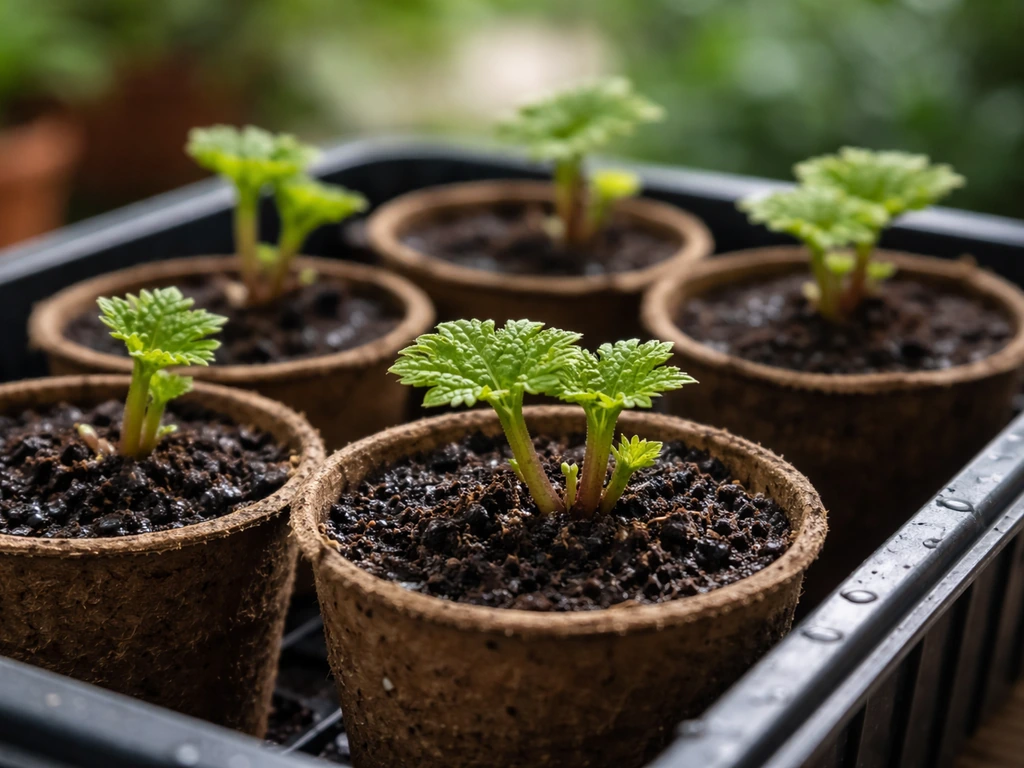
Gunnera manicata is one of those plants that rewards patience but punishes impatience. Here's how the timeline typically breaks down from sow date to established plant:
| Stage | Typical timeframe | Best case | Worst/slow case |
|---|---|---|---|
| Germination (first sprout) | 15–30 days | ~15 days | Up to 60 days or several months |
| Seedling to first true leaf | 4–8 weeks after germination | 4 weeks | 10+ weeks |
| First pot-on (large enough to handle) | 10–16 weeks from sowing | 10 weeks | 5–6 months |
| Established crown (small but sturdy) | End of first growing season | Late summer year 1 | Spring of year 2 |
| Impressive, show-worthy plant | 2–3 years from seed | 2 years | 3+ years |
That lab germination figure of around 20% is worth keeping in mind, too. Gunnera seed germination is notoriously variable, even under controlled conditions. Sow more seeds than you think you need, ideally at least double, because not every seed will come through for you regardless of how well you manage conditions.
What actually affects how fast Gunnera grows from seed
Temperature
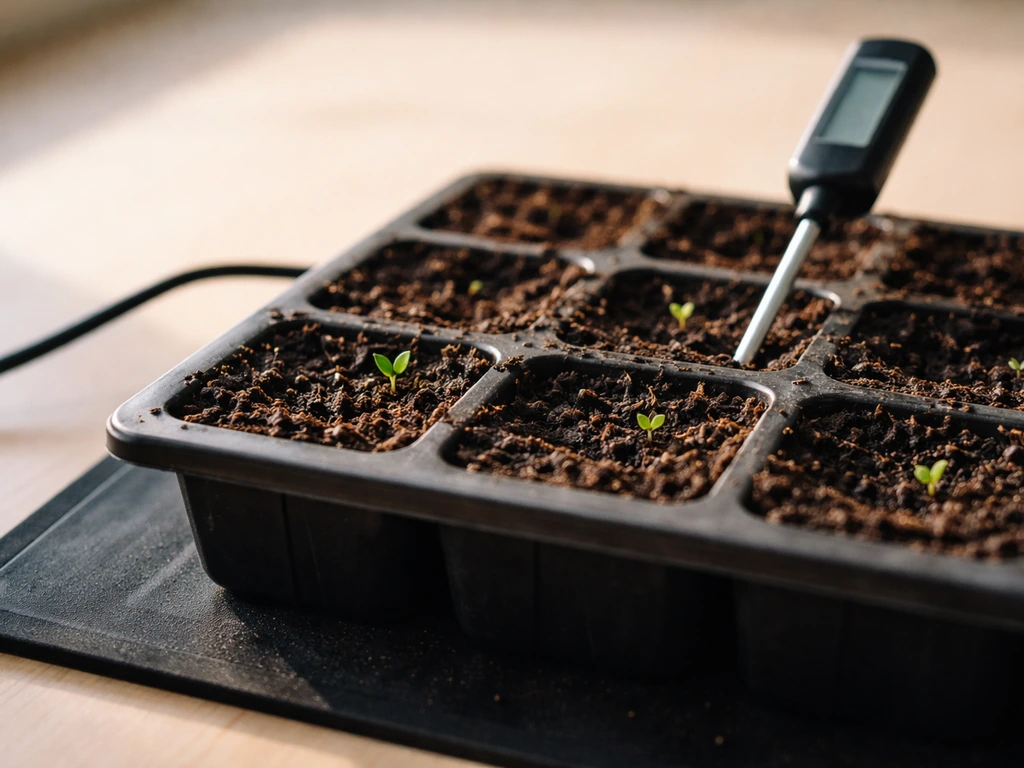
This is the single biggest lever you have. Gunnera seeds germinate best at around 25 to 27°C (75 to 80°F), and keeping them at that temperature consistently is what pushes you toward the 15-day end of the range rather than the 60-day or longer end. A heat mat under the tray is the most reliable way to hold that temperature without running your whole house warmer than you'd like. Drop below 20°C and expect things to slow dramatically or stall.
Light
Gunnera seeds need light to germinate, which is why the sowing method matters so much. Don't bury them. They should sit right at the surface or be pressed gently into a moist medium so they have good contact with moisture while still getting light. Once seedlings emerge, they need bright indirect light to develop properly. A windowsill works if it gets decent light, but a grow light on a timer gives you far more control.
Seed viability and freshness
Fresh seed gives you the best odds. Gunnera seed viability drops off noticeably with storage, so if you're working with seeds that have been sitting in a packet for more than a year, expect lower germination rates and longer, less predictable timing. If you've collected your own seed from a plant, sow it as soon as it's cleaned and dried.
Stratification: do Gunnera seeds need it?
Some protocols recommend a warm stratification phase, around 25 to 30°C for four to five weeks, followed by cold stratification at roughly 2°C for about 80 days (about 11 weeks), stored in darkness during the cold phase. This mimics what happens naturally over a seasonal cycle. It's not always necessary with fresh seed, but if you've tried simply sowing and gotten nothing after two months, running through a warm-then-cold cycle before re-sowing is worth trying. Think of it as resetting the seed's internal clock.
Moisture and airflow
The medium needs to stay consistently moist but never waterlogged. Equally important is ventilation. A sealed plastic dome keeps moisture in, which is helpful at first, but without some airflow the warm, wet conditions become a perfect environment for damping off and algae. Crack the lid or prop it open daily once you start seeing condensation pooling heavily.
How to sow Gunnera seeds for the best germination
Timing your sow
The best time to sow is late winter to early spring, ideally January through March in the Northern Hemisphere, so seedlings have a full growing season ahead of them. If you're sowing right now in late May, you're still in a workable window, but your first-year seedlings will have less time to bulk up before their first overwintering challenge. Starting earlier in the following year, or using artificial heat and light to extend the growing window, gives you the advantage.
The right setup
Use a shallow seed tray or small individual cells rather than deep pots at this stage. Fill with a sterile, free-draining seed-starting mix, a blend of fine compost with added vermiculite or perlite at roughly a 2:1 ratio works well. Never use garden soil or reused potting mix. Damping off is a real risk with Gunnera, and using fresh sterile media dramatically reduces that risk from the start.
- Moisten the mix thoroughly before sowing, so it's damp all the way through but not dripping.
- Scatter seeds thinly across the surface. Do not cover with soil.
- Gently press seeds down so they make firm contact with the surface of the mix.
- Optionally, dust the very top with a thin layer of fine horticultural sand or vermiculite to help hold surface moisture without blocking light.
- Cover with a propagator lid or clear plastic and place on a heat mat set to 25–27°C.
- Keep in a bright spot (but out of direct harsh sun, which can overheat and dry the surface fast).
- Ventilate daily by cracking the lid once condensation builds up.
Seedling care and when to pot on
Gunnera seedlings are tiny at first. If you are also planning other flowers, checking how long does alyssum take to grow from seed can help you stagger your sowing schedule alongside Gunnera. We're talking genuinely minuscule, and it can take a few weeks just to get to the stage where you're sure something actually germinated. Once you see that first true leaf (not the seed leaves, but the first recognizable Gunnera-shaped leaf with its slightly lobed edge), the seedling is ready to be treated more seriously.
Keep seedlings moist but back off on the humidity dome once true leaves are visible. They need airflow now. Feed very lightly, a quarter-strength balanced liquid feed once every two weeks is plenty, as seedlings are sensitive to overfeeding at this stage.
Potting-on schedule
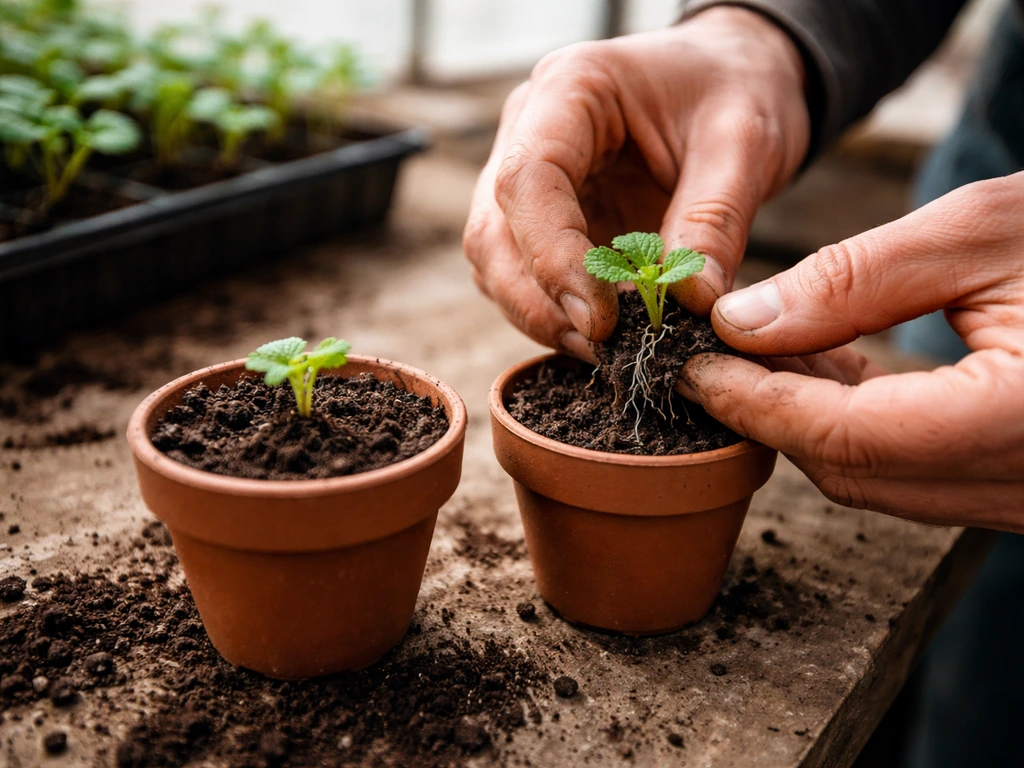
Move seedlings to individual small pots (7 to 9 cm) once they're large enough to handle without damaging, usually when they have two to three true leaves. From there, pot on into progressively larger containers as the root system fills out. Gunnera likes room to grow, but potting into a container that's too large too early can lead to waterlogged, unused compost around the roots, which encourages rot. A good rule of thumb is to move up one or two pot sizes at a time rather than jumping straight to a large container.
- First pot-on: 7–9 cm pot, after 2–3 true leaves appear
- Second pot-on: 1–2 litre pot, once roots are visible at drainage holes
- Third pot-on: 3–5 litre pot, typically mid to late summer of year 1
- Overwintering container: whatever size it's in by autumn, frost-free storage
Troubleshooting slow or failed germination and weak seedlings
Nothing sprouting after 60+ days
First, check temperature. If the medium has been below 20°C, germination may simply be stalled rather than failed. Bring the tray to a consistently warm spot or get a heat mat, and give it more time. If temperature has been fine, the issue is likely seed viability. Old or poorly stored seed is the most common culprit. Try the warm-then-cold stratification cycle described above and re-sow with fresh seed if possible.
Damping off (seedlings collapsing at the base)
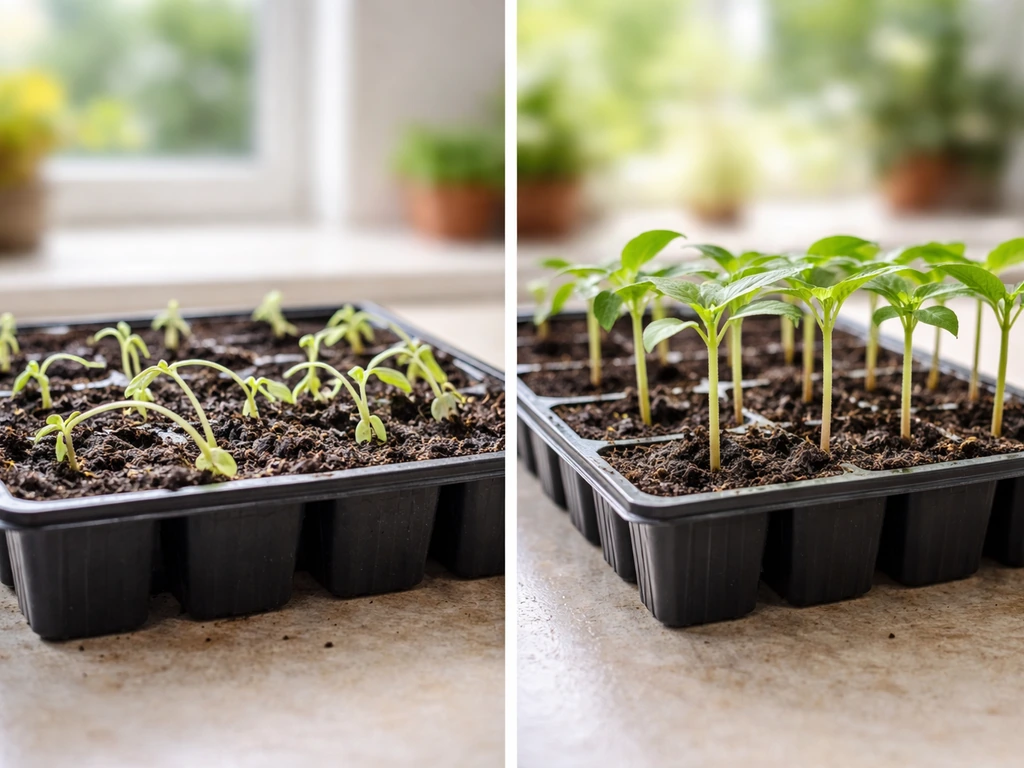
Damping off is caused by fungal pathogens and is almost always linked to overwatering, poor airflow, or non-sterile growing media. For common seed-starting causes of damping-off, Cornell (Greenhouse Horticulture) notes that pathogens can be responsible and that peat moss used in some mixes may also carry pathogens, which is why prevention matters in greenhouse seed-starting peat moss used in some mixes may carry pathogens.
Once it hits, it spreads fast and there's little you can do to save affected seedlings. Prevention is everything here: use only fresh sterile or pasteurized seed-starting mix, never reuse old compost from previous trays, water from below by standing the tray in water rather than pouring from above, and keep airflow going at all times. If you see it starting, remove affected seedlings immediately and improve ventilation.
Green algae or mold on the surface
A thin green film or fuzzy mold on the surface of the mix is a sign of too much moisture and not enough airflow. It won't directly kill seeds, but it does compete for space and indicates conditions that favor damping off. Improve ventilation, let the surface dry very slightly between waterings, and consider dusting a thin layer of horticultural grit or coarse sand over the surface to help.
Seedlings are leggy and weak
Leggy seedlings almost always mean not enough light. Move them closer to a light source or add a grow light. Gunnera seedlings reaching for the light will be floppy and slow to develop, and they won't harden off well for outdoor life later. Fix the light issue early, because leggy seedlings rarely catch up fully.
Overwintering and when you'll finally see real plant growth
This is the part most guides skip, and it's where a lot of first-year Gunnera seedlings are lost. In their first autumn and winter, your seedlings are tiny and completely vulnerable to frost. Gunnera manicata is hardy in zones roughly 6 through 9b, but even in those zones, small seedlings in pots don't have the same root mass protection that an established crown in the ground does.
The safest approach for year-one plants is to bring pots into a frost-free space for winter, a cool greenhouse, garage, or cellar all work. They don't need light during dormancy, which makes a dark, frost-free cellar perfectly suitable. Keep the compost just barely moist, not dry and not wet. Don't fertilize. Just keep them alive.
When they come back out in spring, that's when the real growth begins. Hydrangea seeds follow a different growth schedule, but you can still estimate your timeline based on germination speed and how long seedlings take to reach transplant size year-two. Year two is when Gunnera starts to look like Gunnera. Leaves get noticeably larger, the crown begins to form properly, and by mid-summer of year two you'll have something genuinely exciting.
Full, impressive, dinosaur-scale size is typically a year-three achievement with seeds, sometimes year four if your growing season is short or conditions have been difficult. Compared to growing something like lavender or borage from seed, which reaches a presentable size in a single season, Gunnera is a long-haul commitment. Lavender from seed usually germinates and grows more quickly than Gunnera, so it can be a good contrast if you're comparing timelines. The payoff is proportional though.
Your planning checklist: steps to take today
Whether you're sowing today or planning ahead for the next season, use this checklist to set yourself up for the best possible outcome: If you want a similar long-term seedling timeline to plan around, also see how long does hibiscus take to grow from seed.
- Source fresh seed: check the packet date or supplier date. Seed over one year old has significantly lower viability. Buy from a reputable supplier if you don't have fresh-collected seed.
- Get a heat mat: if you don't have one, this is the single most impactful purchase for Gunnera germination. Set it to 25–27°C.
- Prepare sterile seed-starting mix: combine fine compost with perlite or vermiculite. Do not use garden soil or old potting mix.
- Surface-sow immediately: press seeds gently into the surface of the moist mix. Do not bury them. Cover lightly with fine sand if desired.
- Set up ventilation from day one: use a propagator lid but open it daily. Mark your calendar from today for a 15–60 day germination window.
- If nothing by 60 days: start a warm stratification phase (25–30°C for 4–5 weeks) then cold stratification (2°C, dark, for 80 days), then re-sow.
- Once seedlings appear: move to bright indirect light, ventilate fully, and begin very light feeding at first true leaf stage.
- Pot on progressively: 7–9 cm pots first, then 1–2 litre, then 3–5 litre by late summer.
- Plan for overwintering: identify a frost-free, cool (but not freezing) space now so you're not scrambling in October.
- Adjust your expectations: year one = survival. Year two = real growth. Year three = impressive plant. Build your schedule around that.
FAQ
What should I do if my Gunnera seeds do not germinate after 2 months?
If you see nothing after about 8 weeks, it often means either the temperature was too cool for long enough or the seed has low viability. First, verify the germination zone is consistently around 25 to 27°C, then do a warm-then-cold stratification reset (warm for 4 to 5 weeks, then cold around 2°C for about 11 weeks) before resowing if you can get fresh seed.
Why would Gunnera take longer than the usual germination and growth timeline?
Yes, you can end up with a “long time to grow” even when seeds are viable if seedlings experience cold snaps or very low light. Gunnera can stall from cool temperatures under 20°C and become leggy in low light, which delays crown formation, so keep warmth and bright indirect light until true leaves appear, then manage wintering carefully.
Does cold stratification work by itself, or do I need the warm phase first?
Cold stratification does not replace warmth for germination. If you only cold-stratify without providing the initial warm phase (about 4 to 5 weeks), germination can be erratic and slow because the embryo still needs the heat period to properly progress before the cold cue.
Why is Gunnera germination so unpredictable, even when conditions are good?
You should expect that some seeds will come up slowly and a few may not emerge at all, even under good conditions. With variable germination, planning for failure is normal, so sow at least double what you want as established seedlings and discard or leave time for the slowest fraction before assuming a total failure.
Should I keep the humidity dome on after seedlings emerge?
After true leaves appear, don’t keep the humidity dome fully sealed. Back off humidity to avoid damping-off, increase airflow, and water only to keep the medium lightly moist. Overly wet conditions after emergence can cause rot even if the seeds germinated.
My seed tray has algae or a green film on the soil, what does it mean and what should I do?
If seedlings turn a thin green film or fuzzy mold shows up, it usually indicates too much surface moisture plus insufficient airflow. Let the surface dry slightly between waterings, improve ventilation immediately, and consider a very thin dusting of horticultural grit or coarse sand to make the top less hospitable to fungal growth.
What causes leggy Gunnera seedlings and how can I fix it early?
Leggy, floppy seedlings typically mean not enough light, not that they are “behind.” Move them closer to a strong light source or switch to a grow light on a timer, because catching up late is difficult and leggy seedlings often harden off poorly outdoors.
How large should I pot Gunnera seedlings, and can I move them into a big pot early?
No, you generally should not pot up aggressively early. If you jump to a much larger container, the compost stays wet around unused roots, raising rot risk. Move up one or two pot sizes at a time, and only when seedlings have enough root mass to handle the extra mix.
How can I tell if Gunnera seeds are stalled due to cold rather than failing due to low viability?
If a tray is cold and wet, it may look like seeds are “not working,” but the real issue is stalled growth. Warm the medium to a consistent target above 20°C, then give it additional time before you conclude the seed is dead.
Do I need to protect young Gunnera seedlings during their first winter, and how?
The first winter is a survival milestone, not a growth milestone. For year-one plants, the safest approach is frost-free overwintering in a cool garage, cellar, or greenhouse, with just barely moist compost and no fertilizing, because small potted seedlings are more frost-sensitive than established crowns in the ground.
Next Article
How Long Does Borage Take to Grow From Seed
Know how long borage takes from seed: germination, seedling establishment, and when it blooms or is harvest-ready.