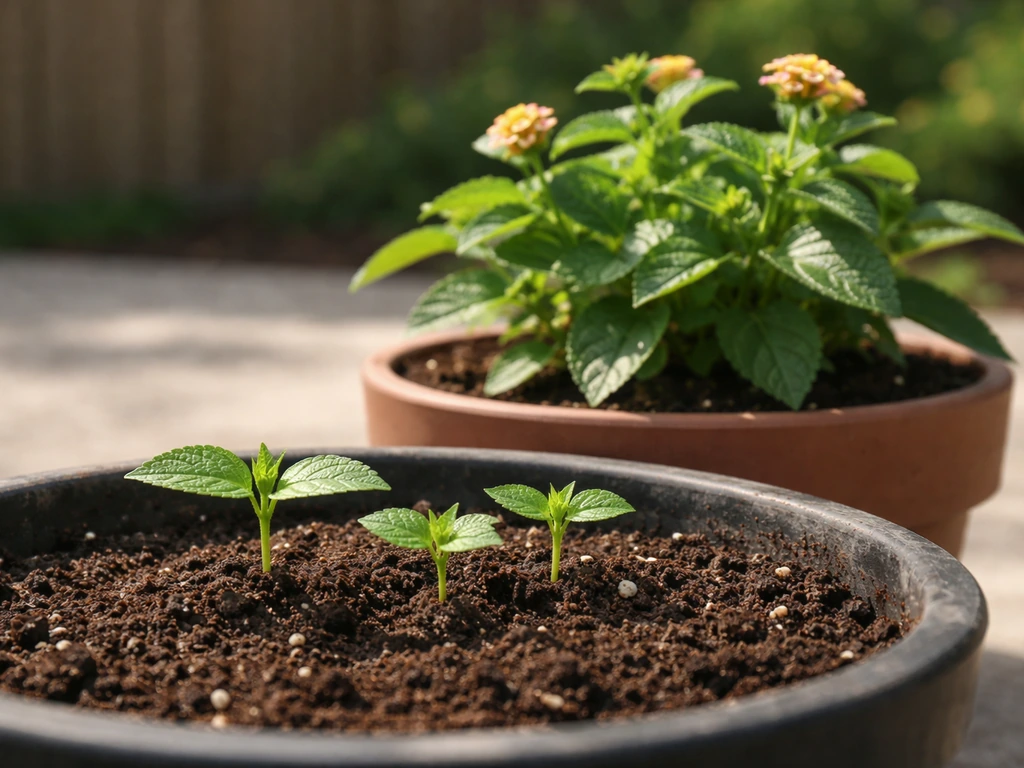
Gazania seeds typically germinate in 7 to 14 days, and you can expect transplant-ready seedlings about 4 to 5 weeks after sowing. From seed to first bloom usually takes around 12 weeks total. That means if you start indoors 8 weeks before your last frost date, you'll have flowering plants in the garden right as warm weather settles in.
How Long Does It Take to Grow Gazania From Seed?
Marcus Henley
24 May 2026
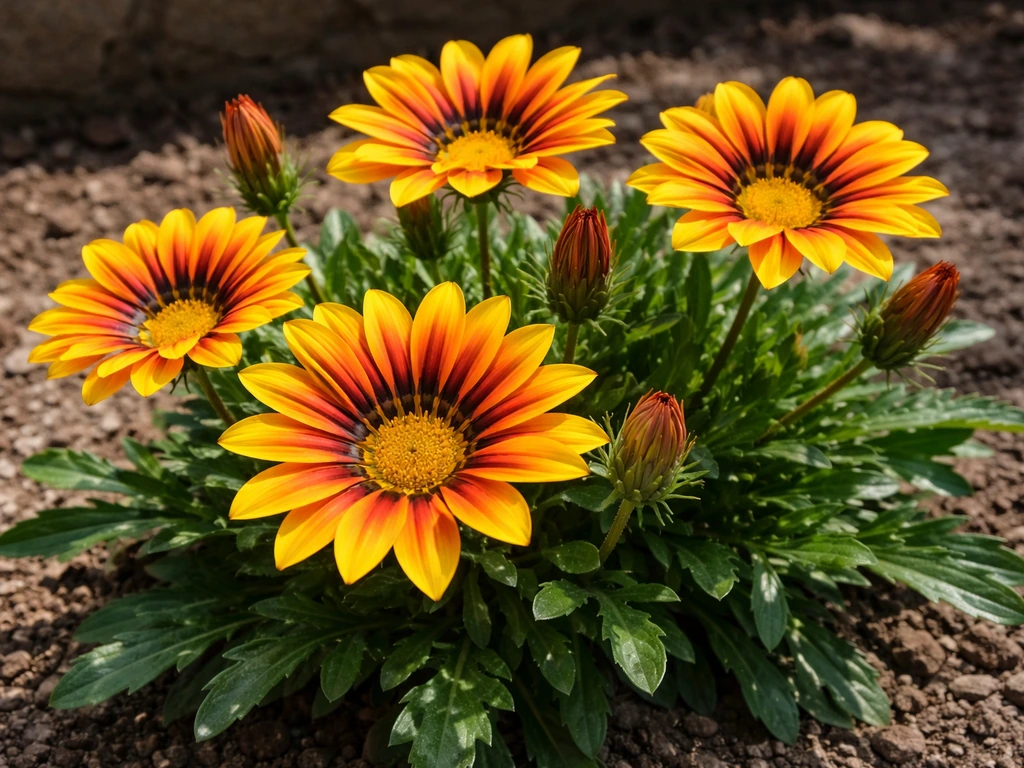
If you are wondering how long to grow desert rose from seed instead, the timing is longer and depends heavily on temperature and seed quality. Amaryllis, on the other hand, takes a different schedule from seed to bloom, so it helps to plan your timing early how long to grow amaryllis from seed. Keep your germination temperature between 65 and 75°F (18 to 24°C), and you're most of the way there.
Typical gazania growth timeline from seed
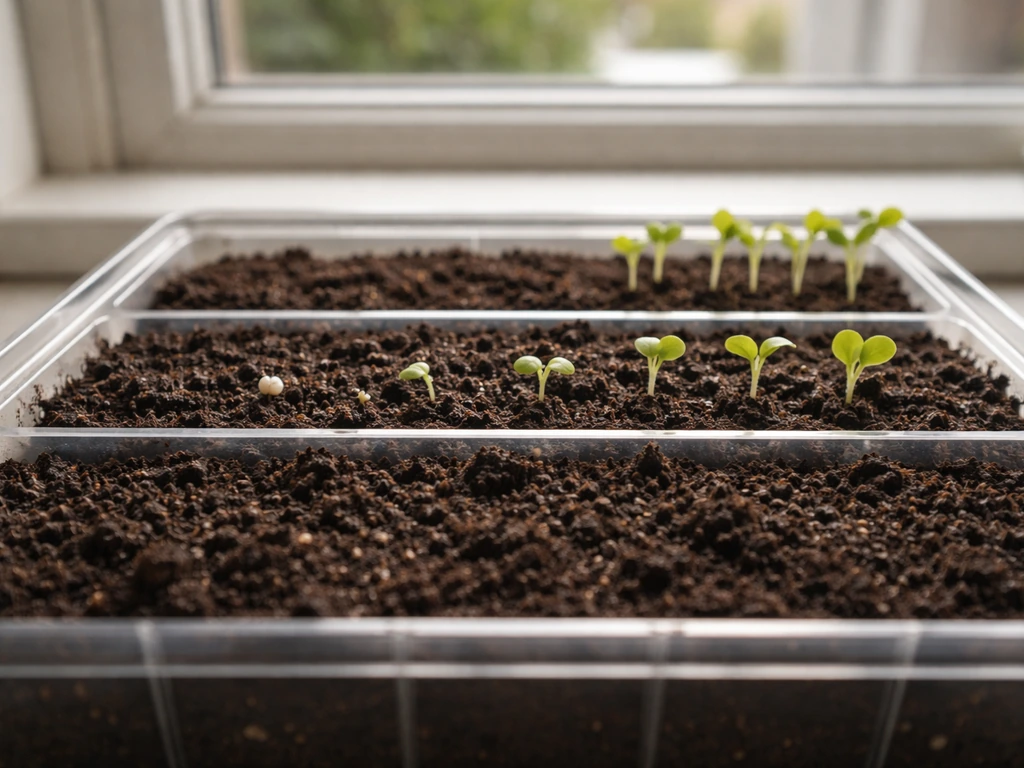
Here's the honest stage-by-stage picture, based on what commercial growers and home gardeners actually see. Conditions vary, so these are realistic ranges rather than hard promises.
| Growth Stage | Timeframe from Sowing | Notes |
|---|---|---|
| Radicle (root) emergence | 3 to 5 days | Under ideal temp (70–72°F); commercial New Day series data |
| Visible seedling emergence | 7 to 14 days | Most home growers see sprouts by day 10–12 |
| Seedling to transplant-ready plug | 4 to 5 weeks | Cotyledons fully open, first true leaves developing |
| Transplant to first bloom | 4 to 6 weeks after transplanting outdoors | Varies by light levels and daytime temps |
| Seed to first bloom (total) | About 12 weeks | Consistent with multiple grower reports |
The New Day F1 series (one of the most widely grown cultivars) is consistently on the faster end of that range. Open-pollinated or less-bred varieties can take a few extra days at each stage, so if you're working with a mixed packet rather than a named F1 series, budget an extra week across the whole timeline.
Indoor vs outdoor sowing: how timing changes
Starting indoors gives you a real head start and much more control. Most sources recommend sowing 6 to 10 weeks before your last expected frost date, with 8 weeks being the sweet spot for most gardeners. Burpee also recommends sowing Gazania 6, 8 weeks before the last frost date when starting indoors sowing 6 to 8 weeks before your last frost date when starting indoors. That lets seedlings develop fully without getting root-bound in their cells before the weather is warm enough to plant out.
Direct sowing outdoors is possible once frost danger has passed and soil temperatures reach at least 65°F, but there's a genuine trade-off: outdoor-sown gazanias tend to bloom later in the season because they lose 6 to 8 weeks of indoor development time. In shorter-summer climates, that can mean you barely get a few weeks of flowers before temperatures drop again. In warmer zones (Zone 9 and above), direct sowing works well enough, but you'll still wait longer for blooms.
| Method | When to Sow | Expected First Bloom | Best For |
|---|---|---|---|
| Indoors (recommended) | 8–10 weeks before last frost | Early to mid-summer | Most climates, earlier color |
| Indoors (minimum) | 6 weeks before last frost | Mid-summer | If you're running late |
| Direct outdoor sowing | After last frost, soil 65°F+ | Late summer or fall | Warm climates, Zone 9+ |
One thing worth noting: gazanias are more frost-tolerant than many annuals, so you don't need to wait for completely settled warm weather before transplanting. A light frost won't kill established seedlings, which gives you a little flexibility on the timing.
Conditions that affect germination speed
Temperature
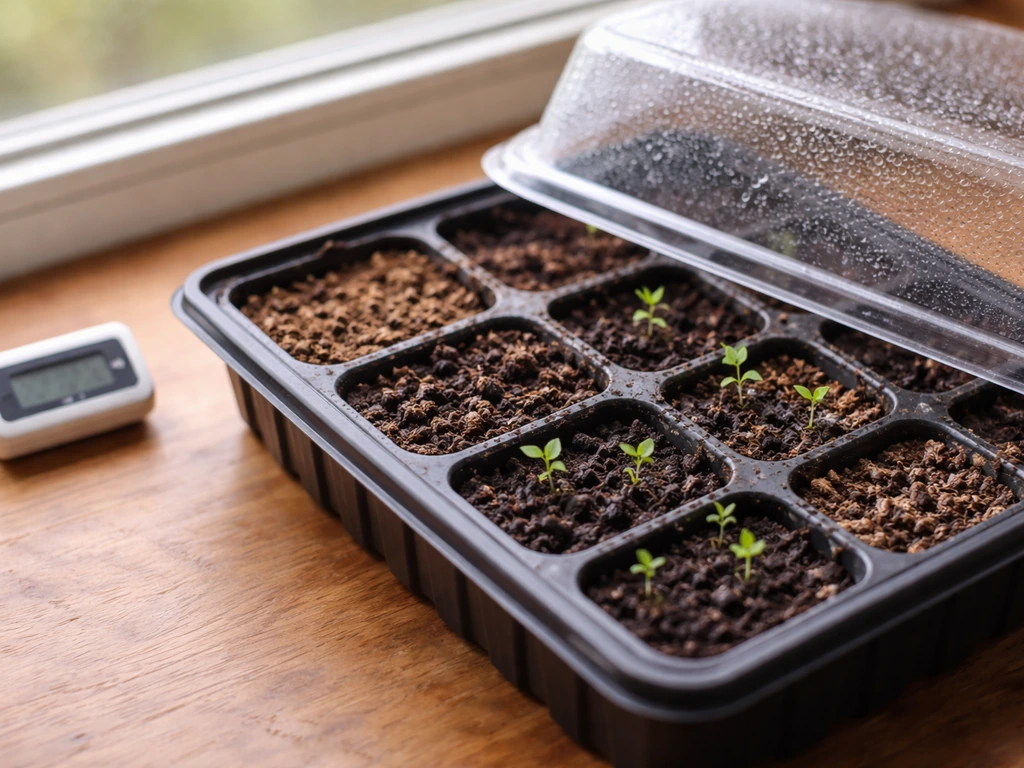
Temperature is the single biggest lever you have. The target range is 65 to 75°F (18 to 24°C), with the sweet spot sitting right at 70 to 72°F (21 to 22°C). Multiple commercial culture sheets from Ball and PanAmerican Seed land on 70 to 72°F as optimal. Drop below 65°F and germination slows noticeably or stalls entirely. Go above 75°F and you can get erratic, patchy results. A heat mat set to 70°F under your seed trays is one of the simplest investments you can make for reliable, fast gazania germination.
Light
Here's one that surprises people: gazanias do not need light to germinate. Multiple grower sources confirm this, including Syngenta and Benary. You can cover your trays completely during germination with no penalty. Once seedlings emerge, though, they need plenty of bright light immediately, otherwise they stretch and weaken fast. Move them to a south-facing window or under grow lights as soon as you see the first sprouts.
Sowing depth and covering
Cover seeds very lightly, no more than 3mm (about 1/8 inch) deep. A fine sprinkling of coarse-grade vermiculite works better than potting mix for the covering layer because it holds moisture without crusting over. Ball Seed specifically recommends medium-grade vermiculite covering for their Gazania GrowerFacts, and it makes a real difference in keeping that surface layer evenly moist without waterlogging.
Moisture
Keep the surface consistently moist until germination. Not soggy, just reliably damp. A propagator lid, a sheet of plastic wrap, or even a zip-lock bag over the tray maintains humidity without you having to mist constantly. Once you see sprouts, remove the cover to prevent damping off. Outdoors, this means watering daily during dry spells until germination is complete.
Seed freshness
Gazania seeds are not long-lived. Old or poorly stored seed is one of the most common reasons for patchy or failed germination. If your packet is more than a year old or has been stored somewhere warm and humid, expect lower germination rates. Fresh seed from the current season is always worth the investment, especially for F1 varieties where each seed costs more.
Seedling stage expectations: emergence to transplant-ready
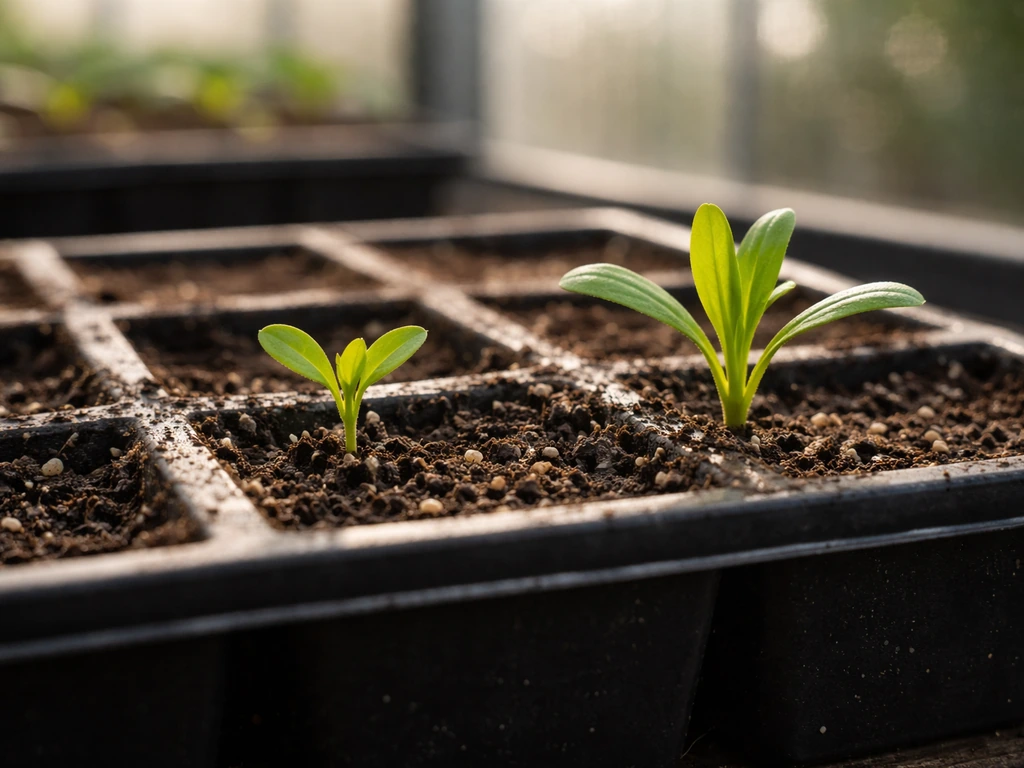
After germination, gazania seedlings are relatively easy to manage but they do need attention. In the first week after emergence, you'll see the cotyledons (seed leaves) open up. By weeks two and three, the first true leaves appear. True leaves on gazanias are elongated and slightly fuzzy, quite different from the rounder cotyledons. By weeks four and five, you should have a small but sturdy plant with several true leaves and a developing root system, which is the window for transplanting.
During the seedling stage, grow-on temperatures of 65 to 70°F during the day and 55 to 60°F at night work well and help produce stocky, compact plants rather than leggy ones. Don't rush transplanting if the weather isn't cooperating. A seedling that sits an extra week in its cell at the right temperature is better than one transplanted into cold soil.
Before transplanting outdoors, harden off your seedlings for about a week. Put them in a sheltered spot outside during the day and bring them back in at night. This acclimates them to wind, variable temperatures, and outdoor light levels so they don't sulk after transplanting.
How long until flowering and full maturity
From seed, expect your first gazania blooms around 12 weeks after sowing. That figure comes up repeatedly across multiple grower sources and matches what most home gardeners report. In controlled growing environments (like Click & Grow pods), flowers have appeared in as little as 50 days, but that's with optimized light, temperature, and moisture that most garden setups don't replicate.
Once flowering starts, gazanias bloom prolifically through summer and into fall, especially if you deadhead spent flowers regularly. The plants reach full maturity, meaning a fully established root system and consistent flowering, about 2 to 3 weeks after that first bloom appears. In Zone 9 and warmer, gazanias can overwinter and behave as short-lived perennials, flowering again the following year from the established plant rather than from seed.
Compared to some other flowers you might be growing from seed at the same time, gazanias are satisfyingly quick. Snapdragons and salvias often need similar lead times, while roses from seed can take a full year or more before you see a meaningful flower. Salvias are also commonly grown from seed, but their timeline can be different from gazanias, so it's helpful to know how long they take to grow.
If you're wondering how long snapdragons take to grow from seed, they typically need about 10 to 14 weeks to reach the first meaningful blooms, depending on conditions. Roses grown from seed usually take much longer, often about a full year or more before you see a meaningful bloom Roses from seed. Gazanias sit in a practical middle ground: not instant, but genuinely rewarding on a single-season timeline.
Troubleshooting slow or failed germination
If it's been more than 14 days and you're seeing nothing, don't panic yet, but do investigate. Here are the most common causes and what to fix:
| Problem | Likely Cause | What to Do |
|---|---|---|
| No sprouts after 14 days | Temperature too low or inconsistent | Check soil temp with a thermometer; add a heat mat if below 65°F |
| Patchy, uneven germination | Old or low-viability seed | Test remaining seeds on a damp paper towel; replace if under 50% germination |
| Sprouts appear then collapse | Damping off (fungal) | Remove cover, improve air circulation, reduce surface moisture |
| Surface crust forming | Heavy covering or fine soil compaction | Switch to vermiculite as covering; avoid heavy compost on the surface |
| Sprouts very leggy and pale | Insufficient light after emergence | Move to bright window or under grow lights immediately |
| Germination rate very low | Seed sown too deep | Stick to 3mm maximum depth; some seeds can be surface-sown with just a vermiculite dusting |
The most overlooked fix is temperature. Most germination failures I've seen with gazanias come down to seeds sitting in trays at 58 to 62°F on a cool windowsill instead of the 70°F they actually need. A cheap thermometer and a basic heat mat solve that problem completely.
Planning your planting calendar for your climate
The simplest way to build your gazania calendar is to work backwards from your last frost date. Find your local last frost date, then count back 8 weeks. That's your indoor sowing date. Count forward 12 weeks from your sowing date, and you have a realistic target for first bloom. For roses, you can use a similar seed-to-bloom planning approach to estimate when your plants will start flowering.
- Find your last average frost date (USDA zone maps or your local extension service are reliable sources)
- Subtract 8 weeks: this is your ideal indoor sowing date
- Add 12 weeks from your sowing date to estimate first bloom
- Plan your hardening-off period for 1 week before outdoor transplanting
- If direct sowing, wait until soil is consistently 65°F+ and frost risk is gone, then add 12 weeks for a bloom estimate
As a practical example: if your last frost date is May 1, sow indoors around March 6. Transplant outdoors in early May after hardening off, and expect first blooms around late May to early June, right as summer gets going. Lantana also has a predictable seed-to-flower timeline, so once you know your frost date and temperature conditions, you can estimate how long to grow lantana from seed.
In warmer climates (Zones 9 to 11), you have more flexibility. You can sow January through April indoors, or direct sow once winter rains ease and temperatures stabilize. Collie Flowers suggests sowing gazania indoors from January to April and lightly covering seeds with a fine sprinkling of vermiculite to a maximum depth of 3mm, then using a propagator or plastic bag until germination sow January through April indoors. Just keep in mind that the earlier you sow, the more of the flowering season you capture. Late sowing means late blooms, and in hot climates, gazanias can go semi-dormant in intense midsummer heat before rebounding in fall.
For colder climates (Zones 5 and 6), stick to indoor starts and aim for that 8 to 10 week head start. Rushing transplants outdoors before soil temps are up is one of the most common timing mistakes, and it sets plants back by weeks rather than saving time. Patient indoor growing and a proper hardening period will give you blooms almost as early as your climate allows.
FAQ
If my gazania seeds sprouted after 14 days, does that still mean I’ll bloom in about 12 weeks?
Not necessarily. A late start usually pushes the whole schedule back. If germination takes longer, expect first bloom to land roughly (12 weeks plus the germination delay), unless you also correct temperature and keep seedlings in bright light.
What should I do if germination is uneven, with some seeds sprouting and others not?
Keep the tray at the same target temperature (around 70°F/21 to 22°C) and maintain consistent moisture, do not let the surface dry out. After 2 to 3 more weeks with no new sprouts, remove remaining seeds and start a new sowing if you need flowers by a certain date.
Can I speed up gazania seed growth by soaking the seeds first?
Soaking can help some seeds, but for gazania it’s not a guaranteed shortcut and can backfire if you over-soak or let seeds get cold. If you try it, use room-temperature water briefly, then sow immediately and keep warmth steady for the first week.
How long should I keep seeds covered before removing the cover after sprouting?
Remove the cover as soon as the first sprouts emerge to reduce damping-off risk. After that, switch to bright light immediately and only use humidity domes or bags for short periods if seedlings look stressed.
Will higher temperatures make gazania bloom sooner, or does it only affect germination?
It mainly affects germination quality. Above the mid-70s°F (24°C), germination can become patchy and weakly rooted, which can delay flowering. For faster, reliable blooms, keep germination warm but then grow seedlings in the 65 to 70°F day range and cooler nights mentioned in the article.
Do I need to pinch or trim gazania seedlings to get earlier blooms?
Generally no. Pinching can sometimes encourage branching, but it may also add a small delay if you stress young plants. Focus on transplanting at the right stage and providing strong light, that’s usually what determines how soon buds appear.
Is direct sowing in the garden ever worthwhile if I want flowers as early as possible?
It’s usually a trade-off. Outdoors, you can gain simplicity, but you typically lose 6 to 8 weeks compared with an indoor start, so blooms shift later. If you direct sow, prioritize the earliest possible soil warmth (at least about 65°F) and protect young plants from cold snaps.
My seedlings got leggy, how can I fix it without restarting?
Leggy growth usually means they didn’t get enough light. Increase light intensity immediately, rotate trays regularly, and keep temperatures controlled (especially nights). You can transplant into deeper soil when ready, burying stems slightly to stabilize, but avoid doing this if the plants are still very young.
When should I transplant, how do I know they are ready besides counting weeks?
Count weeks as a guide, but use readiness signs too: multiple true leaves, a sturdy stem, and roots that can hold the plug together. If roots are tightly circling or seedlings look crowded, transplant on your next suitable warm day, but avoid moving them into cold soil.
How do I plan for first blooms if my last frost date is late or I’m starting later than 8 weeks?
Work backwards from the first-bloom target instead of the frost date. If you start fewer weeks indoors, expect a later bloom window and consider buying a few extra plants or sowing a second batch 1 to 3 weeks after the first to spread the flowering time rather than relying on a single sowing.
Can gazania be started in a container, and does that change how long it takes to bloom?
Yes, container culture can work, but the timeline won’t be much shorter than seedlings grown for transplanting. What changes is that roots may hit pot limits faster, so use a deep container and watch watering, root crowding can delay bud formation.
Next Article
How Long to Grow Lantana From Seed: Full Timeline
Complete lantana-from-seed timeline: sowing to germination, transplant, and flowering, plus tips to speed sprouting.