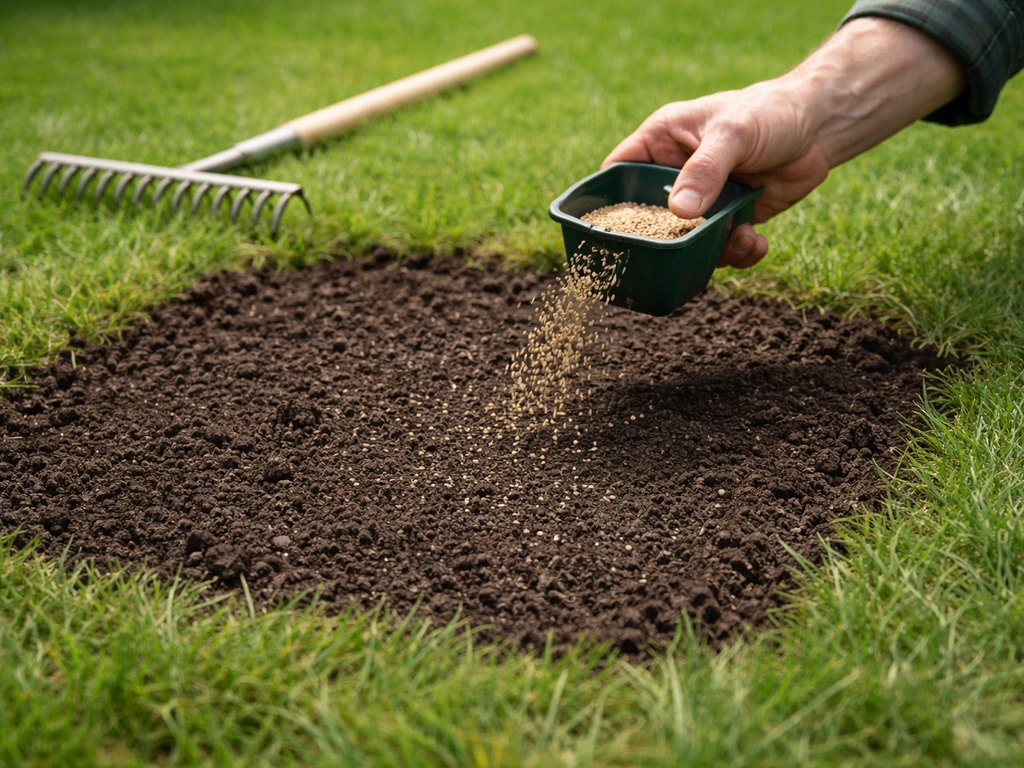
Buzzy Seeds is a seed brand that sells a wide range of varieties including vegetables, herbs, flowers, and specialty plants like succulents and bonsai. Most of their popular varieties, like lettuce, sunflowers, and herbs such as spearmint and lemon balm, germinate in 7 to 14 days. But some Buzzy varieties take considerably longer: strawberries can take 4 to 6 weeks to sprout, and bonsai spruce can take 1 to 2 months. The timeline from planting to harvestable size depends entirely on which variety you have, so the first step is knowing what you planted. To get a realistic answer to how long it takes for seed to grow, start with germination time and then add the extra time for seedlings to establish and reach harvest or usable size.
How Long Does It Take Buzzy Seeds to Grow?
Marcus Henley
19 May 2026
What "Buzzy Seeds" actually refers to
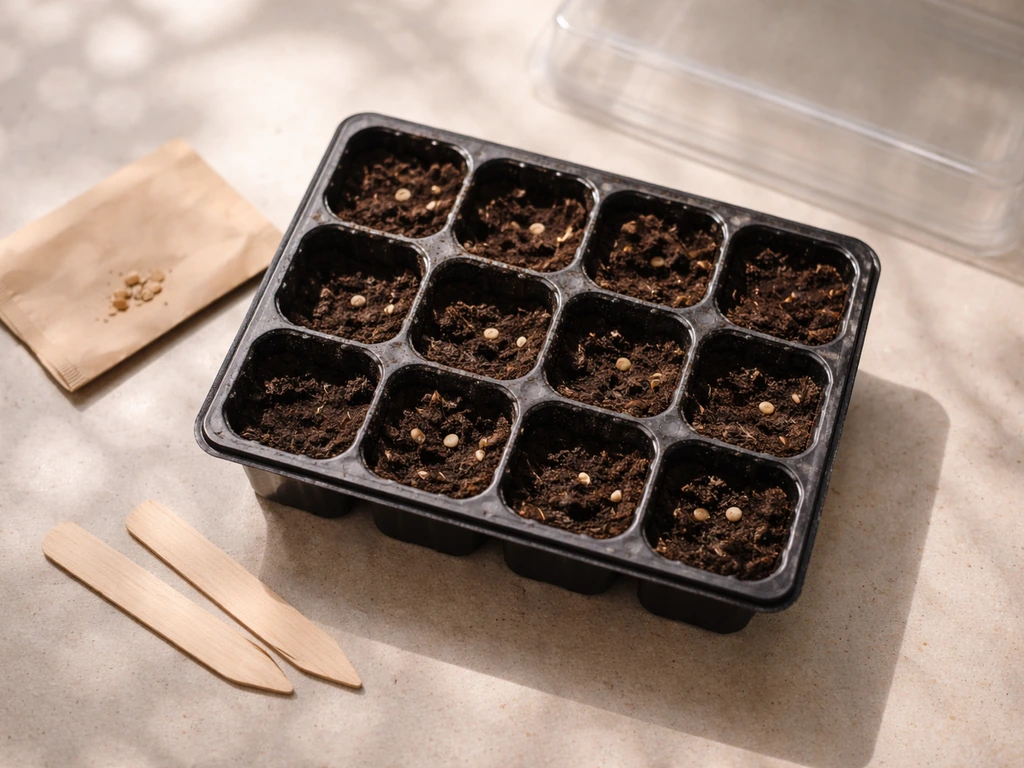
Buzzy Seeds (sometimes written as Buzzy's or Buzzy) is a Dutch seed company that produces a broad catalog of seed packets and seed kits. You might have picked up a packet at a garden center, received one in a gift set, or ordered online. Their range covers everything from fast-growing kitchen garden staples (radishes, zucchini, pepper cress) to herbs, wildflowers, succulents, and even bonsai tree seeds. Because the brand spans so many plant types, there's no single answer for how long Buzzy seeds take to grow. The correct timeline depends on the specific variety printed on your packet.
If you're not sure which variety you have, check the packet front or back. Buzzy packets usually include both the common name and the Latin species name, plus basic sowing depth and germination notes. Once you know your variety, the rest of this guide will help you map it to a realistic timeline.
How long germination actually takes
Germination is the window between planting and the moment a seedling breaks the soil surface. For most Buzzy varieties in the herb and vegetable category, you're looking at 7 to 14 days under good conditions. For Scott's EZ Seed specifically, check the packet for the listed germination window, then add the variety’s typical growth time after sprouting to estimate when you will have usable plants 7 to 14 days. That's the range for lettuce (sown about 1/4 inch deep), sunflowers (sown about 1/2 inch deep), lemon balm (surface-sown), and spearmint (surface-sown). It's a reassuring range because two weeks is fast enough to keep you interested without making you anxious on day three. If you are specifically looking for which seed grow fast in 3 days, start by choosing varieties known for rapid germination and make sure your temperature and moisture match their needs.
Some varieties sit outside that comfortable window. Organic Radish (French Breakfast) is listed in Buzzy's vegetable guide with a germination time of 4 to 6 weeks, which surprises a lot of people since radishes are often described as one of the fastest crops. Strawberry seeds take a similar 4 to 6 weeks. Shamrock seeds also follow variety-specific germination timing, so check the packet for the expected window Strawberry seeds take a similar 4 to 6 weeks. Bonsai spruce, on the other end of the spectrum, can take 1 to 2 full months to sprout. Zucchini is one of the fastest, germinating in about 8 to 10 days at around 70°F.
| Variety | Germination Timeline | Sowing Depth | Notes |
|---|---|---|---|
| Lettuce | 7–14 days | ~1/4 inch | |
| Sunflower (all varieties) | 7–14 days | ~1/2 inch | |
| Spearmint | 7–14 days | Surface sow | Needs light to germinate |
| Lemon Balm | 7–14 days | Surface sow | Needs light to germinate |
| Organic Zucchini (Black Beauty) | 8–10 days | Standard depth | Best at ~70°F |
| Pepper Cress (Organic) | 2–3 weeks | Surface sow | 55–75°F optimal |
| Organic Radish (French Breakfast) | 4–6 weeks | Standard depth | 55–75°F optimal |
| Strawberry (all varieties) | 4–6 weeks | Surface sow | Needs light to germinate |
| Succulent Mix | 14–30 days | Surface sow | |
| Bonsai Spruce | 1–2 months | ~1/4 inch | Soak seeds 24 hrs before planting |
One important note for light-requiring seeds: lemon balm, spearmint, and strawberry should not be covered with soil at all. If you bury them, they may simply not germinate. If you need to cover them for moisture retention, use only a very light dusting of fine vermiculite or peat moss. Covering these seeds with a full layer of soil is one of the most common reasons they fail to sprout.
The seedling stage: what happens after sprouting
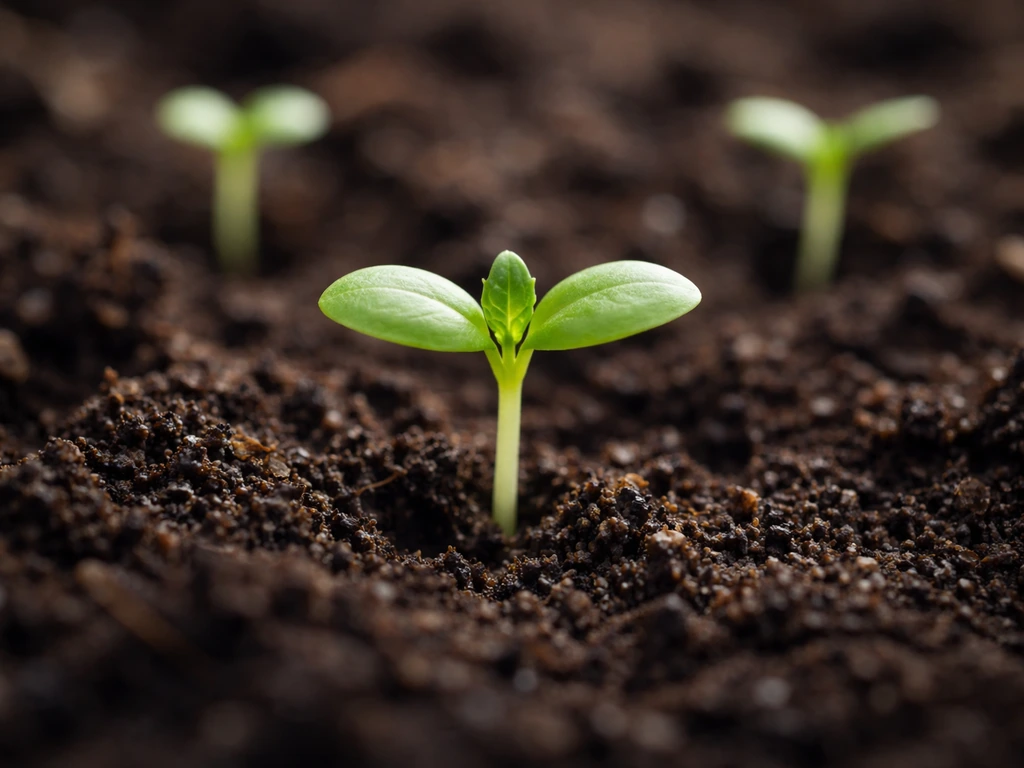
Once a seedling pushes through the surface, you're in the establishment phase. This is where things can look deceptively slow. The first leaves you see are cotyledons (seed leaves), not the plant's true leaves. They're usually small, round, and unremarkable. Don't read too much into them. What you're waiting for is the second set of leaves, called the first true leaves, which look like the actual plant.
Buzzy's own guide uses the second set of leaves as a key milestone: that's when you should start watering with fertilizer mixed at half-strength. It's a good rule of thumb for general care timing too. From sprouting to that second-leaves stage typically takes another 1 to 2 weeks depending on the variety and conditions. For zucchini, Buzzy recommends thinning seedlings when they have 3 to 5 leaves; for radish, thinning happens when seedlings reach 2 to 3 leaves. These are practical cues you can watch for rather than trying to count days.
From seedling to harvest: the full timeline
The gap between a sprouted seedling and a plant that's actually useful to you is where most people underestimate the timeline. Here's how it breaks down for a few key Buzzy varieties.
Pepper cress is one of the fastest crops in Buzzy's catalog. You can harvest micro leaves just 5 to 7 days after sowing, and baby leaves by day 12 to 15. The plant will regrow after cutting, which makes it one of the best options if you want something green and edible quickly. Zucchini (Black Beauty) reaches maturity in about 45 days from sowing, but Buzzy specifically recommends picking often when the fruit is 4 to 5 inches long rather than waiting for full size. That early-harvest window starts well before day 45 and actually produces better-quality squash. Radish (French Breakfast) reaches maturity at 45 to 50 days from sowing, which is longer than many gardeners expect. Strawberries are the long game: after their 4 to 6 week germination, you're looking at an extended growing season before any fruit appears.
| Variety | First Usable Harvest | Full Maturity |
|---|---|---|
| Pepper Cress | 5–7 days (micro leaves), 12–15 days (baby leaves) | 10–15 days |
| Organic Zucchini (Black Beauty) | Pick at 4–5 inches long | ~45 days from sowing |
| Organic Radish (French Breakfast) | Can thin and eat young plants | 45–50 days from sowing |
| Lettuce | Outer leaves can be harvested early | Varies by type; cut-and-come-again possible |
| Strawberry | Following season in most climates | Long growing season after germination |
What actually changes the timeline
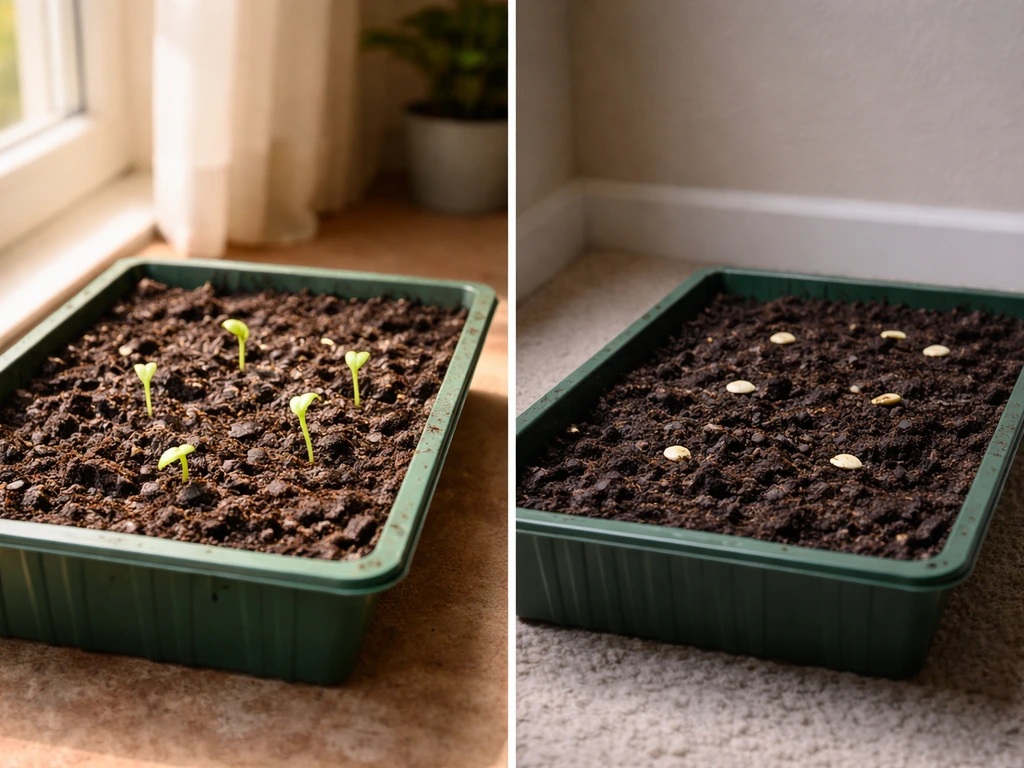
Temperature is the biggest lever. Zucchini, for example, germinates best around 70°F, and Buzzy recommends waiting until nighttime temperatures consistently stay above 50°F before sowing cucumbers and zucchini outdoors. Radishes and lettuce can go in much earlier, as soon as the soil can be worked in early spring. When you plant outside those temperature windows, germination slows significantly or stops. If your seeds are sitting in cold, wet soil, they're not going to sprout on schedule no matter what the packet says.
Moisture is the second factor. The growing medium needs to blank" rel="noopener noreferrer">stay consistently moist but not soggy throughout germination. Penn State Extension notes that risk factors for damping-off include keeping even soil moisture and that high soil temperatures after emergence (above about 25°C/77°F) can contribute to the problem blank" rel="noopener noreferrer">risk damping-off, a fungal condition that kills seeds and seedlings. This sounds simple, but it's easy to get wrong in both directions. Too dry and the seed can't absorb enough water to trigger germination. Too wet and you risk damping-off, a fungal condition that kills seeds and seedlings at or just below the soil surface. University extension research consistently identifies overwatering and waterlogged conditions as the top driver of damping-off. Frequent small waterings are better than occasional heavy soakings, especially for young seedlings.
Light requirements, seed depth, soil condition, and seed age all matter too. Light-requiring seeds (lemon balm, spearmint, strawberry) simply will not germinate if buried. Heavy clay soils or compacted growing medium can prevent seedlings from pushing through even after they've sprouted underground. And older seeds have lower viability rates: a packet from three years ago may germinate at 30% of its original rate, which means longer apparent wait times because fewer seeds are activating at once.
- Temperature: stay within the variety's recommended range; most vegetables want 55–75°F for germination
- Moisture: keep medium consistently damp, never soggy; water little and often
- Light: surface-sow varieties that need light; don't cover them with soil
- Sowing depth: covering seeds too deeply delays or prevents emergence
- Soil quality: avoid compacted or clay-heavy mixes for seed starting; use clean, fresh seed-starting mix
- Seed age: fresher seeds germinate faster and at higher rates; older seeds may be slow or nonviable
- Season: planting outside the recommended window (too early or too late in the season) delays germination
Troubleshooting slow or failed germination
If your Buzzy seeds haven't sprouted and you're past the expected germination window, work through these checks before giving up or resowing.
- Check your moisture level first. Dig gently to feel the soil an inch down. If it's dry, that's likely your problem. Start watering more consistently and give it a few more days.
- Check the temperature. If you're growing indoors, measure soil temperature, not just air temperature. Cold windowsills can read 10–15°F colder than room temperature. A heat mat can bring soil temperature into the right range for faster germination.
- Verify sowing depth. If you covered light-requiring seeds (lemon balm, spearmint, strawberry) with soil, carefully move the medium aside and re-expose them to light, or resow on the surface.
- Look for damping-off symptoms. If seedlings appear and then collapse at the soil line, that's damping-off. Remove affected plants immediately to prevent spread, improve drainage, and reduce watering frequency. Use clean water and avoid garden soil in seed trays.
- Consider seed viability. If conditions are right and nothing has sprouted after twice the expected germination window, the seeds may not be viable. For bonsai spruce, try soaking seeds for 24 hours before a fresh sowing attempt.
- Don't resow immediately out of impatience. Give viable seeds a fair window, especially for slower varieties. Strawberries at 3 weeks with no sprouts aren't necessarily dead; they may just need the full 6 weeks.
One thing worth knowing: damping-off spreads between neighboring seedlings. If you see one seedling collapse, don't wait to see if others follow. Remove it, let the medium dry out slightly, and improve airflow. This is especially relevant when starting seeds in enclosed trays or under humidity domes.
Planning your planting schedule around Buzzy's timelines
The most practical thing you can do today is work backward from when you want to harvest or have plants in the ground. If you want zucchini ready by mid-July and you're in a zone where nighttime temps clear 50°F around late May, you have a tight window. Zucchini germinates in 8 to 10 days and reaches harvest size in about 45 days, so seeds sown in late May should produce pickable squash by mid-July. If you want a quick answer, focus on the variety, then add its germination time to the typical seedling and harvest stages for an estimated total timeline how long to grow. Radishes take 45 to 50 days total, so a late-March sowing gives you radishes by mid-May.
For crops like radish and lettuce, Buzzy specifically recommends successive sowing. Instead of putting all your seeds in at once, sow a small batch every week or two through mid-spring, then again in late summer. This staggers your harvest so you're not drowning in radishes one week and waiting weeks for more. It's a simple technique that dramatically improves the practical value of a single seed packet. To dial in scotts ez seed how long to grow expectations, use the packet’s listed germination and then add the variety-specific days to harvest.
Seasonality matters a lot for outdoor sowing. Radishes go in as soon as soil is workable in early spring. Zucchini and cucumbers wait until late spring after the soil has warmed. Strawberries started from seed are a long-game crop that will need consistent care over many months. If you're starting any seeds indoors to transplant later, Buzzy recommends gradually acclimating seedlings to outdoor light and temperature over several days before moving them outside permanently, a process called hardening off, to prevent transplant shock.
If your growth ends up running slower than expected, don't panic or scrap the planting. Shift your harvest expectations by the same number of days the germination was delayed. A seed that took 12 days to sprout instead of 7 will likely reach maturity about 5 days later than the packet says. The milestones (second set of leaves, thinning stage, fruit size) are better guides than calendar dates anyway, because they reflect actual plant development rather than assumptions about your specific conditions.
If you're also working with other seed products and wondering how timelines compare, the ranges for Buzzy seeds are broadly similar to what you'd find across most seed brands. Fast-germinating varieties sprout in under two weeks regardless of who made the packet; the biology is the same. The brand matters more for seed quality, freshness, and the accuracy of the instructions than for the fundamental germination biology of the plant itself.
FAQ
If Buzzy seeds take longer than the germination window, should I resow or troubleshoot first?
Check conditions before resowing. Cold or waterlogged soil can stall germination without killing the seed, so verify temperature and drainage first, then do a quick “rescue” test by moving a small starter tray to warmer conditions (still keeping moisture consistent). If you see no change after several additional days, then resowing is reasonable, but expect new plants to shift your harvest date by the same extra delay.
How can I tell whether my seeds are actually failing, or just dormant due to cold?
Look at whether the soil has stayed consistently moist but not soggy, and whether temperatures are within the crop’s typical range. For many warm-season types (like zucchini or cucumbers), you may see no sprouting until nights are reliably warm, then a burst of germination can follow within days. If the medium dried out repeatedly, that is more likely to reduce viability than just delay it.
Do the listed days to germination change if I start indoors versus outdoors?
Yes, mainly because temperature and light exposure differ. Starting indoors often stabilizes temperature and moisture, which can move you toward the low end of the germination range. Outdoors, swings in nighttime temps and sun intensity can extend the timeline, even if the packet window seems short.
How should I manage watering when seeds are germinating but I cannot see them yet?
Keep the surface evenly moist and avoid letting the growing medium turn into a wet, compacted layer. A common approach is misting or bottom-watering trays so you do not blast seeds deeper than the listed depth or wash them around. If seedlings start collapsing, improve airflow and reduce saturation immediately to limit damping-off.
Should I soak Buzzy seeds before planting to speed germination?
Only do this when the packet or the seed type specifically supports it. Soaking can help some seeds, but it can also trigger early sprouting that then gets damaged by cold or dry conditions. If you try soaking, keep it brief and plant promptly into consistently moist, non-soggy media.
Why did my light-requiring seeds (like lemon balm, spearmint, or strawberry) not sprout even though I kept them moist?
Most failures with light-requiring seeds come from burial. Even a thin soil cover can be enough to prevent emergence. If you need moisture retention, use only a very light dusting over the surface, and consider using a propagation dome for humidity rather than adding more soil.
Does seed age affect germination time or just the germination rate?
Both, but the main effect is reduced germination rate (fewer seeds sprout). That can make the garden look like it is taking longer because you have less total emergence at once. Expect a staggered, patchier timeline with older seed, and prioritize germination conditions rather than adding extra days by assumption.
How much should I thin seedlings, and does thinning change the harvest date?
Thinning affects plant spacing and vigor, but it usually does not dramatically shift the calendar unless you thin too late or damage roots. For example, thinning at the 3 to 5 leaf stage for zucchini keeps plants from competing, which can protect maturity timing. If you delay thinning, growth can slow due to overcrowding, pushing harvest later.
If I use successive sowing, how do I avoid overlapping harvests for fast crops?
Stagger sowings by variety-specific time windows, not just weekly. For crops like radish where maturity is fairly consistent, sow smaller batches and slightly larger gaps if the weather is warming fast, since higher temperatures can speed development. If you notice earlier maturity than expected, reduce the next batch size or shift the start later.
Can I speed up growth after sprouting, or is the timeline fixed?
You can often reduce delays tied to conditions, but you cannot force biology past the basic growth rate. After emergence, stable temperatures, adequate light, and correct feeding (for example, starting fertilizer at the recommended stage such as the second set of leaves) help seedlings reach milestones sooner. Major accelerators like heavy fertilizing or overwatering usually backfire.
What should I do if I suspect damping-off in my seedlings?
Act right away. Remove the collapsed seedlings, let the medium dry slightly, improve airflow, and avoid frequent overwatering. If you are using a humidity dome, vent it regularly once you see emergence to lower leaf and soil saturation, since damping-off spreads quickly in enclosed, damp conditions.
How do I estimate total time from sowing to harvest if my conditions are different from the packet?
Add phases, not just germination. Use the packet’s germination window as the first segment, then add variety-specific seedling establishment and your typical harvest stage, but shift the whole estimate by the number of days your germination was delayed. Also rely on plant milestones like first true leaves or fruit size cues, since those reflect your actual conditions better than dates.
Next Article
Scotts EZ Seed How Long to Grow: Patch and Repair Timelines
Scotts EZ Seed patch timelines from sprouting to blend-in maturity, with checkpoints, troubleshooting, and growth factor