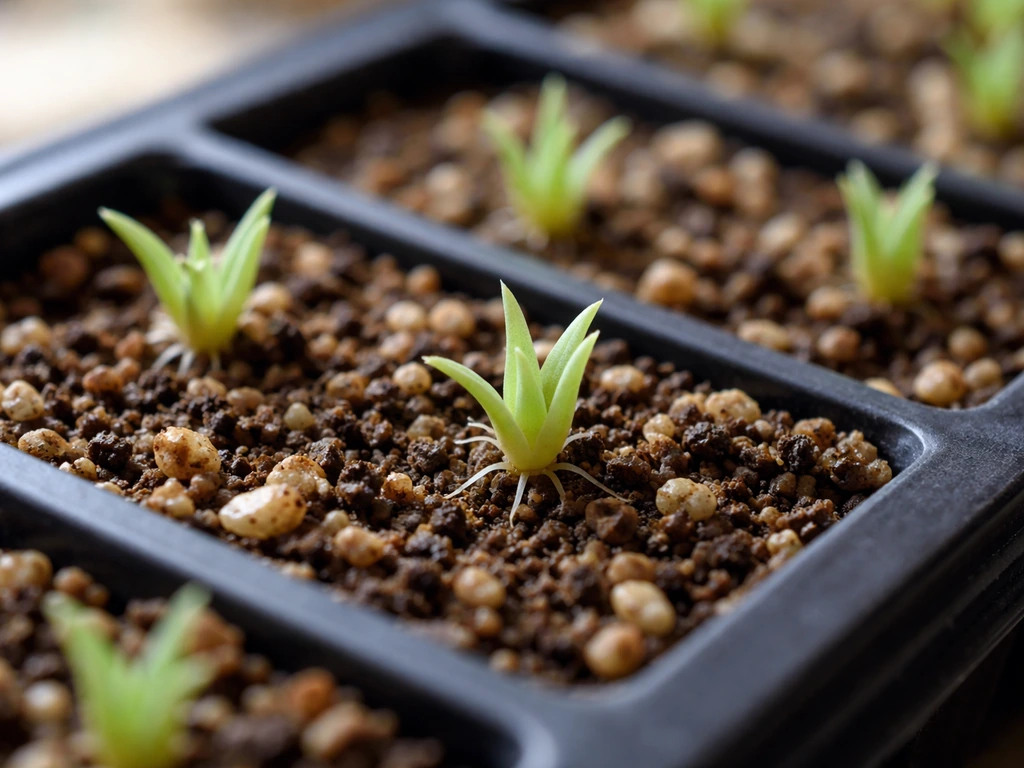
Cycad seeds can take anywhere from a few weeks to well over a year to germinate, depending on the species, how fresh the seed is, and whether conditions are right. The most popular home cycad, Cycas revoluta, typically germinates in one to three months at 28–30°C with fresh seed. Zamia species often sprout within a month. Dioons can pop surprisingly fast. But Macrozamia and Encephalartos? You could be waiting three months to a year or more, and that's completely normal. The single biggest mistake most people make is declaring the seed dead too early.
How Long Do Cycad Seeds Take to Grow From Seed
Marcus Henley
20 May 2026
Realistic timeline from seed to sprout (and beyond)
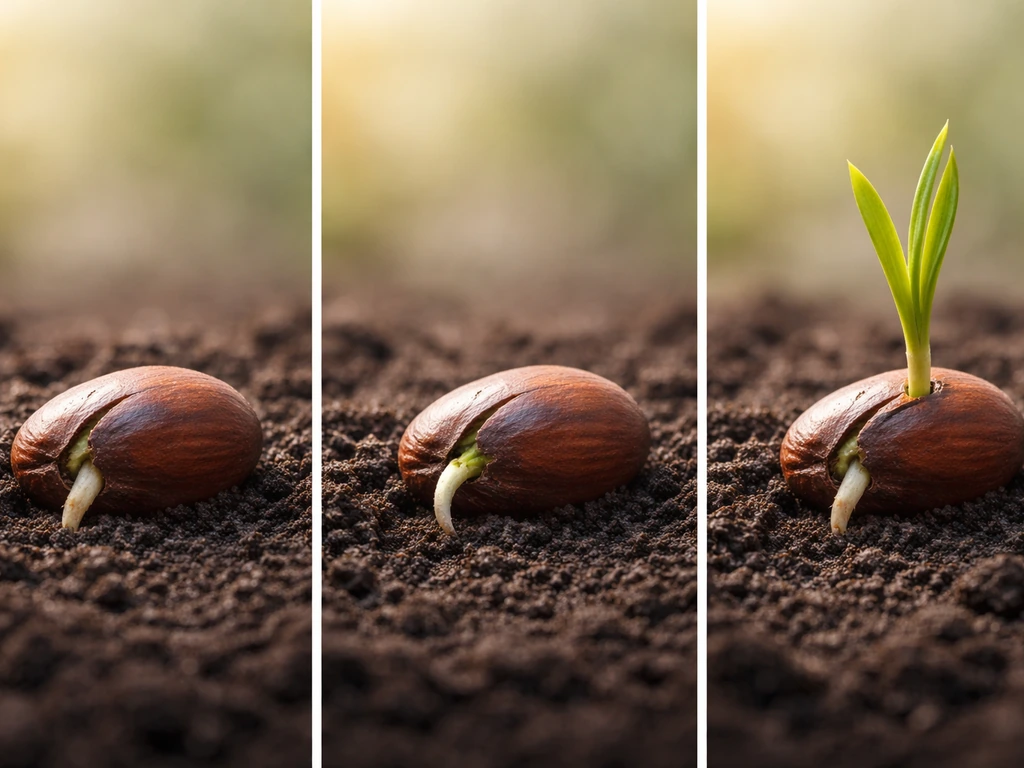
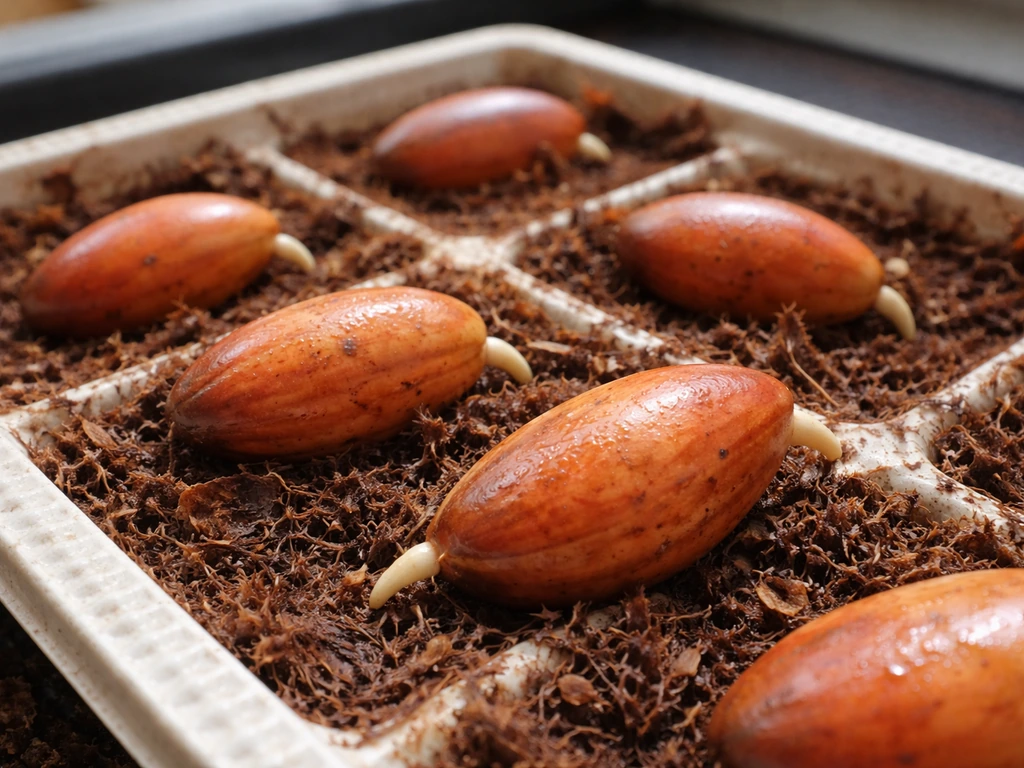
Here's what the full journey actually looks like, broken into stages. These aren't theoretical ranges either. They're what you can realistically expect when conditions are correct.
| Stage | What happens | Typical timeframe |
|---|---|---|
| Germination (radicle emergence) | The root tip breaks through the seed coat | 2 weeks to 12+ months (species-dependent) |
| First leaf (cataphyll) | A scale-like protective leaf pushes up | 1–3 months after radicle emerges |
| First true frond | The first proper leaf unfurls | 3–6 months after germination begins |
| Seedling established in pot | Root system developed, growing independently | 6–12 months post-germination |
| Young plant (nursery bag / permanent pot) | Moved to a proper container, feeding on its own | 10–18 months from germination |
| Mature plant producing offsets or cones | Years away — typically 5–15+ years depending on species | 5–15+ years from seedling stage |
The frustrating thing about cycads is that 'growing from seed' is a genuinely long game. If you're wondering how long to grow seeds indoors, plan your schedule around months of monitoring, not days, because germination speed is strongly species-dependent. You're not just waiting for a sprout. You're committing to months of monitoring before a seedling is even self-sufficient. The Encephalartos nubimontanus, for example, doesn't get moved into a nursery bag until around 10 months after germination. Keep that in mind when you're planning space and time.
Which species germinates fast, and which one will test your patience
Species matters more with cycads than almost any other seed type. Two seeds sitting side by side on your heat mat can have completely different clocks. Here's a genus-level breakdown of what to expect:
| Genus | Typical germination window | Notes |
|---|---|---|
| Cycas revoluta | 1–3 months | Most common home species; responds well to 28–30°C and soaking |
| Cycas taitungensis | Around 17+ weeks for peak germination (58–60% final rate) | Temperature regime has a measurable effect on final percentage |
| Zamia (tropical species) | As little as a few weeks to 1 month | Among the fastest cycad germinators; freshness still critical |
| Dioon | Can sprout almost immediately to a few weeks | Often the fastest-responding genus in good conditions |
| Macrozamia | 3–12 months | Wide range; requires patience and consistent conditions |
| Encephalartos | 3–12+ months | Viability declines fast; wait at least 12 months before giving up |
Seed freshness cuts across all of these. No matter the genus, a fresh seed that went from plant to your hands quickly gives you the best shot. Cycad seeds have no true dormancy, which means they aren't designed to sit in a bag for six months waiting to be planted. Viability drops over time, and with some genera it drops fast. If you're buying seeds, find out when they were harvested. If you can't get that information, treat them as lower-viability and adjust your expectations accordingly.
The conditions that actually move the needle on germination speed
Temperature is the biggest lever
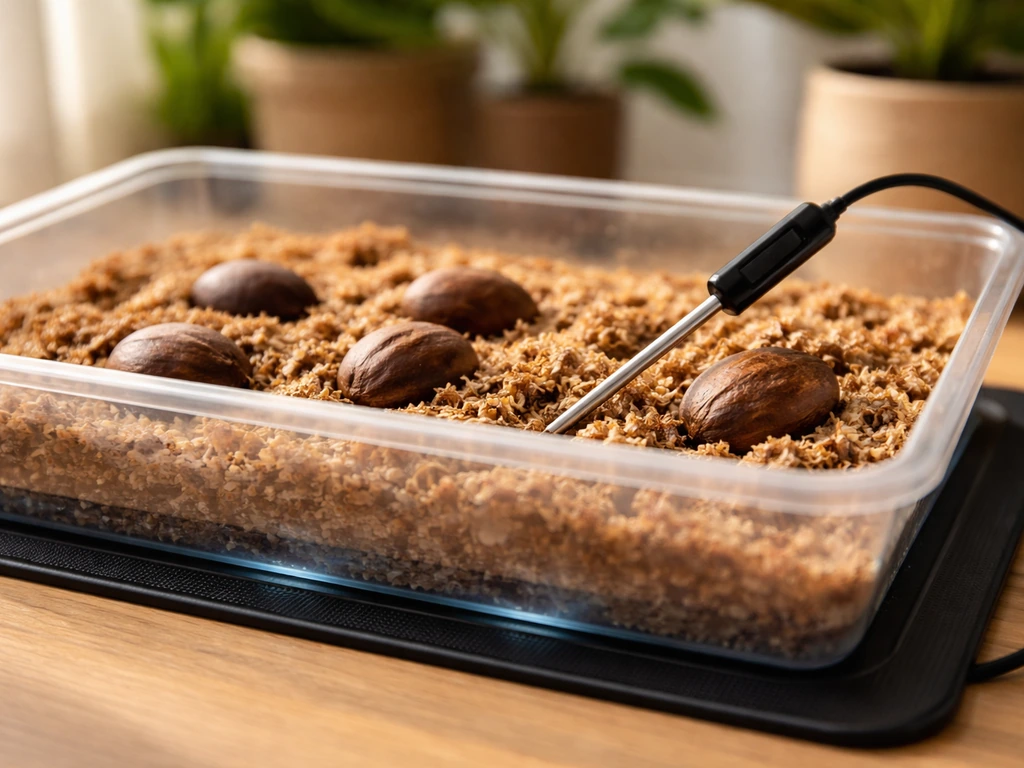
Cycads are warm-climate plants and their seeds behave accordingly. The optimal substrate temperature for germination is 28–30°C. For growing seedlings after germination starts, you can dial it back slightly to 25–28°C. Aim for daytime air temperatures of 25–30°C and nights no colder than 18–22°C. This matters more than most people realise. A study on Cycas revoluta found that seeds given two months of warm stratification at 30°C achieved significantly higher germination rates than untreated controls, which only hit 25%. Temperature isn't just comfort for these seeds. It's the trigger.
Humidity and moisture balance
High humidity helps, especially during the germination phase. Aim for above 90% relative humidity if you're using a closed germination chamber setup. For substrate moisture, you want it consistently damp but never waterlogged. A practical visual cue: the substrate should show a dark, moist patch around the seed but should never have standing water. Cycad seeds sitting in soggy substrate will rot before they sprout. This is one of the most common failures.
Substrate choice and sowing depth
Vermiculite is the most widely used substrate for cycad seed germination, and for good reason. It holds moisture evenly, drains excess water, and doesn't compact around the seed. Plant seeds half-buried in the vermiculite rather than fully covered or just sitting on top. This positioning keeps the seed moist while still allowing the emerging radicle to push downward naturally. Some growers mix in perlite or coarse sand for extra drainage, which helps reduce rot risk in warm, humid setups.
Pre-soaking and handling: what actually works
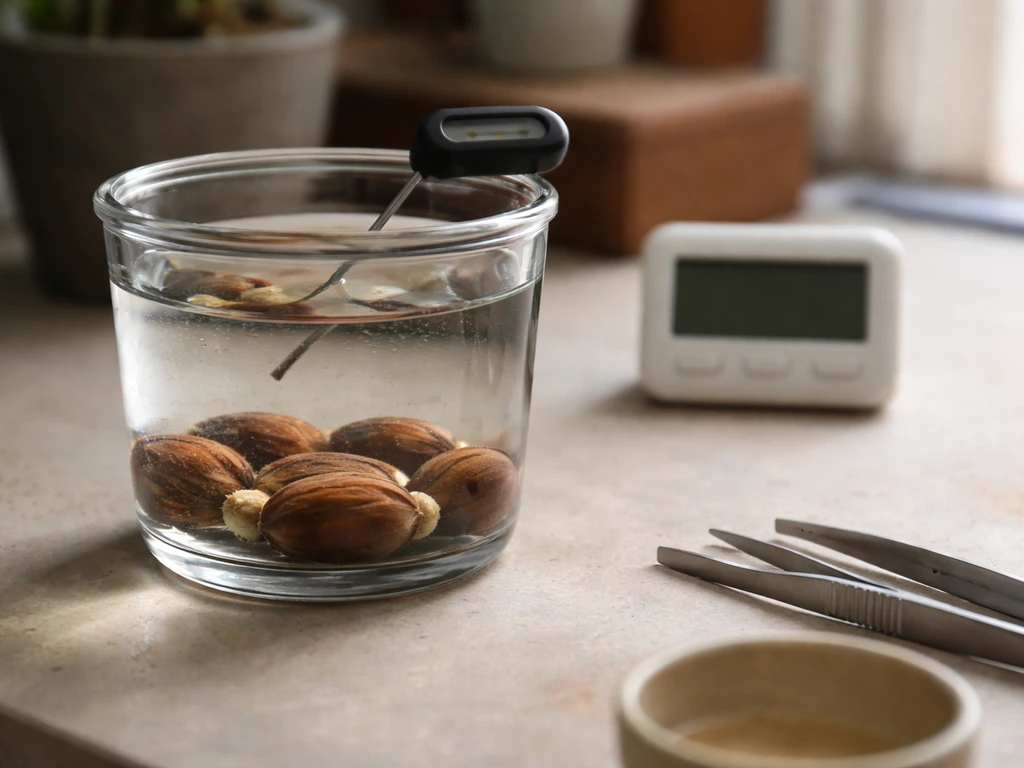
Before the seed ever touches your substrate, soak it. For Cycas revoluta and most common genera, soak in lukewarm water around 25°C for 48 to 72 hours. Some sources recommend 24 to 48 hours specifically for Cycas revoluta, and that range works well in practice. The goal is to fully hydrate the seed and soften the outer coat to make germination easier. Change the water once during soaking to reduce the chance of mold developing.
Optional but worth considering: add a small amount of 3% hydrogen peroxide or a systemic fungicide to the soak water. This reduces the risk of mold taking hold before germination begins, which is a real problem in warm, humid germination setups. Some propagators working with older or suspect seeds also use a gibberellic acid (GA3) soak, which has shown benefits for aged Cycas revoluta seeds in particular.
Scarification (nicking or lightly abrading the seed coat) can speed up water uptake for seeds with a particularly hard sclerotesta. It's optional for fresh seeds with intact, slightly soft outer coats, but worth doing on any seed that feels rock-hard. Chemical scarification with concentrated sulfuric acid has been used in research settings for Zamia and Cycas, but that's not practical or necessary at home. A Royal Botanic Garden Edinburgh (RBGE) cycad seed germination literature review notes that prior work for Zamia and Cycas reported improved germination using chemical scarification with concentrated sulfuric acid. A gentle nick with a sharp knife at the non-embryo end (opposite the point) is all you need.
What to avoid: Don't use cold water for soaking. Don't skip the soak entirely. Don't plant into heavy potting mix or regular garden soil for germination. And don't keep seeds in sealed plastic bags for storage without proper humidity control, as this accelerates viability loss.
When nothing happens: troubleshooting slow or failed germination
If weeks or months pass with no movement, run through this checklist before assuming the seeds are dead.
- Check your temperature. The most common reason for no germination is that the substrate isn't warm enough. A cheap soil thermometer will tell you if your heat mat is actually delivering 28–30°C at seed depth or just warming the surface.
- Check your moisture level. Lift the seed and inspect the substrate. Too dry (no dark moisture patch) means the seed hasn't been getting enough hydration. Too wet means you risk rot starting.
- Inspect the seed for rot. A healthy cycad seed that's germinating will feel firm and may show a slight swelling. Soft, discolored, or foul-smelling seeds have rotted and won't recover.
- Test viability with a tetrazolium (TZ) test. A tetrazolium test stains live tissue pink-red through enzyme activity and can give you an answer within two days. It's available through seed labs and some garden suppliers. This is far more reliable than waiting and guessing.
- Check for fungal growth on the substrate. White mold on vermiculite doesn't always mean the seed is dead, but it does mean conditions are too moist or not sterile enough. Remove moldy substrate, treat with a dilute fungicide, and re-set.
- Reconsider the seed's age and source. If you bought seeds without a harvest date and they're showing no activity after three to four months in correct conditions, they were likely already low-viability when you got them.
The most important rule: don't give up too soon. For Encephalartos and Macrozamia especially, wait at least 12 months in correct conditions before declaring a seed dead. These genera are genuinely slow and a seed sitting quietly at 28°C for eight months can still be alive. The USDA reports that Zamiaceae seeds as a family often take 6 to 12 months to germinate. Patience here isn't just virtue. It's strategy.
After the sprout: what comes next and how long it takes
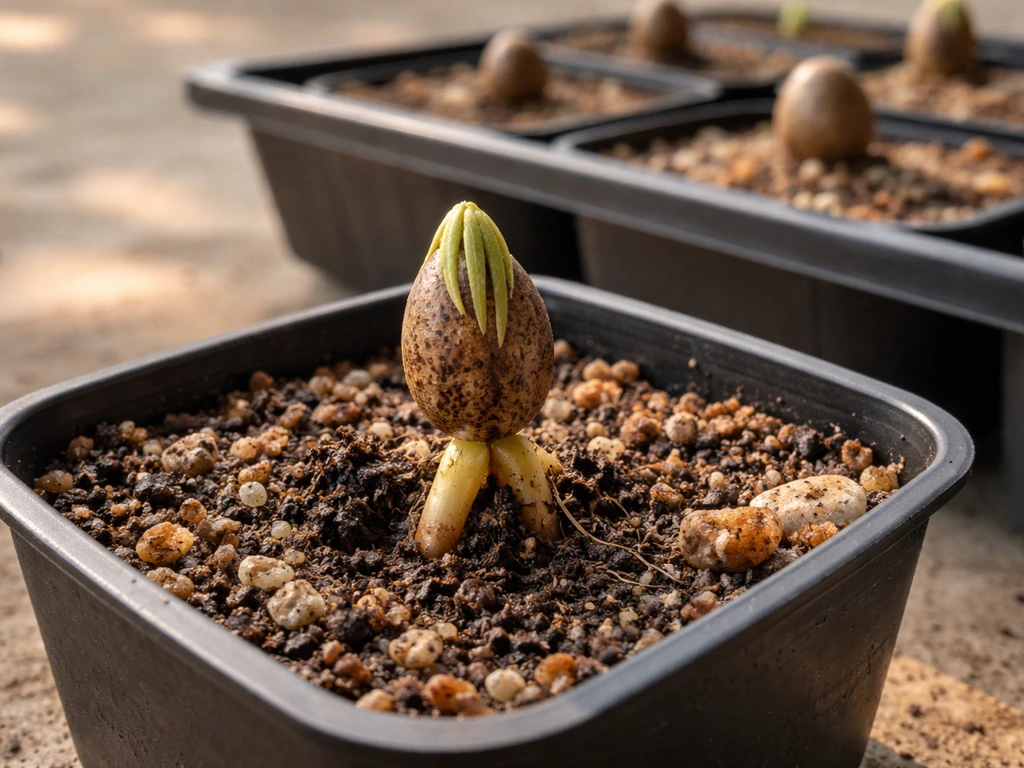
Seeing the radicle emerge is exciting, but the seedling still needs months of careful management before it's genuinely established. Tetrazolium (TZ) tests can help estimate seed viability quickly, with warm-germination results described as taking about two days ISU Seed Lab. Once the radicle is visible, keep conditions stable. Don't move the seed, reduce humidity, or drop temperatures. The cotyledonary petiole (the stalk connecting seed to seedling) will still be feeding the young plant from the seed's reserves.
The first cataphyll (a scale-like protective leaf) usually appears one to three months after germination begins. The first real frond comes a few months after that. At this point the plant is photosynthesising for the first time and you can slowly introduce more light, though keep it filtered and avoid harsh direct sun on very young fronds.
By 10 to 18 months from initial germination, most seedlings are ready to be potted up into a proper nursery container with a well-draining cycad or palm mix. For aquarium seeds, the timeline can be very different, so it helps to know what species you have and the water and temperature conditions you're providing how long do aquarium seeds take to grow. This is the point where they stop depending on seed reserves entirely and are growing on their own. Don't rush this transition. Moving a seedling to a larger pot before its root system is ready is a common way to lose months of progress.
Beyond that, you're looking at years. Cycads are among the slowest-maturing plants you can grow from seed. Autoflower seeds are much faster than cycads, so if you want to know how long do autoflower seeds take to grow, the timeline is usually measured in weeks rather than months.
Getting to a full, mature plant with a recognizable trunk and the potential to cone or produce offsets takes anywhere from 5 to 15 or more years depending on the species and growing conditions. This is worth knowing upfront so you're planning for a long-term garden fixture, not a quick ornamental. Compared to something like sedum or cosmos, which you can go from seed to bloom in weeks or months, cycads are a completely different investment.
Cosmos are much faster, and from seed to bloom usually takes only weeks to a few months depending on variety and conditions.
Planning your planting schedule for right now
Since today is May 20, 2026 and you're in the Northern Hemisphere's late spring, you're in a good window to start cycad seeds if you can provide the right temperatures indoors. Cycad germination is driven by substrate warmth, not outdoor seasons, so as long as you have a heat mat and a warm space, late spring and summer are ideal because ambient temperatures support the process and reduce the energy load on your heating setup. If you're wondering how long summer seeds take to grow, the same idea applies: warmth and consistent moisture matter more than the calendar late spring and summer are ideal.
If you're in the Southern Hemisphere, you're heading into late autumn and approaching winter. You can still germinate cycad seeds successfully, but you'll need to be more deliberate about maintaining substrate temperatures with a heat mat rather than relying on ambient warmth. Don't skip indoor heat control just because temperatures feel mild.
Here's a practical starting checklist to get going this week:
- Source the freshest seed possible. Ask for a harvest date. If buying online, choose a reputable cycad nursery that harvests to order rather than selling stockpiled seed.
- Soak seeds for 48–72 hours in lukewarm water (around 25°C), optionally with a small amount of 3% hydrogen peroxide.
- Prepare your germination setup: a container of moist vermiculite on a heat mat set to 28–30°C substrate temperature, in a location where you can maintain high humidity (a humidity dome or plastic bag over the container works well).
- Half-bury each seed in the vermiculite and label with the date and species.
- Check weekly. Add a small amount of water if the substrate is drying out. Remove any seeds showing soft rot immediately to protect neighbors.
- Set a calendar reminder for 12 months from now as your 'official' viability deadline, not sooner — especially for Encephalartos and Macrozamia.
If you're also experimenting with other slow-growing ornamentals from seed, aloe vera is a useful comparison point since it shares some of the same patience requirements, though its germination is generally faster. Aloe vera seeds usually germinate faster than many cycad species, but the exact timing depends on warmth, freshness, and moisture. The core principle is the same: consistent warmth, correct moisture, and realistic timelines. With cycads, the reward for patience is a living fossil in your garden that can outlive you. That's not a bad trade for a few months (or a year) of waiting.
FAQ
How long do cycad seeds take to grow if they are fresh and I keep everything perfect?
Even with fresh seeds and ideal warmth (around 28 to 30°C), plan on at least 1 to 3 months before you see a radicle. After that, the seedling still typically needs several additional months before you up-pot, with many genera not ready for nursery containers until roughly 10 to 18 months after germination begins.
If my cycad seeds have not germinated after three months, should I discard them?
Not automatically. For some genera, especially Encephalartos and Macrozamia, it is normal to wait 12 months or longer in correct conditions. A quiet seed at warm temperatures can still be viable, so keep monitoring before assuming failure.
Why do two cycad seeds in the same tray germinate at very different times?
Species and seed age drive most of the timing differences. Even within the same genus, individual seed viability and moisture uptake can vary, so one seed may sprout early while another follows months later. Use the species and harvest freshness to set your expectations more than the uniformity of your setup.
What is the biggest reason cycad seeds fail even when I provide warmth?
Overwatering and rot from consistently waterlogged substrate. Cycad seeds need damp conditions, not standing water. If the substrate stays saturated or smells sour, the seed can rot before the radicle emerges.
Do cycad seeds need light to germinate, or is warmth enough?
Most cycad germination is primarily temperature-driven, not light-driven. You can keep germination mostly focused on substrate warmth and high humidity. Light becomes more relevant after the first cataphyll appears, when you can gradually increase light without blasting fragile new fronds.
Can I speed up how long cycad seeds take to grow by using a soak or scarifying?
A warm soak (commonly 48 to 72 hours at about 25°C) can improve hydration and soften the coat, and gentle nicking can help water uptake on very hard seeds. However, these steps may not shorten germination dramatically for older or low-viability seeds, and they can also increase the risk of rot if humidity and moisture balance are off.
How do I know whether a cycad seed is alive when nothing happens?
Avoid judging by the seed coat appearance alone. Instead, keep the seed in controlled warm, damp conditions and monitor over time, especially for slow genera. If you do inspect, look for signs of decay (mushy, foul odor, collapse) rather than just lack of sprout.
Should I keep cycad seeds in a sealed plastic bag to maintain humidity?
Not unless you can manage humidity and avoid constant condensation and sogginess. Sealed bags without control tend to accelerate viability loss and can encourage mold. If you use a storage bag, prioritize stable humidity and airflow management, or use the germination substrate method instead.
How long does it take cycad seedlings to become stable enough to up-pot after the radicle appears?
After the radicle emerges, the seedling still relies on seed reserves for a while. Many seedlings are not ready for a proper nursery container until roughly 10 to 18 months from initial germination, so resist the urge to up-pot early, since premature potting is a common cause of setbacks.
Does the germination timeline change if I am growing aquarium cycad seeds or seeds from water?
Yes. Water-based seeds often follow a very different schedule because conditions, oxygen exposure, and hydration dynamics differ. Use the specific species and your water and temperature setup to estimate timing, since it may not match the typical land-based substrate ranges.
Next Article
How Long Do Aloe Vera Seeds Take to Grow? Timeline
Learn aloe vera seed growth timeline, from germination to potting size, plus tips to prevent rotting and speed sprouting