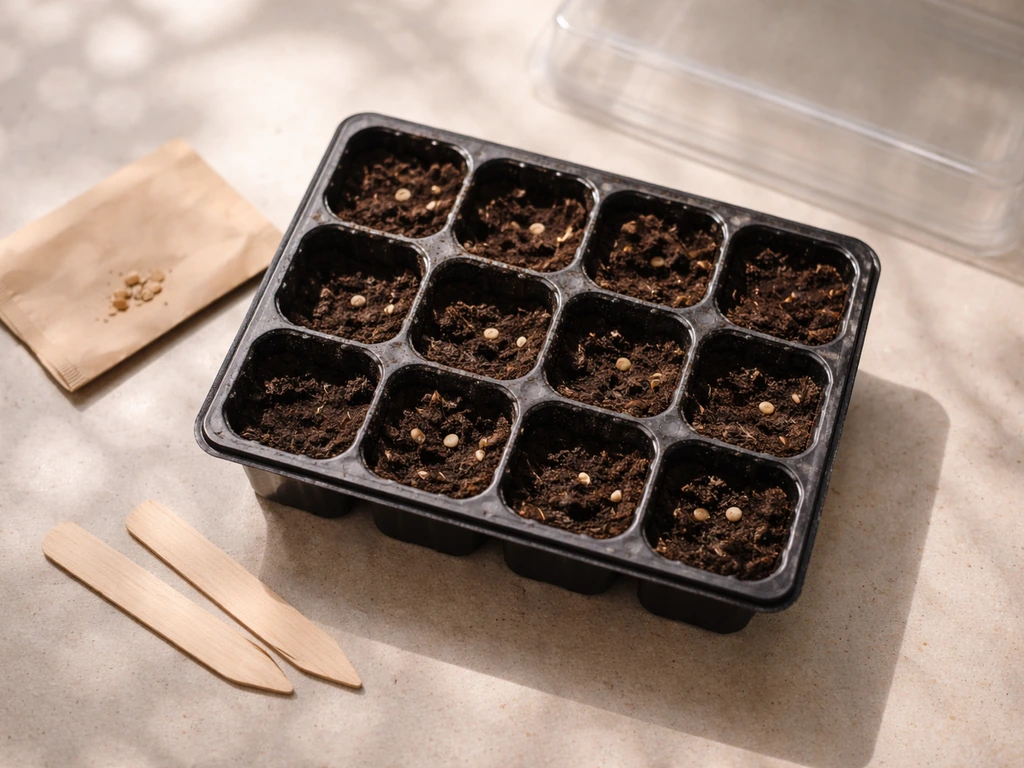
Shamrock seeds (almost always Oxalis species when you buy them from a seed supplier) typically germinate in 7 to 21 days under good conditions. Most gardeners see the first sprouts between 10 and 14 days when soil temperature sits around 65 to 70°F and moisture stays consistent. For Buzzy Seeds specifically, the time to first sprouts usually falls within the same general germination window as other Oxalis, so you can use these ranges as a guide how long does it take buzzy seeds to grow. From sprout to a decent-looking little plant with real foliage takes another 3 to 5 weeks, and if you want flowers, expect 10 to 16 weeks from sowing depending on the species and how much light they get.
How Long Does It Take Shamrock Seeds to Grow?
Marcus Henley
27 May 2026
What people mean by "shamrock seeds" (it matters)
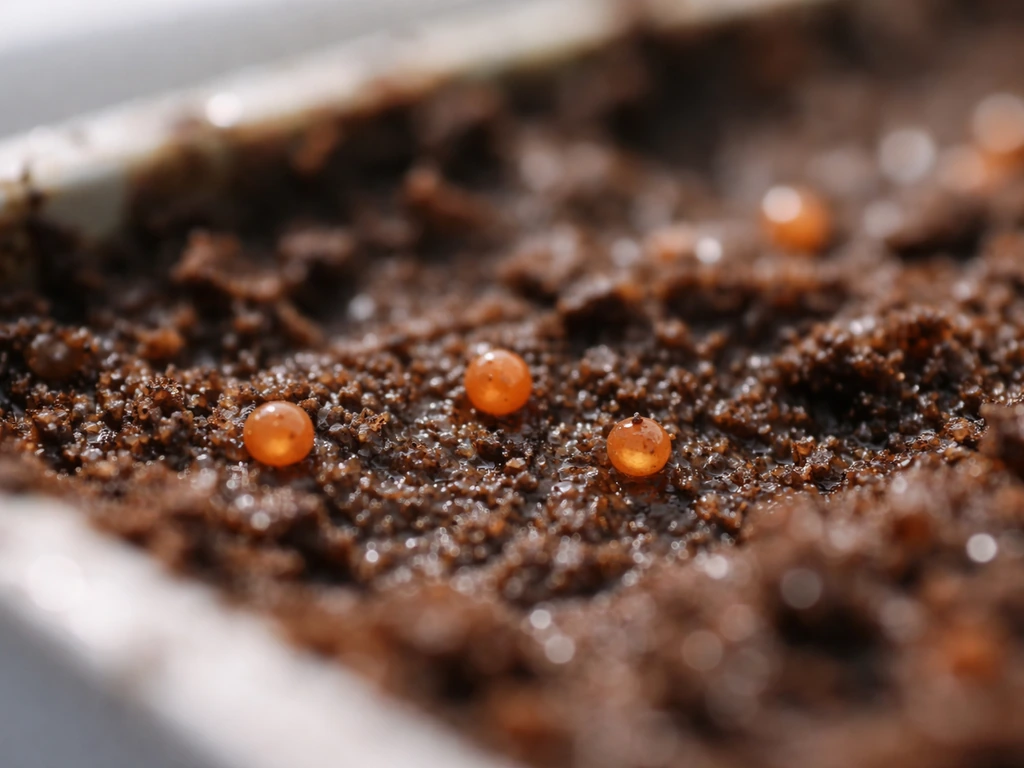
Here's the first thing worth knowing: most products sold as "shamrocks" in garden centers and online shops are actually bulbs, corms, or rhizomes, not seeds. Oxalis triangularis (the purple-leafed false shamrock you see everywhere around St. Patrick's Day) is almost universally sold as blank" rel="noopener noreferrer">small corms or bulbils. If you've bought a bag of tiny dark pellets labeled shamrock, those are likely corms, not seeds, and they sprout even faster than seeds.
When shamrock seeds are sold, they're typically one of the following Oxalis species: Oxalis triangularis (false shamrock), Oxalis acetosella (wood sorrel, the classic Irish shamrock look), or occasionally blank" rel="noopener noreferrer">Oxalis stricta (common yellow woodsorrel, which is basically a garden weed but still sold). True white clover (Trifolium repens) is also called shamrock in Irish tradition, and it does come as seed widely. This guide focuses on the Oxalis species since that's what most people asking this question are growing, but I'll note clover where it differs.
How long germination actually takes
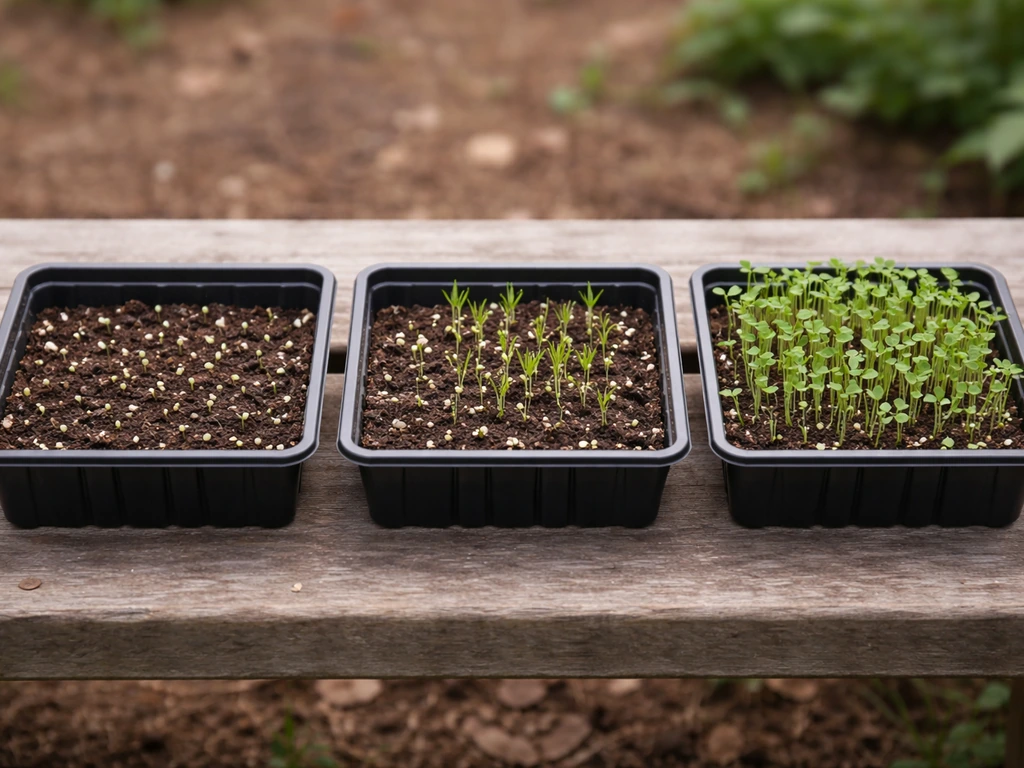
For Oxalis seeds specifically, the realistic germination window is 7 to 21 days, with 10 to 14 days being the sweet spot when conditions are dialed in. How long does it take for Oxalis seeds to grow overall, from sprouting to flowering and full maturity? If you are wondering how long it takes for seed to grow, Oxalis is usually only the beginning after germination.
I've had them pop in as few as 7 days in a warm greenhouse setup, and I've also waited the full three weeks when nighttime temps dropped into the 50s. If you are using Scott's EZ Seed, the germination window still follows the same ballpark timing as these Oxalis seeds, so expect it to fall within the 7 to 21 day range listed above: scotts ez seed how long to grow.
The seeds are tiny, so don't bury them deep or you'll add unnecessary time before they push through.
If you're growing white clover (Trifolium repens) as your shamrock, germination is actually faster, typically 5 to 10 days in warm conditions. In general, if you want something that grows quickly, white clover is one of the best choices when compared with Oxalis. Clover is more forgiving and vigorous at germination than Oxalis.
| Shamrock Type | Germination Range | Ideal Soil Temp |
|---|---|---|
| Oxalis triangularis (from seed) | 10 to 21 days | 65 to 75°F (18 to 24°C) |
| Oxalis acetosella (wood sorrel) | 14 to 21 days | 60 to 68°F (15 to 20°C) |
| Oxalis corms/bulbils (not seeds) | 7 to 14 days to sprout | 60 to 70°F (15 to 21°C) |
| White clover (Trifolium repens) | 5 to 10 days | 59 to 77°F (15 to 25°C) |
Seedling growth after sprouting
Once Oxalis seeds germinate, the seedlings grow at a moderate pace. In the first two weeks after sprouting, you're watching very small, thin stems with tiny folded leaves push up. Don't panic, this is normal. Oxalis seedlings look fragile and slow at first because most of their early energy is going into developing a small root system and the beginning of a corm.
By weeks three and four after germination, growth picks up noticeably. The characteristic three-lobed leaves become clearly visible and the plants start looking like shamrocks rather than just generic seedlings. This is the most satisfying phase to watch. By week six, most Oxalis seedlings grown in decent light are bushy enough to look like a real plant.
From first leaves to flowering and full maturity
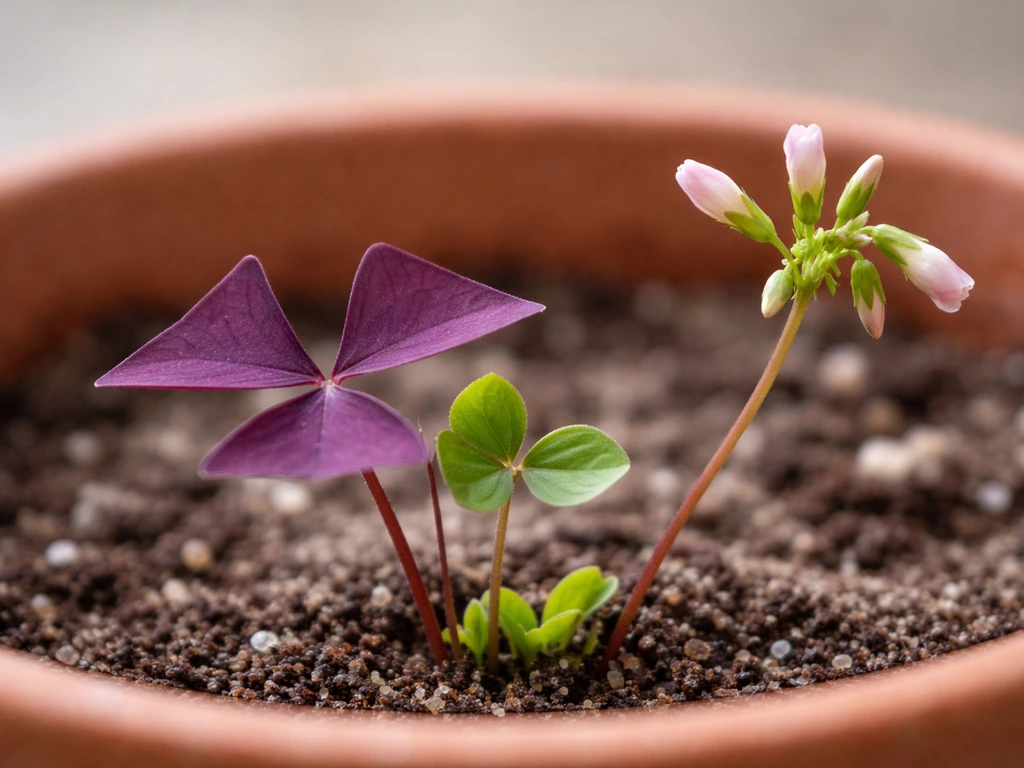
The first true leaves (the three-lobed ones you associate with shamrocks) typically appear 2 to 3 weeks after germination. Before that, you'll see simple seed leaves (cotyledons) that don't look like shamrocks at all, which confuses a lot of new growers.
Flowering is where patience comes in. Oxalis triangularis grown from seed can take 3 to 4 months to produce its first flowers, and some plants wait even longer depending on light levels and whether the plant has been through a short rest period. Scotts EZ Seed is typically just a standard clover seed mix, so plan on germination and growth timings that are similar to other clover varieties. Oxalis acetosella tends to flower in its first season if sown early enough in spring. White clover flowers within 6 to 8 weeks of germination, which is much faster.
Full maturity, meaning a plant that looks full, leafy, and is blooming regularly, generally happens by the end of the first full growing season for annuals, or by the second season for perennial Oxalis varieties started from seed. If you're growing Oxalis triangularis as a houseplant, it can be considered "mature" around 4 to 5 months after sowing.
How to speed up germination
The biggest lever you have is soil temperature. Keeping the soil consistently between 65 and 72°F makes a real difference. A seedling heat mat under your tray is the single best investment for indoor starts, cutting germination time noticeably compared to leaving trays on a cold countertop.
- Temperature: Aim for 65 to 72°F soil temperature. Below 60°F slows germination significantly; below 50°F can stall it completely.
- Light: Oxalis seeds don't need light to germinate (they're surface-sown or barely covered), but once sprouts appear, get them under grow lights or in a bright window immediately.
- Moisture: Keep the surface of the soil consistently moist but never soggy. A spray bottle works well for the first week or two so you don't dislodge the tiny seeds.
- Sowing depth: Press Oxalis seeds gently onto the soil surface or cover with just 1/8 inch of fine soil. Too deep and they struggle to emerge.
- Stratification: Oxalis acetosella (wood sorrel) can benefit from a brief cold stratification of 2 to 4 weeks in a moist paper towel in the fridge before sowing. This mimics winter and can improve germination rates. Most other Oxalis species sold as ornamentals don't require this.
- Scarification: Not needed for Oxalis. The seeds are small and soft-coated. Skip this step.
- Humidity dome: Covering your seed tray with a clear dome or plastic wrap keeps moisture and warmth in during the germination window.
What slows or stops growth (and how to fix it)
If your shamrock seeds haven't sprouted by day 21 to 25, something is off. Here are the most common culprits and what to do about each one.
Seed viability
Oxalis seeds have a relatively short shelf life compared to something like tomatoes or beans. Seeds more than a year or two old, or those stored in warm, humid conditions, lose viability quickly. If germination rates are low or zero, old seeds are often the reason. Always buy from a reputable supplier and check the packed-for date.
Overwatering and rot
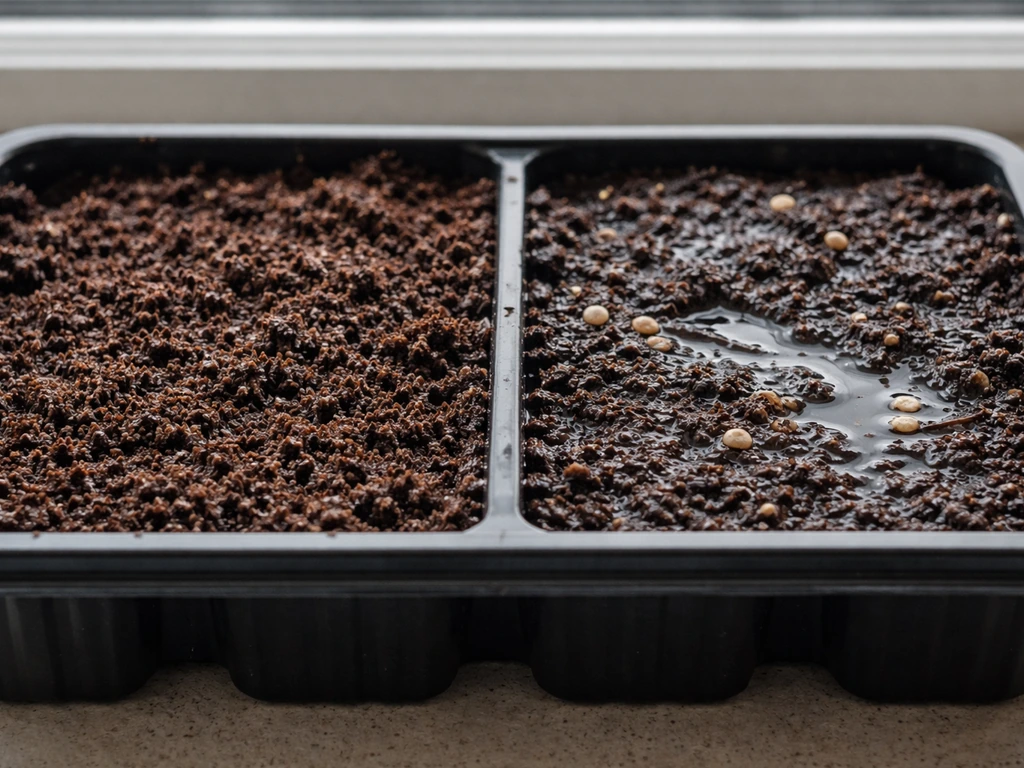
This is probably the most common mistake. Tiny Oxalis seeds sitting in soggy soil will rot before they sprout. The soil should feel like a wrung-out sponge, damp but not dripping. If you're seeing mold on the surface, pull back on watering and improve air circulation.
Drying out
The opposite problem. If the soil dries out completely even once during the germination window, seeds can abort the process. This is why a humidity dome or regular misting matters so much in the first two weeks.
Temperature too low or too variable
Germination slows dramatically below 60°F. If your seeds are sitting on a cold windowsill in early spring, night temperatures could be dropping low enough to stall the process even if daytime temps are fine. A heat mat eliminates this variable.
Sowing too deep
Oxalis seeds are tiny. If you've buried them more than 1/4 inch deep, they may not have enough energy to push through. Re-sow on the surface if you think this happened.
Wrong timing for your climate
Planting Oxalis seeds too early outdoors when the soil is still cold is a common timing error. In cold climates, wait until soil temps are reliably at 60°F or above, or start seeds indoors 6 to 8 weeks before your last frost date.
Planning your planting schedule by climate and season
For most gardeners in the northern hemisphere, Oxalis seeds sown indoors in late February or March will be ready to transplant outdoors by late April or May once frost risk has passed. If you're growing them as houseplants (which is very common for Oxalis triangularis), you can start seeds any time of year as long as indoor temps stay above 60°F.
| Climate Zone | Recommended Indoor Start | Direct Sow Outdoors | Expected Germination |
|---|---|---|---|
| Cool/temperate (USDA zones 4 to 6) | Late February to March | After last frost, May to June | 10 to 21 days |
| Mild/moderate (USDA zones 7 to 9) | January to February | February to April | 7 to 14 days |
| Warm/subtropical (USDA zones 10 to 11) | September to November (fall planting) | Fall/early winter | 7 to 14 days |
| Houseplant/indoor growing | Any time of year | N/A | 10 to 21 days |
In warmer climates, Oxalis actually does best when treated as a cool-season plant. Planting in fall or early winter and letting the plant mature through the milder months gets you the best growth before summer heat causes dormancy. In the hottest parts of summer, even established Oxalis plants will die back and rest, then re-emerge when temperatures cool.
If you're growing white clover as your shamrock, it's far less fussy about timing. Clover can be sown in early spring as soon as the soil can be worked, tolerates light frost at the seedling stage, and germinates reliably across a wide range of temperatures. It's genuinely one of the faster and easier seeds to establish, which is a useful reference point if you've been frustrated by slower Oxalis germination. The same goes for other fast-sprouting seeds covered elsewhere on this site, where 5 to 7 day germination is possible with the right species and conditions.
The bottom line: if you sow shamrock seeds (Oxalis) correctly, keep temperatures above 65°F, maintain steady moisture, and sow shallowly, you should see sprouts within two weeks. If you're past three weeks with nothing happening, check the troubleshooting list above before giving up. Most germination failures come down to one fixable issue: temperature, moisture, depth, or seed age.
FAQ
Do shamrock seeds need light to germinate, or should I cover them?
For Oxalis (the most common “shamrock seed”), keep them extremely shallow, roughly at or just under the surface. Deep coverage is a common reason nothing sprouts, so lightly press the seeds into damp mix instead of burying them.
What soil temperature should I aim for if I want the fastest germination?
Stay in the mid to upper 60s to low 70s. If your starting point is much cooler, expect germination to stretch out toward the longer end of the window, even if your daytime temperatures look warm.
How moist should the soil be during the germination window?
Moist but not soggy. A practical target is the “wrung-out sponge” feel, where the mix holds moisture but never drips. If you see mold, it usually means excess moisture and/or low airflow.
Can I use a humidity dome, and when should I remove it?
Yes, a dome helps prevent drying out during the first couple of weeks. Remove it once sprouts appear (or when you consistently see condensation), then switch to gentle, regular moisture so seedlings do not stay constantly saturated.
Should I soak Oxalis seeds before planting?
Usually it is not necessary and can increase rot risk because the seeds are tiny. If you do try soaking, keep it brief and be extra careful about drying and sowing shallowly.
How long does it take to see true shamrock-like leaves, not just cotyledons?
The three-lobed “shamrock” look typically becomes clear later, around weeks three to four after germination, even though seedlings may seem slow at first. Cotyledons can confuse you early on because they do not resemble shamrock leaves.
Why do my seedlings look thin and fragile for the first couple of weeks?
That early “slow” look is normal for Oxalis. Seedlings often invest in establishing a small root system and the beginnings of a corm, so top growth can lag even when conditions are correct.
Do Oxalis seeds ever germinate after three weeks?
Sometimes, but if you are past about day 21 to 25 with no sign of sprouting, the odds drop. At that point, reassess the most common causes: old seed viability, overly deep sowing, cold soil, or inconsistent moisture.
How can I tell whether my “shamrock” planting is seeds or bulbs/corms?
Check the package wording and size. Most garden-center “shamrocks” sold around St. Patrick’s Day are corms or bulbils, not seeds, and they can sprout faster. Tiny dark pellets labeled as seeds can still be viable Oxalis seeds, but they should behave like seed after sowing (shallow, surface growth).
Do white clover “shamrock” seeds behave the same way as Oxalis seeds?
They differ. Clover (Trifolium repens) generally germinates faster, often in about 5 to 10 days in warm conditions, and is more forgiving with germination. Do not expect the same slower Oxalis timing or seedling appearance.
If I want flowers, what is the earliest realistic timeline from seed?
For Oxalis triangularis, first flowers are commonly in the 3 to 4 month range, sometimes longer depending on light and whether the plant experiences any rest period. For white clover, flowering can be much sooner, often within 6 to 8 weeks after germination.
What should I do if only a few seeds germinate?
Low germination is often seed-age related. Confirm you are using fresh or properly stored seed, keep temperature and moisture steady, and avoid deep burial. If conditions were correct, consider that the seed lot may have poor viability.
Can I start shamrock seeds outdoors, or is starting indoors better?
Indoors is usually easier if your soil is cool in early spring. If you seed outdoors, wait until soil is reliably around 60°F or warmer. For cooler climates, starting indoors 6 to 8 weeks before the last frost gives better odds of even germination.
Should I fertilize right after sprouting?
Typically, wait until seedlings have established and are growing more actively. Early on, focus on stable moisture and adequate light, because overfeeding small seedlings can stress them before they form a stronger root system.
Next Article
How Long Does It Take Buzzy Seeds to Grow?
Learn typical germination and harvest timelines for buzzy seeds, plus why delays happen and how to troubleshoot fast.